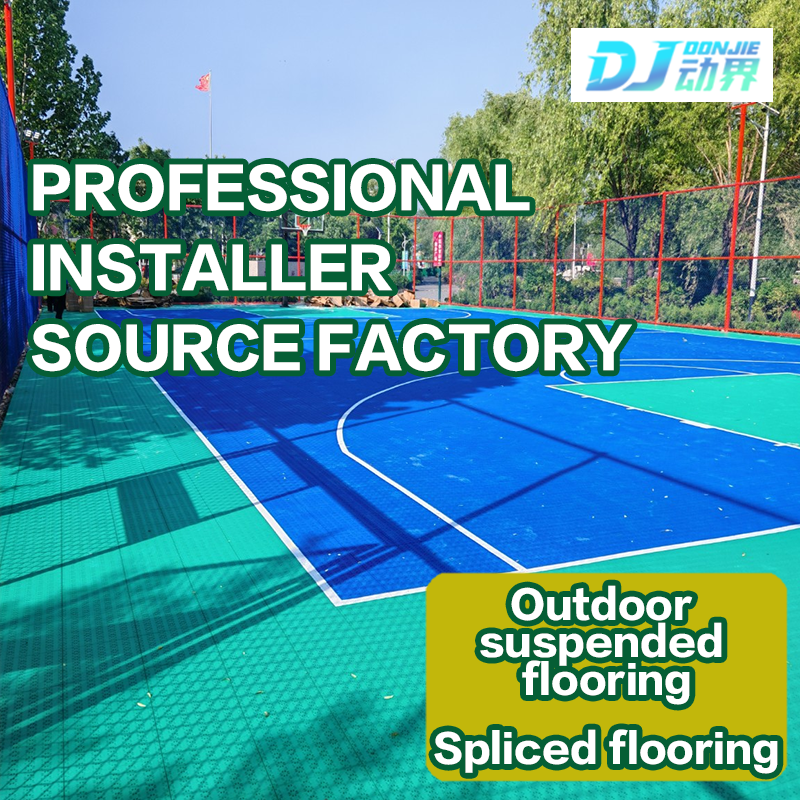
When planning to install an outdoor basketball court, choosing the right flooring is crucial not only for performance but also for durability and cost-effectiveness. The flooring you select directly impacts the gameplay experience, maintenance requirements, and long-term costs. Whether you’re designing a court for a school, recreational area, or home, understanding the costs associated with outdoor basketball court flooring will help you make an informed decision. In this guide, we will break down the factors that influence the cost of outdoor basketball court flooring and provide tips on how to budget effectively for your court project.
Factors That Influence the Cost of Outdoor Basketball Court Flooring
1. Material Choices and Their Impact on Pricing
The type of flooring material you choose is one of the most significant factors that affect your overall cost. The main options for outdoor basketball courts include asphalt, concrete, rubber tiles, and PVC flooring.
-
Asphalt is often the most affordable option but requires regular maintenance, especially in regions with extreme weather conditions. It can also wear down over time, leading to cracks and surface damage that may need costly repairs.
-
Concrete is more durable and provides a smooth playing surface, but it tends to be pricier. However, it can last longer if properly maintained, making it a good long-term investment.
-
Rubber tiles are designed for comfort and safety. They offer shock absorption and a non-slip surface, making them ideal for players’ joints. However, the cost is higher compared to asphalt and concrete due to their specialized features.
-
PVC flooring is another great option for outdoor basketball courts. Known for its all-weather durability, it is resistant to fading, cracking, and peeling. However, it is generally one of the more expensive flooring options available.
2. Court Size and Layout
The size of the basketball court directly affects the amount of flooring material needed and, consequently, the overall cost. Standard courts, typically measuring 28.65 meters by 15.24 meters (94 feet by 50 feet), will cost more than smaller courts or custom layouts. Additionally, adding markings for free-throw lines, half-court, or logos will increase both the complexity and cost of installation.
3. Installation Costs
The cost of installation can vary significantly depending on whether you choose to hire a professional or take a DIY approach. Professional installation includes labor costs, which can differ by region, and may add up to a considerable amount depending on the complexity of the project.
-
Professional Installation: Hiring experts ensures that your court will be installed properly, saving you time and potentially avoiding costly mistakes.
-
DIY Installation: If you’re on a tight budget, a DIY installation could help you save on labor costs. However, it requires more time and skill to ensure the flooring is installed correctly.
4. Maintenance and Longevity
While the initial cost of the flooring is important, the long-term maintenance and durability of your flooring choice should also be considered. Some materials, such as asphalt, will need regular resurfacing and crack repairs, while concrete and PVC flooring can last much longer with less maintenance.
Comparing Flooring Options for Outdoor Basketball Courts
1. Asphalt Flooring: Budget-Friendly but Requires Maintenance
Asphalt is the most economical option for outdoor basketball courts. While it is durable and provides a decent playing surface, it is prone to cracking over time. In areas with freeze-thaw cycles, asphalt may require resurfacing every few years to maintain its smoothness. The upfront cost is low, but maintenance costs can add up.
2. Concrete Flooring: Durable but Expensive
Concrete is one of the most durable materials for outdoor basketball courts. It provides a smooth, hard surface that is ideal for professional-level play. However, the initial cost is higher than asphalt. It also requires proper preparation and may need sealing to protect against weather damage. Despite the higher cost, concrete can last many years with minimal upkeep.
3. Rubber Tile Flooring: Safety and Comfort at a Price
Rubber tiles are a great choice for safety-conscious courts. They offer superior shock absorption, which is beneficial for players’ joints. Rubber flooring also provides a non-slip surface, reducing the risk of injury. However, the price of rubber tiles is generally higher than asphalt or concrete, making it a more costly choice for those on a tight budget.
4. PVC Flooring: Ideal for All-Weather Conditions
PVC flooring is specifically designed to withstand various weather conditions, including rain, snow, and extreme heat. This flooring is highly durable and resistant to wear and tear. It also requires minimal maintenance. Although PVC flooring is more expensive than asphalt and concrete, its longevity and low upkeep costs can make it a cost-effective choice in the long run.
Hidden Costs You Might Not Expect
1. Preparation of the Site
Before you can install your chosen flooring, the site needs to be prepared. This includes grading the ground to ensure proper drainage, leveling the surface, and possibly excavating the area. Ground preparation can add substantial costs to the overall project, especially if there are drainage issues or uneven terrain.
2. Weather Conditions and Their Impact on Installation
The time of year you choose to install your outdoor basketball flooring can affect both the cost and quality of the installation. Extreme weather conditions such as rain or freezing temperatures can delay the installation process, leading to additional costs.
3. Shipping and Delivery Fees
Shipping costs for flooring materials can also add to the overall price. Depending on your location, delivery fees may vary. Be sure to account for this when budgeting for the project.
How to Estimate the Total Cost of Outdoor Basketball Court Flooring
1. Getting Accurate Measurements
The first step in estimating the total cost is measuring the area of your basketball court accurately. The size of the court determines how much material you’ll need, which directly impacts the cost. Be sure to measure both the length and width of the court, as well as any areas that will require additional flooring, such as the surrounding perimeter.
2. Researching Local Costs
Costs for materials and labor can vary depending on your location. Take the time to research local prices for the flooring materials and installation services you’re considering. This can give you a more accurate estimate of what to expect.
3. Consulting with Experts
If you’re unsure about the best options for your budget, consider consulting with experts who can provide guidance on the most cost-effective flooring options for your specific needs.
Ways to Save on Outdoor Basketball Court Flooring Costs
Opting for Modular Flooring Tiles
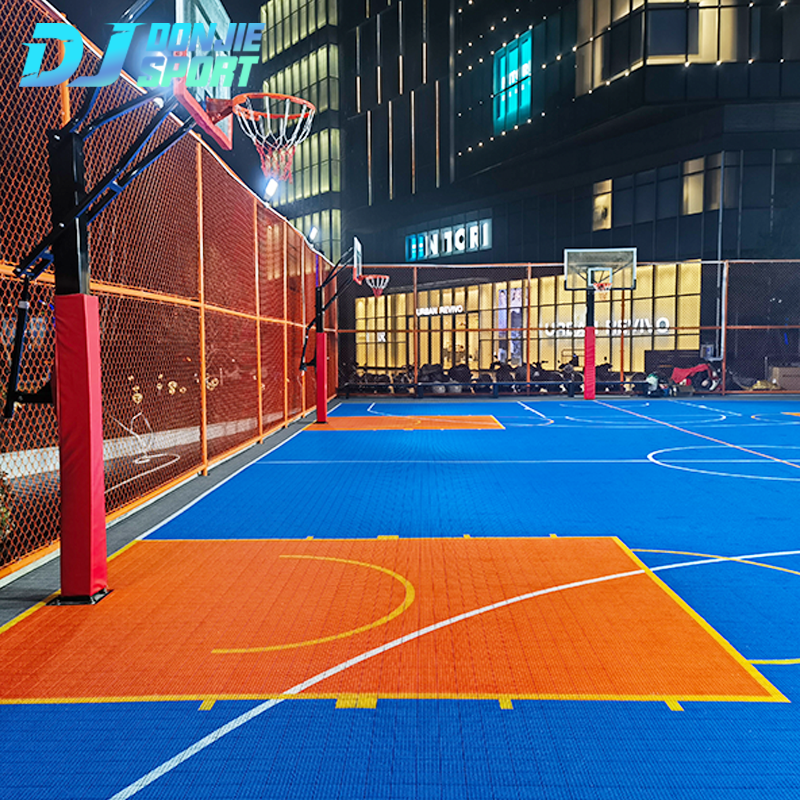
Modular tiles are an excellent choice for those looking to save on costs. These interlocking tiles are easy to install and maintain, and they can be replaced individually if damaged, reducing long-term costs.
DIY Installation Tips
If you’re handy with tools, installing the flooring yourself can save you a significant amount of money. However, be sure to follow manufacturer guidelines to ensure proper installation. Mistakes could lead to additional costs down the line.
Choosing Cost-Effective Materials without Sacrificing Quality
There are affordable flooring options, like asphalt or concrete, that provide a great playing surface without the hefty price tag of rubber or PVC flooring. By choosing the right materials and maintaining them properly, you can have a high-quality court without exceeding your budget.
What You Need to Know Before Making Your Decision
When considering outdoor basketball court flooring, it’s essential to weigh the initial cost with the long-term maintenance, durability, and performance needs. Materials like asphalt and concrete offer cost-effective solutions, while rubber tiles and PVC flooring provide additional benefits in terms of comfort and all-weather durability. By understanding all the factors involved and planning accordingly, you can create a basketball court that meets your needs without exceeding your budget.