In today’s world, sustainability is more than just a trend—it’s a necessity. As communities look for ways to reduce their environmental footprint, the design and materials used in sports facilities have come under scrutiny. Outdoor basketball courts, which are integral to public sports areas, offer a unique opportunity to incorporate eco-friendly solutions. One key factor in this movement is the selection of outdoor basketball court surfaces. These surfaces, often overlooked in environmental discussions, play a significant role in reducing waste, saving energy, and promoting a greener future for sports facilities.
In this article, we’ll explore the many environmental benefits that outdoor basketball court surfaces offer. From the materials used to the long-term advantages of durable surfaces, these courts are contributing to a more sustainable and eco-conscious world. Let’s dive into how these surfaces help protect the planet, one game at a time.

Sustainable Materials for Basketball Court Surfaces
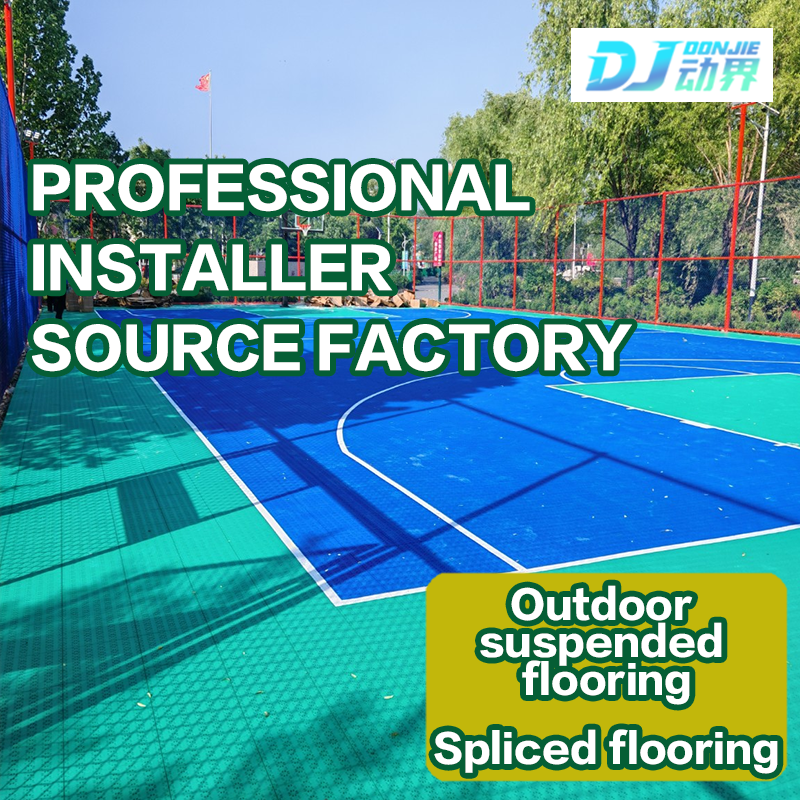
One of the most significant ways outdoor basketball court surfaces are helping the environment is through the use of sustainable materials. Traditional court surfaces often relied on asphalt or concrete, which can be harmful to the environment both during production and disposal. Today, however, many outdoor basketball courts are constructed using eco-friendly alternatives that minimize environmental impact.
Materials such as recycled rubber, plastic tiles made from post-consumer waste, and natural fibers are increasingly being used to create durable and sustainable basketball courts. These materials not only reduce waste by repurposing items that would otherwise end up in landfills, but they also help reduce the environmental impact of manufacturing processes.
For example, recycled rubber tiles provide an excellent alternative to traditional asphalt, offering both durability and shock absorption. They are made from discarded tires, preventing these tires from cluttering landfills and allowing them to serve a functional, second life. Similarly, recycled plastic tiles often contain materials like high-density polyethylene (HDPE), which is durable and resistant to weather conditions. These materials help reduce the demand for virgin resources, contributing to a circular economy.
By using sustainable materials, outdoor basketball court surfaces contribute to reducing the environmental burden caused by traditional construction practices, making sports facilities greener and more resource-efficient.
Durability and Longevity of Outdoor Basketball Court Surfaces
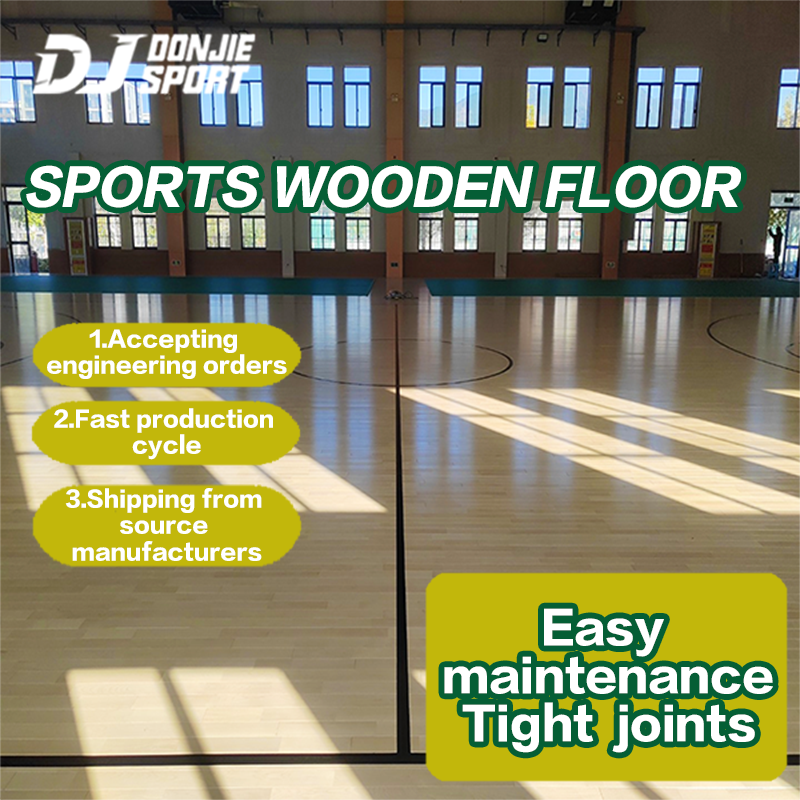
Another environmental advantage of modern outdoor basketball court surfaces is their longevity. The durability of these surfaces means that they do not need to be replaced as frequently as traditional court materials, such as asphalt or concrete. This long lifespan not only saves money but also reduces the need for the production and transportation of replacement materials.
For instance, synthetic surfaces like interlocking PVC tiles and polyurethane coatings are highly resistant to wear and tear, providing a reliable playing surface for many years. When compared to asphalt, which can crack and degrade over time due to weather conditions, these alternative materials offer superior performance and require less maintenance.
This increased durability leads to fewer resources being used over time, contributing to the reduction of carbon emissions and overall waste generation. Less frequent replacements mean fewer construction projects, fewer trucks on the road, and less consumption of raw materials, making outdoor basketball courts more sustainable in the long run.
Energy Efficiency in Outdoor Basketball Court Surfaces
Energy efficiency is another important factor in the environmental benefits of outdoor basketball court surfaces. Many modern court materials are designed to reflect sunlight, rather than absorb it, reducing the amount of heat that accumulates on the court. This feature not only enhances the player experience but also contributes to reducing the urban heat island effect, a phenomenon where cities experience higher temperatures than surrounding rural areas.
For example, surfaces with reflective coatings or heat-resistant properties help maintain cooler court temperatures, which is particularly important in warmer climates. This contributes to a more comfortable playing environment while also reducing the need for air conditioning in nearby buildings, leading to lower energy consumption.
By promoting cooler surfaces, these court materials help mitigate heat buildup in urban areas, benefiting both the environment and the people who use the courts. Cooler court surfaces also have the added benefit of prolonging the lifespan of the surface itself, as excessive heat can accelerate wear and degradation.
Water Drainage and Stormwater Management
Efficient water drainage is crucial for maintaining both the longevity of outdoor basketball courts and the surrounding environment. Modern outdoor basketball court surfaces often feature innovative designs that promote better water management. Permeable surfaces, for instance, allow water to flow through the court and into the ground, reducing the risk of flooding and minimizing stormwater runoff.
Traditional impervious surfaces, such as asphalt, often lead to water pooling on the court or running off into nearby storm drains, which can contribute to water pollution and erosion. However, permeable materials like rubberized tiles or porous asphalt allow rainwater to filter through, reducing the strain on drainage systems and preventing water from collecting in unwanted areas.
By improving water drainage and stormwater management, outdoor basketball court surfaces help preserve the surrounding ecosystem and reduce the environmental impact of urbanization. This feature is especially important in cities prone to heavy rainfall or flooding, where proper water management can make a significant difference in flood prevention and the overall health of urban environments.
Low Maintenance and Reduced Chemical Use
Another major environmental benefit of outdoor basketball court surfaces is their low maintenance requirements. Traditional courts often require regular resurfacing, sealing, and chemical treatments to keep them in good condition. These maintenance tasks can involve harmful chemicals, such as sealants, paints, and cleaners, which can pollute the air and water when not properly disposed of.
Eco-friendly court surfaces, on the other hand, typically require much less maintenance. Many of these surfaces are designed to be self-cleaning or are resistant to mold, mildew, and other contaminants, reducing the need for harsh chemicals. Additionally, the durability of these materials means less frequent maintenance, further decreasing the demand for chemical treatments.
By using low-maintenance materials, outdoor basketball courts help minimize the environmental impact of maintenance activities, which often involve toxic substances. This reduces the pollution associated with court upkeep and ensures that sports facilities are healthier for both players and the surrounding ecosystem.
Reduced Urban Heat Island Effect
Urban areas often experience higher temperatures than rural surroundings due to human activities and the concentration of buildings, roads, and other infrastructure. This phenomenon, known as the urban heat island effect, contributes to increased energy consumption, air pollution, and discomfort for residents. However, outdoor basketball court surfaces with reflective or heat-resistant properties can help reduce the urban heat island effect.
By incorporating surfaces that reflect more sunlight and absorb less heat, outdoor basketball courts can help lower temperatures in urban areas, providing cooling benefits not only for the court itself but also for the surrounding environment. This is especially important in cities that experience extreme heat during the summer months, where cooling surfaces can significantly improve air quality and overall comfort.
Additionally, cool court surfaces can reduce the need for energy-intensive cooling systems in nearby buildings, further contributing to energy savings and a reduction in greenhouse gas emissions.
Recycling and End-of-Life Benefits
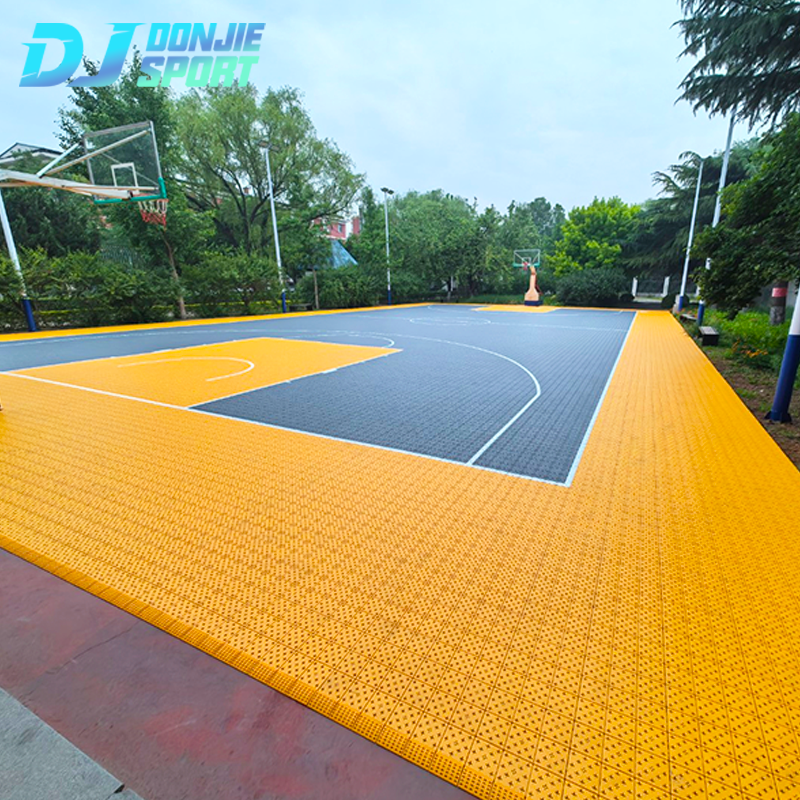
When outdoor basketball court surfaces reach the end of their lifespan, many of the materials used can be recycled or repurposed. For example, rubber tiles can be melted down and reused in the creation of new surfaces, while plastic tiles can be recycled into new products, reducing the amount of waste sent to landfills.
This focus on recycling and reusing materials helps close the loop in the product lifecycle, contributing to a circular economy. Instead of being discarded, materials used in outdoor basketball court surfaces can be given a second life, minimizing environmental impact and conserving resources.
By choosing court surfaces made from recyclable materials, communities can ensure that their sports facilities remain environmentally responsible, not just during their construction but throughout their entire lifecycle.
Conclusion
Outdoor basketball court surfaces offer a wide array of environmental benefits, from the use of sustainable materials and long-lasting designs to energy efficiency, water management, and reduced maintenance needs. These features contribute to a greener, more sustainable approach to sports facility design, offering both environmental and economic advantages. As communities continue to prioritize sustainability, choosing eco-friendly outdoor basketball court surfaces is a simple yet effective way to make a positive impact on the planet. By adopting these greener alternatives, we can create sports facilities that benefit not only players but also the environment, today and for future generations.