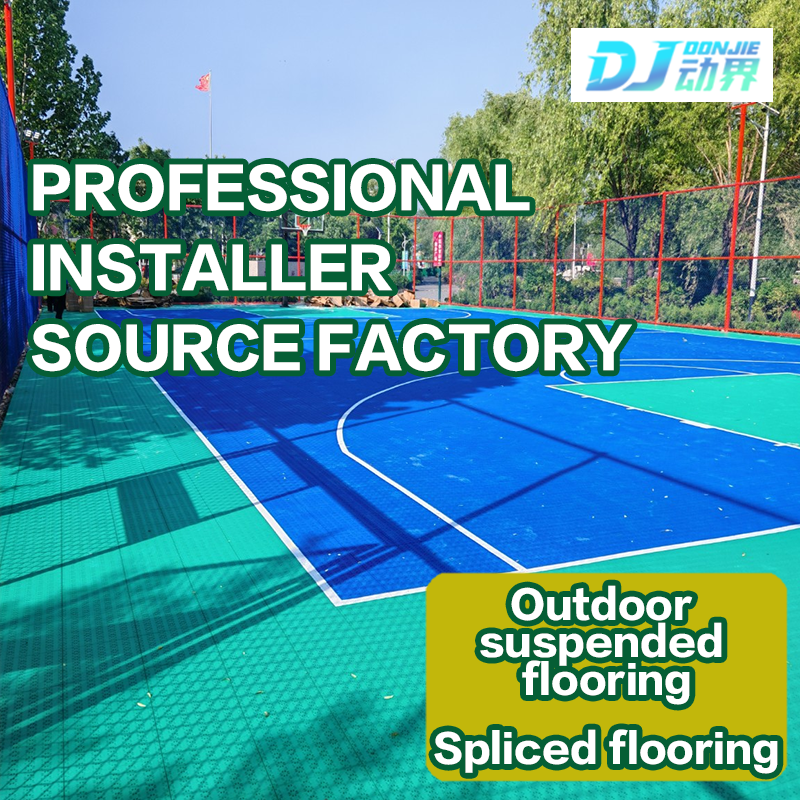
The right basketball court flooring can dramatically influence the overall playability of an outdoor court. From the feel underfoot to the level of traction and comfort it provides, the type of surface you choose affects everything from player performance to safety. In this article, we’ll explore how outdoor court surfaces enhance playability for basketball players and why selecting the right flooring is crucial for creating an ideal basketball environment.
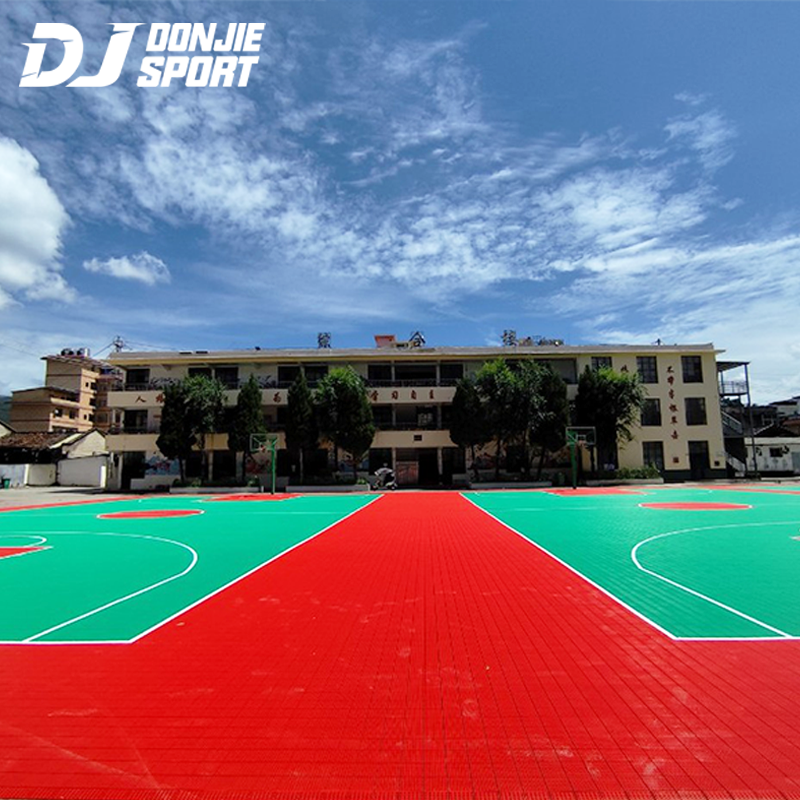
The Role of Outdoor Basketball Court Flooring in Player Performance
Outdoor basketball court flooring plays a vital role in enhancing player performance. A high-quality surface can impact the speed, agility, and responsiveness of players. Surfaces that offer the right amount of grip ensure players can accelerate, decelerate, and change direction quickly without the risk of slipping. Proper flooring improves foot control, which helps players make more precise moves and maintain balance.
Moreover, the texture of the court surface is essential for maintaining consistent traction. Basketball players rely on their ability to make sharp cuts, jumps, and pivots, all of which depend heavily on the surface beneath them. Flooring with an optimal texture provides just the right amount of friction, ensuring that players can move with confidence. Whether it’s outdoor acrylic, rubber, or other materials, the surface’s interaction with the player’s shoes is crucial to the game.
Materials Used in Outdoor Basketball Court Flooring
The materials used in outdoor basketball court flooring are diverse, each with unique benefits and trade-offs. Common materials include acrylic, rubber, and PVC, all of which offer durability and performance.
-
Acrylic: A popular choice for outdoor courts, acrylic surfaces are known for their smooth, fast-playing characteristics. Acrylic courts are often designed for high-traffic areas and can withstand various weather conditions. They provide a firm, consistent surface that enhances player control while maintaining durability.
-
Rubber: Rubber flooring is a softer, more cushioned material, which can help absorb impact and reduce fatigue during extended play. It is highly resistant to the elements and offers excellent shock absorption, making it ideal for players’ joints.
-
PVC: PVC flooring provides durability while offering a smooth surface for consistent ball bounce. Its resistance to moisture, UV rays, and wear makes it suitable for outdoor environments.
Choosing the right material depends on factors such as climate, court usage frequency, and the desired playing experience. A well-chosen surface enhances playability while ensuring the court remains in top condition for longer periods.
Traction and Grip: Key Features of High-Quality Outdoor Court Flooring
Traction is a crucial factor for any outdoor basketball court flooring, as it directly affects a player’s ability to perform. A surface that provides optimal grip prevents slippage, allowing players to execute quick stops, sharp cuts, and high jumps with confidence. Without sufficient traction, players are more likely to suffer from injuries, such as sprains or twists.
The texture of the surface plays a big role here. Floors with textured surfaces, such as rubber or textured acrylic, offer better grip than smooth ones, reducing the chances of slipping during high-intensity movements. Moreover, some court surfaces are designed with patterns or grids that help channel water away, preventing water buildup from rain and ensuring the court stays playable in wet conditions.
Outdoor courts that offer superior traction are essential for professional athletes and recreational players alike, as they allow for more dynamic and controlled gameplay, while minimizing the risk of accidents.
Cushioning and Impact Absorption for Player Safety
One of the key benefits of outdoor basketball court flooring is its ability to absorb impact and cushion players’ movements. Whether it’s a sudden fall or the repeated impact of running, jumping, and pivoting, the right flooring can minimize stress on joints, particularly the knees and ankles.
Courts with adequate cushioning help prevent injuries that are common in basketball, such as shin splints and joint pain, by reducing the shock each time a player lands. This is particularly important for players who train or play regularly on the court. Materials like rubber or cushioned vinyl are known for their shock-absorbing properties, making them ideal choices for ensuring long-term player health.
In addition to joint protection, cushioned surfaces can improve the overall comfort of the game, encouraging longer practice sessions and reducing fatigue. This makes the court more player-friendly and lessens the risk of injury over time.
Weather Resistance and Durability: Flooring That Stands the Test of Time
Outdoor basketball courts are exposed to the elements, meaning durability is essential for long-term use. Choosing a surface that can withstand various weather conditions—whether it’s the intense heat of summer, the freezing cold of winter, or frequent rainfall—is key to ensuring the court remains functional year-round.
Materials like acrylic and PVC are designed to resist fading and cracking from UV exposure, while rubber and other synthetic surfaces are often weatherproof and can handle extreme temperatures. These surfaces not only endure the harsh outdoor environment but also maintain their performance under challenging conditions.
Additionally, outdoor basketball court flooring is subjected to frequent wear and tear. High-quality flooring is resistant to abrasions, stains, and scuffing, ensuring that the court remains playable without requiring frequent repairs or maintenance. This durability ensures a better return on investment for facility managers, schools, and sports organizations.
Aesthetic Appeal: Combining Playability with Court Design
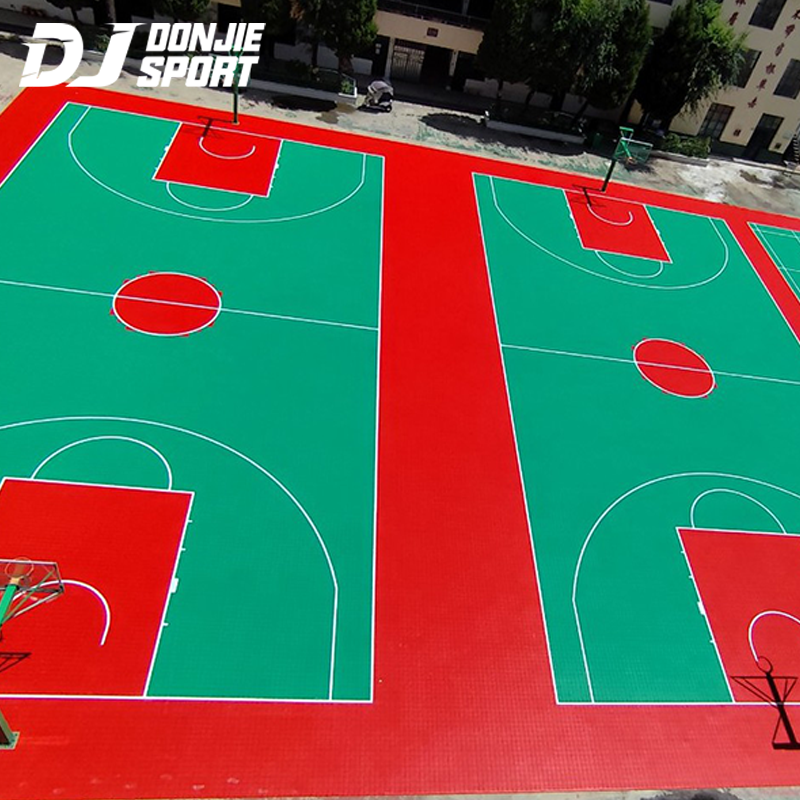
While playability is the primary concern when selecting outdoor basketball court flooring, aesthetics also play a significant role. A well-designed court can increase the visual appeal of the space and boost the morale of players and spectators alike. Customization options for colors and designs allow basketball courts to match school logos, team colors, or community branding, making the court not only functional but visually appealing.
The integration of vibrant colors and attractive patterns can create a more engaging environment for players, fostering a sense of pride and excitement. Aesthetically pleasing courts also attract more players and can become iconic local spots, further enhancing the experience of playing basketball.
Sustainability: Eco-Friendly Outdoor Court Flooring Options
As environmental awareness grows, eco-friendly flooring materials are gaining popularity in outdoor basketball courts. Sustainable options like recycled rubber or PVC made from post-consumer materials help reduce the environmental impact of court construction. These materials are not only environmentally responsible but also durable and effective, offering a balance between performance and sustainability.
By choosing eco-friendly outdoor basketball court flooring, communities can contribute to the reduction of waste and resource consumption, while still providing a high-quality playing surface for athletes. Sustainable flooring options can even help courts remain cooler in hot weather, reducing energy costs associated with air conditioning in nearby facilities.
Choosing the Right Basketball Court Flooring for Peak Playability
Selecting the right outdoor basketball court flooring is critical to enhancing player performance, safety, and enjoyment. By considering factors like traction, cushioning, durability, and weather resistance, you can create a court that meets the needs of players at all levels. Whether you’re designing a court for recreational use or professional competitions, the flooring material you choose will directly impact the playability and long-term success of the court.