When it comes to outdoor basketball courts, the choice of flooring is crucial. The right flooring ensures not only a smooth playing surface but also safety and durability for long-term use. Whether you’re installing a court for recreational play, a school gym, or a professional arena, selecting the right outdoor basketball court flooring can enhance performance, reduce maintenance costs, and ensure the safety of players.
Choosing the best flooring for your outdoor basketball court depends on various factors including climate, budget, and intended use. With so many flooring options available, it’s important to understand the pros and cons of each type, so you can make an informed decision that aligns with your needs.
In this guide, we’ll take a deep dive into the various outdoor basketball court flooring options, covering their benefits, installation process, and maintenance. By the end of this article, you’ll have the knowledge needed to choose the best flooring for your court and ensure its longevity and performance.
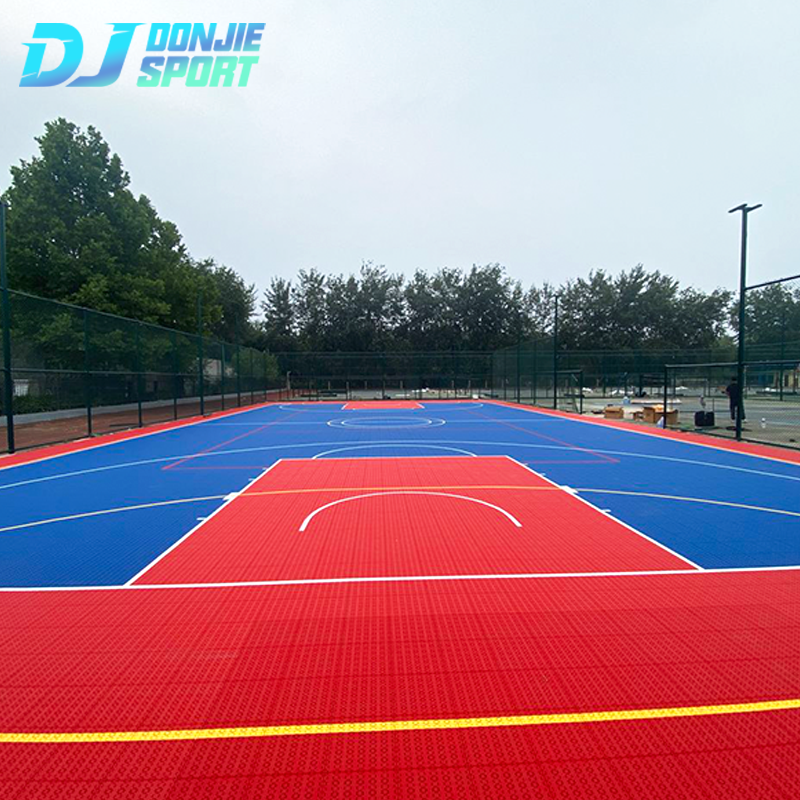
Understanding Outdoor Basketball Court Flooring Materials
Choosing the right material for your outdoor basketball court flooring is essential for ensuring both performance and durability. There are several common materials used in the construction of outdoor basketball courts, each with its own set of benefits and drawbacks. Understanding these materials will help you make a better decision based on your needs and budget.
Asphalt Flooring
Asphalt is one of the most commonly used materials for outdoor basketball courts, especially for those on a budget. It provides a smooth, solid surface that is easy to maintain. Asphalt is known for its durability, especially in warmer climates, and offers excellent performance for recreational play.
Pros:
-
Affordable and easy to install
-
Durable and resistant to outdoor elements
-
Ideal for low-traffic areas
Cons:
-
Can crack over time due to freeze-thaw cycles in colder climates
-
Requires periodic sealing to maintain quality
-
Hard surface may lead to more impact on players’ joints
Concrete Flooring
Concrete is another popular material for outdoor basketball courts. It’s highly durable and provides a solid, long-lasting surface. Concrete is often preferred for professional or high-traffic areas due to its strength and resilience.
Pros:
-
Extremely durable and long-lasting
-
Can withstand heavy traffic and harsh weather conditions
-
Low maintenance once installed
Cons:
-
Prone to cracking if not properly sealed and maintained
-
Hard surface can increase injury risk over time
-
More expensive to install compared to asphalt
Rubber Flooring
Rubber flooring is a great option for those who want to minimize impact on players while providing a durable surface. It’s often used in gyms and arenas where performance and player comfort are paramount. Rubber flooring is also shock-absorbent, which can reduce the risk of injury.
Pros:
-
Shock-absorbing, reducing stress on joints
-
Slip-resistant, providing enhanced safety
-
Easy to clean and maintain
Cons:
-
Can be expensive to install
-
May wear down quicker in high-traffic areas
-
Limited aesthetic options compared to other materials
Modular Tile Flooring
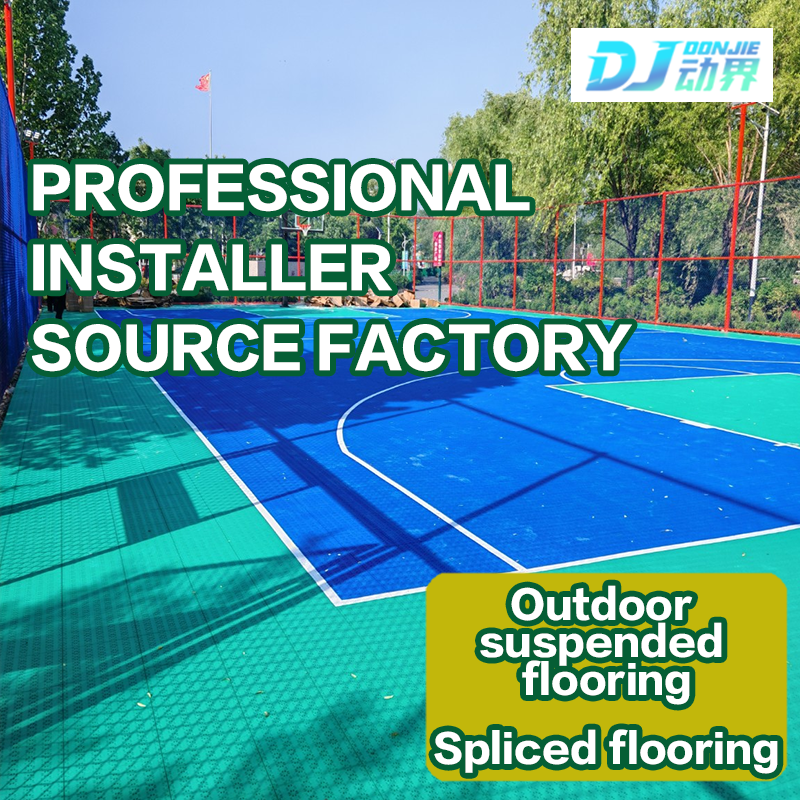
Modular tile flooring has become a popular choice for outdoor basketball courts in recent years due to its flexibility and ease of installation. These tiles are interlocking and can be customized to fit any size court. They are designed to withstand outdoor conditions and are available in various colors and patterns.
Pros:
-
Easy to install and maintain
-
Available in a variety of colors and designs
-
Good drainage properties, preventing water buildup
-
Resistant to UV damage and fading
Cons:
-
Tiles can shift or come apart if not properly secured
-
May need replacement of individual tiles over time
-
Can be pricier than traditional materials like asphalt
Synthetic Sports Flooring
Synthetic sports flooring, such as polyurethane or PVC tiles, is an excellent option for high-performance basketball courts. This material offers the right balance of grip, shock absorption, and durability, making it ideal for professional or competitive play.
Pros:
-
Provides superior grip and shock absorption
-
High-performance surface for professional play
-
Long-lasting and low maintenance
Cons:
-
More expensive than other flooring options
-
Can be prone to wear in extreme weather conditions if not well maintained
Factors to Consider When Choosing Outdoor Basketball Court Flooring
Choosing the right flooring for your outdoor basketball court goes beyond just the material. Several other factors need to be taken into account to ensure you get the best possible surface for your needs.
Climate Considerations
The weather in your area plays a significant role in the durability and performance of the flooring. For example, asphalt and concrete can crack in cold climates due to freeze-thaw cycles, while rubber and synthetic flooring tend to perform better in warmer climates. Consider the seasonal weather conditions and select materials that will withstand your local climate.
Surface Texture and Traction
The texture of the court surface affects player performance and safety. A smooth, flat surface offers better ball control, while a textured surface can provide better traction, reducing the likelihood of slipping. Be sure to select flooring that offers the right balance of texture to optimize both safety and performance.
Cost and Budgeting
Your budget is a major factor in deciding which type of flooring is right for you. Asphalt and concrete tend to be more budget-friendly options, while rubber and synthetic floors may require a larger investment. Factor in installation costs, maintenance expenses, and the overall lifespan of the flooring when making your decision.
Installation and Maintenance
Some flooring materials, like modular tiles, can be installed DIY-style, while others, such as concrete or asphalt, may require professional installation. Additionally, consider the long-term maintenance needs of your chosen flooring. Some materials require more upkeep than others, such as sealing asphalt or repairing cracked concrete.
Aesthetic Preferences
Lastly, the look of the court is important for many people. Outdoor basketball courts are often used for both play and as a community space. Modular tiles and synthetic flooring offer a variety of colors and designs, allowing you to create a visually appealing court that matches your personal style or facility branding.
Benefits of Quality Outdoor Basketball Court Flooring
Investing in high-quality outdoor basketball court flooring provides several key benefits that can enhance the playing experience and ensure the longevity of the court.
-
Enhanced Player Performance and Comfort: High-quality flooring improves traction and reduces impact, leading to better player movement and fewer injuries.
-
Increased Safety and Injury Prevention: Shock-absorbent surfaces, such as rubber or synthetic flooring, help protect players from joint injuries, falls, and impact-related damage.
-
Longevity and Durability: Durable flooring materials can withstand outdoor elements and high-traffic use, providing a long-lasting investment.
-
Low Maintenance and Easy Care: Many modern flooring systems are easy to maintain, requiring only routine cleaning and occasional repairs.
How to Choose the Right Flooring for Your Basketball Court Based on Usage
The intended use of your basketball court will influence your choice of flooring material. Here are some recommendations based on different usage scenarios:
Recreational Courts
For casual play, consider budget-friendly options like asphalt or concrete. These materials offer good durability without the high cost of synthetic or rubber flooring.
Professional or Competitive Courts
For high-performance needs, such as professional basketball or competitive leagues, synthetic sports flooring or modular tiles are ideal. These surfaces offer the best grip, shock absorption, and consistent play.
Schools and Public Facilities
For courts that will see heavy traffic and be used by a wide variety of players, modular tile flooring or rubber flooring is a solid choice. These materials are durable, cost-effective, and low-maintenance.

Installation Process for Outdoor Basketball Court Flooring
Installing outdoor basketball court flooring can range from a DIY project to a professional installation, depending on the material chosen.
-
Asphalt or Concrete: Installation of these materials typically requires professional contractors due to the need for heavy machinery and precise leveling.
-
Modular Tiles or Rubber Flooring: These can often be installed by yourself with minimal tools. Tiles simply snap together, and rubber mats can be laid directly on a prepared surface.
Proper installation ensures that the flooring remains secure and functional for years to come.
Maintaining Your Outdoor Basketball Court Flooring
Maintenance varies by flooring type, but all surfaces will require some care. Routine cleaning, such as sweeping off debris and washing the court with mild detergent, can extend the life of your flooring. In colder climates, you may need to apply sealants or repair cracks, especially in asphalt or concrete courts.
For modular tile and rubber surfaces, it’s important to check for any loose tiles or damage after heavy use, replacing any broken tiles as necessary.
Making the Right Decision for Your Basketball Court Flooring
Choosing the right outdoor basketball court flooring involves careful consideration of materials, climate, budget, and intended use. Whether you’re looking for something budget-friendly or seeking the best in performance and safety, there’s a flooring option that fits your needs.
Take the time to assess the factors discussed in this guide, and you’ll be well on your way to creating a basketball court that not only meets your needs but also provides a safe and enjoyable playing experience for years to come.