When designing or upgrading an outdoor basketball court in a public space, choosing the right flooring solution is essential. Public basketball courts are subject to heavy use, varying weather conditions, and a range of player skills. As a result, selecting durable and safe flooring is crucial to ensure that players of all ages and skill levels can enjoy the game. Whether it’s a local park, community center, or recreational area, the best outdoor flooring options can enhance player performance, prevent injuries, and make the space more inviting. In this article, we will explore the various flooring solutions available and help you choose the best option for your outdoor basketball court.
Why Outdoor Basketball Flooring Is Essential for Public Spaces
Outdoor basketball courts serve as more than just a place for recreational activity—they are community hubs that foster social interaction, physical health, and mental well-being. However, the harsh elements and frequent use in public spaces can cause wear and tear, which is why selecting the right flooring is essential.
Durability and Weather Resistance: Outdoor courts are exposed to extreme weather conditions such as intense heat, rain, snow, and even freezing temperatures. Flooring that is not designed to withstand these elements will deteriorate quickly, leading to costly repairs or replacements. Choosing a material that can endure these conditions is vital for long-term sustainability.
Safety and Player Performance: A court’s surface directly impacts player safety. Flooring that is too hard or too slippery can lead to injuries, while flooring that provides the right level of grip and shock absorption helps reduce the risk of accidents. The proper flooring can also improve the overall playing experience, allowing players to perform at their best.
Aesthetic Appeal and Community Engagement: High-quality flooring contributes to the aesthetic value of the court, making it more inviting and attractive to potential users. A well-maintained, vibrant court encourages community involvement, fosters youth engagement, and creates a space where people of all ages can come together to play basketball.
Key Factors to Consider When Choosing Outdoor Flooring
Selecting the right flooring for a public outdoor basketball court is not as simple as picking a surface material. Here are several factors to consider to ensure you make an informed decision:
Climate Conditions: Different regions have varying weather patterns that can affect the longevity of outdoor flooring. For instance, regions with heavy rainfall or snowfall require flooring that can handle moisture without becoming slippery or deteriorating. Conversely, areas with hot temperatures need flooring that can withstand intense UV exposure without fading or cracking.
Traffic Volume and Durability: Public courts tend to experience high traffic, and it’s important to choose a flooring material that can handle constant foot traffic, especially in densely populated areas. The flooring should not wear down quickly, ensuring long-term value and usability.
Surface Type (Smooth vs. Textured): Some players prefer a smoother surface for easy ball control, while others may prefer textured surfaces for better grip. A balance must be found between performance and safety, as too much grip can cause player injuries, while too little can make the court slippery.
Budget Considerations: When designing a public court, staying within budget while still selecting a durable and high-quality material is key. It’s important to assess the initial cost of installation as well as long-term maintenance costs to choose the best flooring that fits your financial constraints.
Top Flooring Solutions for Outdoor Basketball Courts
Now, let’s dive into some of the best flooring solutions available for outdoor basketball courts in public spaces:
Interlocking Tiles
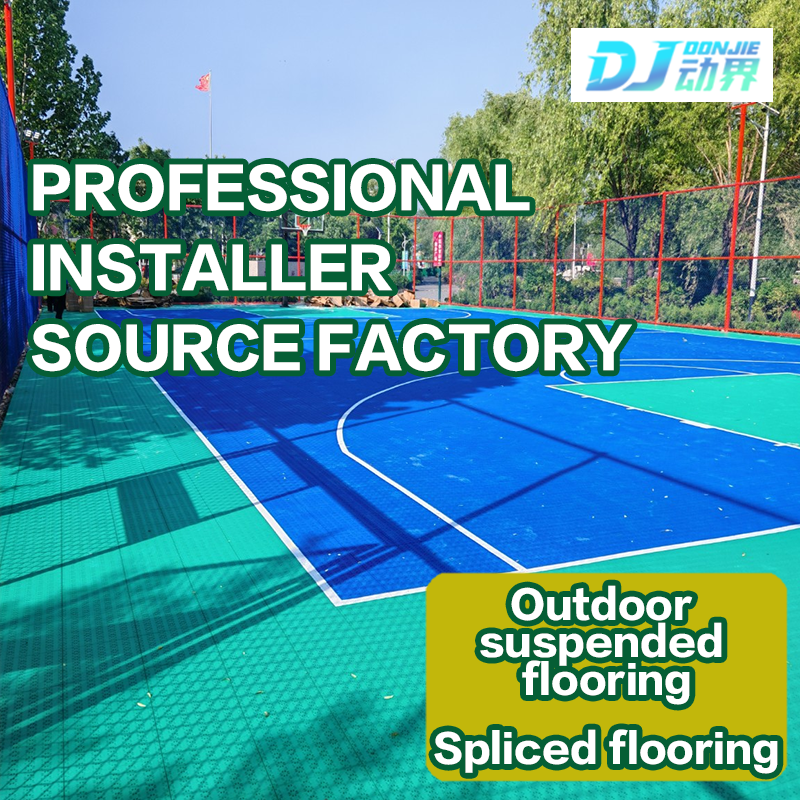
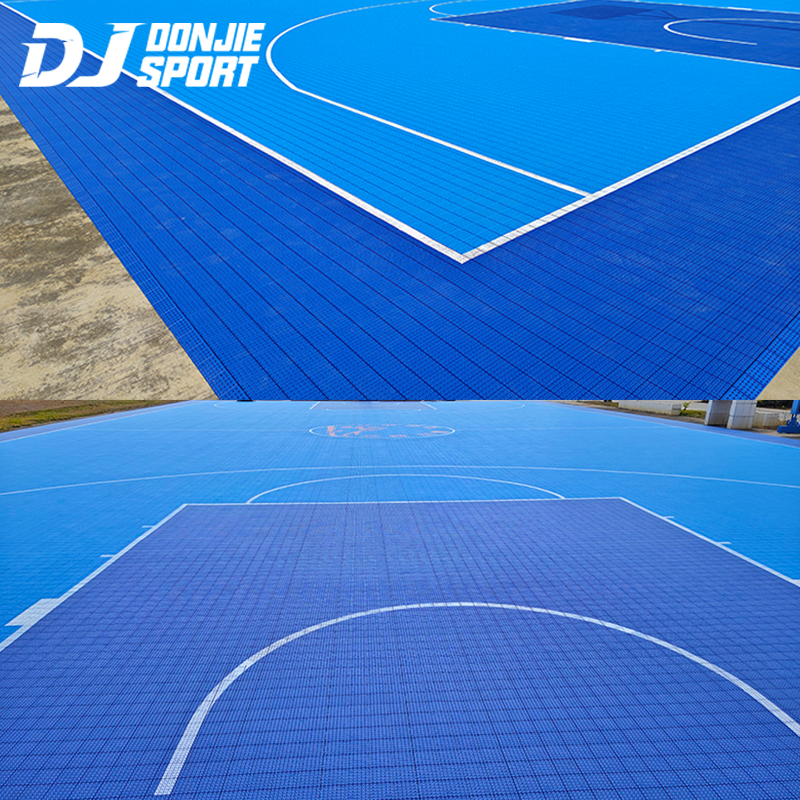
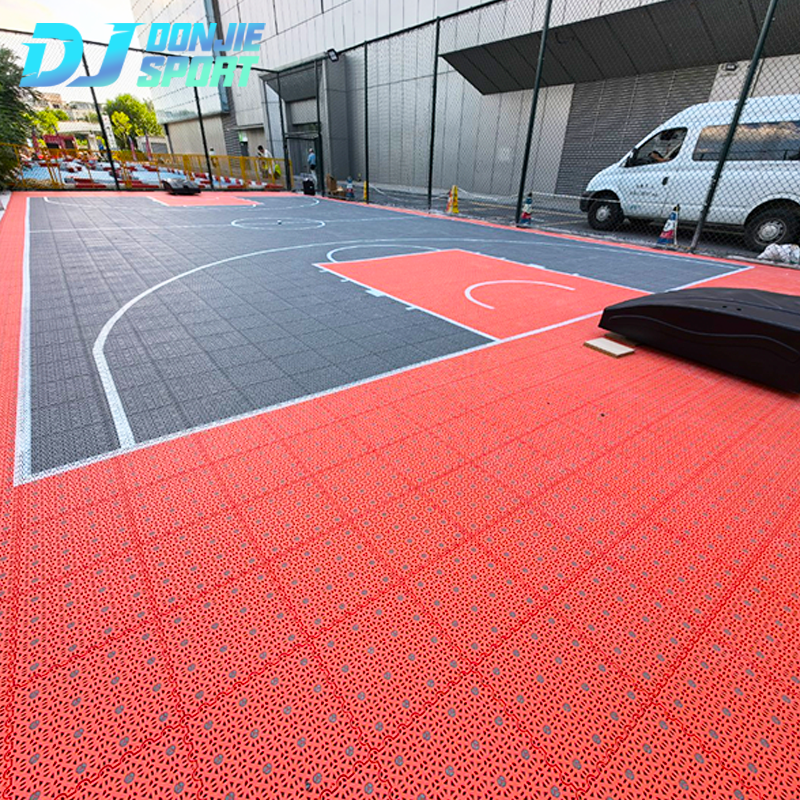
Interlocking tiles are one of the most popular choices for outdoor basketball courts due to their versatility and ease of installation. These tiles, typically made from rubber or PVC, interlock seamlessly, creating a durable, shock-absorbent surface. They are also resistant to weathering, UV rays, and moisture, making them ideal for outdoor use. Additionally, their easy installation process makes them cost-effective for both new constructions and upgrades.
Rubber Flooring
Rubber flooring provides excellent cushioning and shock absorption, which helps reduce the risk of injuries during play. This type of flooring is particularly beneficial for outdoor basketball courts because it also resists damage from extreme weather conditions and provides a slip-resistant surface. While rubber flooring can be more expensive than other materials, its durability and comfort make it a worthwhile investment for public spaces.
Polyurethane Coated Asphalt
Polyurethane-coated asphalt is a cost-effective option for public basketball courts. This surface is made by coating regular asphalt with a layer of polyurethane, which enhances its durability and weather resistance. Polyurethane coatings also offer smoothness and consistent playability, ensuring that the court remains functional for a long time. While it’s not as cushioned as rubber, it offers excellent grip and is ideal for courts that experience heavy use.
Sports Turf
Sports turf, often used for fields and tracks, is another flooring solution that can be adapted for outdoor basketball courts. While it may not be as common for basketball, turf can offer a soft, forgiving surface that reduces strain on joints. However, sports turf does require regular maintenance, such as brushing and cleaning, to ensure it remains in good condition. It is also more suitable for multi-use courts rather than dedicated basketball courts.
Concrete with Specialized Coatings
Concrete courts with specialized coatings are one of the most durable options available. Concrete is extremely sturdy and can withstand heavy foot traffic and various weather conditions. When coated with a protective layer, such as acrylic or polyurethane, it becomes more resilient to wear and tear, preventing cracks and fading. This option requires minimal maintenance but may not offer the same level of shock absorption as rubber or interlocking tiles.
How to Choose the Best Outdoor Flooring for Your Basketball Court
The best outdoor flooring for your basketball court ultimately depends on your location, usage, and budget. Here are some tips to guide your decision:
Consider Your Location: Is your court located in a region with extreme temperatures or frequent rainfall? If so, you may want to choose a flooring solution that is weather-resistant, such as interlocking tiles or rubber flooring.
Player Needs: What level of performance do you expect from the court? If the court is used for recreational play, a simple polyurethane-coated asphalt surface might suffice. However, if it’s used for more competitive play, you may want a flooring solution that offers superior grip and shock absorption, like rubber or interlocking tiles.
Installation and Maintenance: Some flooring options are easier to install and maintain than others. Interlocking tiles, for example, are easy to install and require minimal maintenance. On the other hand, concrete courts may require a higher upfront investment but can last for decades with proper care.
Maintaining Your Outdoor Basketball Court Flooring
Proper maintenance is crucial to prolonging the life of your outdoor basketball flooring. Here are some tips:
Regular Cleaning: Keep the court clean by removing debris such as leaves, dirt, and trash. This will help prevent the accumulation of materials that could damage the surface over time.
Check for Cracks or Damage: Regularly inspect the surface for any cracks, wear, or other signs of damage. If you spot any issues, address them promptly to avoid further deterioration.
Periodic Re-coating: Some surfaces, such as concrete or asphalt, may require re-coating every few years to maintain their appearance and functionality. Regularly apply protective coatings to extend the life of your flooring.
Conclusion
Choosing the best outdoor flooring solution for your basketball court is an important decision that impacts the court’s performance, safety, and durability. Whether you opt for interlocking tiles, rubber flooring, or polyurethane-coated asphalt, each material has its advantages depending on your specific needs. Remember to consider the climate, traffic volume, and maintenance requirements before making your final choice. With the right flooring, your public basketball court can provide years of safe, enjoyable play for athletes of all ages.