When it comes to building an outdoor basketball court, one of the most crucial decisions is selecting the right flooring material. Not only does the flooring affect the aesthetics of the court, but it also plays a significant role in player safety, performance, and long-term durability. Whether you’re constructing a public court, a private backyard court, or a multi-sport facility, understanding the different types of outdoor basketball flooring materials available is essential.
Choosing the proper flooring material is not just about cost, but about the quality of play, the safety of athletes, and the maintenance required over time. This guide will help you explore all the factors you should consider when making your decision and give you insights into the best materials for outdoor basketball courts.
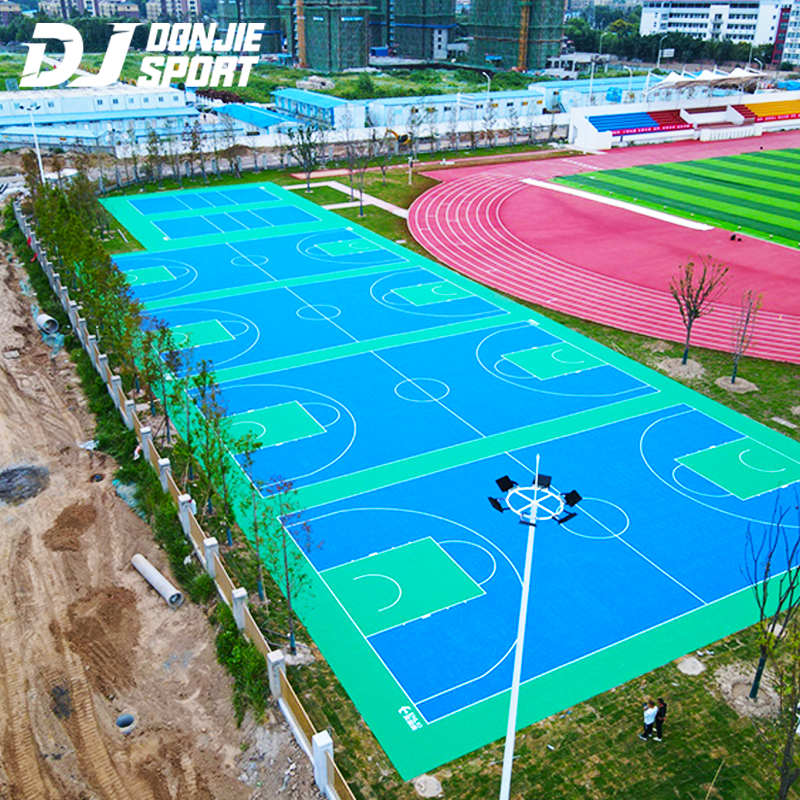
What is Outdoor Basketball Flooring?
Outdoor basketball flooring refers to the material used to cover the playing surface of an outdoor basketball court. Unlike indoor courts that often use wood or other specialized materials, outdoor flooring needs to withstand the elements and provide a safe and functional playing surface year-round.
Outdoor basketball courts require flooring that can endure exposure to rain, sun, and temperature fluctuations while still offering a stable, comfortable surface for players. The flooring material should provide adequate traction, shock absorption, and protection from injury while being easy to maintain.
Key Differences Between Outdoor and Indoor Flooring
The key difference between indoor and outdoor basketball flooring is primarily the material’s ability to withstand environmental conditions. Outdoor flooring must be weather-resistant, durable against UV rays, and capable of handling the harsh outdoor conditions like moisture and extreme temperatures. Indoor floors, on the other hand, focus more on aesthetics, smoothness, and performance under controlled conditions.
Types of Outdoor Basketball Flooring Materials
There are several types of materials commonly used for outdoor basketball courts, each with its own set of benefits and drawbacks. Let’s explore the most popular ones:
Rubber Flooring for Basketball Courts
Rubber flooring is one of the most popular choices for outdoor basketball courts. It is durable, weather-resistant, and provides excellent shock absorption. It also reduces the risk of injuries like ankle sprains due to its cushioning properties. Additionally, rubber flooring is slip-resistant and can perform well in various weather conditions.
Acrylic Outdoor Flooring
Acrylic flooring is another popular choice for outdoor basketball courts, especially in urban settings. Acrylic is known for its durability and excellent grip, offering a smooth and responsive playing surface. It is UV-resistant and can be easily cleaned. Acrylic courts are often used in professional and recreational settings because they provide a consistent surface that’s ideal for fast-paced games.
Polyurethane and Polypropylene Flooring Systems
Polyurethane and polypropylene flooring systems are designed for durability and longevity. These materials are resistant to abrasion and offer a non-porous surface, making them easy to clean and maintain. They are also highly resistant to extreme weather, including rain, heat, and cold, making them perfect for year-round outdoor use.
Interlocking Tile Systems
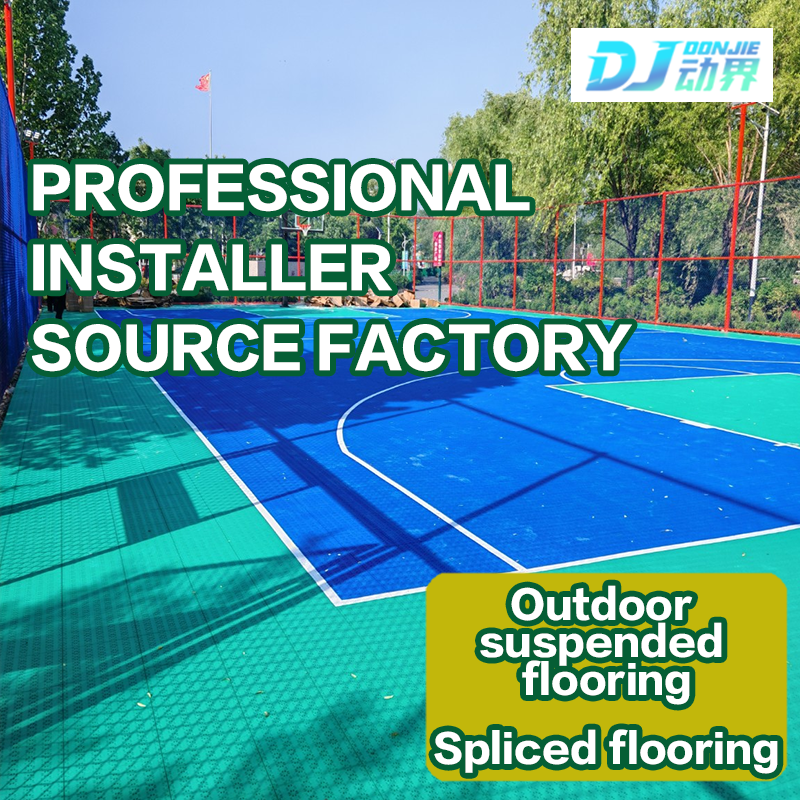
Interlocking tiles are another great option for outdoor basketball courts. These tiles are easy to install and maintain, with many offering a high level of slip resistance. The interlocking system allows for quick repairs, as individual tiles can be replaced if damaged. They also provide a cushioned surface, which can be beneficial for player safety.
Natural Grass vs. Synthetic Turf
While synthetic turf has been increasingly popular for outdoor courts, it’s worth noting the difference between it and natural grass. Synthetic turf is low maintenance, durable, and can be installed to mimic the look and feel of natural grass. However, natural grass courts require more maintenance and may not be as durable under heavy use.
Factors to Consider When Choosing Outdoor Basketball Flooring
When selecting the best outdoor basketball flooring for your court, several factors need to be taken into consideration:
Durability and Weather Resistance
Outdoor flooring must be able to endure exposure to the elements, including rain, UV rays, and extreme temperatures. Durable materials like rubber, acrylic, and polyurethane are great choices for this reason.
Safety Features and Player Performance
A key feature of any outdoor basketball court is safety. Flooring materials must provide adequate grip to prevent slips and falls. Shock absorption is equally important to reduce the risk of injury during gameplay.
Maintenance Requirements
Some outdoor flooring materials require regular maintenance to ensure they stay in good condition. Rubber and interlocking tile systems, for example, are relatively easy to clean and maintain. Acrylic and polyurethane, however, may require more care and occasional resurfacing.
Aesthetic and Design Options
Outdoor basketball courts often become a community focal point, so the design and aesthetic of the court are important. Flooring materials like acrylic offer a range of color options and can be customized to match the surrounding environment or team colors.
Pros and Cons of Different Outdoor Basketball Flooring Materials
Rubber Flooring: Pros and Cons
-
Pros: Great shock absorption, weather-resistant, slip-resistant, low maintenance.
-
Cons: Can be expensive, may fade over time, requires professional installation.
Acrylic Flooring: Pros and Cons
-
Pros: Durable, smooth surface for fast-paced play, easy to maintain, UV-resistant.
-
Cons: Can be slippery when wet, more costly to install.
Polyurethane/Polypropylene Flooring: Pros and Cons
-
Pros: Extremely durable, non-porous, resists extreme weather, low maintenance.
-
Cons: Can be costly, professional installation needed.
Interlocking Tiles: Pros and Cons
-
Pros: Easy to install and replace, slip-resistant, cushioning for player comfort.
-
Cons: Can be less durable in extreme weather conditions, may need replacement over time.
How Outdoor Basketball Flooring Affects Player Performance
The choice of flooring can significantly impact player performance. The traction, grip, and shock absorption properties of the flooring all contribute to how players move, jump, and land.
Traction and Grip
The right flooring material will offer the perfect balance of traction to prevent players from slipping during fast movements, yet not too sticky to hinder movement. Materials like acrylic and rubber flooring provide excellent traction for outdoor courts.
Shock Absorption and Comfort
Shock-absorbing materials like rubber or interlocking tiles can reduce the strain on a player’s joints. This makes the game more comfortable, especially during intense play or when landing from high jumps.
Temperature Regulation
Some materials, like synthetic turf or certain rubber flooring systems, are designed to reduce the heat absorption of the surface, which is important in hot climates. This helps keep the court cooler and more comfortable for players.

The Installation Process of Outdoor Basketball Flooring
Installing outdoor basketball flooring can be a complex process, depending on the material chosen. Generally, the steps include:
-
Preparing the Court Area: This involves leveling the surface and ensuring proper drainage to prevent water accumulation.
-
Laying Down Different Types of Flooring: Materials like interlocking tiles are easy to install, while rubber or acrylic flooring may require professional installation.
-
Maintenance Tips After Installation: Regular cleaning and care will prolong the lifespan of your outdoor basketball court flooring.
Cost Considerations
The cost of outdoor basketball flooring varies widely depending on the material you choose. Rubber flooring and synthetic turf tend to be on the higher end, while interlocking tiles and acrylic systems may offer more budget-friendly options. It’s important to balance initial cost with long-term durability, maintenance, and performance benefits.
How to Maintain Outdoor Basketball Flooring for Longevity
Cleaning and Routine Maintenance Tips
Keeping your outdoor basketball court clean is essential for maintaining its appearance and performance. Regular sweeping and washing will prevent debris buildup and keep the surface smooth.
Repairing Minor Damages
For materials like interlocking tiles or rubber, replacing damaged sections is straightforward. Acrylic and polyurethane may require touch-ups or resurfacing after extended wear.
Seasonal Care
Depending on the climate, you may need to take additional steps in winter to protect your flooring from snow and ice, as extreme cold can affect the performance of some materials.
Conclusion
Choosing the right outdoor basketball flooring is crucial for ensuring player safety, performance, and long-term durability. Whether you opt for rubber, acrylic, polyurethane, or interlocking tiles, each material offers distinct advantages depending on your needs and budget. With the right flooring, your outdoor basketball court can provide years of high-quality play and withstand the elements without compromising safety or performance.