When it comes to building or renovating an outdoor basketball court, choosing the right surface is vital for both the players’ performance and their safety. A high-quality basketball court surface not only enhances gameplay but also withstands the test of time, especially in challenging outdoor environments. With various flooring materials available, it’s important to understand the unique benefits each offers. Outdoor basketball court flooring options range from traditional concrete to interlocking basketball flooring tiles, each offering different levels of durability, cost, and maintenance. In this article, we’ll explore how basketball flooring tiles stand out as an excellent choice for outdoor courts and how you can select the best flooring for your needs.
The Benefits of Basketball Flooring Tiles for Outdoor Courts
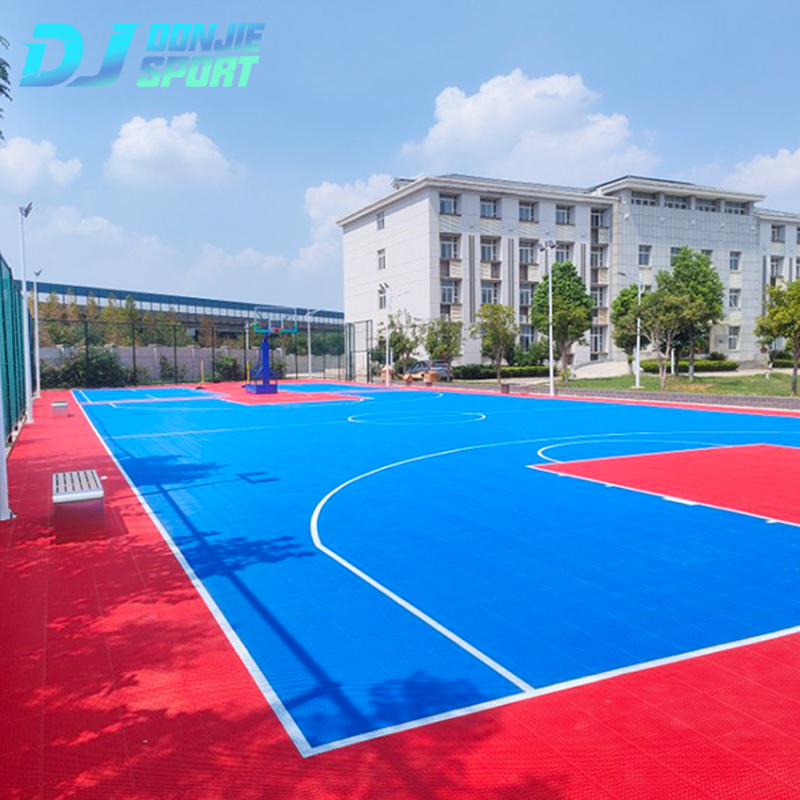
Basketball flooring tiles are increasingly becoming a popular choice for outdoor basketball courts due to their numerous advantages. First and foremost, they are incredibly durable and can withstand harsh outdoor conditions such as rain, snow, and intense UV rays. Traditional surfaces like concrete or asphalt can crack and degrade over time when exposed to these elements, but basketball flooring tiles are designed to be weather-resistant, making them a long-lasting solution for outdoor courts.
One of the most appealing features of these tiles is their ease of installation and maintenance. Unlike concrete or asphalt, which often require professional installation and long curing times, basketball flooring tiles can be laid down quickly without the need for specialized tools or skills. The interlocking nature of these tiles allows for easy replacement of damaged sections, making repairs a breeze.
Additionally, safety is a significant consideration when selecting a basketball court surface. Basketball flooring tiles are designed with features like slip-resistance and shock absorption, which help reduce the risk of injury during play. The cushioned surface provides better comfort for players, especially during high-impact movements like jumps and quick direction changes.
Factors to Consider When Choosing Outdoor Basketball Flooring Tiles
When selecting outdoor basketball flooring tiles, there are several key factors to keep in mind to ensure you make the best choice for your court.
Climate and Weather Conditions:
The local climate plays a major role in the longevity of your court surface. If your area experiences heavy rainfall, freezing temperatures, or high UV exposure, it’s important to choose a flooring material that can handle these elements. Basketball flooring tiles are often engineered to resist moisture and temperature fluctuations, which ensures they remain in excellent condition year-round.
Intended Usage and Frequency of Play:
The level of play on your court should also influence your flooring decision. For courts used by recreational players, you may want to prioritize comfort and safety, which are offered by cushioned basketball flooring tiles. For courts that will be used frequently by competitive players, durability and performance are crucial, and high-performance outdoor flooring tiles might be the right choice.
Budget Considerations:
While basketball flooring tiles may come at a higher initial cost compared to traditional surfaces like asphalt or concrete, the long-term benefits often outweigh the upfront expense. These tiles are low-maintenance, meaning you won’t have to worry about resurfacing or expensive repairs. Over time, they can be more cost-effective than traditional options that require frequent upkeep.
Top Materials for Outdoor Basketball Court Surfaces
In addition to basketball flooring tiles, there are other materials commonly used for outdoor basketball courts, each with its own pros and cons.
Concrete and Asphalt:
Concrete and asphalt are the most traditional choices for outdoor basketball courts. They are durable and relatively inexpensive. However, these materials can be hard on players’ joints and have a tendency to crack or degrade over time. Concrete surfaces also tend to be slippery when wet, increasing the risk of injury.
Rubberized Flooring:
Rubberized flooring offers superior shock absorption, making it a good choice for safety and comfort. While it can be more expensive than traditional surfaces, it offers excellent durability and slip resistance, which makes it ideal for high-traffic areas. However, rubber surfaces may require more maintenance over time and can be susceptible to fading under direct sunlight.
Interlocking Basketball Flooring Tiles:
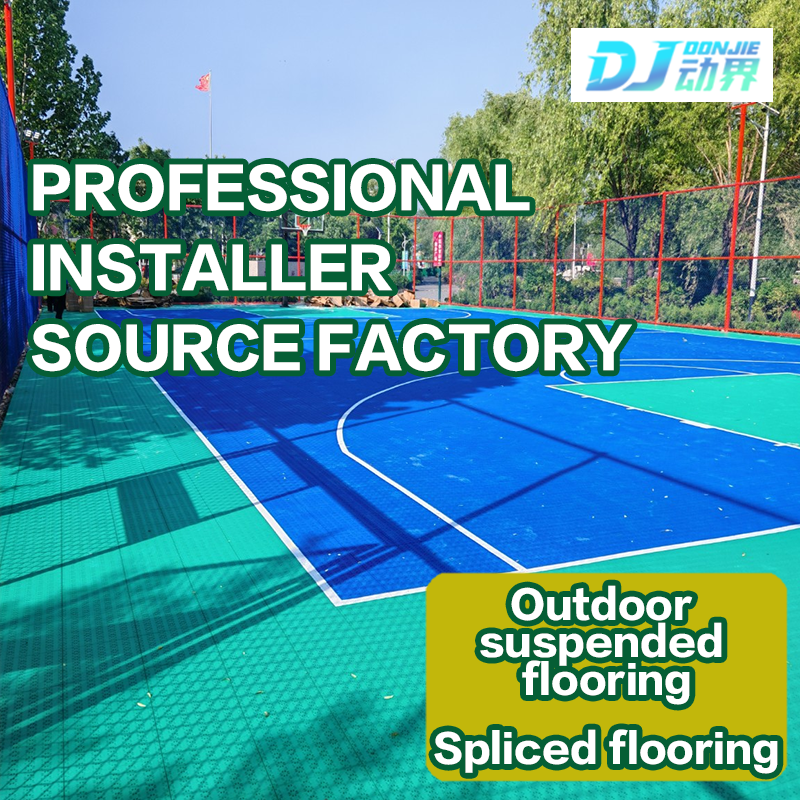
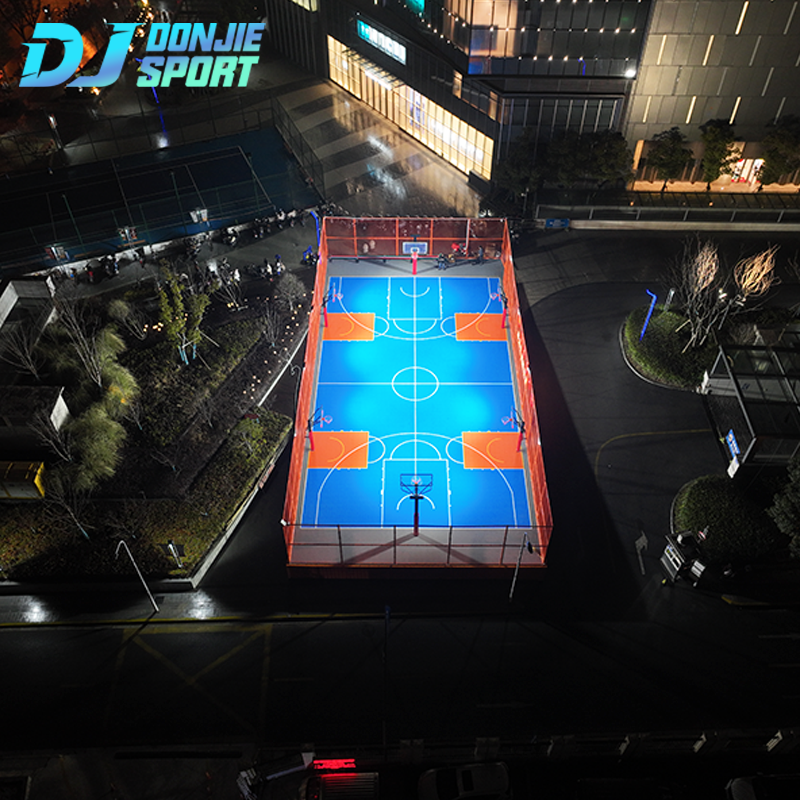
Interlocking basketball flooring tiles offer the best of both worlds: they are durable, weather-resistant, and provide excellent shock absorption and slip resistance. These tiles can be installed quickly without professional help and are easy to replace if damaged. Additionally, they come in a variety of colors and designs, allowing you to customize your court for a unique look. The flexibility and convenience of these tiles make them a popular choice for outdoor courts.
How to Install Outdoor Basketball Flooring Tiles
Installing outdoor basketball flooring tiles is a straightforward process that can be completed with minimal tools and expertise. Follow these steps to ensure a smooth installation:
-
Prepare the Ground:
Start by clearing the area where the court will be installed. Ensure the ground is level and free from any debris. For optimal drainage, you may need to create a slight slope to allow water to flow off the surface. -
Lay a Base Layer:
A stable base is essential for the long-term performance of your court. Typically, a layer of gravel or sand is laid down to promote proper drainage. If you’re installing on a solid surface like asphalt or concrete, this step may not be necessary. -
Install the Tiles:
Begin placing the interlocking tiles at one corner of the court, working your way across. The tiles should fit together easily, forming a seamless surface. Make sure the tiles are aligned properly to avoid any gaps or uneven sections. -
Finishing Touches:
Once the tiles are laid, double-check for any loose pieces and ensure that the entire surface is level. Some manufacturers recommend securing the edges of the tiles with a border, which helps prevent shifting during heavy use.
Maintenance and Care for Your Outdoor Basketball Court
Proper maintenance is essential for ensuring your outdoor basketball court remains in top condition. Basketball flooring tiles are relatively low-maintenance compared to other surfaces, but there are a few steps you can take to prolong their lifespan:
-
Regular Cleaning:
Sweep the court regularly to remove debris, leaves, and dirt. Occasionally, wash the surface with a mild soap solution and a soft brush to keep it looking new. Avoid using harsh chemicals that could damage the tiles. -
Inspect for Wear and Tear:
Check the tiles periodically for any signs of wear, cracks, or damage. If a tile is damaged, it can be easily replaced without having to redo the entire surface. -
Protect Against Extreme Conditions:
If your area experiences harsh weather conditions, such as extreme heat or freezing temperatures, consider covering your court during the off-season to protect the surface from potential damage.
Choosing Between Permanent and Temporary Flooring Options
In some cases, you may need to decide between permanent and temporary basketball flooring tiles.
Permanent Flooring:
Permanent outdoor basketball court flooring, such as poured concrete or asphalt, offers long-term durability but requires a larger initial investment and a more complex installation process. It’s ideal for locations with frequent play and where a permanent setup is needed.
Temporary Flooring:
Interlocking basketball flooring tiles, on the other hand, offer the flexibility to set up or remove the court as needed. This option is great for temporary installations, such as community events or portable outdoor courts. These tiles are easy to install and can be moved or replaced without significant costs.
Making the Best Decision for Your Outdoor Basketball Court
When choosing the right surface for your outdoor basketball court, basketball flooring tiles provide a flexible, durable, and safe solution that can meet a variety of needs. Whether you’re building a court for recreational use or competitive play, these tiles offer a range of benefits, from easy installation to low maintenance and excellent performance. By considering factors such as climate, usage, and budget, you can make an informed decision that ensures a long-lasting, high-quality basketball court for years to come.