
Outdoor basketball courts are exposed to constant environmental stress, making surface selection a critical decision. Choosing the right Outdoor Flooring for Basketball Courts ensures consistent playability, athlete safety, and long-term durability across all weather conditions. From intense summer heat to heavy rain and freezing winters, the right flooring system can dramatically improve performance and reduce maintenance costs.
Understanding Why Outdoor Flooring for Basketball Courts Matters in All Weather Conditions
Weather directly impacts how a basketball court performs. Rain can create slippery conditions, heat can soften or warp surfaces, and freezing temperatures can cause cracking and structural damage. High-quality Outdoor Flooring for Basketball Courts is engineered to withstand these challenges while maintaining traction, ball bounce, and player comfort. A well-chosen surface ensures that games remain safe and enjoyable regardless of seasonal changes.
Key Performance Requirements for Outdoor Flooring for Basketball Courts
All-weather basketball courts require flooring that meets several performance standards. Slip resistance is essential to prevent injuries during wet conditions. Shock absorption protects players’ joints during intense movement. Effective drainage prevents water accumulation, while UV resistance ensures the surface does not fade or degrade under prolonged sun exposure. Temperature stability is equally important, as Outdoor Flooring for Basketball Courts must perform consistently in both extreme heat and cold.
Modular Sports Tiles as a Leading Outdoor Flooring for Basketball Courts
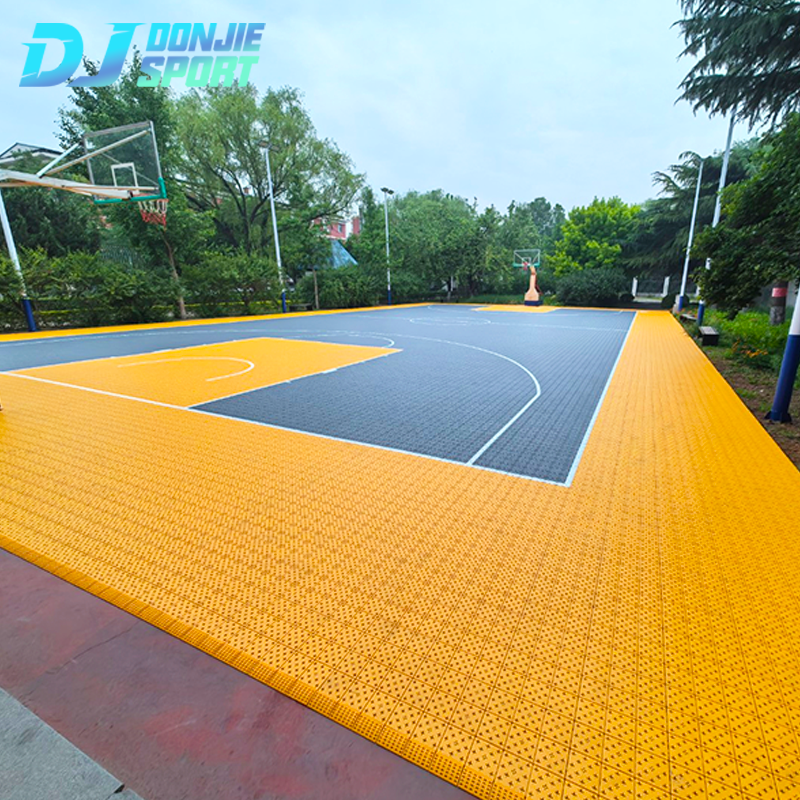
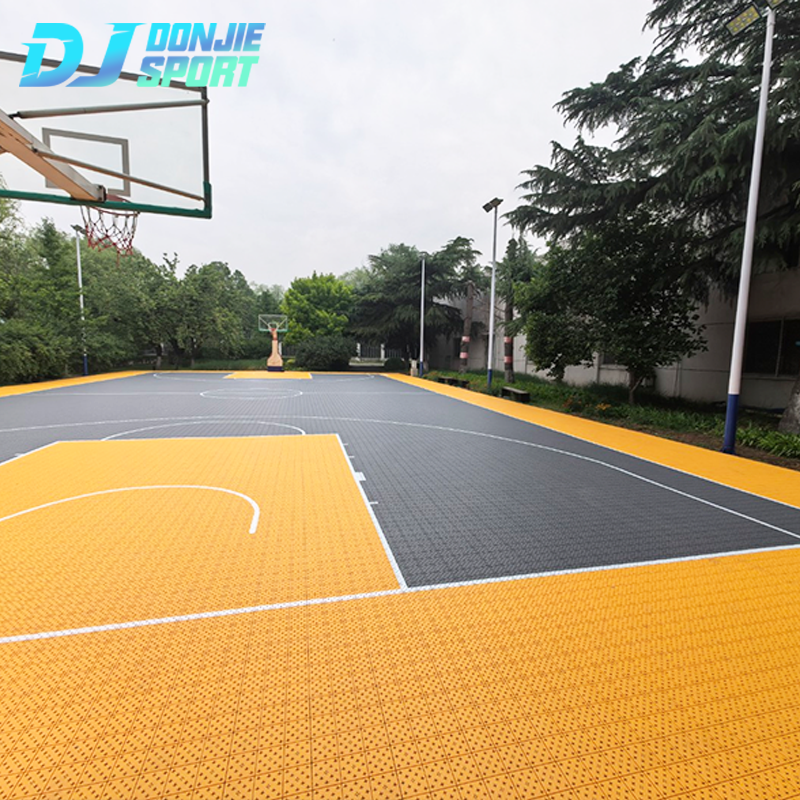
Modular sports tiles have become one of the most popular solutions for Outdoor Flooring for Basketball Courts in all climates. Their interlocking design allows water to drain efficiently through the surface, reducing puddles and downtime after rain. These tiles remain stable in high temperatures and resist cracking in cold environments. Additionally, modular systems are easy to install, replace, and maintain, making them ideal for schools, community courts, and residential installations.
Concrete-Based Outdoor Flooring for Basketball Courts and Its Limitations
Concrete is widely used due to its strength and affordability, but it has limitations when exposed to weather extremes. While durable, concrete Outdoor Flooring for Basketball Courts can crack under freeze-thaw cycles and become slippery when wet. Surface coatings and sealants can improve traction and weather resistance, but they require ongoing maintenance to remain effective.
Asphalt Outdoor Flooring for Basketball Courts in Variable Climates
Asphalt is another common option for Outdoor Flooring for Basketball Courts, particularly in public facilities. It offers a smoother surface than concrete and faster installation. However, asphalt can soften in high heat and become brittle in cold temperatures. Over time, exposure to moisture and UV rays can lead to surface deterioration, requiring regular resurfacing.
Rubberized Outdoor Flooring for Basketball Courts for Enhanced Comfort
Rubberized surfaces provide excellent shock absorption, making them a strong choice for player comfort and injury prevention. This type of Outdoor Flooring for Basketball Courts performs well in wet conditions and offers consistent traction. However, rubber surfaces can be sensitive to UV exposure and may require protective treatments to maintain performance in hot climates.
Acrylic-Coated Outdoor Flooring for Basketball Courts
Acrylic coatings are often applied over concrete or asphalt to enhance performance. Acrylic Outdoor Flooring for Basketball Courts provides improved traction, vibrant court colors, and predictable ball response. These coatings are designed to resist UV damage and moisture, making them suitable for regions with moderate to variable weather conditions.
Comparing Outdoor Flooring for Basketball Courts Across Weather Conditions
In hot climates, modular tiles and acrylic-coated systems resist heat-related damage better than asphalt. In cold regions, modular Outdoor Flooring for Basketball Courts performs well by allowing surface movement without cracking. Rainy and humid environments benefit from flooring systems with built-in drainage and moisture resistance, ensuring minimal disruption to play.
Maintenance Strategies to Extend the Life of Outdoor Flooring for Basketball Courts
Regular maintenance is essential for maximizing the lifespan of Outdoor Flooring for Basketball Courts. Seasonal inspections help identify early signs of wear, while routine cleaning prevents debris buildup that can affect traction and drainage. Addressing minor issues promptly reduces the risk of costly repairs caused by weather-related damage.
Choosing the Right Outdoor Flooring for Basketball Courts Based on Location and Usage
Selecting the best surface depends on court usage, climate, and budget. Residential courts may prioritize comfort and aesthetics, while schools and community facilities require durability and low maintenance. Investing in high-quality Outdoor Flooring for Basketball Courts delivers long-term value by reducing repairs and improving player satisfaction.
Final Thoughts on Investing in High-Quality Outdoor Flooring for Basketball Courts
All-weather performance should be a top priority when building or upgrading a basketball court. Durable, weather-resistant Outdoor Flooring for Basketball Courts ensures consistent play, enhances safety, and withstands environmental challenges year-round. By choosing the right surface, court owners can create a reliable and enjoyable playing environment for every season.



