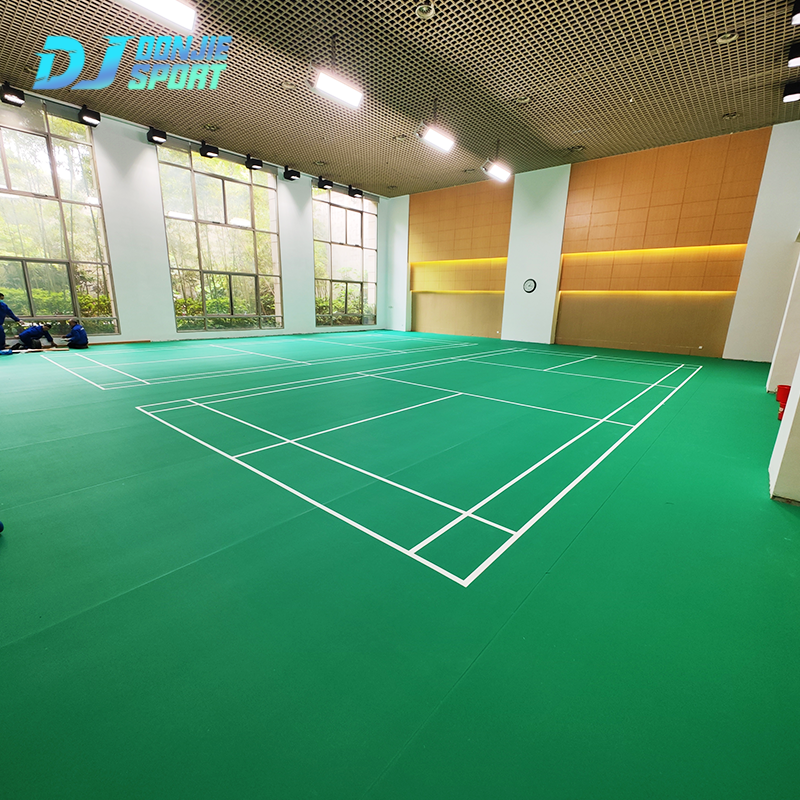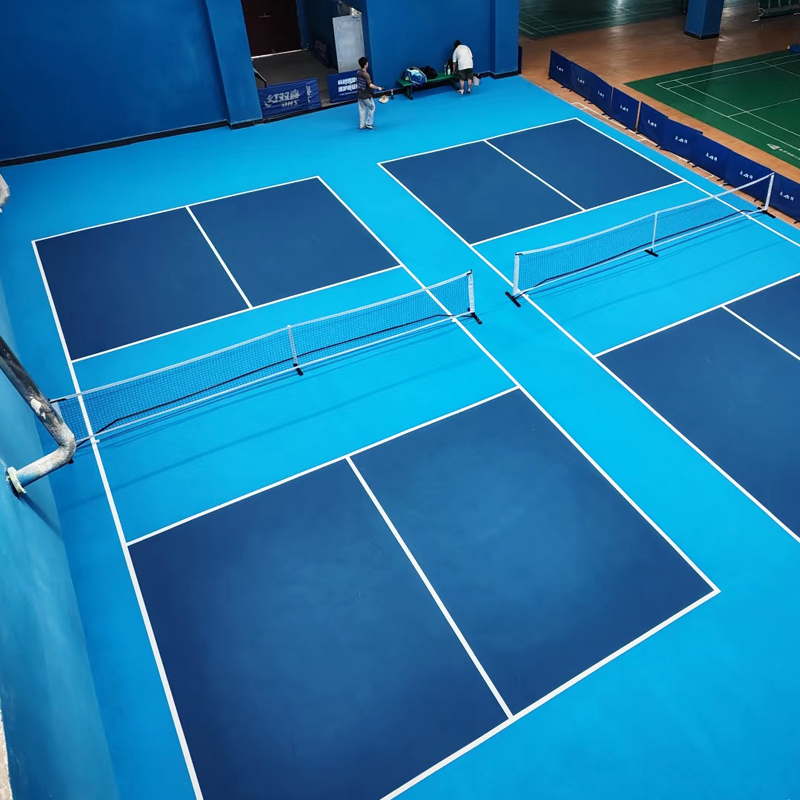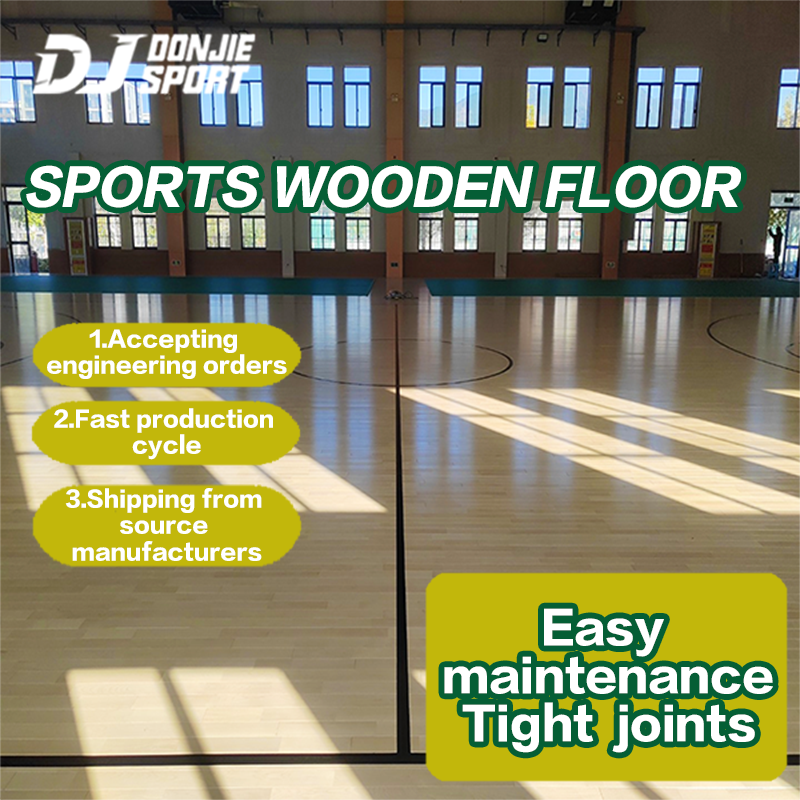
Dance Studio Floors are far more than a visual element of a rehearsal space. They directly influence dancer safety, technique, comfort, and long-term physical health. The right flooring material absorbs shock, controls slip, and supports controlled movement, while the wrong choice can increase injury risks and limit performance potential. Selecting suitable Dance Studio Floors begins with understanding how materials interact with different dance styles and physical demands.

Core Performance Factors Every Dance Studio Floors Must Deliver
All Dance Studio Floors should meet several essential performance criteria regardless of style. These include shock absorption to reduce stress on joints, controlled traction to prevent slipping or sticking, durability to withstand repetitive movement, and surface consistency to ensure reliable footwork. High-quality Dance Studio Floors balance these factors to create a safe and responsive environment for dancers at every level.
Sprung Dance Studio Floors and Their Role in Injury Prevention
Sprung Dance Studio Floors are designed with a flexible subfloor system that absorbs impact and returns energy to the dancer. This structure significantly reduces strain on ankles, knees, and lower backs. Sprung Dance Studio Floors are particularly beneficial for ballet, contemporary, and jazz, where repeated jumps and landings are common. When paired with a suitable surface layer, sprung systems form the foundation of a professional dance environment.
Vinyl Dance Studio Floors for Multi-Style Versatility
Vinyl Dance Studio Floors are widely used due to their versatility and consistent performance. They offer controlled slip, easy maintenance, and compatibility with sprung subfloors. Vinyl Dance Studio Floors support a wide range of styles, including contemporary, jazz, hip hop, and modern dance. Their durability makes them ideal for studios hosting multiple classes throughout the day.
Marley Dance Studio Floors as the Industry Standard
Marley Dance Studio Floors are a specialized type of vinyl flooring developed specifically for dance. Known for predictable traction and smooth movement, Marley Dance Studio Floors are a preferred choice for ballet and contemporary studios. They reduce the risk of slipping while allowing clean turns and transitions. Many professional companies and training institutions rely on Marley Dance Studio Floors for consistent performance quality.
Hardwood Dance Studio Floors for Traditional and Ballroom Dance
Hardwood Dance Studio Floors provide a classic aesthetic and responsive surface, particularly suitable for ballroom, tap, and folk dance styles. Maple and oak are common hardwood choices due to their strength and durability. Hardwood Dance Studio Floors often require a sprung subfloor to meet safety standards, especially in studios with frequent jumping or percussive movement.
Engineered Wood Dance Studio Floors for Modern Studios
Engineered wood Dance Studio Floors combine the visual appeal of hardwood with improved dimensional stability. These floors are less susceptible to humidity changes and offer consistent performance year-round. Engineered wood Dance Studio Floors are well-suited for studios seeking elegance without sacrificing durability or safety when installed over proper subfloor systems.
Rubber Dance Studio Floors for High-Impact Dance Styles
Rubber Dance Studio Floors are designed to absorb high levels of impact and reduce noise. They are commonly used for hip hop, breakdance, and fitness-based dance programs. Rubber Dance Studio Floors offer excellent shock absorption, making them suitable for powerful movements and floor work. However, traction levels must be carefully selected to avoid restricting fluid motion.
Portable Dance Studio Floors for Temporary and Touring Spaces
Portable Dance Studio Floors provide flexibility for studios that host events, workshops, or touring performances. These modular systems are easy to install and remove while maintaining consistent surface quality. Portable Dance Studio Floors are available in vinyl, Marley, and engineered panels, allowing studios to adapt to changing needs without permanent construction.
Matching Dance Styles with the Right Dance Studio Floors
Different dance styles place unique demands on Dance Studio Floors. Ballet requires controlled slip and shock absorption, while tap needs sound clarity and surface resilience. Hip hop benefits from durable, impact-resistant flooring, while contemporary demands smooth transitions and joint protection. Selecting Dance Studio Floors based on specific styles ensures optimal performance and dancer safety.
Installation Considerations That Affect Dance Studio Floors Performance
Proper installation is critical to the success of Dance Studio Floors. Subfloor preparation, moisture control, and expansion allowances all influence long-term performance. Professionally installed Dance Studio Floors deliver consistent results and reduce maintenance issues. Ignoring installation standards can compromise even the highest-quality materials.

Maintenance Requirements for Long-Lasting Dance Studio Floors
Routine maintenance preserves the performance and appearance of Dance Studio Floors. Regular cleaning removes dust that affects traction, while proper care prevents surface damage. Vinyl and Marley Dance Studio Floors typically require minimal upkeep, while wood Dance Studio Floors may need refinishing over time to maintain optimal conditions.
Cost Considerations When Selecting Dance Studio Floors
Budget plays an important role when choosing Dance Studio Floors, but cost should be evaluated alongside lifespan and safety benefits. Lower-cost options may require frequent replacement or lead to higher injury risks. Investing in high-quality Dance Studio Floors often results in lower long-term expenses and improved dancer satisfaction.
Sustainability and Eco-Friendly Dance Studio Floors Options
Sustainable Dance Studio Floors are becoming increasingly popular as studios prioritize environmental responsibility. Recyclable vinyl, responsibly sourced wood, and low-emission adhesives contribute to healthier indoor environments. Eco-friendly Dance Studio Floors support both dancer well-being and long-term sustainability goals.
How to Choose Dance Studio Floors That Support Long-Term Growth
Selecting Dance Studio Floors is a strategic decision that impacts a studio’s reputation, safety standards, and teaching quality. By considering dance styles, usage intensity, installation quality, and maintenance needs, studio owners can choose Dance Studio Floors that support growth and professional excellence for years to come.