Selecting the right Dance Studio Floors is one of the most important decisions studio owners and instructors can make. From the controlled precision of ballet to the explosive power of hip-hop, different dance styles place unique demands on flooring systems. High-quality Dance Studio Floors not only enhance performance but also play a critical role in injury prevention, comfort, and long-term studio success. Understanding how each flooring option supports movement, balance, and impact absorption is essential for creating a professional training environment.
Understanding Why Dance Studio Floors Matter for Every Dance Discipline
Dance Studio Floors serve as the foundation for every movement, jump, and turn performed in a studio. Poor flooring choices can increase the risk of joint stress, muscle fatigue, and long-term injuries. Well-designed Dance Studio Floors provide consistent traction, proper energy return, and shock absorption that protects dancers at all levels. Whether training beginners or professionals, studios benefit from flooring systems that align with biomechanical needs and performance goals.
Key Factors to Consider When Choosing Dance Studio Floors
When evaluating Dance Studio Floors, several factors must be considered. Shock absorption is essential for reducing impact on ankles, knees, and hips. Slip resistance ensures dancers can pivot and glide without losing control. Durability determines how well Dance Studio Floors withstand daily rehearsals, while maintenance requirements affect long-term costs. A balanced combination of these elements creates a safer and more efficient dance environment.
Sprung Wood Dance Studio Floors for Classical Ballet and Contemporary Dance
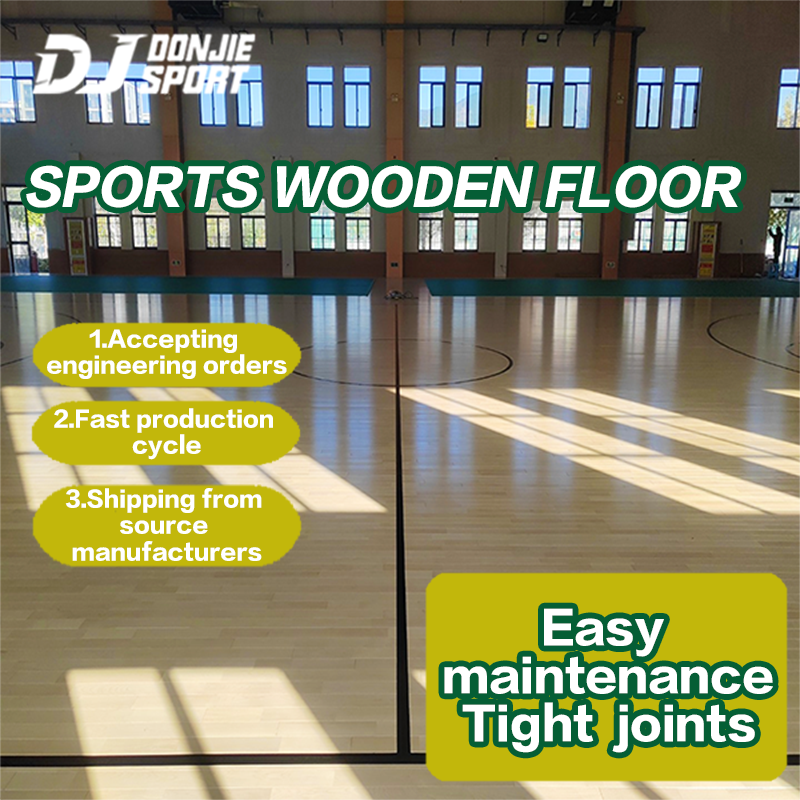
Sprung wood Dance Studio Floors are widely regarded as the gold standard for ballet and contemporary training. These systems use a layered construction that allows the floor to flex slightly under impact, reducing stress on joints. Wood-based Dance Studio Floors offer excellent energy return, making them ideal for jumps, landings, and extended rehearsals. Their natural feel and stability support precise footwork and alignment, which are essential for classical techniques.
Vinyl Dance Studio Floors Designed for Versatility and Multi-Style Training
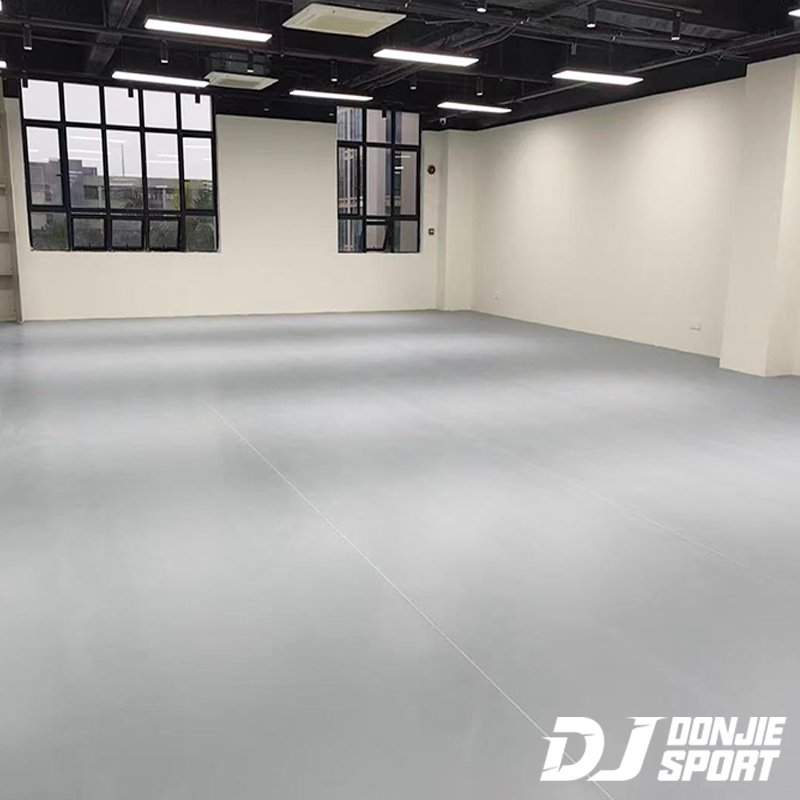
Vinyl Dance Studio Floors, often referred to as Marley-style surfaces, are among the most versatile options available. These Dance Studio Floors are commonly installed over sprung subfloors, combining cushioning with a smooth, controlled surface. Vinyl Dance Studio Floors work well for ballet, jazz, contemporary, and even light hip-hop, offering consistent traction and easy maintenance. Studios that host multiple classes benefit from the adaptability of this flooring solution.
Cushioned PVC Dance Studio Floors for Hip-Hop and Street Dance
Hip-hop and street dance demand Dance Studio Floors that can handle high-impact movements, fast footwork, and dynamic floor work. Cushioned PVC Dance Studio Floors are engineered to absorb shock while maintaining durability. These floors reduce fatigue during repetitive movements and provide a stable surface for spins, slides, and drops. For studios specializing in urban dance styles, PVC Dance Studio Floors offer an excellent balance of comfort and resilience.
Rubber-Based Dance Studio Floors for High-Energy Rehearsals
Rubber Dance Studio Floors are commonly used in spaces that combine dance training with conditioning or cross-training. These floors provide superior impact absorption and slip resistance, making them suitable for high-energy rehearsals. While rubber Dance Studio Floors may not be ideal for all styles, they are effective in studios that emphasize strength, flexibility, and intensive movement patterns.
Modular Tile Dance Studio Floors for Flexible and Multi-Purpose Spaces
Modular tile Dance Studio Floors offer flexibility for studios that require adaptable layouts. These interlocking systems are easy to install, remove, and reconfigure, making them ideal for temporary spaces or multi-purpose facilities. Modular Dance Studio Floors come in a variety of materials and finishes, allowing studios to customize performance characteristics while maintaining portability and durability.
Comparing Dance Studio Floors Across Styles and Performance Needs
Different dance styles require different performance characteristics from Dance Studio Floors. Ballet favors sprung systems with smooth surfaces, while hip-hop benefits from cushioned, high-impact-resistant flooring. Jazz and contemporary demand versatility and controlled traction. By understanding how Dance Studio Floors perform across disciplines, studio owners can select solutions that accommodate diverse training programs without compromising safety.

Maintenance Tips to Extend the Life of Dance Studio Floors
Proper maintenance ensures Dance Studio Floors retain their performance qualities over time. Regular cleaning removes dust and debris that can affect traction. Using manufacturer-approved products prevents surface damage. Consistent care not only extends the lifespan of Dance Studio Floors but also maintains a professional appearance that reflects studio quality.
How to Select the Best Dance Studio Floors for Your Studio’s Future
Choosing Dance Studio Floors is an investment in both dancer well-being and studio reputation. The best approach considers current needs while planning for future growth. Studios that anticipate expanding class offerings should prioritize adaptable Dance Studio Floors that support multiple styles. Balancing performance, durability, and cost ensures long-term value.