Choosing the right Dance Studio Floors is one of the most important investments a studio owner can make. Flooring directly affects dancer safety, performance quality, and the overall professionalism of the studio environment. Unlike standard commercial floors, Dance Studio Floors are engineered to support repetitive movement, high-impact landings, and precise footwork while reducing the risk of injury.

Why Choosing the Right Dance Studio Floors Is a Critical Decision
Dance studios are high-performance spaces. Every jump, turn, and landing places stress on the body, making the quality of Dance Studio Floors essential. The wrong flooring can lead to chronic injuries, fatigue, and decreased dancer confidence, while the right solution enhances both safety and artistic expression.
Understanding the Purpose of Dance Studio Floors
Dance Studio Floors are designed to absorb impact, provide controlled traction, and support fluid movement. They work as a system rather than a single surface, distributing force evenly across the floor to protect joints and muscles. This balance allows dancers to move freely without fear of slipping or excessive strain.
Safety First: Essential Safety Features in Dance Studio Floors
Safety is the foundation of effective Dance Studio Floors. Proper shock absorption minimizes impact forces during jumps and landings, significantly reducing injury risks. Equally important is slip resistance that offers controlled glide, allowing dancers to execute turns without losing balance. Well-designed Dance Studio Floors protect critical joints, helping dancers train longer and more comfortably.
Performance Enhancement Through High-Quality Dance Studio Floors
Performance and safety go hand in hand. High-quality Dance Studio Floors provide consistent responsiveness, enabling dancers to maintain rhythm and precision. Energy return from the floor reduces muscle fatigue, making rehearsals more efficient and performances more powerful.
The Importance of Subfloor Systems in Dance Studio Floors
The subfloor is the hidden core of professional Dance Studio Floors. Sprung subfloor systems absorb shock and distribute weight evenly, making them ideal for long-term dancer health. Whether portable or permanently installed, a well-designed subfloor elevates the performance of the entire flooring system.
Material Options for Dance Studio Floors and Their Features
Different materials serve different purposes in Dance Studio Floors. Vinyl flooring is popular for its durability and adaptability across multiple dance styles. Hardwood surfaces are often preferred for classical and contemporary dance due to their natural feel and acoustic properties. Engineered flooring solutions combine modern materials with performance-driven design for specialized studio needs.
Matching Dance Studio Floors to Different Dance Styles
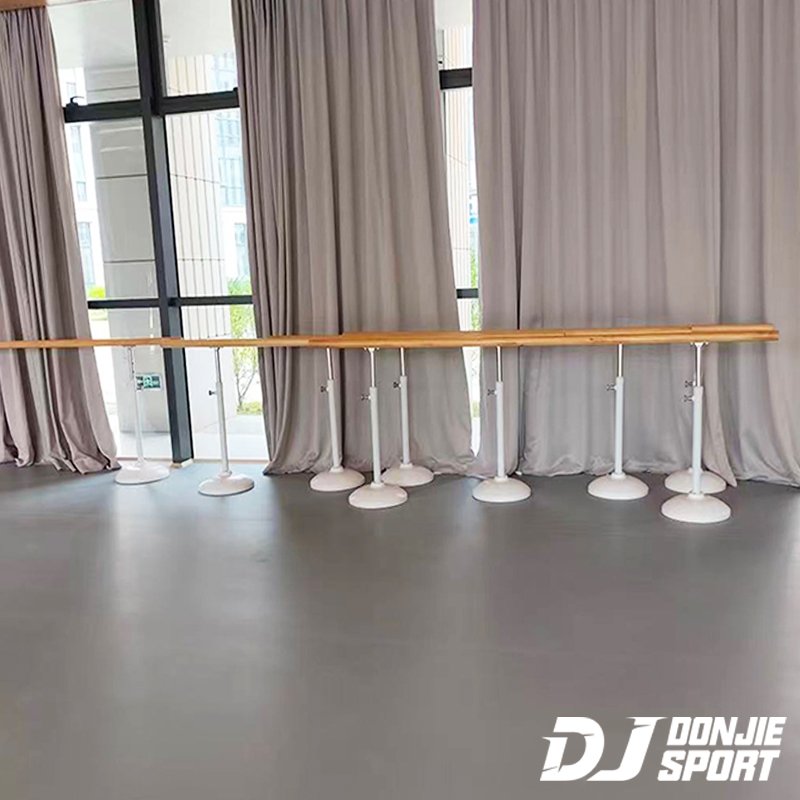
Each dance style places unique demands on flooring. Ballet requires smooth, stable Dance Studio Floors that support precise footwork and balance. Hip-hop and jazz demand higher durability and traction to handle dynamic movements. Multi-purpose Dance Studio Floors offer flexibility for studios hosting a variety of classes.
Durability and Maintenance Considerations for Dance Studio Floors
Dance studios experience constant foot traffic, making durability a key factor. High-quality Dance Studio Floors resist wear while maintaining consistent performance. Easy maintenance routines and long-term cost efficiency ensure that studios can focus on training rather than frequent repairs or replacements.
Acoustic and Environmental Factors in Dance Studio Floors
Sound control is often overlooked but crucial. Professional Dance Studio Floors help reduce noise and vibration, creating a more comfortable environment for dancers and instructors. Low-emission materials improve indoor air quality, while temperature-stable surfaces enhance comfort during extended practice sessions.
Customization and Aesthetic Options for Dance Studio Floors
Modern Dance Studio Floors offer extensive customization options. From color choices to surface finishes, studios can align flooring aesthetics with their brand identity. A visually appealing floor enhances the studio atmosphere while maintaining professional-grade performance.
Budget Planning Without Compromising Dance Studio Floor Quality
While budget is always a consideration, cutting corners on Dance Studio Floors can lead to higher costs over time. Investing in quality materials and proper installation ensures long-term value, safety, and adaptability as the studio grows.
Making a Smart, Long-Term Choice for Dance Studio Floors
Selecting the right Dance Studio Floors requires careful evaluation of safety, performance, durability, and style-specific needs. A well-informed decision supports dancer health, enhances training quality, and elevates the studio’s professional reputation for years to come.