Dancers often spend countless hours honing their craft, and the environment in which they practice plays a crucial role in their development. Among the most important elements of this environment is the dance floor. The right practice dance floor not only provides a safe surface but also enhances a dancer’s ability to perfect their movements, build strength, and develop muscle memory. This article explores the significance of practice dance floors and how they contribute to a dancer’s overall performance. Whether you’re an aspiring dancer or a professional, understanding the impact of a high-quality dance floor can be the key to taking your skills to the next level.

Enhancing Technique with the Right Surface
A dancer’s technique is fundamentally tied to the surface they practice on. The right practice dance floor provides the ideal balance between traction and smoothness, which helps dancers perfect their movements. For instance, floors that are too slippery can hinder foot placement and control, while floors that are too sticky may restrict a dancer’s flow and flexibility.
When it comes to footwork, the right surface allows for better precision, making it easier for dancers to execute intricate moves with accuracy. For ballet dancers, the floor must offer enough resistance to allow for smooth pirouettes, while still providing adequate grip to avoid slipping during leaps or landings. On the other hand, hip-hop dancers often require a floor that gives them the ability to slide and pivot, offering a level of smoothness that complements their style.
Additionally, shock absorption is a key feature in practice dance floors. Floors with proper cushioning reduce the impact on joints, particularly the knees, ankles, and feet, which are highly susceptible to strain during high-impact movements. Over time, consistent use of a cushioned floor helps in preserving a dancer’s body and improves overall movement technique.
Safety First: Reducing Injuries Through Proper Flooring
One of the most critical aspects of practice dance floors is their role in safety. Proper flooring helps prevent injuries, which are an unfortunate reality for many dancers. When a floor is too hard, dancers are at risk of stress fractures, joint pain, and sprains, especially when performing jumps, landings, or complex footwork.
Dance floors that feature shock-absorbing materials, such as sprung or cushioned floors, reduce the intensity of the impact during landings. This protective layer minimizes strain on the body, especially during repetitive movements like jumps or turns. A soft, supportive floor can make a significant difference in the long-term health of a dancer’s muscles and joints.
Moreover, high-quality dance floors also help prevent slips and falls. Whether it’s a polished wood surface, vinyl, or another specialized dance floor material, traction is vital. Floors that provide proper grip ensure that dancers can push off the surface with confidence, avoiding slips that can result in injury. By creating an environment where dancers can move freely and safely, the right floor empowers them to perform at their best.
Improving Performance through Consistency
Consistency is a crucial factor in a dancer’s training. The more familiar a dancer is with the surface they practice on, the better they can adjust their technique to suit that environment. A consistent practice dance floor allows dancers to develop muscle memory, which is vital for mastering complex routines and movements.
By always training on the same type of surface, dancers can make subtle adjustments to their form, knowing exactly how their body will interact with the floor. This consistent practice leads to greater efficiency in movement, faster skill acquisition, and increased confidence. For instance, when a dancer has mastered their pirouettes on a specific surface, they are less likely to struggle with balance and control in different settings, as they’ve already adapted to the floor’s specific properties.
Mental focus also plays a significant role in performance. Practicing on the same floor every day helps dancers feel secure and comfortable, reducing the cognitive load of constantly adjusting to new surfaces. As a result, they can dedicate more energy to perfecting their movements and performance, without being distracted by the floor beneath them.
How Flooring Affects Dance Styles
Not all dance styles are the same, and the type of floor needed can vary based on the technique, intensity, and demands of the style. For ballet dancers, a smooth, sprung floor is essential. The cushioning provides the necessary support for long hours of practice while still offering the smoothness required for graceful glides, jumps, and pirouettes.
For hip-hop and street dancers, the need for a floor that allows for more textured movement is important. These dancers often perform quick footwork, slides, and spins that require a surface with moderate resistance. A slightly grippy floor prevents slipping, ensuring that the dancer can maintain full control during rapid movements.
Contemporary and jazz dancers, who often perform a mixture of floor work, jumps, and spins, require a versatile floor that balances cushioning with traction. A floor that offers some bounce and flexibility is ideal for these styles, as it provides the support needed for high jumps and quick transitions while ensuring fluidity during floor-based movements.
The Role of Floor Maintenance in Performance
A well-maintained practice dance floor is essential for ensuring optimal performance and safety. Over time, dirt, dust, and wear and tear can affect the surface of the floor, compromising its traction and cushioning. Regular cleaning and upkeep are necessary to preserve the integrity of the dance floor.
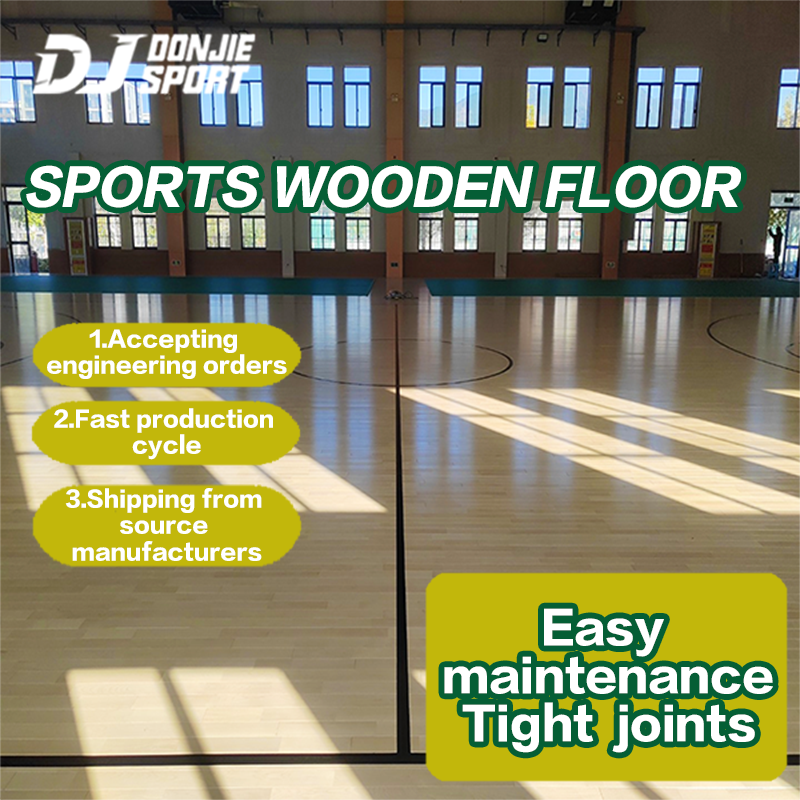
For example, wood floors should be polished and refinished periodically to maintain their smoothness and prevent splinters. Vinyl or rubber floors, while low-maintenance, still require regular cleaning to remove dirt and grime, which can affect the floor’s grip and appearance. Additionally, keeping the floor free from debris ensures that dancers have a clean, safe surface to work with.
Proper floor maintenance also contributes to longevity. A high-quality dance floor is an investment that can last for many years, but only if it is well cared for. By addressing small issues before they become major problems, dance studios can extend the lifespan of their floors and continue to provide a safe, optimal training environment for dancers.

The Economic and Practical Considerations
While investing in a high-quality practice dance floor may seem like a significant expense, the long-term benefits far outweigh the initial cost. A durable, safe, and functional floor will provide years of service, saving money in the long run by reducing the likelihood of injuries and the need for frequent floor replacements.
Furthermore, dance studios can also choose from a variety of cost-effective flooring options, such as vinyl or cushioned mats, which offer many of the same benefits as more expensive options. The key is to select a floor that meets the specific needs of the dancers and the style of dance practiced.
For independent dancers, portable flooring options are available, making it easy to set up and practice in any environment. These options are especially useful for those who practice at home or in temporary locations. Whether for professional studios or home use, the right dance floor can be a wise investment that pays off in terms of both safety and performance.
Conclusion
A practice dance floor is far more than just a surface to dance on—it’s a critical tool that shapes a dancer’s technique, safety, and overall performance. The right floor allows dancers to push their limits, build muscle memory, and train with confidence. Whether it’s reducing the risk of injuries or providing the perfect surface for each style of dance, investing in a quality practice dance floor is essential for any serious dancer. By prioritizing the right flooring, dancers can focus on perfecting their craft and reaching new heights in their performances.