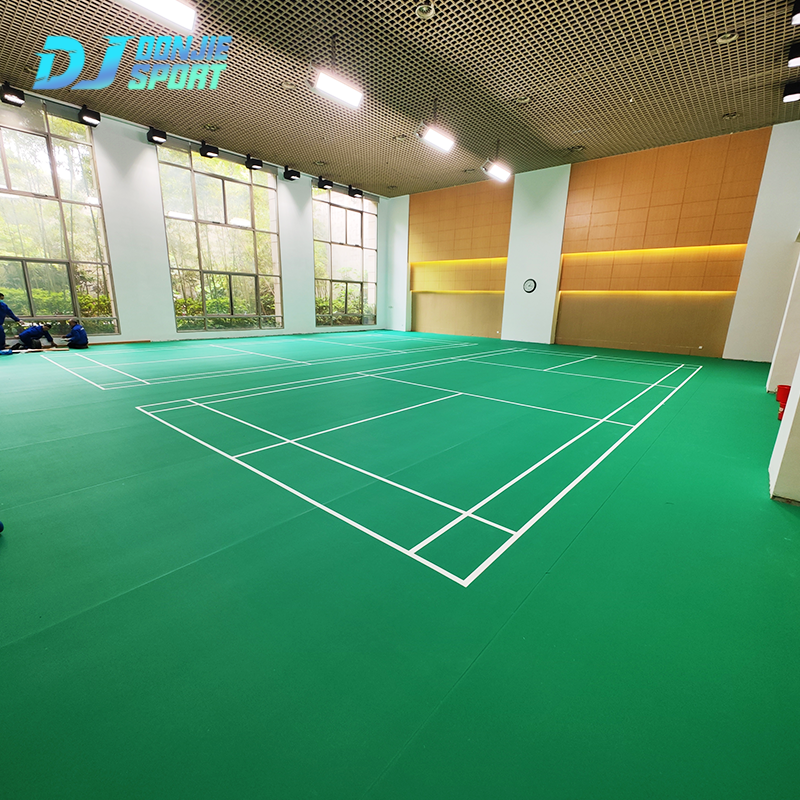
Selecting the right flooring for your dance studio is more than just a design choice; it’s a key factor in creating a safe and efficient environment for dancers. Professional dance studio floors are specifically engineered to meet the demands of different dance styles while offering benefits like safety, performance enhancement, and durability. In this blog, we’ll explore the top reasons why installing professional dance studio floors is a smart investment for any studio owner or dance enthusiast.
Enhanced Safety for Dancers
Reduced Injury Risks with Shock Absorption
A key benefit of professional dance studio floors is their ability to reduce the risk of injuries. High-quality floors are designed with shock-absorbing properties that cushion the impact of jumps and landings, significantly lowering the chances of joint stress and other impact-related injuries. Dancers who practice on floors without adequate shock absorption are more prone to conditions like shin splints, ankle sprains, and knee issues.
Slip Resistance
Professional dance floors are specifically constructed to offer the right amount of grip for dancers. Floors that are too slippery or too sticky can lead to falls, accidents, and hinder performance. With the perfect balance of friction, dancers can perform intricate footwork with confidence, knowing their movements are supported by a safe surface.
Surface Consistency
Professional floors are also designed to provide an even, stable surface. Uneven floors, whether due to improper installation or low-quality materials, can affect dancers’ balance and coordination. A consistent surface prevents unnecessary strain on muscles and joints, ensuring dancers are able to perform at their best.
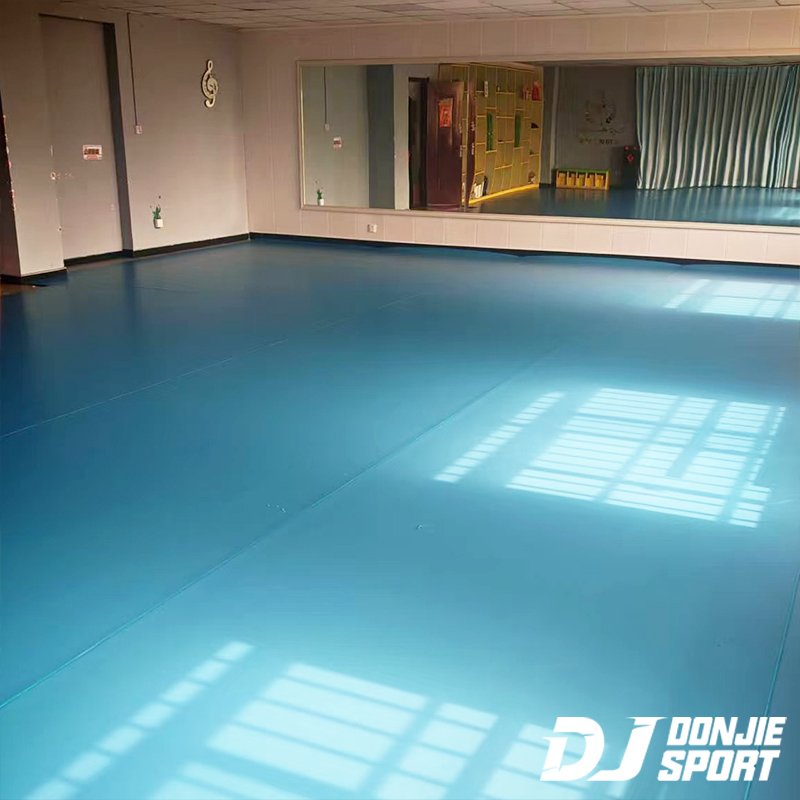
Improved Dance Performance
Enhanced Movement Fluidity
The right flooring allows dancers to move freely and fluidly. Whether it’s a ballet pirouette or a hip-hop slide, a professional dance floor provides a surface that enhances every step and movement. Floors that are too soft or too hard can create friction, hindering smooth movements. Professional floors are engineered to offer the perfect combination of resilience and grip, allowing dancers to glide effortlessly and perform at their peak.
Ideal for Specific Dance Techniques
Different dance genres require different types of flooring to optimize performance. Ballet floors, for instance, require a smooth surface for pirouettes and jumps, while hip-hop dancers may need a floor with a bit more grip to prevent sliding. With professional floors, you can choose a surface that suits the specific demands of your studio’s dance styles, whether it’s for contemporary, jazz, tap, or ballroom.
Boosting Dance Techniques
High-quality flooring also allows for better control over intricate dance techniques. Professional floors reduce the energy needed for certain movements, such as turning, leaping, or sliding, which ultimately helps dancers conserve energy and avoid injury. The right floor can improve control, which is crucial for refining skills and achieving technical excellence.
Durability and Longevity
Long-Term Investment Value
Professional dance studio floors are designed to last. Made from high-quality materials, they can withstand years of heavy use, providing long-term value for dance studios. These floors are resistant to wear and tear, so they can endure countless hours of practice and performance without showing signs of damage. Whether it’s daily rehearsals or hosting performances, a professional dance floor holds up over time.
Resistance to Foot Traffic
Dance studios see a lot of foot traffic, which can quickly wear down floors that aren’t designed to handle such activity. Professional floors, such as sprung wood or vinyl, are engineered to resist scuffs, scratches, and general wear, keeping the studio looking clean and professional for longer.
Low Maintenance, High Durability
Maintaining a professional dance floor is easy. Unlike traditional flooring, which may require frequent repairs, professional dance studio floors are designed to be durable yet low maintenance. Regular cleaning and minimal repairs are all it takes to keep the floor in top condition, making it a cost-effective option in the long run.
Noise Reduction and Acoustic Benefits
Minimizing Sound Disturbance
For any dance studio, controlling sound is crucial. Professional dance studio floors are designed to absorb sound and minimize noise disturbances, ensuring that rehearsals and performances are as quiet and focused as possible. This is particularly important for studios in shared buildings or spaces where noise can be a concern for neighbors or other tenants.
Enhancing Studio Acoustics
In addition to reducing external noise, a professional floor enhances the acoustics within the studio. Whether it’s the sharp tap of ballet slippers or the rhythm of a jazz routine, a well-chosen floor can improve the sound of the studio, creating a more enjoyable and dynamic environment for both dancers and instructors. It helps reduce echoes and amplifies movement sounds, providing a richer auditory experience.
Easy Maintenance and Care
Simple Cleaning and Upkeep
Professional dance floors are designed for easy maintenance. Most modern dance floors, such as vinyl or hardwood, require only basic cleaning to stay in great condition. Unlike carpets or other high-maintenance materials, dance floors can be cleaned with a simple mop and specific floor cleaners to keep them free from dirt, dust, and residue.
Durable Finish
The finish on professional floors is often designed to resist dirt buildup, making it easier to maintain the look and feel of the studio. Some floors also come with protective coatings that resist staining, ensuring that the floor always looks fresh and professional.
Customization and Aesthetic Appeal
Variety of Design Options
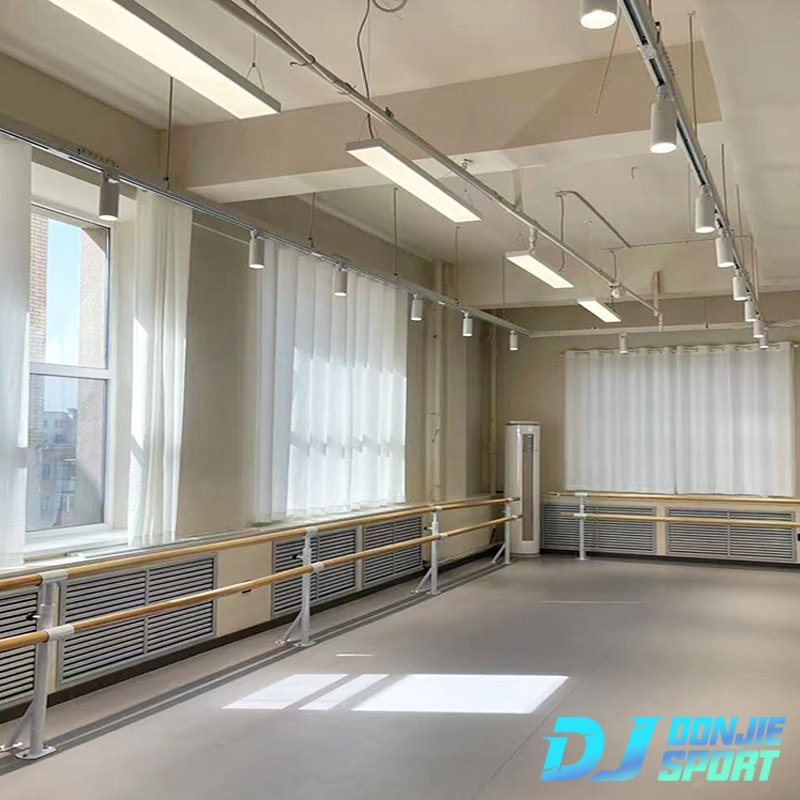
Professional dance studio floors come in a variety of materials, colors, and finishes. From natural wood to vinyl, each option offers a unique aesthetic and functional benefit. Some floors can be customized with your studio’s branding or logo, creating a personalized and professional look. The floor itself becomes part of the visual identity of your dance space.
Complementing Studio Atmosphere
The look of your dance floor can complement the overall design of the studio. Whether you’re going for a sleek, modern vibe or a more classic, traditional feel, professional floors offer a wide range of aesthetic possibilities. Choosing the right floor can elevate the atmosphere, making your studio more inviting and inspiring for dancers.
Cost-Effectiveness in the Long Run
Lower Long-Term Costs
While the initial investment in professional dance studio floors may be higher than cheaper alternatives, the long-term benefits outweigh the cost. Professional floors are designed to last for many years without requiring replacement or significant repairs. This means that over time, you’ll save money that would otherwise be spent on frequent maintenance or flooring replacements.
Reduced Need for Repairs
Cheap or poorly installed floors may need frequent repairs, which can become costly and disruptive. With professional dance studio floors, the risk of damage is minimal, which reduces the need for costly repairs. This makes them a smart investment that pays off over time.
Conclusion
Investing in professional dance studio floors offers a multitude of benefits, from improved safety and performance to increased durability and long-term cost-effectiveness. By choosing the right flooring for your studio, you can create an environment that promotes injury-free dancing, enhances performance, and boosts the overall aesthetics of your space. Whether you’re outfitting a small studio or a large performance space, professional dance floors are an essential part of providing a high-quality experience for both dancers and instructors.