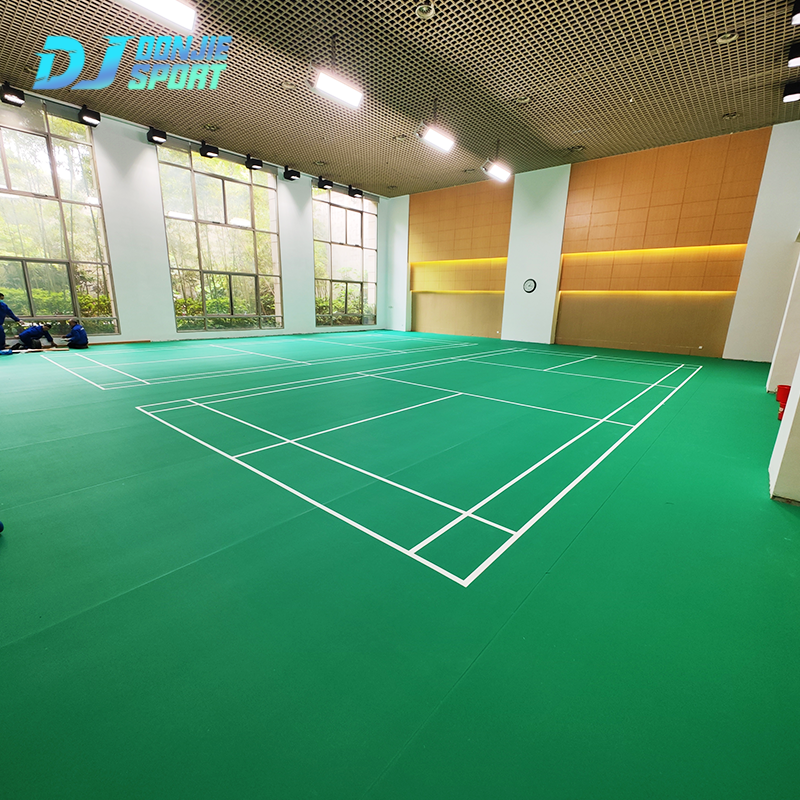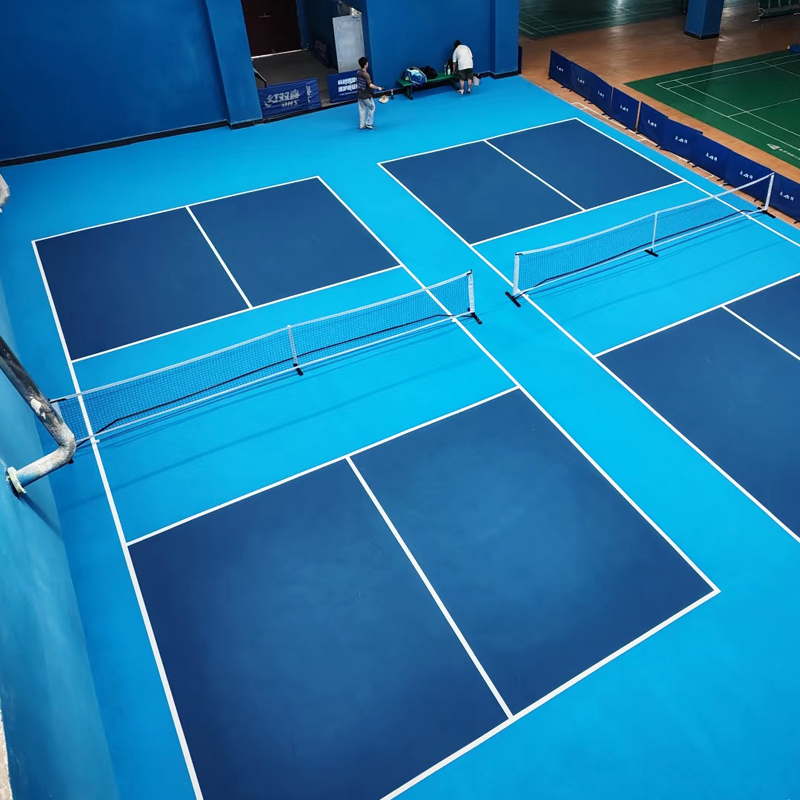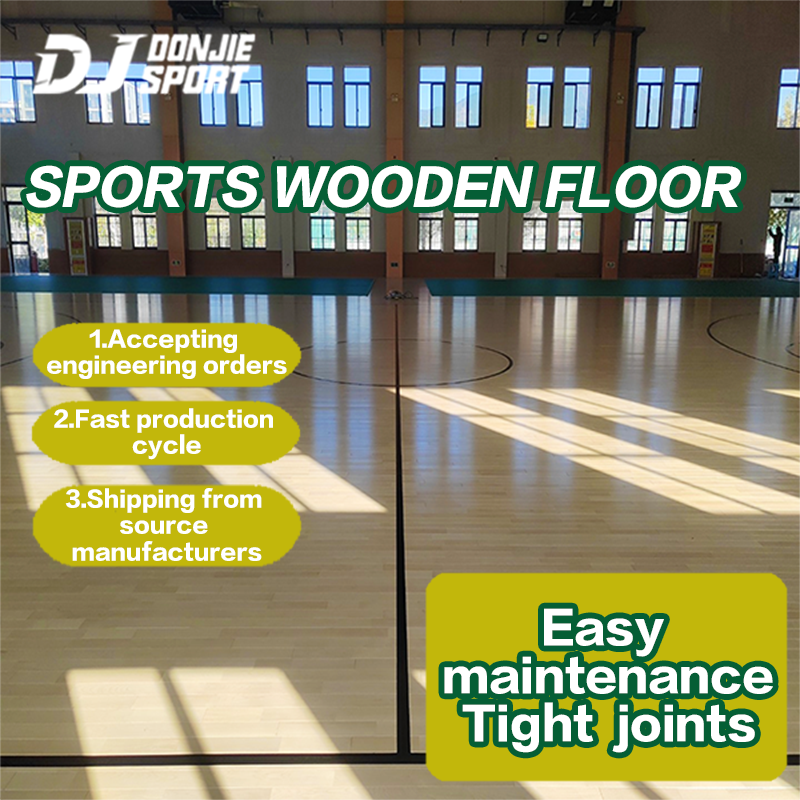
Creating the perfect dance environment starts from the ground up. Dance studio floors play a vital role in a dancer’s performance, comfort, and safety. Whether you’re setting up a space for professional training or a community studio, choosing the right flooring can make all the difference. The right dance studio floors can support your dancers’ movements, reduce injury risks, and even enhance the aesthetic of the space. On the other hand, poor-quality flooring can lead to discomfort, instability, and an overall negative impact on performance.
When selecting dance studio flooring, it’s crucial to understand that every type of dance demands a unique surface. The ideal floor should provide the right amount of traction, flexibility, and shock absorption to cater to a range of movements. Whether it’s a pirouette, a tap shuffle, or a hip-hop groove, a well-chosen floor can help dancers execute moves safely and with confidence.
This article will explore everything you need to know about selecting the best dance studio floors, from the materials you should consider to the long-term benefits of high-quality flooring for your studio. We’ll also touch on maintenance, eco-friendly options, and how flooring impacts performance. By the end, you’ll be equipped to choose the perfect floor that fosters a safe, comfortable, and inspiring dance environment.
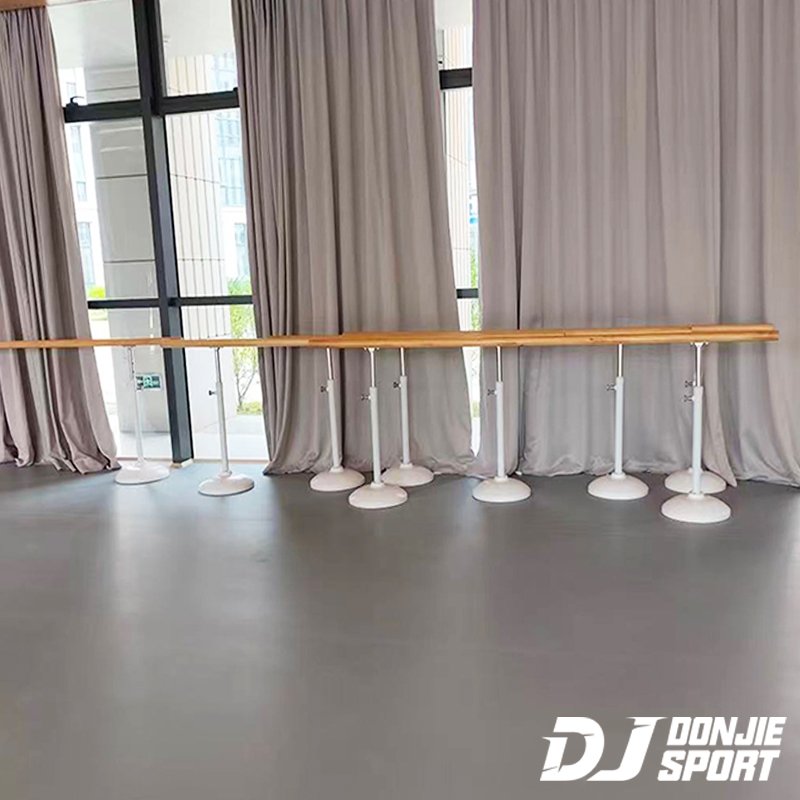
Understanding Dance Studio Floors: Key Considerations
When choosing the right dance studio floors, several factors should guide your decision. Each type of flooring material comes with its unique benefits and limitations, and selecting the right one requires an understanding of these attributes.
Types of Dance Studio Floors:
-
Wood Flooring: Traditional wood floors, such as maple or oak, are a popular choice for many dance studios due to their aesthetic appeal and resilience. Wood floors provide a smooth surface that is ideal for ballet, contemporary, and other forms of dance. However, they may require periodic refinishing to maintain their optimal performance.
-
Vinyl Flooring: Vinyl is a versatile and cost-effective flooring option for dance studios. It is often used for a wide range of dance styles, including jazz, hip-hop, and tap. Vinyl floors offer excellent durability and are easier to maintain than wood floors. They also come in a variety of textures to suit different performance needs.
-
Rubber Flooring: Rubber floors are an excellent choice for high-impact activities like hip-hop or modern dance. These floors are shock-absorbent, which can reduce the risk of injury, and they offer a cushioned feel that enhances comfort during long practice sessions.
Important Characteristics of Dance Studio Floors:
-
Shock Absorption: A floor with proper shock absorption helps reduce the impact on a dancer’s joints and muscles, preventing fatigue and injury. This is particularly important for dancers who perform repetitive movements or jump-heavy routines.
-
Slip Resistance: The right floor should offer a balance of traction, preventing dancers from slipping while also allowing smooth, controlled movements. Too much grip can hinder fluid motion, while insufficient grip increases the risk of falls and injuries.
-
Resilience: Resilient floors, like sprung or floating floors, provide the necessary flexibility for dancers to execute movements efficiently. These floors provide “give” or bounce, which helps reduce fatigue and enhances the overall experience.
Choosing the Best Dance Studio Floors for Different Dance Styles
Each dance style has its own unique demands when it comes to flooring. Selecting the right floor ensures dancers can perform optimally while minimizing injury risks.
Ballet and Contemporary Dance:
-
For ballet and contemporary styles, a smooth, firm surface that offers a slight cushion is essential. Hardwood floors, especially maple, are the preferred choice for these forms, as they provide both durability and the perfect balance between firmness and comfort.
Tap, Jazz, and Hip-Hop:
-
Tap dancers need floors that allow them to create crisp, audible sounds. Vinyl flooring or rubberized floors with a solid, smooth surface are excellent for these styles, as they provide the right combination of bounce and sound quality. Rubber floors, in particular, are great for hip-hop as they offer extra cushioning for high-impact movements.
Multi-Purpose Studios:
-
In studios where multiple styles are practiced, such as ballet, jazz, and hip-hop, vinyl floors with a good balance of comfort, durability, and sound resistance are often the best choice. Vinyl is versatile, easy to maintain, and can accommodate a range of movements and styles.
Factors to Consider When Installing Dance Studio Floors
When installing dance studio floors, it’s important to keep several practical considerations in mind to ensure the space meets your needs.
Budget Considerations:
-
High-quality dance floors, such as hardwood or specialty vinyl, can be expensive to install, but their durability and long-term performance make them worthwhile investments. Budget options like rubber flooring may also be a good choice for those looking to save without compromising too much on quality.
Studio Size and Layout:
-
The size and layout of your dance studio will influence the type of flooring you select. For larger studios, a sprung floor system might be more appropriate, as it provides enhanced shock absorption across a bigger surface. Smaller studios may benefit from cost-effective vinyl or laminate floors that are easier to install and maintain.
Installation Requirements:
-
Professional installation is recommended to ensure the floor is laid correctly and will perform at its best. For example, sprung floors require precise installation for optimal functionality. Some floors, such as vinyl, may be easier to install on your own, but professional help can ensure a flawless result.
The Impact of Floor Quality on Dancer Performance and Safety
The quality of your dance studio floors directly affects both performance and safety. Poorly designed or low-quality floors can lead to injuries, poor technique, and discomfort.
Enhancing Movement and Comfort:
-
The ideal floor provides just the right amount of resilience and grip, allowing dancers to execute fluid movements without feeling stiff or unsupported. Properly designed floors also minimize joint impact, making it easier for dancers to perform at their best during extended practice sessions.
Reducing Injury Risks:
-
Floors with good shock absorption help reduce the strain on dancers’ joints and muscles. Without proper cushioning, repetitive movements such as jumps or pirouettes can lead to overuse injuries. A floor that’s too hard can exacerbate these risks, while one that’s too soft can compromise stability.

Sustainability and Eco-friendly Dance Studio Flooring Options
As environmental awareness increases, many studios are opting for eco-friendly flooring options. Sustainable materials help reduce the carbon footprint and promote a greener future for the dance community.
Eco-Friendly Flooring Choices:
-
Recycled rubber flooring is a popular eco-conscious choice, offering the benefits of rubber floors with the added advantage of being made from repurposed materials. Other options include cork and bamboo flooring, which are renewable, sustainable, and offer good resilience and shock absorption.
The Benefits of Green Flooring:
-
Eco-friendly flooring options not only contribute to sustainability but can also improve indoor air quality. Many green flooring options use low-emission materials, which create a healthier environment for both dancers and staff.
Maintaining Your Dance Studio Floors for Longevity
Proper maintenance ensures that your dance studio floors remain in top condition for years. Regular cleaning and care are essential to preserve their quality and extend their lifespan.
Cleaning and Protection:
-
Sweep and mop the floor regularly to prevent dirt and grime from building up. For wood floors, consider using specialized cleaners that won’t damage the surface. For vinyl and rubber floors, ensure they are kept free of moisture to prevent slipping hazards.
Preventing Wear and Tear:
-
To avoid wear, ensure dancers are wearing appropriate footwear, and consider using protective mats in high-traffic areas. Regular inspections can help identify any damage early, allowing for timely repairs or refinishing.
Transforming Your Dance Space with the Right Floors
Selecting the right dance studio floor is crucial for creating an environment that fosters safe, effective, and enjoyable practice. By considering the needs of your dancers, the types of dance being performed, and the installation and maintenance requirements, you can create a space that enhances both performance and safety.
Investing in the best dance studio floors not only ensures that your studio looks great but also supports your dancers’ health, technique, and overall well-being. Whether you opt for durable wood, versatile vinyl, or eco-friendly rubber, the right floor makes all the difference in creating a dance-friendly space.