In the world of dance, a practice space isn’t just a room with walls and mirrors. It’s a dedicated environment where dancers hone their skills, perfect their techniques, and push their physical limits. While many factors contribute to a dancer’s progress, one often overlooked but crucial aspect is the floor beneath their feet. The type of flooring chosen for practice spaces can make a world of difference, not only in terms of performance but also regarding safety and comfort. A well-chosen practice dance floor is essential for improving dancers’ training, helping to avoid injuries, and providing the necessary support for various movements.
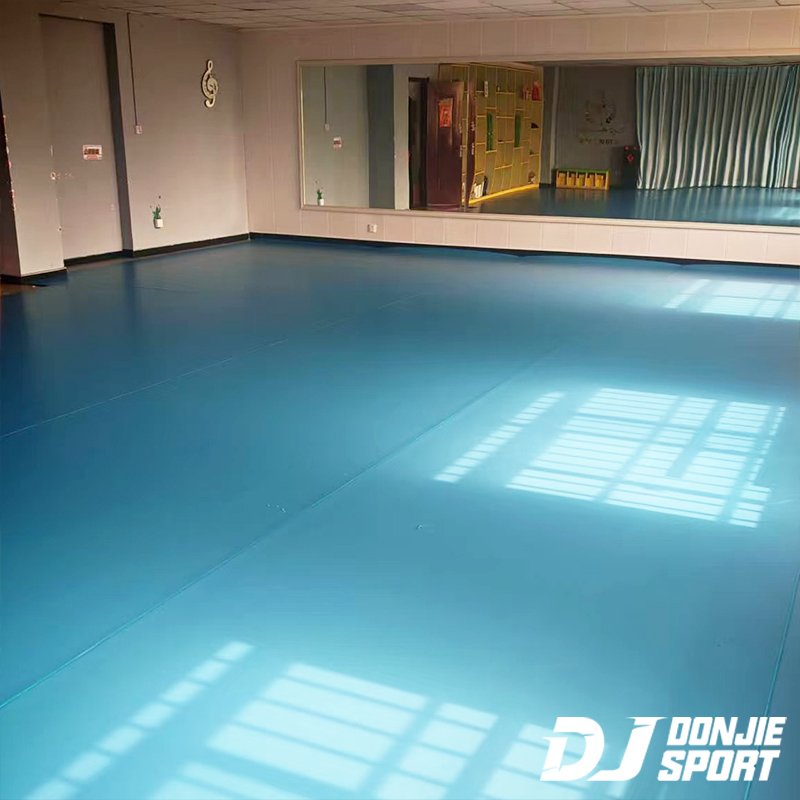
What Makes a Dance Floor Ideal for Practice?
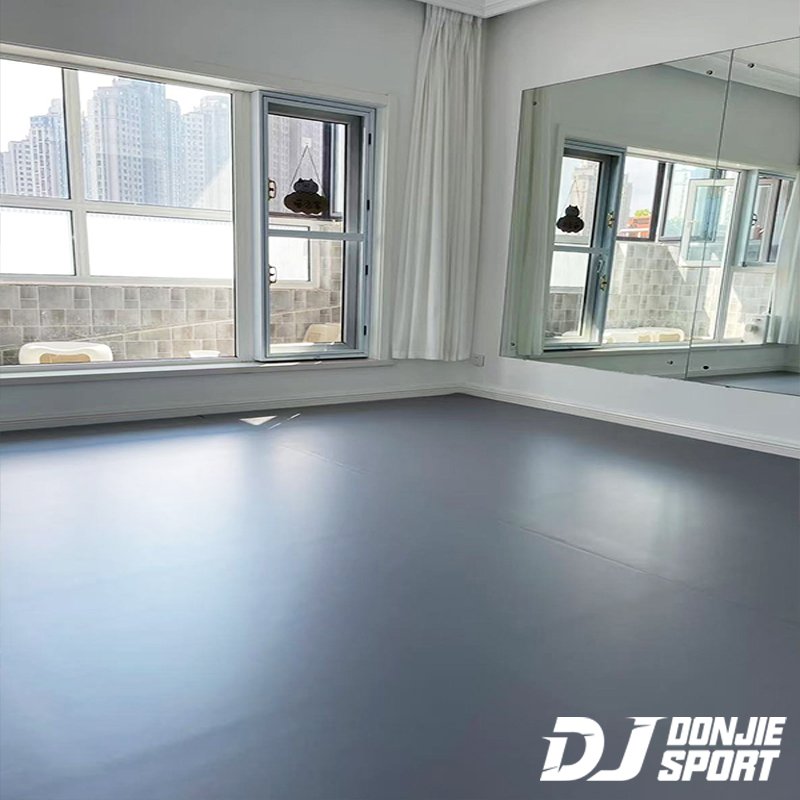
When choosing the perfect practice floor for a dance studio, it’s crucial to understand what features make a floor ideal for training. A dance floor should not only be durable and easy to maintain but also provide the right amount of comfort and safety for dancers during their rigorous routines. Let’s dive deeper into the specific qualities that define an ideal practice dance floor.
Material Considerations for Practice Dance Floors
The material of the floor directly impacts both its durability and comfort. For example, vinyl and wood are the most common materials used in dance flooring, each offering distinct advantages. Vinyl floors are often favored for their flexibility, ease of installation, and ability to withstand heavy use. Wood floors, on the other hand, are often preferred for their classic aesthetic and their ability to support the natural movement of the dancer’s body. Regardless of the material, it’s important that the floor is designed to handle high-impact activity without compromising its integrity.
Durability and Maintenance Aspects
Training floors need to endure constant pressure and movement from dancers. They should be able to withstand the wear and tear of long practice sessions, high-intensity training, and repeated footfalls. High-quality dance floors often feature a top layer that resists scratches and indentations, ensuring a long-lasting surface. Easy maintenance is also essential, so look for floors that can be cleaned quickly without damaging the surface.
Comfort and Safety Features
The comfort and safety of a dancer should always be prioritized. An ideal practice floor should offer enough shock absorption to reduce the stress on joints and muscles during high-impact movements like jumps and turns. A floor that’s too hard can increase the risk of injury, while one that’s too soft might hinder balance and stability. Many practice dance floors are designed with sprung systems that provide just the right amount of bounce, supporting dancers’ bodies while enhancing their overall performance.
The Impact of Practice Dance Floors on Performance
While practice floors play a key role in a dancer’s safety, they also significantly affect the quality of performance. The right floor can make a noticeable difference in the way dancers perform specific moves, especially those requiring balance, precision, and control.
How the Right Floor Contributes to Technique Improvement
For dancers, practice is all about perfecting technique, and the floor beneath them plays a large part in this. A well-designed dance floor provides the right amount of grip, which helps dancers maintain control during spins, leaps, and other complex movements. Without proper traction, dancers might slip or struggle to maintain their positions, which can negatively impact their technique. A floor that offers smooth but firm support helps dancers execute movements more effectively, allowing them to concentrate fully on their technique.
Prevention of Injuries and Joint Stress
Dancers are particularly susceptible to joint and muscle injuries due to the nature of their craft, which involves a lot of repetitive movements and high-impact activity. Practice dance floors are specifically engineered to minimize injury risk. The right amount of cushioning and shock absorption can help reduce stress on knees, ankles, and other joints, which is vital when dancers are training for hours at a time. In addition, floors that reduce the risk of slipping help prevent falls and accidents, contributing to overall safety.
Enhancing Balance and Control During Complex Routines
When practicing complicated choreography, balance and control are crucial. A floor that provides consistent and stable footing gives dancers the confidence to perform intricate routines. Floors that are too slippery or too soft can make it difficult for dancers to maintain their footing, negatively impacting their control and making it harder to execute difficult movements with precision.
Key Features of Practice Dance Floors
For a dance floor to be effective during training, it must possess certain key features. These features directly affect the comfort, safety, and overall experience of the dancers using them.
Non-Slip Surface for Traction and Safety
One of the most critical characteristics of a practice dance floor is its non-slip surface. Dance floors should provide enough grip to prevent slipping but should not be so sticky that they impede smooth movement. A non-slip surface ensures that dancers can perform intricate steps and spins with confidence, reducing the risk of accidents during practice.
Shock Absorption and Flexibility for Comfort
Dance floors with shock-absorbing qualities help reduce the impact on dancers’ joints, especially during jumps and landings. Shock absorption systems are designed to cushion the floor, ensuring that it’s comfortable for dancers to perform long hours of training without experiencing excessive strain. Additionally, flexibility is crucial for certain dance styles, such as ballet, where floor rigidity can affect the dancer’s movement flow.
Appropriate Texture to Support Various Dance Styles
Different dance styles require different floor textures. Ballet dancers often prefer a smooth, resilient floor that allows for elegant gliding movements, while tap dancers need a floor with more traction to prevent slipping during their rhythmic steps. A versatile practice dance floor should accommodate a range of dance styles, offering the ideal texture and performance for different needs.
Why Professional Dance Studios Invest in Practice Floors
Professional dance studios understand the importance of high-quality practice floors. The investment in the right flooring doesn’t only benefit the dancers but also enhances the overall functionality of the studio.
The Benefits for Dancers at All Levels, from Beginners to Professionals
The right flooring ensures that dancers, regardless of skill level, have the support they need to excel. For beginners, a stable surface promotes confidence and safe practice, while professionals can take advantage of a high-performance floor to perfect their movements. Whether it’s for young students or seasoned dancers, investing in the right practice floor enhances the overall training experience.
The Role of Practice Floors in Supporting Long Hours of Training
Dance training can be intense and demanding, often requiring hours of practice each day. Floors designed for comfort and safety can help dancers maintain focus during these extended training sessions. A high-quality practice floor reduces the physical toll on dancers, enabling them to train for longer periods without compromising their health or performance.
Cost-Effective Advantages for Studios Offering Quality Training Environments
Though professional-grade practice floors can require an upfront investment, they offer long-term cost savings by reducing the risk of injuries and the need for frequent replacements. Studios that invest in high-quality flooring also attract more clients, who recognize the importance of a safe and supportive environment for training. A top-notch practice floor ultimately provides value for both the dancers and the studio owners.
How Practice Dance Floors Differ from Performance Floors
While both practice and performance floors share some similarities, they are designed to serve different purposes.
Key Differences Between Practice and Performance Floors
Performance floors tend to be more focused on aesthetics and audience appeal, with a surface designed for temporary use in front of an audience. Practice floors, on the other hand, are built for durability and comfort, prioritizing the needs of dancers during long training sessions. Practice floors also tend to be more versatile, accommodating a wider variety of dance styles.
The Adaptability of Practice Floors for Different Types of Training
Unlike performance floors, which are often tailored for specific events, practice floors must be adaptable to different types of dance. Whether a dancer is practicing ballet, hip-hop, contemporary, or jazz, the floor should support the specific requirements of each style. This versatility ensures that dancers can safely practice a variety of movements and techniques.
Conclusion
In conclusion, practice dance floors are an essential element of any serious dance studio. From enhancing technique to preventing injuries, the right flooring supports dancers in their training and helps them achieve their full potential. Whether you’re a dancer looking for a safe space to perfect your moves or a studio owner investing in the best training environment for your students, choosing the right practice floor is an investment that pays off in performance, safety, and longevity.