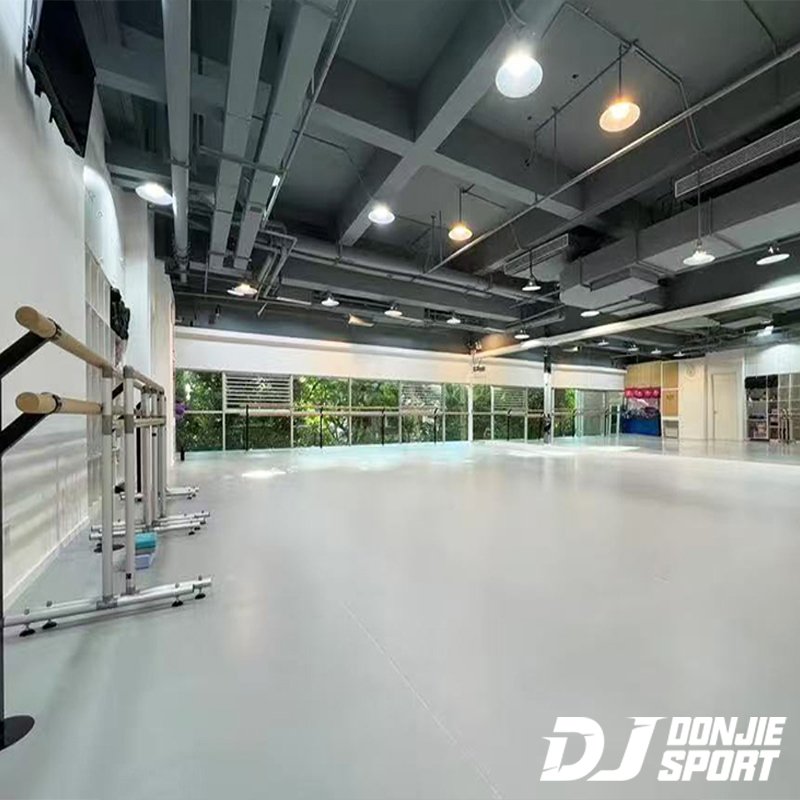
When it comes to setting up a dance studio, one of the most crucial decisions you’ll make is choosing the right flooring. Dance flooring is not just about aesthetics—it plays a critical role in the performance, safety, and comfort of dancers. The right floor supports dancers’ movements, minimizes the risk of injury, and provides the necessary surface for various dance styles, from the graceful motions of ballet to the high-energy moves of hip-hop.
In this article, we will explore the different types of flooring suited for a variety of dance styles, with a focus on how to choose the best options for ballet, hip-hop, and more. We’ll also cover key considerations like durability, maintenance, and cost, helping you make an informed decision for your dance studio.
Choosing the right flooring can be overwhelming, but with the right guidance, you can find a solution that meets your studio’s specific needs. Whether you are outfitting a professional ballet studio or a multi-use space for hip-hop and contemporary dance, understanding the ins and outs of dance flooring is essential to providing a safe and inspiring environment for dancers.
Factors to Consider When Choosing Dance Flooring for Your Studio
Selecting the right dance flooring requires a thoughtful evaluation of several factors. While aesthetics and style are important, the key considerations include durability, comfort, safety, and ease of maintenance. Let’s break down these factors in more detail:
Durability
Dance floors endure heavy usage, so durability is paramount. High-quality flooring should be resistant to scratches, scuff marks, and damage from constant movement. The type of flooring you choose will depend on how often the studio is used and the types of dances performed. For example, ballet floors are often made from hardwood or sprung materials, while more modern dance styles, such as hip-hop, may require floors that can withstand high-impact movements.
Maintenance
Different types of flooring require different levels of care. Vinyl and rubber floors are easier to clean and maintain, while hardwood may need occasional refinishing. Vinyl flooring, commonly used in multi-purpose studios, typically only requires mopping and spot cleaning. On the other hand, hardwood ballet floors need more attention to ensure they remain smooth and free from damage.
Comfort and Safety
The right flooring helps prevent injuries, especially in high-impact and rigorous dance forms like hip-hop or jazz. Cushioned or sprung floors provide excellent shock absorption, reducing the stress on joints and muscles. Slip-resistance is another critical factor; dancers need a firm grip, particularly in styles like ballet where control and balance are essential.
Aesthetic Appeal
While function is the main consideration, the look of your dance floor should also enhance the ambiance of your studio. Whether it’s a clean, smooth hardwood surface for ballet or a vibrant, textured vinyl floor for hip-hop, your choice will set the tone for the entire space. Dance flooring should match the aesthetic of your studio and align with the image you want to convey to your dancers and visitors.
Ballet Flooring: Precision and Grace on the Right Surface
Ballet requires a specific type of flooring that offers a balance of smoothness and support. A ballet floor should allow for seamless gliding across the surface while providing the necessary cushion to absorb shock, reducing the risk of injury. This is particularly important for movements like jumps, pirouettes, and leaps, which place considerable strain on the body.
Key Features of Ballet Flooring
-
Smoothness and Consistency: Ballet dancers need a surface that is smooth and consistent in texture. Any irregularities in the floor can cause tripping or imbalance. A hardwood floor is often considered the ideal surface for ballet because it allows for fluid movements without sacrificing support.
-
Slip Resistance: A floor that is too slippery can be dangerous, especially for intricate movements. Ballet floors need to have just the right amount of grip to avoid accidents while allowing the dancer to perform spins and turns effectively.
-
Sprung Flooring: Sprung floors, which are composed of layers designed to absorb shock, are commonly used in ballet studios. These floors provide the support necessary to protect joints from the impact of repetitive movements.
Popular Options for Ballet Floors
-
Hardwood: Traditional ballet studios often use high-quality hardwood like maple, which provides a classic look and smooth surface.
-
Sprung Floors: These floors combine wooden surfaces with a cushioning layer underneath, offering a safer and more comfortable option for dancers.
Maintenance of Ballet Floors
Ballet floors, particularly hardwood, require regular maintenance. This includes refinishing every few years to maintain smoothness and ensure safety. Regular cleaning is also essential to prevent dirt and debris from accumulating, which can interfere with movements.
Hip-Hop and Urban Dance: Flooring That Supports Energy and Style
Hip-hop, urban dance, and other high-energy dance styles require a flooring surface that can withstand intense movements. Dancers in these styles often perform sharp, fast movements that can be demanding on their joints. For this reason, hip-hop flooring must be durable, shock-absorbent, and slip-resistant.
Key Features of Hip-Hop Flooring
-
Shock Absorption: Vinyl and rubber are common materials for hip-hop dance floors because they provide a cushioning effect. The extra padding helps protect dancers’ joints during intense moves like popping, locking, or jumping.
-
Traction and Resilience: Hip-hop dancers need flooring that provides excellent grip. Too much slip can hinder the performance, while too much traction can cause resistance. Rubber or vinyl provides a good balance, allowing dancers to execute high-energy movements with confidence.
-
Durability: Hip-hop floors are subject to more wear and tear than ballet floors due to the nature of the movement. Choosing resilient materials like rubber or vinyl ensures the longevity of the floor even with heavy use.
Recommended Flooring Options for Hip-Hop Studios
-
Vinyl Flooring: This is a versatile option for urban dance, offering durability and ease of maintenance. It’s also available in a range of colors and patterns, making it a great aesthetic choice for studios.
-
Rubber Flooring: Known for its durability and shock-absorbing properties, rubber is ideal for high-impact dance styles. It also provides traction, reducing the risk of slipping.
Versatility in Dance Studios: Flooring That Accommodates Multiple Styles
Many dance studios accommodate more than one style, and finding flooring that works for ballet, hip-hop, and contemporary dance can be challenging. The best solution is flooring that is versatile enough to provide the right balance for various types of dance.
Flooring Options for Multi-Style Studios
-
Modular Floors: Interlocking tiles allow you to customize the floor to suit different dance styles. These can be laid down and replaced as needed, providing flexibility.
-
Cushioned Vinyl: Cushioned vinyl is a great option for multi-purpose studios. It provides adequate support for ballet while being resilient enough for hip-hop and other energetic dance forms.
Balancing Comfort, Performance, and Aesthetics
The key to choosing versatile flooring is finding a solution that balances comfort, performance, and aesthetics. It’s important to ensure that the floor provides enough shock absorption for high-impact dance while maintaining a smooth surface for ballet. Additionally, the floor should be easy to maintain and look visually appealing in any setting.
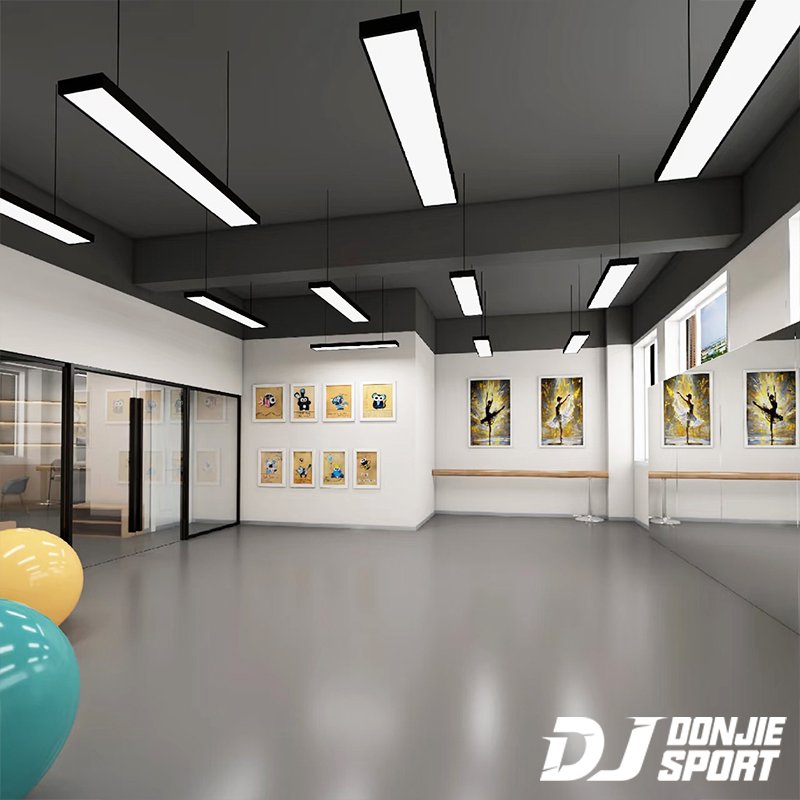
Maintenance Tips: Keeping Your Dance Flooring in Top Condition
Regardless of the type of flooring you choose, regular maintenance is crucial to keeping it in top condition. Here are some tips for different types of flooring:
-
Wooden Floors: Clean regularly with a dry mop to avoid moisture damage. Periodically refinish the floor to maintain its smoothness.
-
Vinyl Flooring: Sweep or vacuum to remove dirt and dust, and mop with a gentle cleaner to maintain its sheen.
-
Rubber Floors: Rubber floors are easy to clean with a damp mop. Avoid using harsh chemicals that could damage the surface.
Cost Considerations: Investing in Quality Flooring for Your Dance Studio
The cost of dance flooring can vary depending on the material, installation, and maintenance. While some options may seem more affordable initially, investing in high-quality flooring can save you money in the long run by reducing maintenance costs and ensuring durability.
Budget vs. Premium Flooring
-
Budget Options: Vinyl and laminate floors are typically more affordable but may not last as long as premium options like sprung hardwood floors.
-
Premium Options: Hardwood or sprung floors are more expensive but offer greater durability and comfort, particularly for ballet studios.
Making the Right Choice for Your Dance Studio Flooring
Choosing the right dance flooring for your studio is a crucial decision that will affect both the safety and performance of your dancers. Whether you are outfitting a ballet studio or a multi-purpose space for various dance styles, it’s essential to consider factors like durability, comfort, maintenance, and aesthetic appeal.
Investing in the right floor ensures that your dancers can perform at their best while minimizing the risk of injury. By understanding the needs of different dance styles and selecting a floor that meets those requirements, you can create a safe, comfortable, and visually appealing environment for dancers to thrive.