When it comes to ballet, every element of the studio plays a crucial role in supporting the dancer’s performance. Among these elements, the flooring stands out as one of the most important. Not only does it contribute to the aesthetic appeal of the space, but it also has a direct impact on the safety, comfort, and performance quality of dancers. Choosing the right professional ballet flooring is essential for anyone serious about ballet, whether it’s for a professional studio, a school, or a home practice space.
Enhanced Performance with Professional Ballet Flooring
Professional ballet flooring is designed with one main goal in mind: to support and enhance the dancer’s performance. Unlike standard floors, which can be too hard or too soft, ballet flooring strikes the perfect balance, allowing for optimal movement. The surface is crafted to provide just the right amount of traction to prevent slipping while still allowing for smooth, fluid movements.
This specialized surface is not only ideal for ballet, but it also supports other forms of dance that require precise footwork, such as contemporary or jazz. With professional ballet flooring, dancers can perform intricate moves, spins, and jumps with greater ease and stability. The improved grip and controlled surface reduce the likelihood of missteps, helping dancers to execute difficult maneuvers more effectively.

Injury Prevention: The Key Advantage of Ballet Flooring
Injury prevention is one of the most significant reasons why professional ballet flooring is so essential. Ballet is a physically demanding discipline that involves constant movement, jumps, and quick directional changes, putting a strain on a dancer’s body. Professional ballet flooring is designed with shock-absorbing materials that help to cushion these impacts and reduce the stress on dancers’ joints, muscles, and bones.
Flooring that offers appropriate cushioning helps minimize the risk of common injuries like sprained ankles, knee strain, or stress fractures. This is especially important for dancers who are constantly performing high-impact movements. With professional ballet flooring, the risk of injury is significantly reduced, allowing dancers to focus more on their craft without worrying about the long-term effects of repeated strain.
Durability and Longevity of Professional Ballet Flooring
One of the advantages of installing professional ballet flooring is its durability. Unlike regular flooring materials that may wear down quickly under constant use, professional ballet floors are specifically engineered to withstand the rigors of daily dance practice. Made from high-quality materials such as vinyl, hardwood, or specialized dance surfaces, these floors are designed to last for many years.
Investing in professional ballet flooring is a cost-effective decision in the long run. Because these floors are resistant to wear and tear, they require less frequent replacement compared to standard floors. The high-quality materials used also ensure that the surface remains smooth and free of any damage that could affect dancers’ safety and performance.
Customization for Different Dance Styles
Professional ballet flooring offers the added benefit of customization, making it versatile enough for a wide variety of dance styles. Although designed primarily for ballet, many types of ballet floors can be adapted to suit other dance techniques, such as contemporary, jazz, or even hip-hop.
With the right flooring, you can adjust the surface to match the unique needs of different dance styles. For instance, some dancers prefer a floor that provides more bounce, while others need a more solid, stable surface for technical work. The ability to customize the floor ensures that dancers can perform at their best, regardless of the dance style they are practicing.
Easy Maintenance for Long-Term Use
Another key benefit of professional ballet flooring is its low maintenance. These floors are designed to be durable and resistant to damage, but they also require minimal care to maintain their performance and appearance. Regular cleaning and proper care are usually all that’s needed to keep the floor in top condition.
Most professional ballet flooring materials are easy to clean and maintain. Vinyl and other modern materials often require just sweeping and mopping to remove dirt and debris, while hardwood floors may need occasional refinishing to maintain their smooth surface. With the proper upkeep, professional ballet flooring will continue to perform at a high level for many years.
Aesthetic Appeal and Studio Ambiance
In addition to its functional benefits, professional ballet flooring also enhances the aesthetic appeal of a dance studio. A well-chosen floor not only creates a professional atmosphere but also adds to the overall ambiance of the studio. The right color, texture, and finish can make a studio feel welcoming and inspiring for dancers and students alike.
Moreover, a high-quality ballet floor reflects the studio’s commitment to excellence, creating a polished and professional image. Whether you have a large studio or a smaller practice space, the right flooring can set the tone for a productive and positive dance environment.
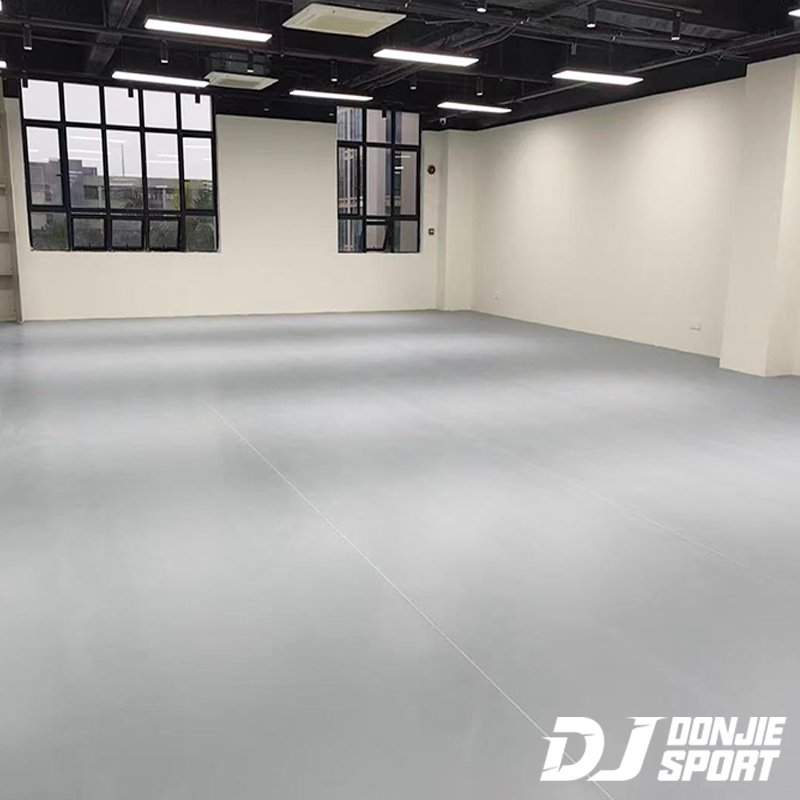
Why You Should Invest in Professional Ballet Flooring
Choosing professional ballet flooring is an investment that pays off in many ways. From enhancing performance to preventing injuries, improving durability, and ensuring easy maintenance, the benefits of installing a high-quality floor are undeniable. Whether you’re a seasoned professional or an aspiring dancer, the right ballet flooring supports your growth, performance, and safety in ways that standard flooring simply can’t.
When considering the flooring for your dance studio, don’t overlook the advantages of installing professional ballet flooring. It’s not just about aesthetics—it’s about creating a space where dancers can excel and thrive, and where their bodies are supported every step of the way.