When it comes to setting up a professional dance studio, one of the most critical decisions you will make is choosing the right type of flooring. High-performance dance flooring is not just about aesthetics; it plays a significant role in the safety, comfort, and overall performance of the dancers. The flooring you select can impact the dancers’ ability to move fluidly, reduce the risk of injury, and ensure that your studio stands the test of time.
Whether you’re working with ballet dancers, hip-hop crews, or contemporary performers, the right flooring can make all the difference in their practice and performance. This article explores why high-performance dance flooring is a must-have in every studio, and how it can elevate both the safety and performance of your dancers.

The Impact of Proper Dance Flooring on Dancer Safety
The safety of dancers is paramount in any dance studio, and the type of flooring used can make a world of difference. High-performance dance flooring is specifically designed to reduce the risk of injury, which is a common concern for dancers performing demanding moves. One of the key features of high-quality dance flooring is its shock absorption properties. This feature helps absorb the impact of jumps and landings, which protects the dancer’s joints and reduces strain on the body over time.
Floors with excellent cushioning prevent injuries like sprained ankles, shin splints, and knee issues by offering the right level of resistance and support. The ability to provide a stable and non-slip surface also contributes to dancer safety by minimizing the risk of accidental slips and falls during routines. When dancers have a stable, supportive foundation beneath them, they can push their limits without worrying about their footing, leading to a better overall performance experience.
Enhancing Performance with the Right Flooring
High-performance dance flooring doesn’t just protect dancers; it also enhances their performance. The right type of flooring provides the perfect balance between grip and slide, which is essential for executing specific dance moves with precision. Too much friction can hinder fluid movement, while too little can lead to instability and loss of control.
For instance, a dance floor made of sprung wood or vinyl composite materials offers just the right amount of resistance for dancers to execute powerful movements, jumps, and spins. Floors designed with different levels of friction are also important depending on the style of dance. Ballet floors, for example, are smoother to allow for effortless turns and pirouettes, while hip-hop floors require a more textured surface to support sharp, fast movements.
Incorporating high-performance flooring in your dance studio helps dancers perform at their best by offering the perfect surface to practice, perfect techniques, and execute moves with confidence.
Durability and Longevity of High-Performance Dance Flooring
While the benefits of high-performance dance flooring are immediately apparent, one of its most significant advantages is its long-lasting durability. Dance studios are high-traffic areas, often used daily by dancers performing rigorous routines, which means the flooring must withstand considerable wear and tear.
High-performance flooring options like sprung wood floors or vinyl dance surfaces are built to endure the constant impact and pressure that comes from intense movement. Unlike standard flooring, which can degrade over time or become slippery and uneven, professional-grade dance flooring retains its integrity for years. This durability translates into fewer repairs and replacements, ultimately saving studio owners money in the long run.
Proper maintenance can also extend the life of your flooring, ensuring that it continues to provide the same high level of performance and safety. Regular cleaning, re-coating, and proper care can help maintain the floor’s appearance and functionality for many years to come.
Comfort and Aesthetic Value for Your Dance Studio
When selecting high-performance dance flooring, it’s not just about functionality—it’s also about creating a comfortable and aesthetically pleasing environment. Comfort is crucial, especially for dancers who spend hours practicing each day. Flooring that absorbs shock and provides cushion helps reduce fatigue, ensuring that dancers can practice longer without discomfort.
In addition to comfort, the aesthetic quality of the flooring plays a role in setting the tone for your studio. High-quality dance flooring can elevate the overall look of the space, making it feel professional and welcoming. Whether you choose a sleek vinyl surface, a wood floor with a natural finish, or even custom designs, your choice of flooring will contribute to the studio’s atmosphere.
Choosing a floor that complements the studio’s design and branding not only enhances the dancer’s experience but also impresses clients, parents, and visitors. A well-designed, comfortable, and visually appealing dance floor speaks to the professionalism of your studio, setting it apart from others in the industry.
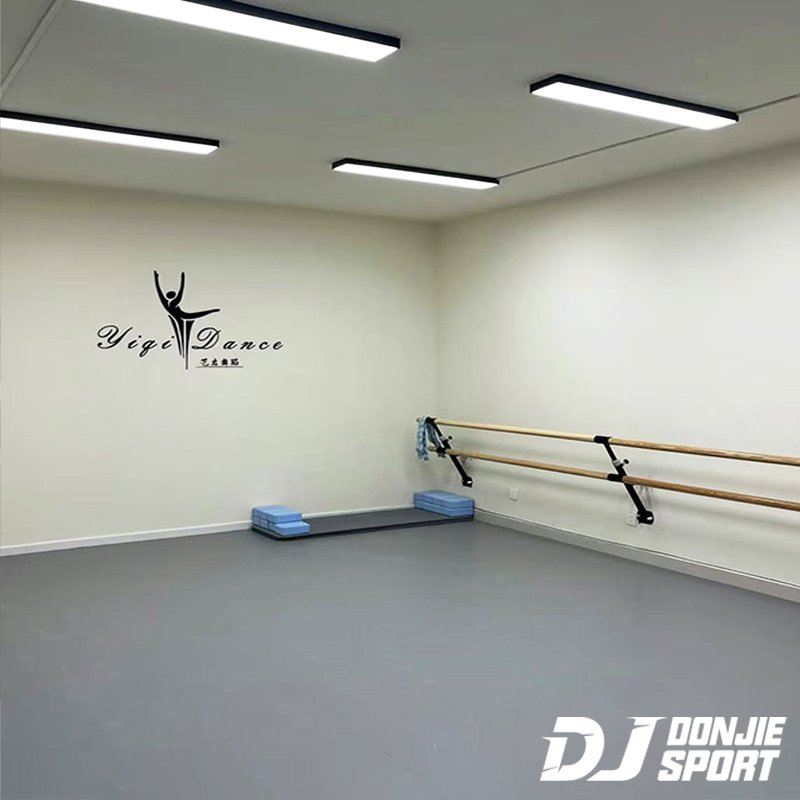
How to Choose the Right High-Performance Dance Flooring for Your Studio
Selecting the ideal high-performance dance flooring involves considering several key factors to ensure it aligns with your studio’s needs. Here are a few things to keep in mind when choosing:
-
Dance Style and Needs: The type of dance performed in your studio will heavily influence the kind of flooring you should select. For example, ballet dancers need a smooth, flexible surface that allows for pirouettes and jumps, while hip-hop or modern dancers may require a more textured, durable floor that can withstand rapid foot movements and sliding.
-
Material Options: The most common high-performance flooring materials include sprung wood floors, vinyl, and foam-backed surfaces. Sprung wood floors offer great shock absorption, making them ideal for a wide range of dance styles. Vinyl floors are durable, low-maintenance, and suitable for various forms of dance, particularly for studios focused on contemporary, jazz, or hip-hop.
-
Installation and Maintenance: When selecting your flooring, also consider installation and upkeep. Some flooring options are easier to install and require less maintenance, while others may need professional installation and regular servicing. Choosing a low-maintenance floor can save you time and effort in the long run.
-
Budget: High-performance dance flooring is an investment, but it doesn’t have to break the bank. While high-quality options may cost more upfront, their longevity and performance make them a smart financial choice in the long term.
Making the Right Flooring Decision for Your Studio’s Success
Choosing the right high-performance dance flooring is a critical step in ensuring the success of your dance studio. Not only does it provide a safe and comfortable environment for your dancers, but it also enhances their performance by offering the ideal surface for practice and performance. Durable, low-maintenance flooring will last for years, providing a cost-effective solution that minimizes the need for constant repairs or replacements.
With the right flooring in place, your dance studio will not only meet the needs of your dancers but also create a welcoming and professional atmosphere. Investing in high-performance dance flooring is investing in the future of your studio and the well-being of your dancers.