
Choosing the right basketball court flooring is crucial for ensuring the best possible playing experience, whether it’s for professional athletes, recreational players, or school courts. The type of flooring you choose directly impacts the game, the safety of the players, and the maintenance requirements. With so many options available for both indoor and outdoor courts, it’s important to understand the benefits and limitations of each.
This guide will help you navigate through the various flooring choices, examining the best basketball court flooring options for both indoor and outdoor environments. Whether you’re constructing a new court or updating an old one, making an informed decision will pay off in the long run, enhancing performance, durability, and safety.
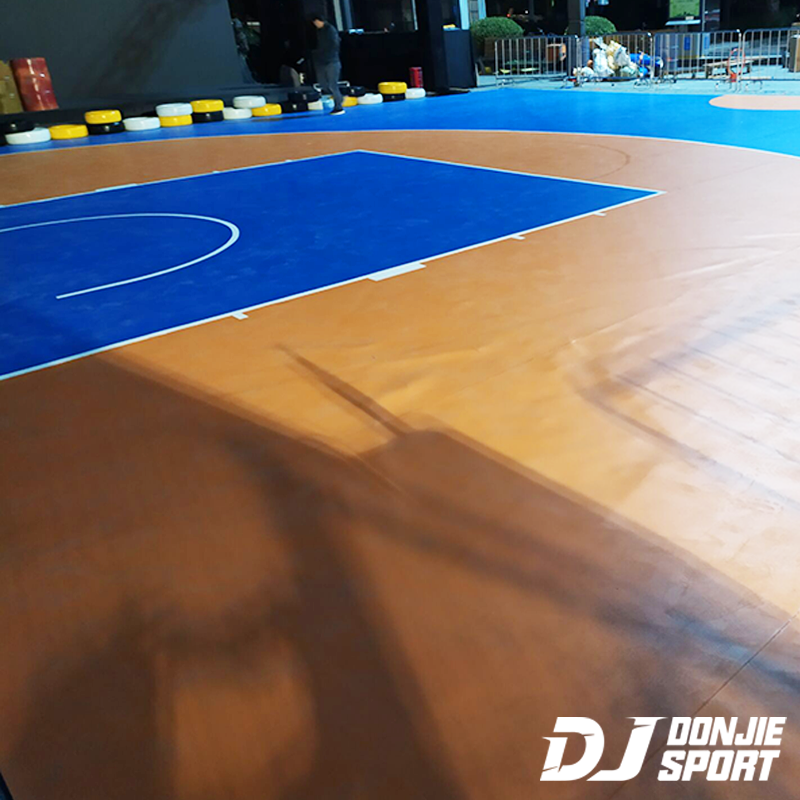
Why Flooring Matters for Basketball Courts
When it comes to basketball, the court surface plays an essential role in both performance and safety. The flooring directly impacts how players move, how the ball bounces, and how they absorb the shock of running, jumping, and landing. Different surfaces offer distinct advantages, depending on the environment and intended use.
For instance, a high-performance indoor court will require a different type of surface compared to an outdoor court that is exposed to the elements. In both cases, safety is paramount—slippery or uneven surfaces can lead to injury, while a poorly chosen material may deteriorate quickly under heavy usage.
Aside from player safety, the quality of the flooring also affects the game’s dynamics. For example, hardwood floors are known for their excellent ball bounce, while rubber flooring provides superior shock absorption. For both indoor and outdoor settings, the flooring must offer the right balance between performance and durability.
Types of Flooring for Indoor Basketball Courts
Wooden Flooring: The Traditional Choice
Wooden flooring remains the gold standard for indoor basketball courts, particularly in professional settings. Hardwood floors provide an exceptional playing experience, offering a balanced combination of grip, comfort, and bounce. This is why most high-level professional and college basketball arenas use wood for their courts.
Benefits:
-
Durability: Hardwood floors are highly durable and can last for many years if maintained properly. However, they require periodic refinishing to keep the surface smooth and to maintain their aesthetic appeal.
-
Aesthetics: The natural finish of wood creates an inviting and professional appearance, which is why hardwood courts are commonly seen in prestigious sports venues.
-
Performance: Hardwood floors provide an excellent bounce for the basketball, enhancing the playing experience. Additionally, they offer just the right amount of grip, preventing players from slipping while still allowing for fast movements.
However, wooden courts can be expensive to install and maintain, making them less suitable for recreational or outdoor courts where weather conditions and heavy use may take a toll on the material.
Rubber Flooring: A Modern Alternative
Rubber flooring has gained popularity as a cost-effective and practical alternative to hardwood, especially for indoor courts that require better shock absorption. It’s often used in gyms, fitness centers, and schools due to its durability and safety features.
Benefits:
-
Shock Absorption: Rubber flooring helps absorb the impact of jumps and sprints, which is beneficial for both the players’ joints and the longevity of the court.
-
Low Maintenance: Unlike wood, rubber flooring does not require refinishing or special treatments. It’s easy to clean and resistant to stains.
-
Affordability: Rubber floors are generally less expensive than hardwood, making them an excellent choice for smaller budgets or for gyms that are used by multiple sports teams.
However, the bounce and grip may not match the performance level of hardwood floors, which could be a downside for high-level competition play.
Interlocking Tile Flooring
Interlocking tile flooring offers an easy-to-install and customizable option for indoor basketball courts. These tiles can be made from various materials such as PVC, rubber, or even wood, allowing for flexibility in design and functionality.
Benefits:
-
Easy Installation: As the name suggests, interlocking tiles are designed to snap together, making installation a breeze. This is ideal for facilities that want to update their flooring quickly or those with limited installation time.
-
Customization: The tiles can come in a variety of colors, designs, and even logos, offering more visual appeal compared to other options.
-
Durability and Repairability: In case of damage, individual tiles can be replaced without having to redo the entire floor, which makes maintenance easy and cost-effective.
While interlocking tiles provide many advantages, the feel and performance may differ from traditional hardwood, especially in terms of bounce and grip.
Best Flooring for Outdoor Basketball Courts
Asphalt or Concrete Flooring: The Common Outdoor Surfaces
Asphalt and concrete are the most commonly used materials for outdoor basketball courts. They are inexpensive and can withstand the wear and tear of being exposed to the elements, making them ideal for recreational courts in parks and schools.
Benefits:
-
Durability: Both asphalt and concrete are highly durable and resistant to outdoor weather conditions. These surfaces can last for years with minimal maintenance.
-
Cost-Effectiveness: Asphalt and concrete are relatively inexpensive compared to other outdoor flooring materials, making them an ideal choice for budget-conscious projects.
-
Stability: These materials are solid and stable, providing a consistent playing surface, especially when installed properly.
However, these surfaces can be hard on players’ joints due to their lack of shock absorption. They also wear down over time, especially in regions with extreme weather conditions like freezing winters or intense heat.
Modular Outdoor Tiles: The Emerging Trend
Modular tiles specifically designed for outdoor basketball courts are becoming increasingly popular. Made from durable plastic or rubber, these interlocking tiles can withstand weather conditions while offering a performance-oriented surface.
Benefits:
-
Weather Resistance: Modular tiles are UV resistant, meaning they won’t fade or crack when exposed to sunlight. They also perform well in wet conditions, making them a great option for various climates.
-
Shock Absorption: The material used in modular tiles often provides better shock absorption than traditional concrete, which can be a key factor in reducing injuries.
-
Ease of Repair: If a tile gets damaged, it can be replaced individually, reducing the need for costly repairs across the entire court.
Despite these benefits, modular tiles can be more expensive than asphalt and concrete, and their long-term durability may vary depending on the quality of the product.
Sport Court Surfaces
Sport Court surfaces are a specially engineered flooring option for high-performance outdoor basketball courts. These surfaces are designed to mimic the feel of indoor courts while being resistant to the elements.
Benefits:
-
Superior Grip: Sport Court surfaces are designed to offer excellent traction and ball bounce, providing an indoor-quality experience outdoors.
-
Durability: These surfaces are specifically made to handle the stresses of outdoor play, including exposure to UV rays, moisture, and temperature fluctuations.
-
Safety: Sport Court surfaces often include a cushioned layer that helps reduce the impact on players’ joints, making it a safer option for extended play.
The downside of Sport Court surfaces is their higher cost, but for serious basketball players and those looking for a professional-quality outdoor court, they can be a worthwhile investment.
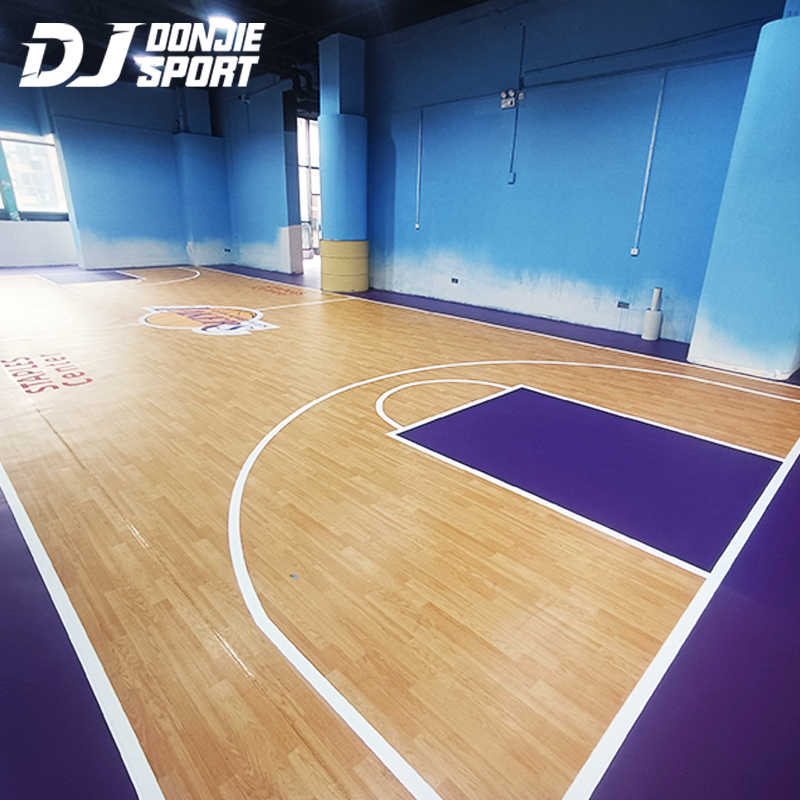
Comparing Indoor and Outdoor Flooring Options
While indoor and outdoor basketball courts both require durable surfaces, the conditions they face are vastly different. Indoor courts are typically shielded from the elements, which allows for more options such as wood, rubber, and interlocking tiles. On the other hand, outdoor courts need flooring that can withstand harsh weather conditions and exposure to moisture, which makes materials like asphalt, concrete, and specialized outdoor tiles ideal.
The key differences also come down to maintenance. Outdoor courts require more frequent repairs due to exposure to the weather, while indoor floors, especially hardwood, can last longer with proper upkeep.
How to Choose the Best Basketball Court Flooring
Factors to Consider: Budget, Usage, and Location
When selecting basketball court flooring, it’s essential to consider your budget, the level of use the court will receive, and the location of the court. For high-level competition, hardwood or Sport Court surfaces might be the best option, while recreational courts can benefit from rubber, modular tiles, or concrete.
Maintenance and Longevity: What to Expect
Some flooring options, like hardwood, require significant maintenance to keep them looking and performing at their best. Others, like rubber or modular tiles, are low-maintenance and easy to clean. When deciding, consider how much time and money you’re willing to spend on upkeep.
Safety and Performance: Key Considerations
Safety is always the top priority, so make sure to choose flooring that provides proper traction to prevent injuries. Materials like rubber and Sport Court surfaces offer superior shock absorption, which is vital for reducing stress on players’ joints and avoiding long-term damage.
Conclusion
Choosing the best basketball court flooring for your needs requires careful consideration of both performance and durability. Whether you’re looking for a professional-grade indoor court or a budget-friendly outdoor setup, there are plenty of options available. From hardwood floors and rubber tiles to asphalt and modular outdoor surfaces, each type offers its unique set of benefits and challenges.
No matter the choice, ensure that you factor in the long-term maintenance and performance needs to get the most out of your investment. By selecting the right flooring, you’ll be setting your court up for success—helping players perform at their best while also ensuring their safety and comfort.



