
Building or maintaining an outdoor basketball court comes with unique challenges, one of the most pressing being the effect of weather on the playing surface. Whether it’s the scorching heat of summer, freezing winter temperatures, or the constant exposure to rain and humidity, your court’s surface must be designed to withstand these elements.
Weatherproofing an exterior basketball court surface isn’t just about protecting it from damage — it’s about ensuring the longevity, playability, and safety of the court. A well-weatherproofed surface can last for years, maintain its aesthetic appeal, and provide consistent performance throughout different seasons.
In this guide, we’ll explore the best materials, protective solutions, and maintenance strategies to keep your basketball court in prime condition, no matter the weather conditions. From choosing the right surface to understanding the importance of coatings, drainage, and installation techniques, we’ll provide you with all the insights needed to make informed decisions about your outdoor court.
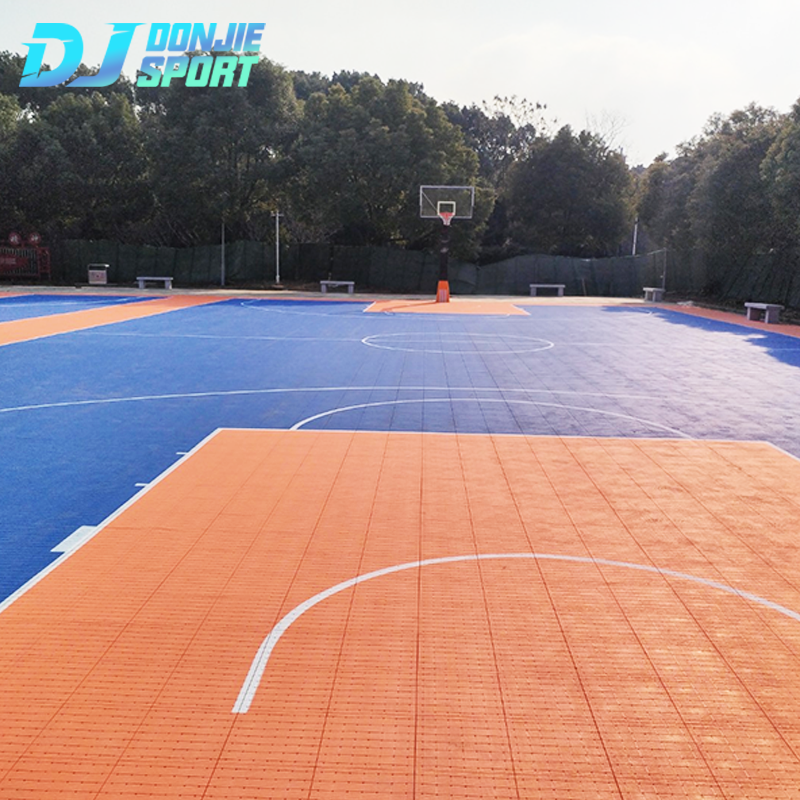
Types of Basketball Court Surfaces for Outdoors
When it comes to selecting a surface for an exterior basketball court, understanding the materials available is key to ensuring long-lasting durability and performance. Below, we will explore the most common basketball court surfaces for outdoor use, highlighting their pros, cons, and suitability for various weather conditions.
Asphalt: Durability and Cost-Effectiveness
Asphalt is one of the most commonly used materials for outdoor basketball courts. Known for its affordability and durability, it provides a solid foundation for intense play. It is also relatively easy to install, making it a popular choice for both residential and commercial courts. However, while asphalt holds up well against wear and tear, it can crack over time due to extreme weather conditions, especially in areas with freezing winters or high humidity.
To weatherproof asphalt courts, sealants and coatings are essential. Applying a high-quality sealant can protect the surface from moisture damage, prevent cracks, and enhance the court’s lifespan. Asphalt courts are generally low-maintenance but should be checked regularly for cracks and surface damage.
Concrete: A Stable Foundation for High Performance
Concrete offers a more durable and stable alternative to asphalt. It provides a smooth and even playing surface ideal for both casual games and professional play. Concrete is resistant to wear and tear, and with proper treatment, it can withstand varying weather conditions. However, like asphalt, concrete can crack due to expansion and contraction from temperature fluctuations.
To weatherproof a concrete court, surface treatments such as curing compounds and weather-resistant coatings are highly recommended. Concrete courts also benefit from proper drainage solutions to prevent water from pooling and causing cracks.
Polymeric Surfaces: The Modern Solution for Weather Resistance
Polymeric surfaces, such as rubberized or acrylic coatings, are growing in popularity for outdoor basketball courts. These synthetic materials are designed to be UV-resistant and water-resistant, making them ideal for areas with extreme weather. They also provide a cushioned surface that reduces the impact on players’ joints, offering a more comfortable playing experience.
Polymeric surfaces are typically applied as coatings over concrete or asphalt bases. They can resist fading from UV rays, reduce the risk of cracking due to temperature changes, and offer excellent grip for players. While they are more expensive than asphalt or concrete, their durability and minimal maintenance requirements make them a long-term investment.
Wooden Surfaces: Pros and Cons for Outdoor Use
Wooden surfaces are typically reserved for indoor basketball courts, but some specialized outdoor courts use weather-resistant wood varieties. Wood provides a high-performance, smooth surface and has an aesthetic appeal that many players and owners prefer. However, wood is susceptible to damage from moisture, UV rays, and temperature fluctuations.
Wooden outdoor basketball courts require constant upkeep, including regular sealing, staining, and weatherproofing treatments. The surface must also be checked for warping, splitting, or rotting, especially in areas with high moisture levels.
Key Considerations When Choosing Outdoor Basketball Court Surfaces
Selecting the right surface for your basketball court involves considering several factors. The material you choose will determine the longevity, performance, and maintenance requirements of the court. Here are some key considerations to keep in mind when making your decision:
Climate and Weather Conditions
Understanding your local climate is crucial when selecting an outdoor basketball court surface. If you live in a region with extreme temperatures, high humidity, or heavy rainfall, you’ll need a surface that can withstand these conditions without deteriorating. For example, polymeric coatings are ideal for areas with intense sun, as they offer UV protection. Asphalt or concrete surfaces may be more suitable for cooler climates, but they will need additional weatherproofing treatments.
Durability and Lifespan
Durability is a primary concern when choosing a surface for an outdoor court. Concrete and polymeric surfaces tend to have longer lifespans, but both require proper maintenance to prevent wear. Asphalt is cost-effective but may not last as long without frequent repairs. The more durable the material, the less you’ll need to worry about extensive weatherproofing over the years.
Maintenance Needs
Outdoor basketball courts are subject to the elements, so regular maintenance is vital. Materials like asphalt and concrete require periodic sealing and coating, while polymeric surfaces need fewer interventions. Drainage solutions should also be part of your long-term maintenance plan, ensuring water doesn’t accumulate on the court and cause damage.
Aesthetic Appeal
Finally, aesthetic considerations shouldn’t be overlooked. Polymeric surfaces, for example, can be customized with a variety of colors and designs, allowing you to create a visually appealing court. The right surface can enhance the look of your outdoor court, whether it’s for a residential property or a professional facility.
Weatherproofing Solutions for Outdoor Basketball Courts
Once you’ve chosen the right surface for your basketball court, it’s time to implement weatherproofing solutions that will help protect your investment. Here are the best options to ensure that your court remains in top condition despite the challenges of outdoor conditions.
Sealants and Coatings
Applying a high-quality sealant to your basketball court surface helps protect it from moisture, UV rays, and other weather-related wear. Sealants act as a barrier, preventing water from seeping into cracks and reducing the risk of expansion and contraction. Additionally, UV-resistant coatings prevent the color of your surface from fading under the sun.
Surface Texturing and Resurfacing
To enhance grip and ensure safety, surface texturing can be applied to both asphalt and concrete courts. Resurfacing the court every few years also improves its smoothness and playability, while fixing any minor imperfections that may have developed over time.
Drainage Solutions
Proper drainage is essential for preventing water damage. Installing a drainage system that directs rainwater away from the court helps maintain its integrity. Ensure the surface is slightly sloped to allow water to flow off, preventing puddles from forming and causing damage to the court.
UV-Resistant Materials
UV-resistant coatings and materials are a must for weatherproofing your court in areas with intense sun exposure. These materials prevent the sun from breaking down the surface, which can lead to cracks, fading, and a decrease in grip. Choosing UV-resistant surfaces like polymeric coatings ensures long-term performance.

The Role of Proper Installation in Weatherproofing
The way your outdoor basketball court is installed plays a critical role in its ability to withstand the elements. Professional installation ensures that the base is properly prepared, and the surface is correctly sealed. Factors such as the slope, drainage, and material application must all be carefully planned to prevent future issues with weatherproofing.
A poorly installed court can lead to issues like water pooling, cracking, or uneven surfaces. For the best results, hire experienced contractors who specialize in outdoor basketball courts and weatherproofing techniques.
How to Maintain and Protect Your Exterior Basketball Court
Maintaining your basketball court is essential to ensuring its longevity and performance. Here are some practical maintenance tips to help protect your court year-round:
Seasonal Care
-
Spring/Summer: Check for any signs of cracking or wear after winter. Clean the surface of debris and apply a fresh coat of sealant if necessary.
-
Fall/Winter: Prepare your court for cold weather by ensuring it’s clean and free of moisture. Avoid using heavy equipment that could damage the surface during freezing temperatures.
Regular Inspections
Inspect your court regularly for signs of wear, including cracks, stains, and areas with poor traction. Early identification of damage allows for quicker repairs and prevents further deterioration.
Cleaning and Repairs
Routine cleaning will prevent dirt and debris from accumulating and causing surface damage. Use a mild detergent and hose down the court to remove dirt. If you notice cracks or chips in the surface, repair them promptly to avoid further damage.
Ensuring Longevity and Performance of Your Basketball Court Surfaces
Weatherproofing your outdoor basketball court is essential for maintaining its performance, aesthetic appeal, and durability over time. Whether you choose asphalt, concrete, polymeric coatings, or wood, understanding how weather conditions affect the surface and implementing the right weatherproofing solutions will ensure your court stands the test of time. Regular maintenance and professional installation will further enhance the longevity of your court, ensuring that you can enjoy it for years to come.



