When it comes to building or renovating a basketball court, the type of flooring chosen plays a crucial role in performance, durability, and overall aesthetic appeal. Hardwood basketball court flooring, often considered the gold standard in court surfaces, is favored for its longevity, high-quality feel, and impact on gameplay. However, its initial cost can be a deterrent for some, especially when compared to more affordable alternatives like vinyl or rubber floors. In this article, we’ll take a closer look at whether investing in hardwood basketball court flooring is truly worth it, weighing its numerous benefits against the associated costs. Whether you’re a gym owner, a sports facility manager, or an enthusiast looking to upgrade your court, understanding the long-term advantages and potential challenges of hardwood flooring is essential to making an informed decision.
What Is Hardwood Basketball Court Flooring?
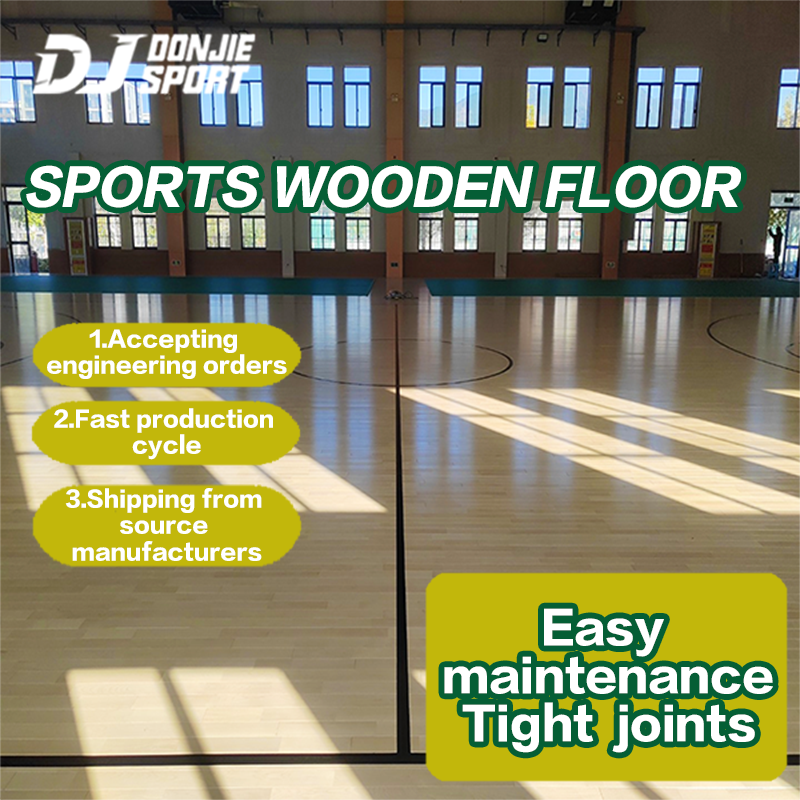
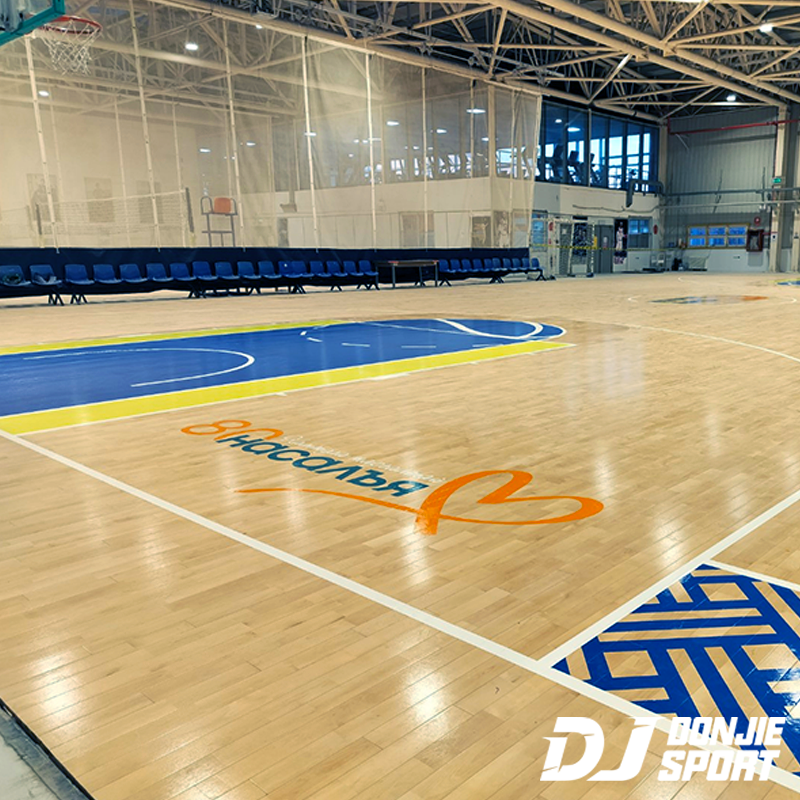
Hardwood basketball court flooring refers to a high-quality wooden surface commonly used in sports arenas, gyms, and schools. The most widely used type of hardwood for basketball courts is maple, known for its durability, resistance to wear, and uniform grain structure. Other hardwoods like oak are occasionally used, though maple is preferred for its superior bounce and playability. This flooring type is engineered to provide a consistent and smooth playing surface that enhances the game’s dynamics while ensuring player safety.
Unlike vinyl or rubber court surfaces, hardwood floors are made from solid wood planks that are carefully sanded and finished. This natural wood surface offers unparalleled performance in terms of rebound consistency and player traction. In professional arenas, hardwood flooring is not just about functionality—it also adds to the visual appeal of the court, contributing to a polished, professional look.
The Benefits of Hardwood Basketball Court Flooring
Durability and Long-Lasting Performance
One of the most significant advantages of hardwood basketball court flooring is its durability. When properly maintained, hardwood floors can last for decades, even in high-traffic environments. They are resistant to dents and scratches, maintaining a pristine appearance even after years of use. This longevity makes hardwood a cost-effective option in the long run, despite its higher upfront costs.
Enhanced Gameplay Experience
For players, the quality of the court surface can make a huge difference in their performance. Hardwood flooring provides a consistent bounce, which is crucial for the ball’s behavior during dribbling, shooting, and passing. The surface’s grip ensures that players have the traction needed to make quick cuts and sharp turns without slipping. This type of flooring also helps in reducing the risk of injuries by offering a slightly cushioned surface, which absorbs some of the impact from jumps and sprints.
Aesthetics and Premium Look
Hardwood courts are not only functional—they are also visually appealing. The rich, natural color of maple or oak adds a premium look to any basketball court. Hardwood floors create a sleek, professional ambiance that elevates the overall aesthetic of the facility. This premium appeal is why hardwood is often the flooring of choice in professional sports arenas and top-tier gyms.
Player Safety and Injury Prevention
The slightly springy nature of hardwood flooring helps in reducing the force of impact on players’ joints. This makes hardwood an excellent choice for preventing injuries associated with high-intensity sports like basketball. Its surface provides just the right balance between firmness for stability and cushioning to protect athletes from stress injuries.
Value Retention for Commercial Spaces
In commercial spaces, such as sports complexes and schools, investing in hardwood basketball flooring can be a significant selling point. Not only does it enhance the overall appeal of the venue, but hardwood flooring also helps retain the value of the property over time. A well-maintained hardwood court can serve as a key marketing tool, attracting more teams and events to the facility.
Factors to Consider Before Investing in Hardwood Flooring
Initial Cost Versus Long-Term Savings
While hardwood flooring offers exceptional durability and performance, it also comes with a hefty price tag compared to vinyl or rubber alternatives. The initial cost of hardwood installation can be several times higher. However, over time, the long-lasting nature of hardwood flooring means fewer repairs and replacements, which can ultimately save money.
Maintenance Requirements and Costs
Hardwood floors require regular maintenance to preserve their quality. This includes refinishing the surface every few years, re-coating the finish to prevent scratches, and ensuring that the floor is cleaned and treated properly to avoid moisture damage. The maintenance costs are an important consideration for facilities that expect a high volume of foot traffic.
Installation Process and Time Involved
The installation of hardwood basketball court flooring can be time-consuming, requiring professional installers who specialize in this type of flooring. The process includes subfloor preparation, installation of planks, and multiple layers of sanding and finishing. It is essential to factor in both the time it takes to install and the disruption it may cause to your facility’s regular operations.
Environmental Impact and Sustainability Concerns
As with any natural material, hardwood flooring raises questions about sustainability. It is important to ensure that the hardwood used is sourced responsibly, with certifications such as FSC (Forest Stewardship Council) to guarantee that the wood comes from sustainably managed forests. Eco-friendly options are increasingly available in the market, which helps mitigate the environmental impact.
Space Usage and Frequency of Play
Consider how often the basketball court will be used and whether hardwood flooring is necessary for your specific needs. For example, if the court will see limited use or be used for recreational purposes, a less expensive flooring option might be more appropriate. However, for high-use courts, such as professional arenas or gymnasiums, hardwood flooring’s benefits far outweigh the investment.
How Hardwood Flooring Affects Court Performance
Hardwood basketball court flooring has a direct impact on the performance of the game. The uniformity and bounce of the surface ensure that the ball behaves predictably, which is essential for players’ control. The grip provided by the wood prevents slipping during quick movements, providing players with the stability they need to execute their plays with precision. Hardwood floors also contribute to a higher level of overall player performance, particularly in professional-level games where every millisecond and movement matters.
Moreover, the slightly cushioned feel of hardwood provides shock absorption, reducing the wear and tear on players’ joints and muscles. This is crucial in a high-impact sport like basketball, where repetitive jumping and sprinting can lead to long-term injuries without proper floor cushioning.
Comparing Hardwood to Alternative Flooring Options
While hardwood remains the preferred choice for high-performance basketball courts, there are alternatives that some facilities may consider. Vinyl and rubber flooring options are often chosen for their cost-effectiveness and ease of maintenance. These surfaces are more affordable upfront but typically don’t offer the same level of performance or aesthetics as hardwood.
Vinyl flooring, for example, may not provide the same level of bounce consistency and grip as hardwood. Rubber floors, while durable, can feel too soft and may not offer the same springy feel that professional players expect. In terms of cost-effectiveness, while hardwood may cost more initially, its long-term value in terms of performance and longevity justifies the higher investment.
Maintenance and Care for Hardwood Basketball Court Flooring
Maintaining hardwood basketball court flooring is crucial to ensure its longevity and performance. Routine cleaning is essential to prevent dirt and debris from damaging the surface. Special cleaning solutions should be used to avoid harming the finish. Periodically, the court will need to be refinished, which involves sanding the surface to remove scratches and reapplying a protective coating to preserve its appearance and performance.
For busy courts with frequent use, it’s important to keep an eye on any signs of wear, such as surface dents or fading, and address them promptly to avoid more extensive repairs. Regular maintenance will extend the life of the hardwood floor, helping it stay in prime condition for years.
Case Studies: Real-Life Examples of Hardwood Basketball Courts
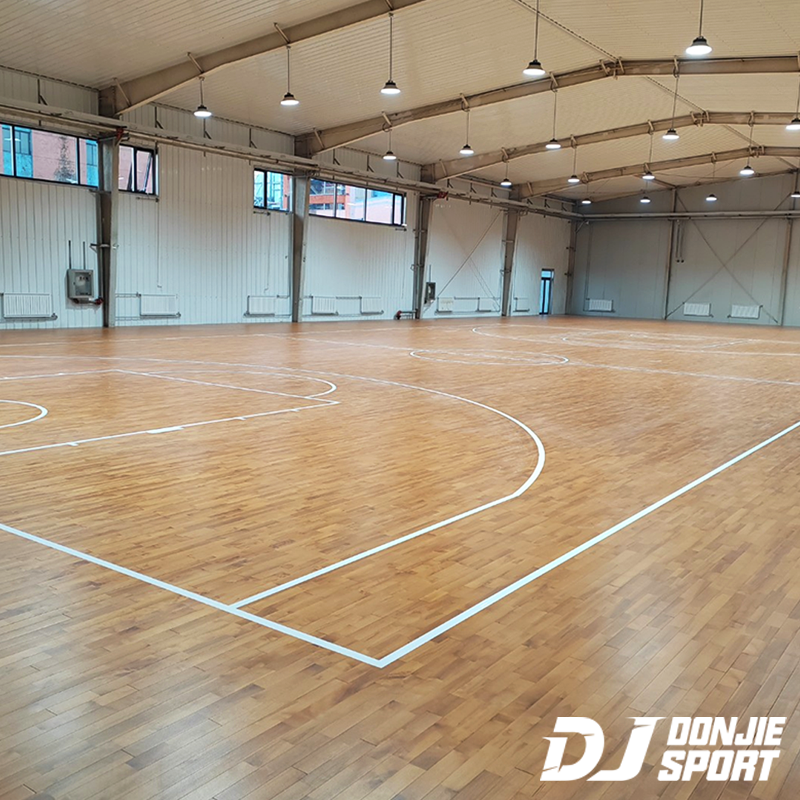
Notable venues like the NBA courts and collegiate arenas feature hardwood flooring, often maple, which has been chosen for its performance and aesthetic qualities. For instance, the TD Garden in Boston and the Staples Center in Los Angeles both use hardwood basketball court flooring. These courts are subjected to high traffic and intense games, but the floors stand the test of time, maintaining excellent performance and visual appeal.
Facility managers often note that the investment in hardwood flooring has paid off in the form of increased revenue, enhanced reputation, and better player satisfaction.
Is Hardwood Basketball Court Flooring Worth the Investment?
Ultimately, whether hardwood basketball court flooring is worth the investment depends on your specific needs and goals. If you are constructing a court for professional use or in a high-traffic area, the long-term benefits of hardwood flooring—such as durability, performance, and aesthetics—make it an excellent investment. However, for lower-traffic spaces or recreational courts, you may find that more affordable options suffice.
The value of hardwood flooring lies not only in its immediate impact but also in the lasting effects it has on gameplay, player safety, and the overall experience. The initial investment might be high, but when considering the lifespan and the premium feel of the court, hardwood flooring remains the top choice for serious basketball enthusiasts and professional facilities.
Conclusion
In conclusion, hardwood basketball court flooring offers a combination of durability, performance, and aesthetic appeal that is difficult to match. While it requires a larger upfront investment compared to other flooring options, its long-lasting nature and ability to elevate both the player experience and the venue’s prestige make it well worth the cost. When deciding whether hardwood is the right choice for your basketball court, it’s essential to weigh the benefits against your facility’s needs, budget, and usage frequency. However, for those seeking the best in both performance and longevity, hardwood flooring is a tried-and-true option that will continue to deliver exceptional results.