When it comes to building a basketball court, whether for a professional facility or a recreational space, one of the most crucial decisions you’ll make is selecting the right type of flooring. While many people may assume that all wooden floors are the same, basketball courts require specialized materials that can withstand the wear and tear of intense athletic activity. In this article, we’ll explore the key differences between Basketball Court Wood and Hardwood Floors, helping you make an informed decision about the best flooring option for your court.

What is Basketball Court Wood Flooring?
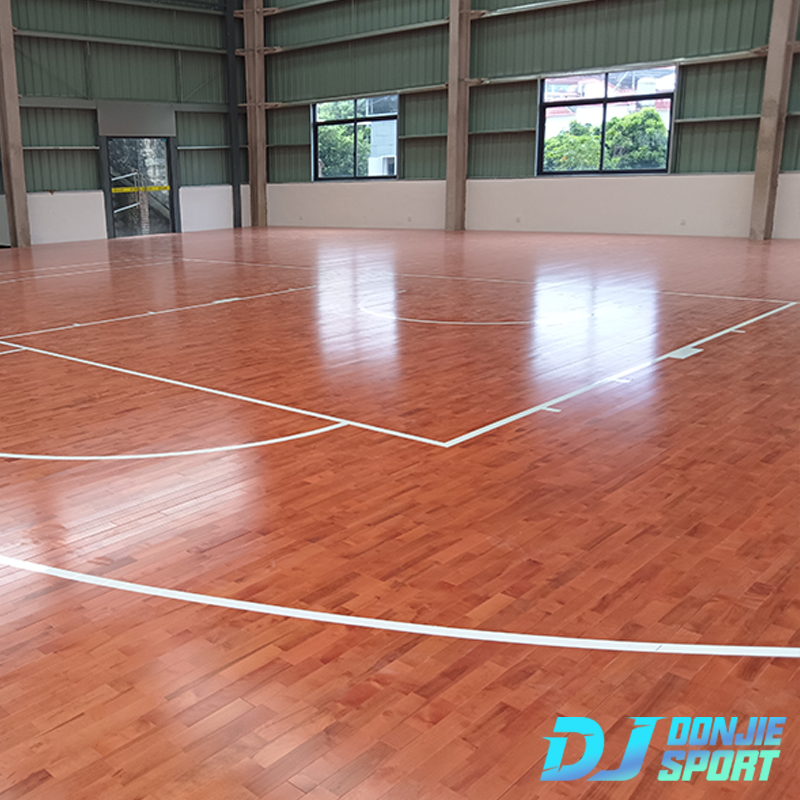
Basketball Court Wood Flooring refers specifically to the specialized wood surfaces used in sports arenas and indoor basketball courts. It is engineered to handle the unique demands of fast-paced, high-impact sports like basketball, where durability, performance, and player safety are top priorities.
Types of Wood Used for Basketball Courts
The most common type of wood used for basketball court flooring is maple, particularly Northern Maple. This type of wood is dense, resilient, and provides the ideal surface for performance. Other types of wood can be used, but maple is preferred due to its balance of durability and smoothness. The surface is typically finished with a polyurethane coating to further protect the wood and enhance its longevity.
Benefits of Basketball Court Wood Flooring
-
Durability: Basketball court wood is designed to withstand heavy foot traffic, quick pivots, and constant ball bounce.
-
Player Safety: The shock absorption of the wood helps reduce injury risk for players, offering a cushioned yet firm surface for high-impact activities.
-
Aesthetic Appeal: The smooth, polished appearance of basketball court wood flooring creates a professional and appealing look, making it a popular choice for both professional arenas and recreational gyms.
-
Easy Maintenance: When properly maintained, Basketball Court Wood Flooring can last for decades. Regular cleaning and refinishing ensure that the floor maintains its quality over time.
Understanding Hardwood Floors: Beyond the Court
Hardwood floors, in a more general context, are versatile, high-quality flooring options used in both residential and commercial spaces. These floors are crafted from solid wood, providing a classic, natural appearance that enhances any room. Though hardwood floors can be found in homes, offices, and retail spaces, they are not specifically built for the demands of sports or heavy physical activity.
Various Types of Hardwood Flooring
Hardwood flooring is typically made from oak, walnut, cherry, or maple. However, unlike basketball court wood, these floors are not designed to absorb shocks or withstand intense wear and tear. While they offer an attractive, durable surface, they lack the specialized properties that make basketball court wood suitable for athletic environments.
Advantages of Hardwood Flooring in General Use
-
Aesthetic Flexibility: Hardwood floors can be stained in a variety of shades, fitting a wide range of interior designs.
-
Durability for Light to Medium Traffic: In homes and offices, hardwood floors provide a long-lasting surface, but they are not built to handle the extreme conditions of a sports court.
-
Value-Boosting: Hardwood floors are a sought-after feature in homes, increasing property value.
Key Differences Between Basketball Court Wood and Hardwood Floors
While both basketball court wood and hardwood flooring are made from wood, their intended use and physical properties vary significantly. Below are some key differences:
Material Comparison: Durability, Flexibility, and Surface Texture
-
Basketball Court Wood: The wood used for basketball courts is highly durable and flexible, designed specifically to absorb the impact of player movement and ball bounces. It is treated to handle moisture, temperature changes, and wear from constant use.
-
Hardwood Floors: While durable for everyday use, hardwood floors do not have the same level of flexibility and impact resistance. They can suffer from dents, scratches, and warping when exposed to heavy foot traffic or high-impact activities.
Purpose and Performance
-
Basketball Court Wood: Engineered for performance, basketball court wood flooring helps players maintain control and reduce fatigue due to its shock-absorbing properties.
-
Hardwood Floors: Though excellent for home use, hardwood floors don’t provide the same support and performance needed for sports environments. They lack the ability to handle the physical demands of a high-energy game like basketball.
Maintenance
-
Basketball Court Wood: Regular maintenance includes refinishing the floor to maintain its smoothness, replacing sections of wood if damaged, and ensuring the floor stays clean and free of debris to maintain grip and safety.
-
Hardwood Floors: Regular sweeping and occasional refinishing are sufficient for hardwood floors in home settings, but they are not subject to the same heavy-duty cleaning that basketball court wood requires.
Cost Analysis
-
Basketball Court Wood: The price of installing basketball court wood flooring is often higher due to the specialized material and installation process, which includes custom finishing and coatings for durability and safety.
-
Hardwood Floors: Hardwood floors can be less expensive, especially when used in residential applications. However, their longevity and resistance to wear in a gym or sports setting may be lower than that of basketball court wood.
Pros and Cons of Basketball Court Wood Flooring
Basketball court wood flooring offers several advantages but also comes with some challenges.
Pros
-
Durability: It can withstand the rough demands of professional sports and heavy foot traffic.
-
Safety: Provides proper shock absorption, reducing the risk of injuries.
-
Customizable: Available in various designs and finishes to suit the aesthetic of any gym or arena.
-
Professional Look: The polished and clean finish creates a high-quality, professional appearance.
Cons
-
Cost: The installation and maintenance can be expensive.
-
Maintenance: Requires regular care to keep it in top condition, including refinishing every few years.
-
Vulnerability to Environmental Factors: If exposed to moisture or extreme temperature fluctuations, the wood may warp or expand.
Why Choose Hardwood Floors for Basketball Courts?
While basketball court wood is the standard for professional and recreational sports venues, there are certain circumstances where hardwood floors might be preferred.
Cost-Effectiveness
In some cases, hardwood floors can be a more budget-friendly choice for those looking to create a basketball court in a residential setting or smaller gym. They offer a good balance between aesthetic appeal and durability for less intensive use.
Unique Look
For some, hardwood floors’ timeless appeal can be a deciding factor. Hardwood offers a distinct, classic look that may be more fitting for home gyms or spaces where visual appeal is important alongside functionality.
Which Is Right for Your Court?
When deciding between basketball court wood and hardwood flooring, it’s important to consider the level of use your court will endure. Basketball court wood is the best choice for high-impact, competitive environments, providing the durability, shock absorption, and safety needed for intense gameplay. On the other hand, hardwood floors may be a suitable alternative for less-demanding environments, offering beauty and basic functionality at a lower cost.
Ultimately, your choice will depend on your budget, the type of usage the court will see, and the aesthetic value you want to achieve. By weighing the pros and cons of each option, you can make the best decision for your basketball court’s needs.