Choosing the right flooring for basketball court is an essential decision that can impact the performance of the game, safety of players, and the overall aesthetics of the court. Whether you’re outfitting a professional arena, a school gym, or your own home court, selecting the best flooring is more than just a matter of appearance. The right choice can enhance your game, prevent injuries, and reduce long-term costs. In this guide, we’ll dive into various flooring options and what factors to consider to ensure you make the right choice.

Types of Basketball Court Flooring
1. Wooden Flooring (Hardwood and Parquet)
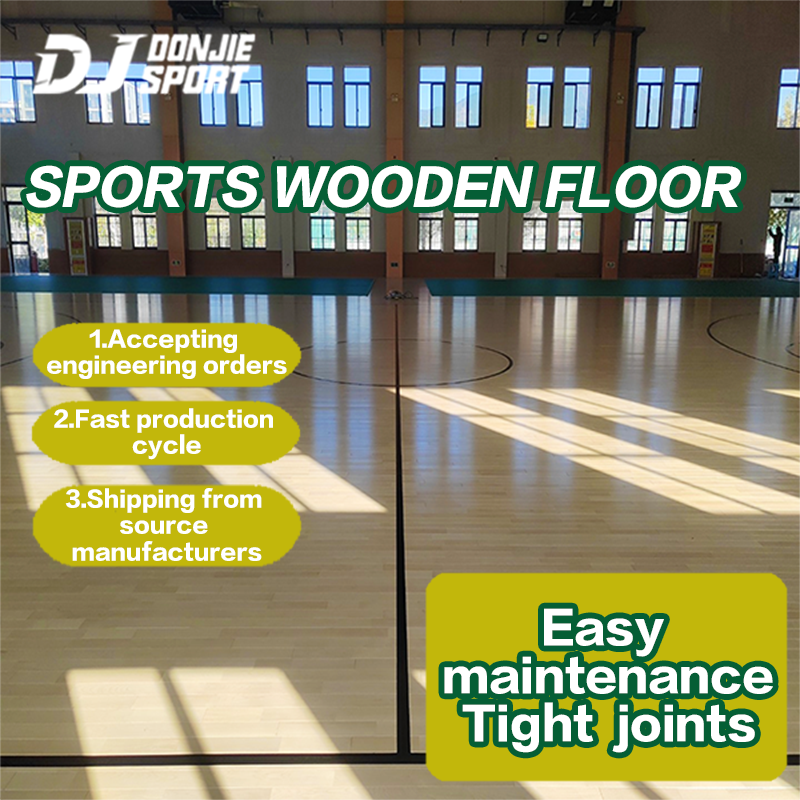
Wooden flooring has long been the gold standard for basketball courts, particularly in professional and indoor settings. Hardwood and parquet floors offer exceptional durability, a sleek finish, and a high level of performance. These floors are designed to absorb the impact of high-intensity movements and provide a consistent bounce for the ball.
Benefits:
-
Durability: Wood floors are highly durable and can last for years if properly maintained.
-
Classic Aesthetic: Hardwood provides a premium, traditional look that is commonly associated with professional basketball courts.
-
Performance: Excellent ball bounce and player traction make it ideal for high-level play.
Considerations:
-
Maintenance: Hardwood floors require regular maintenance, including refinishing and resealing, to preserve their appearance and performance.
-
Cost: Wooden floors can be expensive to install and maintain, making them less accessible for budget-conscious users.
2. Rubber Flooring
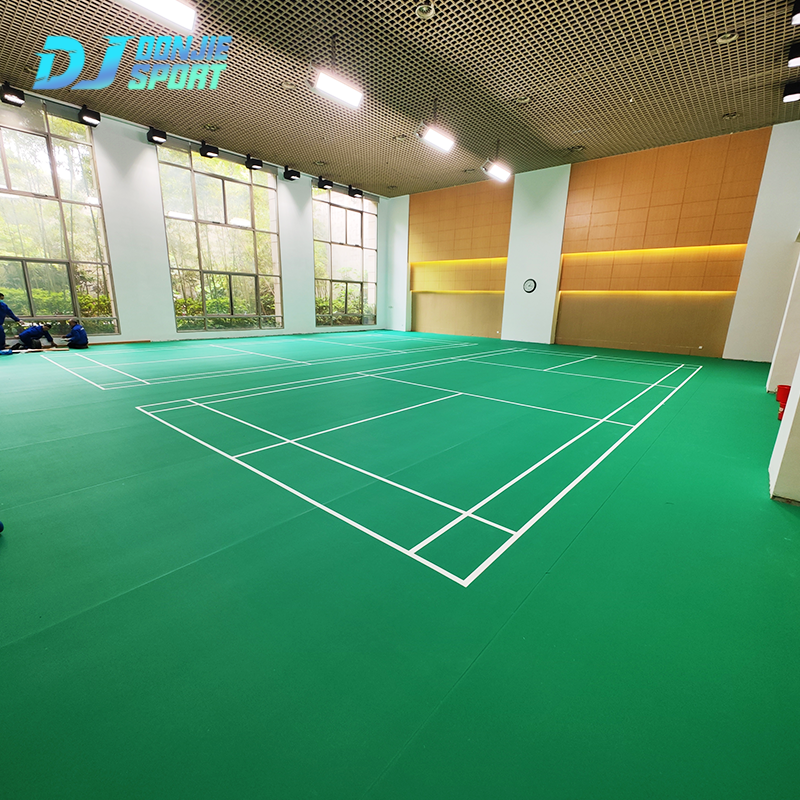
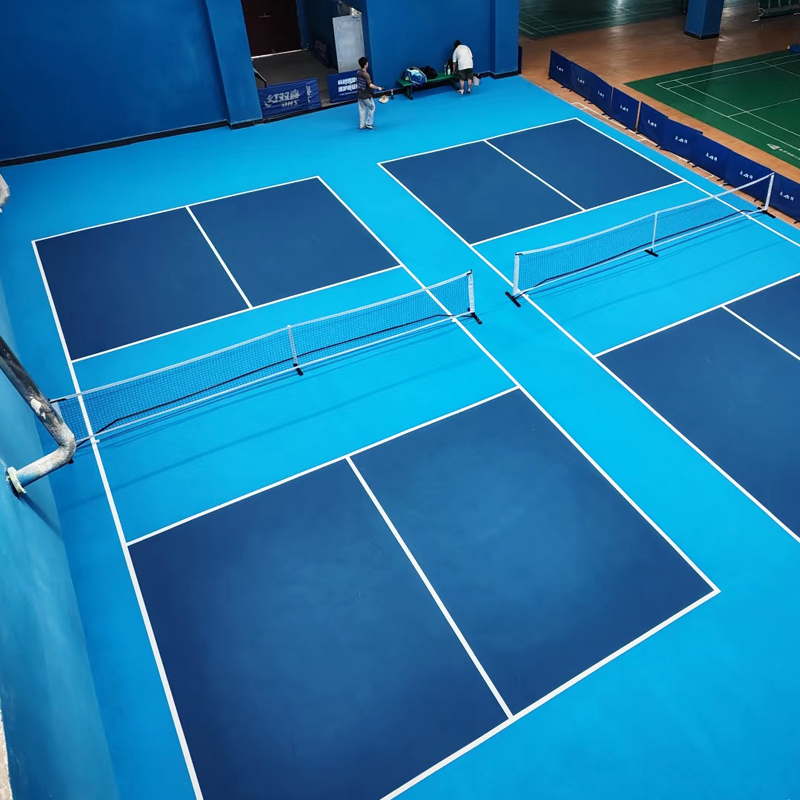
Rubber flooring is an increasingly popular choice for basketball courts due to its safety features and shock absorption qualities. It’s often used in recreational centers, schools, and gyms, where safety and comfort are top priorities.
Benefits:
-
Safety: Rubber is an excellent material for reducing the risk of injuries due to its shock-absorbing properties.
-
Cost-Effective: It is typically more affordable than hardwood and requires less maintenance.
-
Durability: Rubber flooring can withstand heavy use and is resistant to scratches and dents.
Considerations:
-
Aesthetic: While functional, rubber flooring lacks the traditional appearance of wood and may not be suitable for professional courts.
-
Performance: It doesn’t offer the same ball bounce or player traction as wood, which may impact gameplay for more serious players.
3. Vinyl Flooring
Vinyl flooring is another affordable option that is widely used in gyms and recreational centers. It comes in a variety of styles, including roll-out sheets and tiles, and can mimic the look of hardwood while offering easier maintenance.
Benefits:
-
Affordability: Vinyl is a budget-friendly flooring choice with various price points available.
-
Easy Installation and Maintenance: Vinyl is easy to install and requires minimal maintenance.
-
Variety: Available in various colors and patterns, it can be customized to match the design of your gym or court.
Considerations:
-
Wear and Tear: Over time, vinyl can show signs of wear, particularly in high-traffic areas.
-
Performance: Like rubber, vinyl lacks the bounce and grip of hardwood, which can affect gameplay.
4. Synthetic Flooring
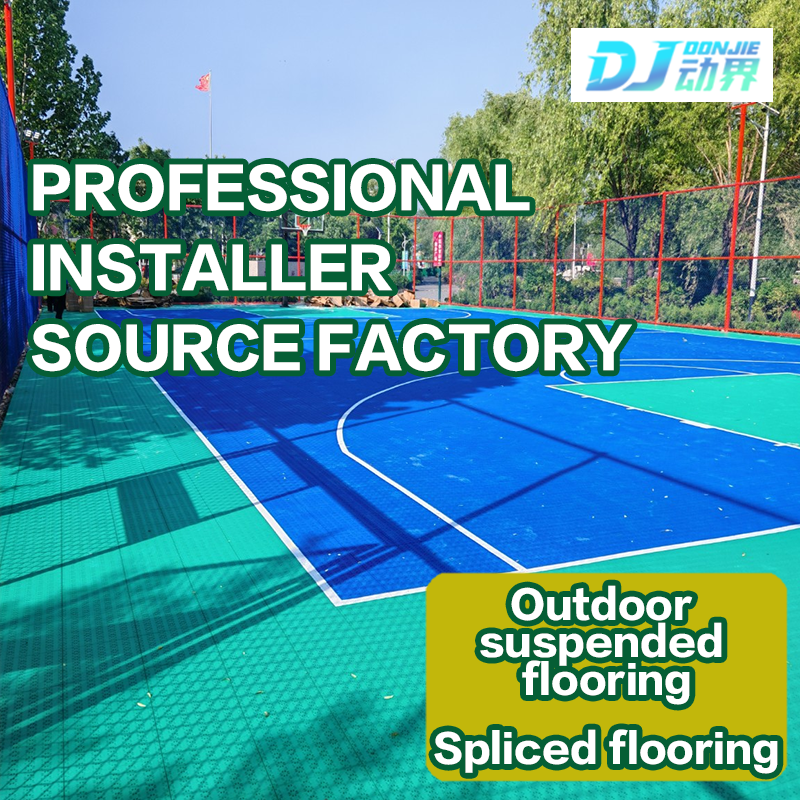
Synthetic flooring is designed to mimic the feel of wood while providing lower maintenance and longer durability. Often used in both indoor and outdoor settings, it’s ideal for users who want a balance of performance and cost-efficiency.
Benefits:
-
Durability: Synthetic floors are designed to last for a long time, even in high-traffic conditions.
-
Low Maintenance: These floors require less upkeep compared to hardwood, and they are resistant to stains, scratches, and moisture.
-
Cost-Effective: Generally cheaper than hardwood but still offers solid performance.
Considerations:
-
Less Authentic Feel: While synthetic floors can replicate wood in appearance, they may not provide the same authentic feel or bounce.
-
Performance: While good, it may not match the top-tier performance of hardwood flooring, especially for professional play.
Key Factors to Consider When Choosing Flooring
1. Durability and Longevity
Durability is a critical factor when choosing basketball court flooring. High-traffic courts, especially in schools or sports complexes, need flooring that can withstand constant use without showing signs of wear. Hardwood is known for its longevity, but it requires proper care, while synthetic and rubber floors tend to offer better resistance to wear and tear over time.
2. Safety and Comfort
Safety should be your top priority when selecting flooring for a basketball court. Non-slip surfaces are crucial to preventing injuries, and flooring that offers proper shock absorption can protect players from impact injuries. Hardwood and rubber floors are particularly good at providing cushioning and traction, while vinyl and synthetic floors may lack the same safety features.
3. Budget Considerations
The cost of flooring varies widely depending on the material you choose. Hardwood is the most expensive option, but it provides the best performance. Synthetic and rubber floors are generally more affordable and can offer great value for recreational courts, though they might not offer the same elite level of performance as wood.
4. Maintenance and Cleaning
Another important consideration is the amount of maintenance required. Hardwood floors need to be refinished periodically to maintain their smooth surface, while synthetic and vinyl floors are easier to clean and maintain. Rubber flooring, although durable, may require regular cleaning to remove dirt and debris.
Indoor vs. Outdoor Basketball Court Flooring
1. Indoor Court Flooring
For indoor basketball courts, hardwood is the traditional and preferred choice due to its exceptional performance and aesthetics. It’s perfect for professional courts and schools. However, synthetic and vinyl floors are also good options for those on a budget or looking for low-maintenance alternatives.
2. Outdoor Court Flooring
Outdoor courts need to withstand the elements, including moisture, UV rays, and temperature fluctuations. Rubber and synthetic flooring are often the best choices for outdoor courts due to their resilience to weather. However, they may not provide the same ball bounce or traction as hardwood.
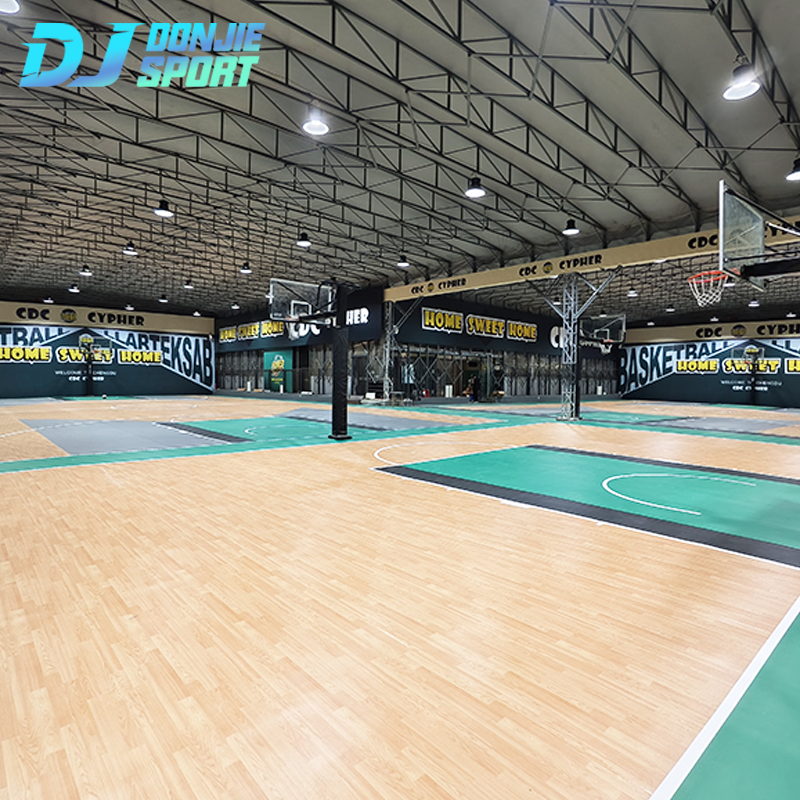
Choosing the Right Flooring Based on Your Needs
1. For Professional Courts
For top-tier performance, hardwood is the ideal flooring choice. It offers superior bounce, player traction, and durability, making it the preferred option for professional basketball arenas. It may come at a higher initial cost, but the investment is worth it for the performance benefits.
2. For Home Courts
For home basketball courts, cost-effective options like rubber or vinyl flooring can be a great choice. These materials provide solid performance, easy maintenance, and a much lower cost compared to hardwood, making them ideal for personal use.
3. For Schools and Community Centers
For schools and community centers, a balance between performance, safety, and budget is key. Synthetic or vinyl flooring offers an excellent compromise between durability, ease of maintenance, and cost. Rubber flooring is also a great option for safety-focused spaces.
Conclusion
When choosing the best flooring for your basketball court, it’s essential to consider factors such as durability, safety, budget, and maintenance. Hardwood flooring is ideal for professional courts and those seeking top-tier performance, while rubber and synthetic options are great for recreational courts and budget-conscious users. Regardless of your choice, the right flooring will not only enhance the game but also ensure the safety and longevity of your court.