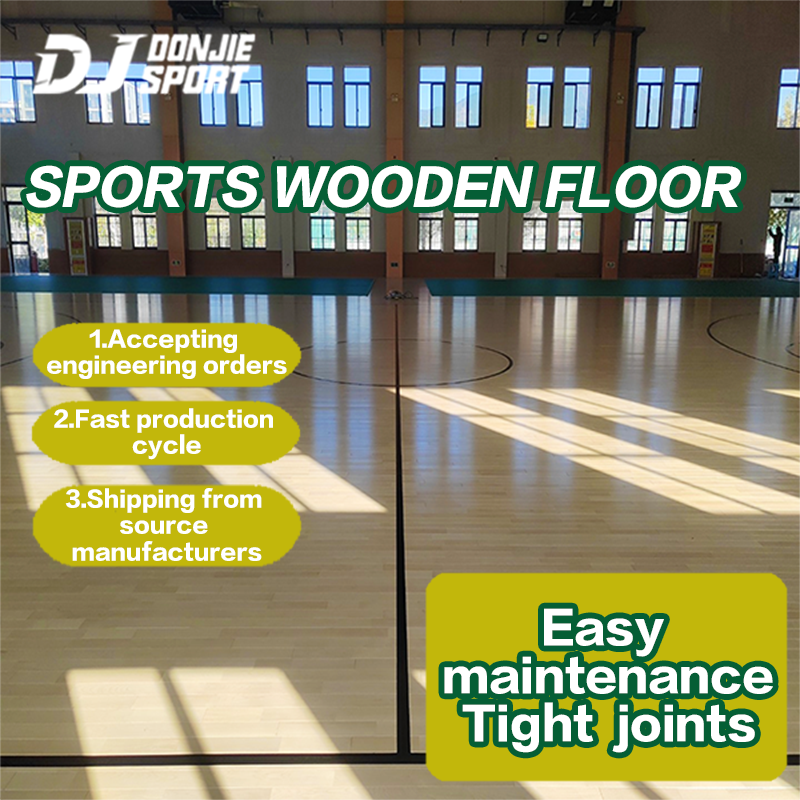
When designing a basketball court, the choice of flooring is more than just an aesthetic decision—it directly influences both player performance and the durability of the facility. Basketball court hardwood flooring stands out as the top choice for courts worldwide, from professional arenas to local gyms. This type of flooring not only provides a visually appealing surface but also offers the best performance advantages in terms of player safety, movement, and ball control.
In this article, we’ll explore why basketball court hardwood flooring is essential for optimizing the game experience. We will also highlight its durability, cost-effectiveness, and how it adds value to any sports facility, making it an investment worth considering.
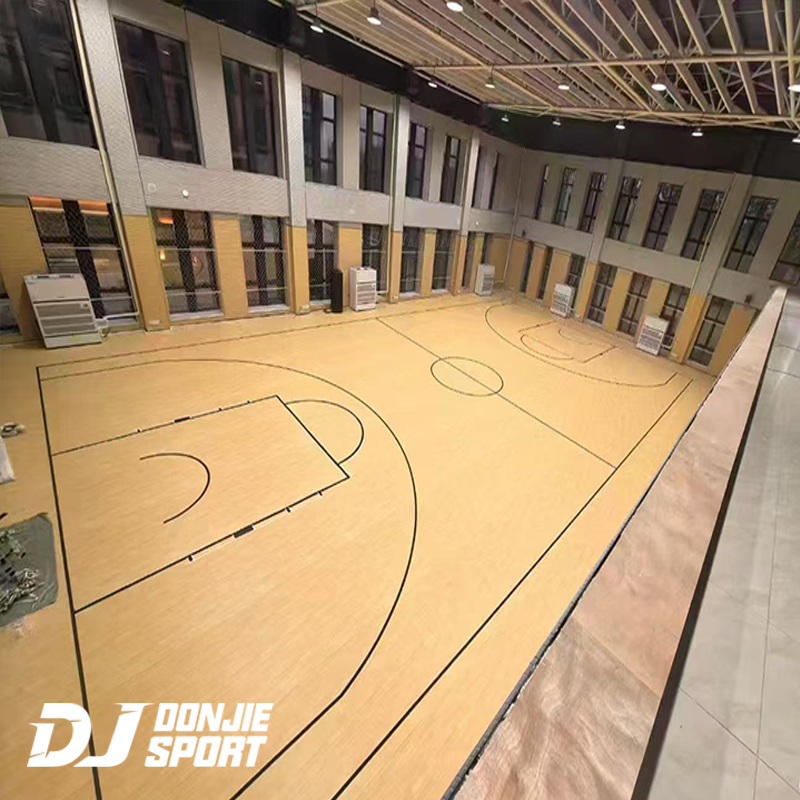
What Makes Hardwood Flooring Ideal for Basketball Courts?
Hardwood flooring has been the gold standard in basketball courts for decades. But what makes it such a perfect choice? The answer lies in the material’s natural properties and how they enhance the court’s functionality.
First, hardwood is renowned for its strength. When installed properly, it can endure the heavy foot traffic, high-impact activities, and sudden, sharp movements that basketball players often make. This makes it the ideal flooring for high-performance environments, where durability is crucial.
Furthermore, hardwood’s shock absorption capabilities help minimize the risk of injuries. When players jump, land, or make fast pivots, the hardwood flooring provides just the right amount of cushioning. This reduces the strain on joints and muscles, helping prevent injuries like sprained ankles or knee strain, which are common on harder surfaces such as concrete or tile.
Finally, the natural smoothness of hardwood flooring makes it the best choice for optimal ball bounce. It ensures the ball moves predictably across the court, giving players better control and allowing them to showcase their skills with precision.
The Role of Basketball Court Hardwood Flooring in Player Performance
The performance of a basketball court is directly influenced by its flooring. Hardwood flooring offers several benefits that support not only the safety of players but also their overall performance during games and practices.
Player movement is enhanced on hardwood floors because they provide just the right amount of grip. Unlike slicker surfaces that may cause players to slip, hardwood allows for controlled movements, helping players cut, pivot, and jump with confidence.
Another critical element in player performance is safety. Hardwood flooring has a more forgiving surface compared to concrete or tile, absorbing some of the impact when players jump or land. This reduces the risk of impact injuries, such as sprains or fractures, and helps players perform their best without worrying about the risk of injury from the surface.
Additionally, the hardwood’s consistent ball bounce ensures the game remains fluid. The ball reacts predictably to dribbling, passing, and shooting, helping players maintain control and build a more dynamic game. For these reasons, hardwood courts are preferred at all levels, from recreational gyms to professional arenas.
Durability: Why Hardwood Floors Stand the Test of Time
Durability is one of the most significant advantages of basketball court hardwood flooring. When you invest in hardwood, you’re investing in flooring that can withstand years of intense usage.
Hardwood floors are highly resistant to wear and tear. The natural grain structure of wood, coupled with the strength of modern coatings and finishes, makes hardwood floors resistant to damage from shoes, basketballs, and even cleaning equipment. Unlike carpeted or vinyl flooring, hardwood doesn’t show the wear patterns of heavy use.
Moreover, hardwood flooring is easy to maintain. Regular sweeping and occasional mopping are typically all that’s needed to keep it looking fresh. With proper care, refinishing once every 5 to 7 years can restore the wood’s original sheen and ensure it continues to perform well.
If well-maintained, hardwood courts can last for decades, making them a wise choice for long-term investments. Whether you’re building a professional sports facility or a local gym, hardwood ensures that the court will remain in great shape for years to come.
Aesthetic Appeal: Hardwood Flooring’s Influence on Court Design
Aside from functionality, basketball court hardwood flooring brings a certain aesthetic appeal to a sports facility. The natural beauty of hardwood, with its rich texture and warm tones, creates a visually appealing environment that enhances the overall atmosphere of any gym or arena.
The glossy finish of a hardwood court creates a striking look, reflecting light and giving the space an open, clean feel. For professional teams, hardwood flooring offers an opportunity for custom branding—logos, team colors, and unique designs can be incorporated into the floor, adding a layer of personalization that enhances the team’s identity.
Moreover, the design of the court can influence the game experience. A well-designed hardwood floor makes the venue feel more prestigious, improving the audience’s perception and elevating the entire game experience. Whether it’s for a youth league or professional sports, a hardwood court adds an air of sophistication and legitimacy.
Cost-Effectiveness: Hardwood Flooring as a Long-Term Investment
While hardwood flooring may come with a higher upfront cost compared to alternatives like vinyl or rubber, it is often the most cost-effective option in the long run. Here’s why:
First, hardwood is durable. As mentioned earlier, it can withstand heavy foot traffic and daily use without deteriorating. Vinyl and rubber surfaces may need to be replaced or repaired more frequently due to scratches, rips, and scuffs, while hardwood typically only requires periodic maintenance, such as refinishing and occasional repairs.
Additionally, hardwood flooring adds value to a basketball facility. Whether you’re installing it in a gymnasium or a professional sports arena, a hardwood floor can elevate the entire facility’s appearance and value. This can be especially important for those looking to rent or sell their space in the future.
Overall, investing in hardwood basketball flooring means spending money on something that will stand the test of time, providing consistent performance and minimal maintenance costs over the years.
The Installation Process: What You Need to Know
Installing hardwood basketball court flooring requires careful planning and execution. Here’s what to keep in mind during the installation process:
Step 1: Subfloor Preparation
A smooth, level subfloor is essential for proper hardwood installation. The surface should be free of moisture, as moisture can cause wood to warp or swell over time. A vapor barrier may be required to protect the hardwood from moisture damage.
Step 2: Choosing the Right Wood
Not all hardwood is the same. The wood species selected will affect the overall durability and aesthetic of the court. Oak is the most commonly used wood for basketball courts due to its durability and consistent grain, but other species like maple or ash are also popular.
Step 3: Professional Installation vs DIY
While DIY installation may seem cost-effective, it requires expertise in handling large planks, ensuring proper adhesive application, and maintaining uniformity across the court. Professional installation ensures that the floor is perfectly level, securely fastened, and treated with the proper finishes to make it durable and safe for play.
Step 4: Finishing Touches
Once the hardwood is installed, it must be treated with a protective finish to ensure durability. This can include sanding, staining, and applying a coat of polyurethane or another sealing agent. The finish ensures that the wood is not only protected from wear but also provides the desired level of gloss and texture for gameplay.

Maintaining Basketball Court Hardwood Flooring for Longevity
Maintenance is key to keeping hardwood basketball court flooring in optimal condition for years to come. Here’s how to care for it:
Regular Cleaning
Dust, dirt, and debris can build up on the surface, so it’s important to sweep the court regularly. Mopping with a damp (not wet) mop can help remove stubborn dirt or stains without damaging the wood.
Refinishing
Over time, the finish on the hardwood may begin to wear. Regular refinishing every few years can restore the wood’s protective layer, prevent wear, and keep the floor looking new.
Handling Minor Damage
While hardwood is durable, it can sustain scratches or dents. For minor damage, sanding and refinishing can restore the surface. For more significant damage, it’s best to consult a professional to repair or replace the affected planks.
Protecting from Moisture
Wood is vulnerable to moisture, so it’s important to ensure that the court remains dry. Spills should be cleaned immediately to prevent long-term damage, and a vapor barrier under the flooring can protect against humidity.
Conclusion
In conclusion, basketball court hardwood flooring is the best choice for those looking to enhance both the performance and durability of their courts. Its strength, shock absorption, and aesthetic appeal make it an ideal solution for high-performance environments. The investment in hardwood not only provides a high-quality surface for players but also offers long-term cost savings due to its durability and low maintenance needs.
When it comes to building a basketball court that will stand the test of time, hardwood flooring is the smart investment that ensures both the players’ safety and the court’s longevity. Whether for professional arenas or local gymnasiums, hardwood flooring continues to be the top choice for performance-driven sports facilities.