
When it comes to choosing the right basketball court flooring, facility owners and athletic directors face an important decision: hardwood or synthetic flooring? Both options offer distinct advantages and have specific qualities that make them suitable for different needs. While hardwood is the classic choice for professional courts, synthetic options are gaining popularity due to their affordability and practical benefits. This guide will compare the two, highlighting the factors that can help you make an informed decision for your basketball court flooring.
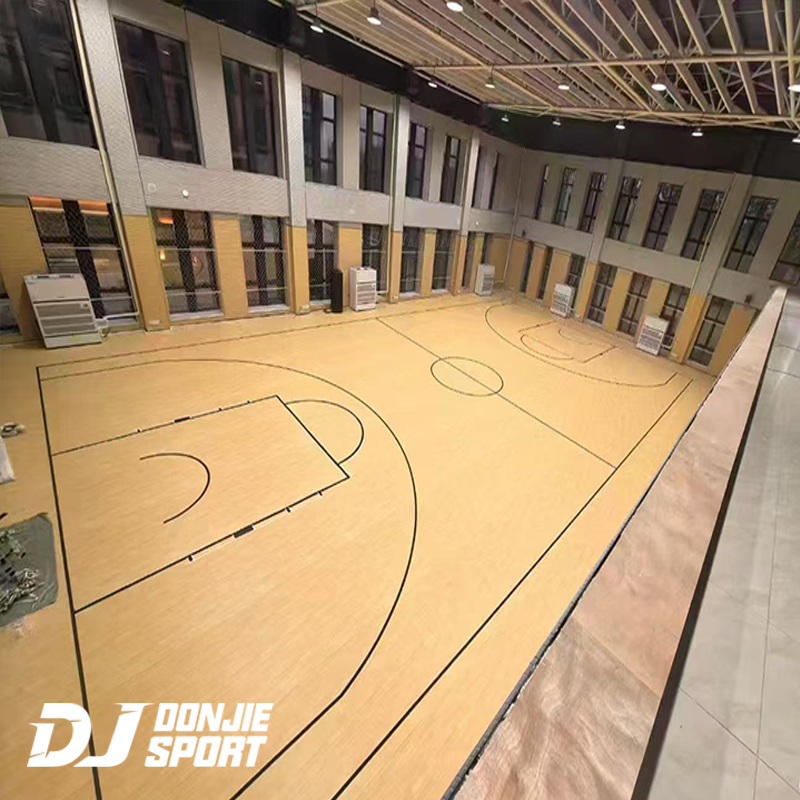
What Is Hardwood Basketball Court Flooring?
Characteristics of Hardwood Flooring
Hardwood basketball court flooring is typically made from maple wood, which is renowned for its durability and ability to withstand heavy foot traffic. The wood is carefully prepared, sanded, and finished to create a smooth, consistent surface. Hardwood floors are typically used in indoor courts and are considered the gold standard in professional sports arenas.
Benefits of Hardwood Flooring
-
Aesthetic Appeal: Hardwood flooring has a timeless and prestigious look that elevates any court. The warm, natural grain of the wood adds character and elegance, making it a popular choice for high-profile venues.
-
Enhanced Performance: Hardwood flooring provides optimal traction and bounce for basketball players. The surface allows for quick movements, sharp turns, and excellent ball control, essential for high-level performance.
-
Durability: When properly maintained, hardwood floors can last for decades. Regular refinishing helps preserve the surface and enhances its resistance to wear and tear.
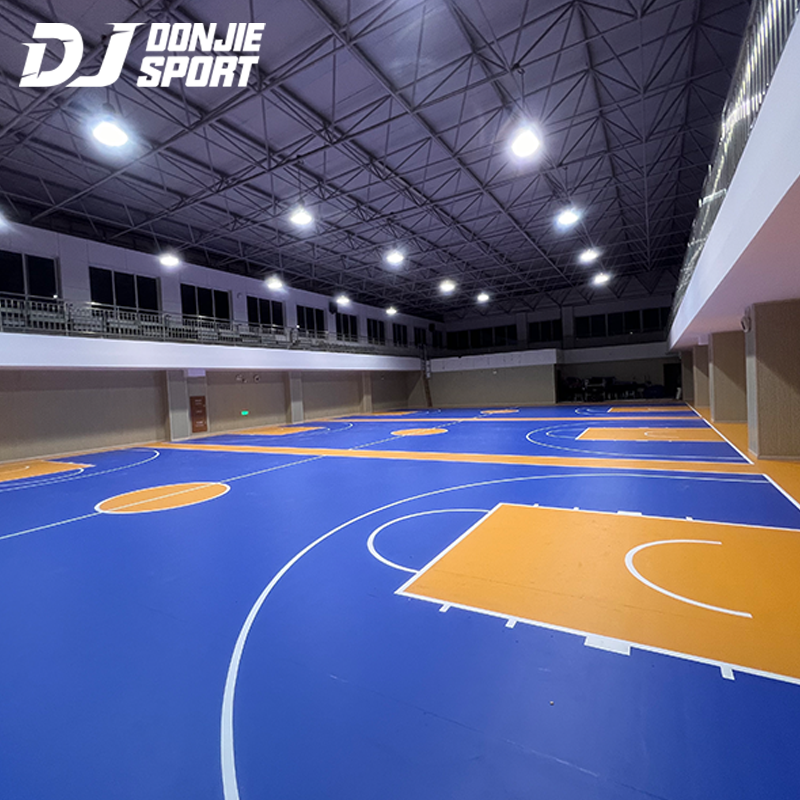
What Is Synthetic Basketball Court Flooring?
Characteristics of Synthetic Flooring
Synthetic basketball court flooring typically includes materials like PVC, rubber, or polyurethane, designed for easy installation and long-lasting performance. These surfaces are available in various forms, such as interlocking tiles or rolls, which can be laid down quickly. Synthetic flooring is commonly used in both indoor and outdoor courts.
Benefits of Synthetic Flooring
-
Cost-Effectiveness: Synthetic flooring is often significantly cheaper than hardwood, making it an attractive option for schools, recreational centers, and community gyms. It offers a more affordable alternative without sacrificing functionality.
-
Ease of Installation: Unlike hardwood, which requires a professional team for installation, synthetic flooring can often be installed by a smaller crew or even by the facility’s maintenance staff, saving on labor costs.
-
Weather Resistance: Synthetic floors, especially those designed for outdoor use, are engineered to withstand extreme weather conditions, from rain to intense sunlight. This makes synthetic flooring ideal for outdoor basketball courts or areas prone to fluctuating weather.
Performance Comparison
Impact on Player Performance
-
Hardwood: Players often prefer hardwood flooring for its superior bounce and grip. The natural wood texture provides an authentic feel, contributing to better control during dribbling and shooting. The even surface helps players maintain stability during rapid direction changes and high jumps.
-
Synthetic: Synthetic surfaces tend to provide consistent bounce and even traction but can lack the same natural feel as hardwood. Depending on the material used, synthetic floors might offer a slightly firmer or more cushioned feel underfoot, which can affect player comfort.
Safety Aspects
-
Hardwood: Hardwood floors are known for their shock absorption, which is crucial for reducing the risk of joint injuries. The smooth finish also reduces the likelihood of tripping, enhancing player safety.
-
Synthetic: Many synthetic floors come with anti-slip properties, which improve safety during play. The additional cushioning can also help absorb impacts, making synthetic flooring safer for players who need support for long hours of play.
Durability and Maintenance
Hardwood Flooring Maintenance
Hardwood floors require ongoing maintenance to keep them in top condition:
-
Regular Cleaning: Sweeping and mopping should be done frequently to avoid dirt buildup and preserve the finish.
-
Sanding and Refinishing: Over time, the wood surface may become scratched or worn down. Sanding and refinishing every few years restore the smoothness and protect the wood from further damage.
-
Longevity: With proper care, hardwood floors can last for decades, providing excellent long-term value.
Synthetic Flooring Maintenance
One of the key advantages of synthetic flooring is its low maintenance requirements:
-
Simple Cleaning: Regular sweeping and occasional mopping are typically sufficient to keep synthetic floors clean.
-
Resistance to Wear: Synthetic floors are more resistant to scratches and stains than hardwood, which means they require fewer repairs.
-
Outdoor Durability: Many synthetic surfaces are specifically designed to withstand UV exposure, water, and extreme temperatures, making them ideal for outdoor installations.
Cost Considerations
Initial Installation Costs
-
Hardwood: The upfront cost of installing hardwood flooring is typically higher due to the material and labor costs involved in its installation. Hardwood flooring often requires professional installers, which can add to the overall price.
-
Synthetic: Synthetic flooring options are more budget-friendly, with installation costs significantly lower. This is especially beneficial for facilities with a tight budget.
Long-Term Value
-
Hardwood: Although the initial investment is higher, the durability and long lifespan of hardwood floors make them a good long-term investment. Maintenance costs, such as refinishing and sanding, are occasional and can be budgeted for over time.
-
Synthetic: Synthetic floors may need to be replaced sooner, but their low maintenance costs and affordable pricing can be advantageous in the short term.
Aesthetic Appeal
Hardwood’s Classic Look
Hardwood flooring offers a traditional, professional appearance. Its rich color and natural grain create a visually appealing court that attracts attention. This aesthetic is favored by professional basketball teams and elite institutions.
Synthetic’s Customization Options
Synthetic flooring offers a wide range of customization options. You can choose colors, logos, and design patterns that align with a school’s branding or the aesthetic of the facility. This level of customization is not available with hardwood flooring.
Environmental Impact
Sustainability of Hardwood
Hardwood flooring can be considered environmentally friendly, provided it is sourced from sustainably managed forests. Look for certifications like FSC (Forest Stewardship Council) to ensure the wood is responsibly harvested.
Sustainability of Synthetic Flooring
While many synthetic materials are recyclable, the environmental impact of production and disposal can be a concern. However, newer synthetic flooring options are becoming more eco-conscious by using recycled materials and being designed for better recyclability.
Which Option Is Right for You?
Considerations for Schools and Gyms
Choosing the right basketball court flooring depends on several factors:
-
Performance Needs: If you need the best possible performance for athletes, especially in professional or high-level settings, hardwood is the better choice.
-
Budget: Synthetic flooring is perfect for schools or community centers where cost is a major factor.
-
Maintenance and Longevity: If you prefer minimal maintenance, synthetic flooring will serve you well. For those willing to invest in long-term durability, hardwood is a sound investment.
Choosing Between Hardwood and Synthetic Flooring
Ultimately, the decision depends on the specific needs of your facility. Consider the usage frequency, location (indoor vs. outdoor), and available budget to make the right choice.
Conclusion
Choosing between hardwood and synthetic basketball court flooring involves weighing several factors such as cost, durability, performance, and aesthetics. While hardwood flooring offers a premium feel, excellent performance, and long-term value, synthetic flooring provides a more budget-friendly and versatile option that is easier to maintain and install. Ultimately, your decision should align with your facility’s needs, goals, and resources.



