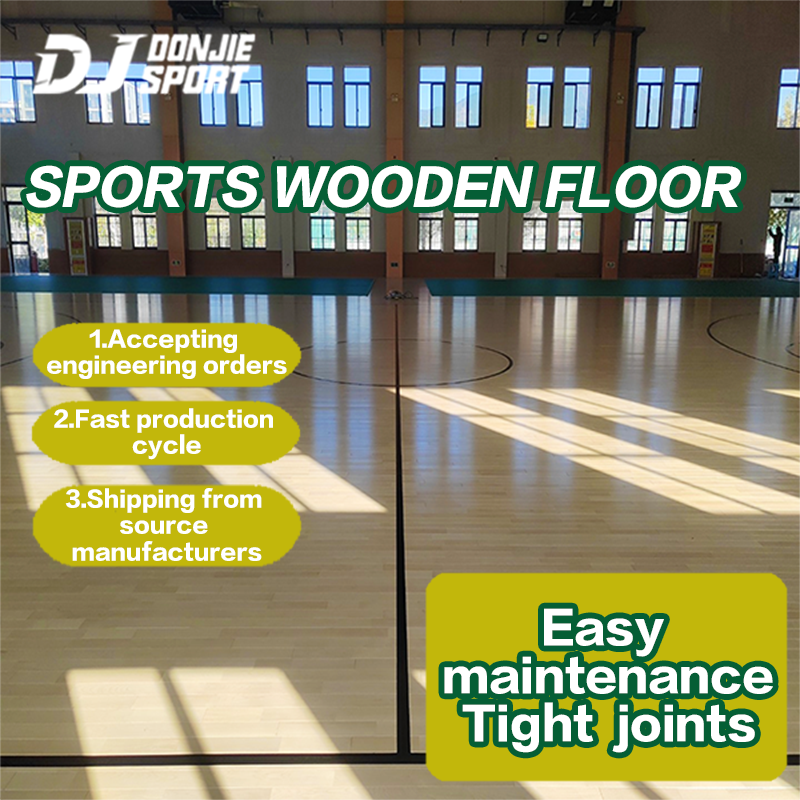
Basketball court hardwood flooring has long been the standard for professional and recreational courts alike, revered for its durability, aesthetics, and performance-enhancing qualities. Over the years, the design and material choices for these floors have evolved significantly. From the early days of simple wood planks to today’s high-tech engineered hardwood options, the innovations in basketball court hardwood flooring have not only enhanced the gameplay experience but also improved the longevity and maintenance of these courts.
As with any part of a sports facility, trends in basketball court flooring evolve with technological advancements, player preferences, and environmental considerations. This article explores the latest trends and innovations in basketball court hardwood flooring, highlighting how they contribute to improved performance, durability, and visual appeal. Whether you’re building a new court or upgrading an existing one, staying updated on these developments will ensure you choose the best flooring for your needs.
The Evolution of Basketball Court Hardwood Flooring
Basketball court hardwood flooring has undergone significant transformations over the years. In the early days, basketball courts were often made from basic, unrefined wood that lacked the consistency and durability seen in modern courts. As the popularity of basketball grew, so did the demand for higher-quality flooring.
One of the most significant advancements in basketball court flooring was the introduction of maple wood. Known for its strength and resilience, maple became the preferred hardwood for professional courts. Over time, engineered hardwood options were developed, combining natural wood with synthetic materials to offer enhanced stability, moisture resistance, and cost-effectiveness.
Today, basketball courts feature highly specialized flooring that caters not only to aesthetics and performance but also to the maintenance and sustainability concerns of modern facilities. From hardwood species to finishes, the evolution of basketball court flooring has focused on creating surfaces that enhance the athlete’s performance, withstand heavy use, and remain visually appealing for years to come.
Popular Hardwood Materials Used in Basketball Courts
When it comes to basketball court hardwood flooring, the choice of material is crucial for ensuring the right balance of durability, performance, and visual appeal. The two most common types of wood used in basketball courts are maple and oak.
Maple Wood
Maple is the most commonly used hardwood in basketball courts, especially for professional-level courts. Its durability and consistent texture make it ideal for high-impact sports like basketball. Maple is known for its ability to absorb shock, providing a forgiving surface that reduces the risk of injury while maintaining a smooth playing experience. The tight grain structure of maple also offers an aesthetically pleasing appearance, which is why it’s often the material of choice for top-tier courts.
Oak Wood
Oak is another popular choice for basketball court flooring. While not as commonly used as maple, oak offers a unique blend of strength and durability. Oak is denser and more resistant to scratches, making it an excellent choice for courts that experience heavy traffic. However, its more porous surface can result in slightly more wear and tear over time compared to maple.
Both of these hardwood materials offer exceptional durability, but the choice ultimately depends on factors such as budget, aesthetic preference, and the expected level of court use.
The Impact of Court Design on Performance
While the material of the hardwood is essential, the design of the basketball court can also influence gameplay. Subtle design choices, such as the direction of the wood grain and the layout of the court markings, can have a significant impact on the player’s performance and overall experience.
Wood Grain Direction
The direction of the wood grain plays a critical role in the court’s traction and resilience. A court where the grain runs along the length of the court can improve the consistency of the floor and provide optimal traction during fast movements. When the grain runs across the court, it can reduce friction, allowing for smoother slides, but it can also create uneven wear over time.
Court Markings and Layout
The design of the court’s markings – including the key, three-point line, and boundary lines – not only has an aesthetic function but also contributes to the strategic flow of the game. Properly laid out markings ensure players maintain focus and accuracy, allowing for the precise execution of moves and shots.
Moreover, different color schemes or designs in the court’s center or sidelines can have a psychological effect on players, influencing their mental state and game performance. Brighter colors may add energy and focus, while neutral tones may encourage calmness and concentration.
Innovations in Basketball Court Hardwood Flooring Design
Recent innovations in basketball court hardwood flooring design focus on improving both performance and sustainability. One of the most significant advancements is the development of engineered hardwood flooring.
Engineered Hardwood
Engineered hardwood combines layers of natural wood with synthetic materials, such as plywood or MDF (medium-density fiberboard), providing greater stability than solid hardwood. This innovation has allowed courts to better handle changes in temperature and humidity, preventing the wood from warping or expanding. Engineered hardwood is also more cost-effective and environmentally friendly, using less of the actual hardwood material without sacrificing durability.
Advanced Surface Finishes
The finishes applied to basketball court hardwood flooring are another area where innovations have improved both performance and aesthetics. Traditional finishes, such as polyurethane, have evolved into more advanced coatings that provide superior slip resistance and reduce the risk of injuries. These finishes also help preserve the wood’s appearance by protecting it from stains, dirt, and damage from frequent use.
Shock Absorption and Cushioning Technology
Some modern hardwood floors integrate advanced shock absorption systems beneath the surface, further reducing the impact on players’ joints. These cushioning systems ensure a softer landing for athletes, which can contribute to fewer injuries and enhanced overall performance.
Customization and Branding in Court Design
Customization has become a significant trend in basketball court hardwood flooring. Schools, professional teams, and recreational leagues are increasingly incorporating personalized elements into their court designs.
Team Logos and Branding
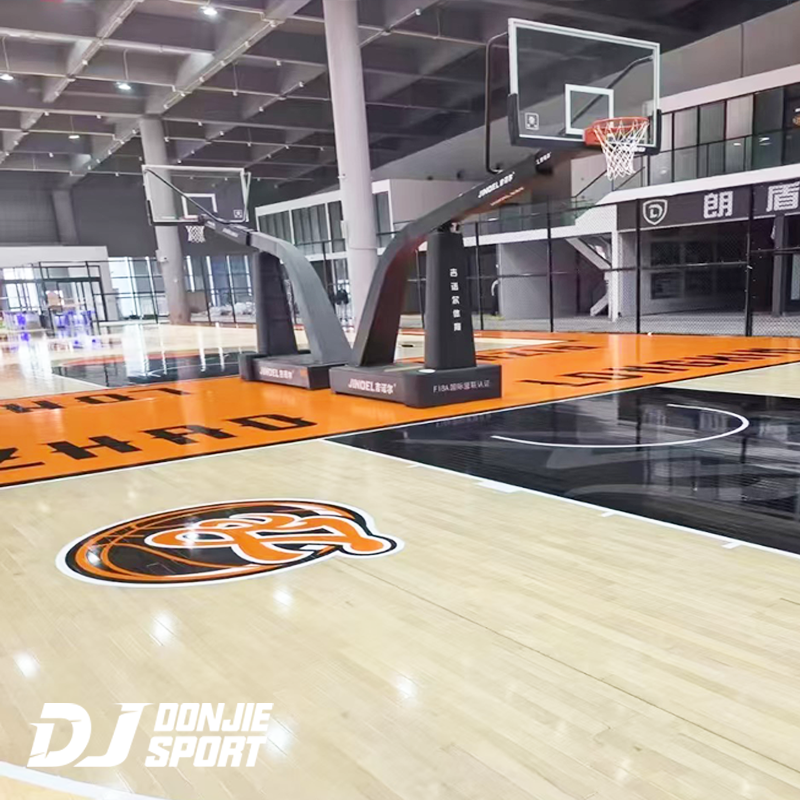
One of the most popular trends is the inclusion of team logos, mascots, and branding directly into the hardwood surface. Whether it’s a custom logo at center court or team colors throughout the floor, these personalized elements create a unique identity for the court and can contribute to a sense of pride and community among players and fans.
Color Schemes
In addition to logos, courts are also being designed with specific color schemes to reflect the spirit of the institution or team. Bright colors or contrasting patterns can make the court more visually striking and energize the atmosphere during games.
Customization also extends to court shapes and layouts, with some designs opting for innovative layouts that cater to specific needs or preferences, allowing for flexibility in multi-sport venues.
Trends in Basketball Court Flooring Maintenance
Maintaining basketball court hardwood flooring is crucial for ensuring the long-term usability of the court. New innovations in maintenance equipment and practices make it easier to keep courts in top condition.
Protective Coatings and Finishes
Recent advancements in protective coatings and finishes have drastically reduced the need for frequent sanding and refinishing. These coatings help to shield the surface from wear and tear caused by constant foot traffic, high-impact plays, and heavy equipment use.
Maintenance Technologies
Automatic cleaning systems and floor scrubbers have become more efficient in maintaining hardwood basketball courts. These technologies help to ensure that courts are thoroughly cleaned without damaging the wood surface, keeping the court in optimal playing condition for longer.
Sustainability in Basketball Court Hardwood Flooring
As environmental concerns continue to rise, the demand for sustainable hardwood flooring solutions has increased. Many basketball courts now prioritize sourcing materials from sustainably managed forests, ensuring that the wood used is harvested responsibly.
Eco-Friendly Practices
The shift towards using reclaimed wood or responsibly harvested timber reduces the environmental impact of producing new hardwood flooring. Additionally, some manufacturers are now offering eco-friendly finishes that are non-toxic and safe for both players and the environment.
Sustainability also extends to the disposal of old flooring. Many companies now offer recycling programs, helping to reduce waste by giving old hardwood flooring a second life in new applications.
The Future of Hardwood Basketball Court Flooring
The future of basketball court hardwood flooring is promising, with continued advancements in technology, design, and sustainability. In the coming years, we can expect further innovations in materials, surface finishes, and customizable designs.
Smart Floors
One exciting prospect is the development of “smart floors,” which could incorporate sensors into the hardwood surface to track players’ movements, monitor court conditions, and even adjust the floor’s grip or cushioning based on the game’s needs.
Advanced Materials
The future may also see the rise of even more advanced materials that combine the benefits of hardwood with other materials such as rubber or composites, further improving durability and shock absorption.
Conclusion
As basketball court hardwood flooring continues to evolve, staying updated with the latest trends and innovations is crucial for creating courts that offer the best performance and longevity. From sustainable materials and advanced surface finishes to customization and branding options, modern hardwood flooring ensures an optimal playing experience for athletes while maintaining visual appeal.