When it comes to maintaining the quality and longevity of basketball court flooring, regular upkeep is key. Not only does it ensure that the playing surface remains safe for athletes, but it also enhances the performance of the court over time. Whether you’re managing a school gymnasium, a recreational facility, or a professional sports venue, understanding the essential maintenance steps for your basketball court flooring can save you money on costly repairs and replacements. In this guide, we’ll explore the top tips for keeping your basketball court flooring in pristine condition year-round.
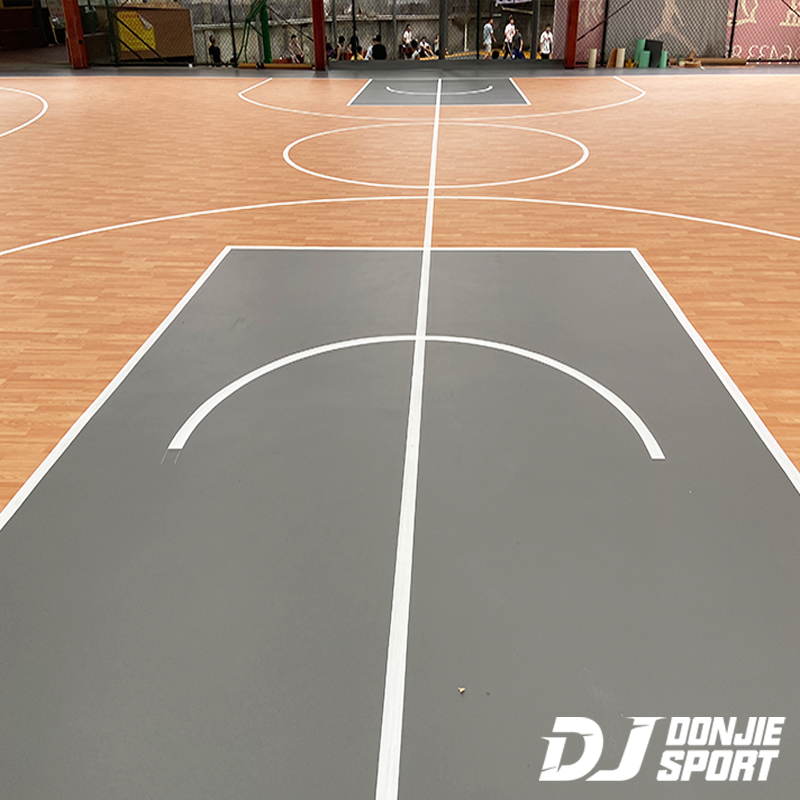
Regular Cleaning to Protect Your Basketball Court Flooring
Keeping your basketball court flooring clean is the first and most essential step in its maintenance routine. Regular cleaning helps prevent dust, dirt, and debris from accumulating, which can damage the surface and cause unnecessary wear.
Daily Cleaning Routines:
Sweeping the court daily is crucial to remove dirt and dust that may cause scratches over time. Using a soft broom or a dust mop ensures the floor isn’t scratched by abrasive debris. If your facility has a high foot traffic volume, it’s best to add a light sweeping or dusting before every game.
Choosing the Right Cleaning Materials:
Using the wrong cleaning products can be damaging to your basketball court flooring. Avoid harsh chemicals like ammonia or bleach, which can strip the finish or discolor the surface. Opt for gentle, pH-neutral cleaners specifically designed for wood or synthetic basketball court flooring. Always follow the manufacturer’s recommendations for cleaning products to maintain the integrity of the flooring.
Weekly Maintenance:
In addition to daily cleaning, conduct a more thorough cleaning on a weekly basis. This involves damp mopping the surface with a mild cleaner. Use a microfiber mop to lift dirt without leaving streaks or residue behind. Make sure to dry the floor after mopping to prevent any moisture from seeping into the wood, which could cause warping or damage over time.
How to Prevent Scratches and Damage to Basketball Court Flooring
Basketball court floors are subjected to constant activity, so it’s important to take preventative measures to avoid damaging the surface.
Protective Measures:
One of the easiest ways to protect your court’s surface is by ensuring that players wear the right type of shoes. Rubber-soled shoes are essential as they prevent scuff marks and scratches. Encourage players to avoid wearing outdoor shoes on the court as they may bring in dirt or stones that could scratch the floor.
Use of Mats and Rugs:
Place mats or rugs at all entry points to minimize the amount of dirt or moisture entering the court area. These simple additions can significantly reduce wear and tear caused by foot traffic and sports equipment.
Avoid Equipment Damage:
When setting up and using basketball goals, padding, and other equipment, ensure they are not in direct contact with the floor surface unless necessary. Consider investing in protective floor covers or mats to use underneath heavy equipment to avoid abrasions or dents.
Dealing with Moisture: Preventing Damage to Basketball Court Flooring
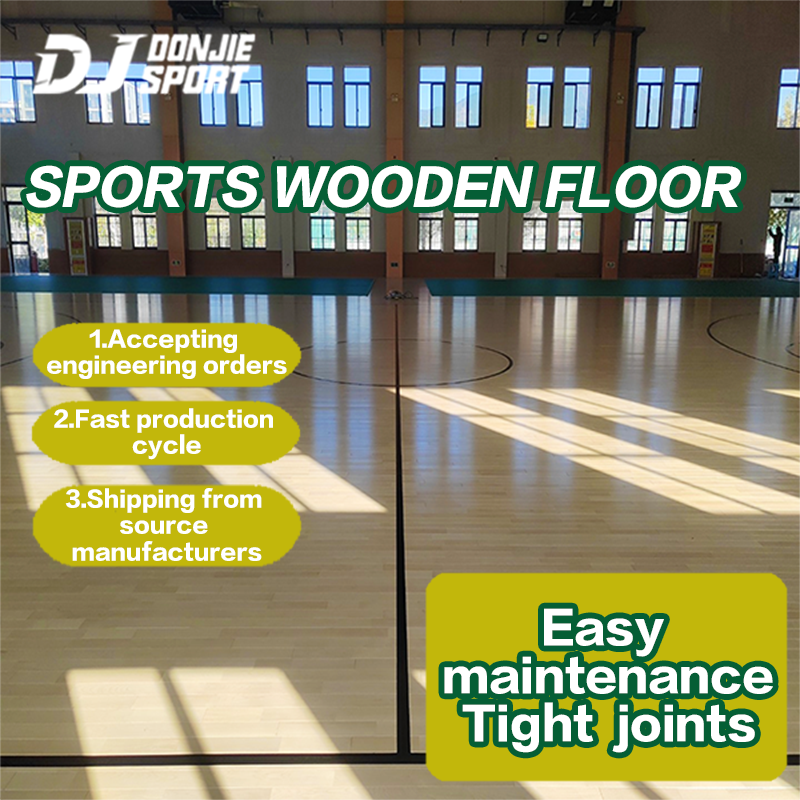
Moisture is one of the biggest threats to the longevity of basketball court flooring, especially for wooden surfaces. Too much moisture can cause the flooring to warp or swell, leading to an uneven and unsafe playing surface.
Humidity Control:
Maintaining consistent indoor humidity levels (ideally between 40-60%) is crucial. High humidity can cause the wood to expand, while low humidity can cause it to shrink. Install dehumidifiers in areas with high moisture levels to prevent the flooring from becoming damaged.
Quick Response to Spills:
Accidents happen, but how you respond can make all the difference. Spilled water or liquids should be cleaned up immediately with a dry cloth or mop. The longer a spill sits, the more likely it is to seep into the floor, causing irreversible damage.
Moisture Barriers:
For areas that are particularly prone to moisture exposure, such as gymnasiums near open windows or doors, consider adding moisture barriers beneath the flooring during installation. These barriers help protect the flooring from water damage, especially in high-humidity environments.
Annual Inspections for Long-Lasting Basketball Court Flooring
Regular inspections are vital to catch any potential issues early before they develop into bigger, costlier problems. An annual inspection can help detect cracks, warping, or other issues with the flooring that may not be visible on the surface.
Identifying Damage:
Look for visible signs of damage, such as cracks, bumps, or discoloration in the wood. Pay special attention to the edges and corners of the court where damage is often more likely to occur. Any misalignment or gaps between boards should be repaired immediately to prevent further deterioration.
Professional Inspections and Refinishing:
Although DIY inspections are helpful, professional evaluations are invaluable for detecting underlying issues that may not be visible to the naked eye. A professional will also be able to recommend refinishing or maintenance work as needed. Refinishing can restore the court’s appearance and ensure it remains smooth for optimal play.
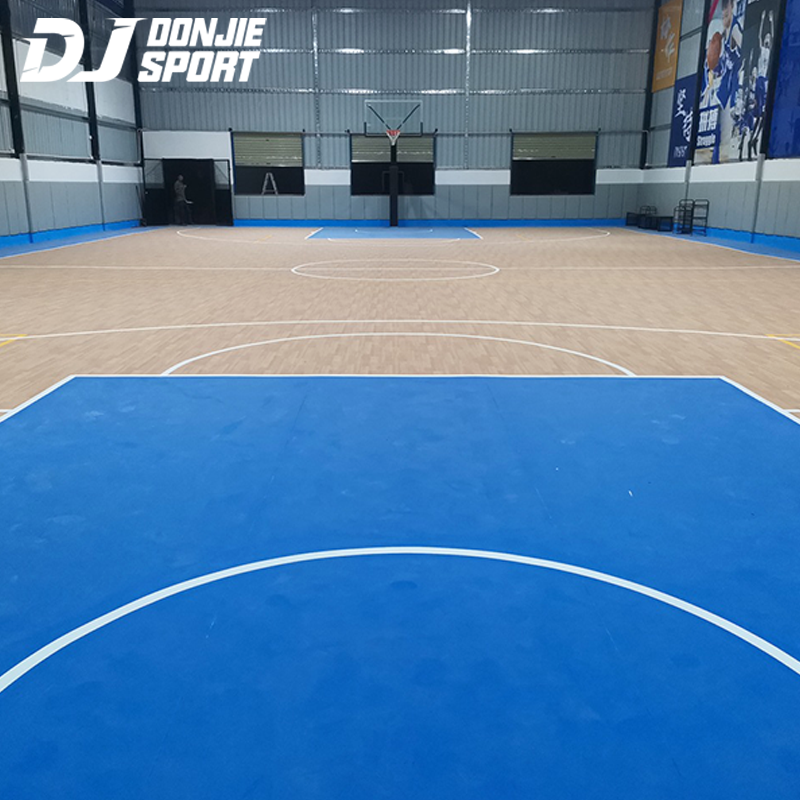
Refinishing and Re-coating: Extending the Life of Your Basketball Court Flooring
Over time, basketball court flooring will inevitably lose its original shine and protective finish. Refinishing and re-coating are essential processes to maintain the floor’s durability and aesthetics.
Understanding the Refinishing Process:
Refinishing involves sanding down the surface of the floor to remove the old finish and any imperfections. After sanding, a new protective finish is applied to create a smooth, durable surface. This process helps restore the court’s appearance and ensures the playing surface is safe and functional.
When to Re-coat:
The frequency of re-coating depends on how much the court is used. For high-traffic courts, re-coating every 1-2 years is recommended. If you notice that the court surface appears worn or uneven, it may be time to consider refinishing.
Benefits of Refinishing:
Refinishing restores the court’s smoothness and shine while also providing an additional layer of protection against future damage. It also helps prevent long-term wear, ensuring the court remains suitable for competitive games and practices.
The Role of Protective Finishes in Basketball Court Flooring Maintenance
Protective finishes play a crucial role in maintaining the durability of your basketball court flooring. They act as a barrier against moisture, dirt, and other contaminants that can degrade the floor over time.
Why Protective Coatings Are Crucial:
Applying a protective finish helps prevent scratches, stains, and other forms of surface damage. It also enhances the appearance of the flooring, keeping it shiny and smooth.
Types of Finishes:
There are two main types of finishes for basketball courts: oil-based and water-based. Oil-based finishes tend to be more durable and offer a deeper, richer finish, while water-based finishes dry faster and are more environmentally friendly.
How Protective Finishes Guard Against Wear:
A protective finish not only improves the court’s appearance but also enhances safety. It provides additional traction for players, reducing the risk of slipping and injuries. Regularly applying finish helps maintain the floor’s integrity, especially in high-traffic areas.
Seasonal Maintenance Tips for Basketball Court Flooring
Seasonal changes can significantly affect the condition of basketball court flooring. Temperature fluctuations and humidity can cause the material to expand or contract, leading to cracks and other damage.
Managing Seasonal Variations:
During colder months, it’s crucial to monitor humidity levels inside the gymnasium to avoid wood shrinkage. In warmer months, moisture can build up, causing the flooring to expand. Use air conditioning or dehumidifiers to regulate the climate and prevent such issues.
Proper Equipment Storage:
During off-seasons, store basketball equipment properly to prevent unnecessary damage. Basketball hoops and other heavy equipment should be moved away from the court to avoid gouging or damaging the floor.
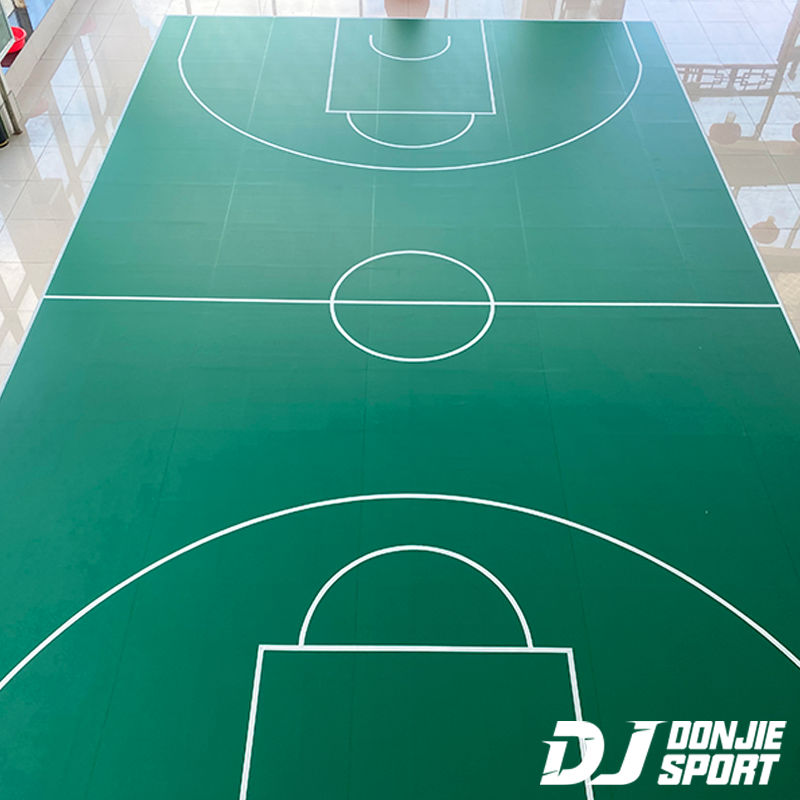
Best Practices for Maintaining Indoor vs. Outdoor Basketball Court Flooring
The maintenance practices for indoor and outdoor basketball courts differ significantly due to environmental factors.
Outdoor Courts:
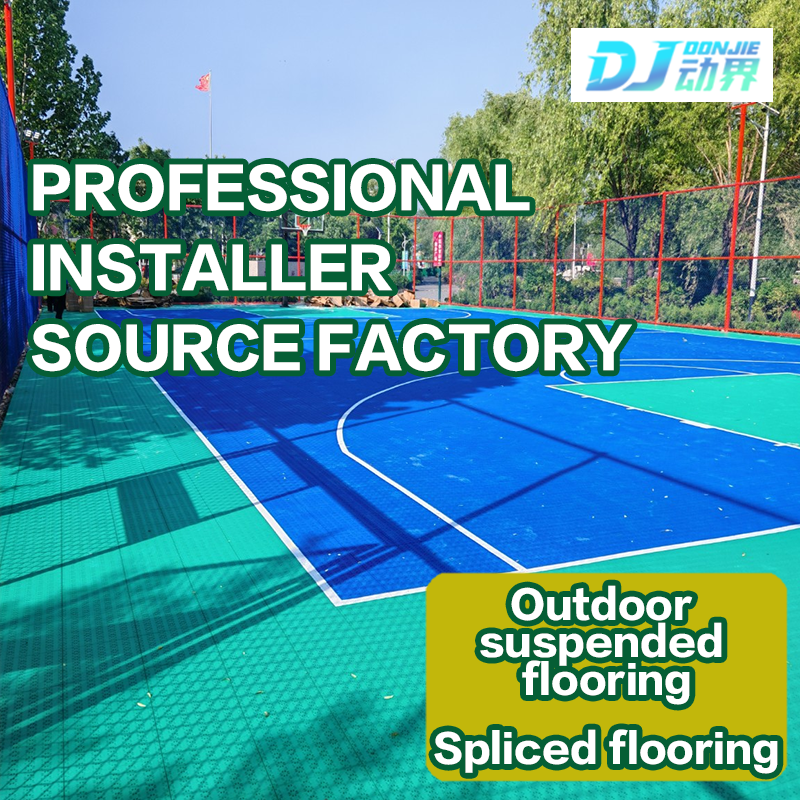
Outdoor courts are exposed to the elements, making them more susceptible to weather-related damage. Regularly inspect the court for cracks or debris and clean it to remove leaves or dirt that may accumulate.
Indoor Courts:
Indoor courts require consistent temperature and humidity management. Use air conditioners and dehumidifiers to control moisture and protect the court from swelling or warping.
Maintaining Basketball Court Flooring for a Safe and Durable Court
Maintaining your basketball court flooring year-round is essential for ensuring its longevity, safety, and performance. By following a consistent cleaning, inspection, and refinishing schedule, you can keep your court in top condition for years to come. Whether you’re managing an indoor or outdoor court, these maintenance tips will help you avoid costly repairs and create a safe, smooth playing environment for athletes.