Choosing the right flooring for a basketball court is crucial not only for the court’s aesthetics but also for performance and durability. Basketball is a high-impact sport that demands a flooring material that can withstand heavy foot traffic, frequent use, and high-intensity movements. The two main types of flooring used in basketball courts are Wood Basketball Flooring and synthetic flooring materials. Both options offer unique benefits and drawbacks depending on various factors, including budget, maintenance needs, and the type of playing experience you’re seeking. In this article, we’ll compare Wood Basketball Flooring and synthetic alternatives, helping you make an informed decision on the best flooring for your court.
What is Wood Basketball Flooring?
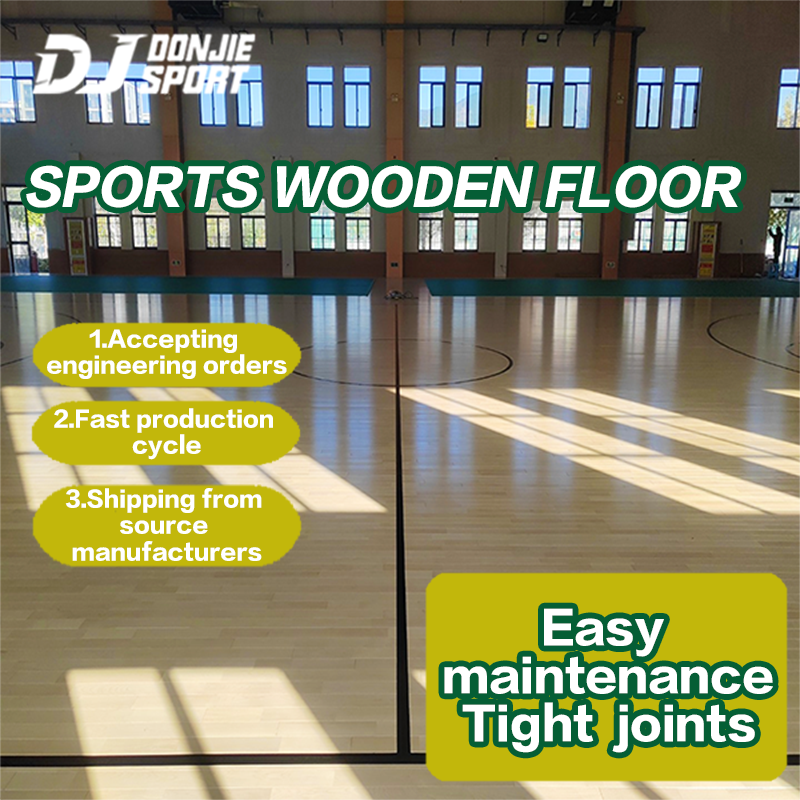
Wood basketball flooring is a traditional and widely-used material for both professional and recreational courts. Typically made from hardwoods like maple, wood flooring offers a premium aesthetic and performance benefits that are hard to replicate with synthetic materials. Known for its smooth, durable surface, wood basketball flooring is often chosen for its ability to provide a consistent bounce and grip for basketball players. The choice of wood is crucial, as it impacts both the durability and performance of the court. Maple is the most common type of wood used due to its durability, strength, and ability to withstand the constant wear and tear from the game.
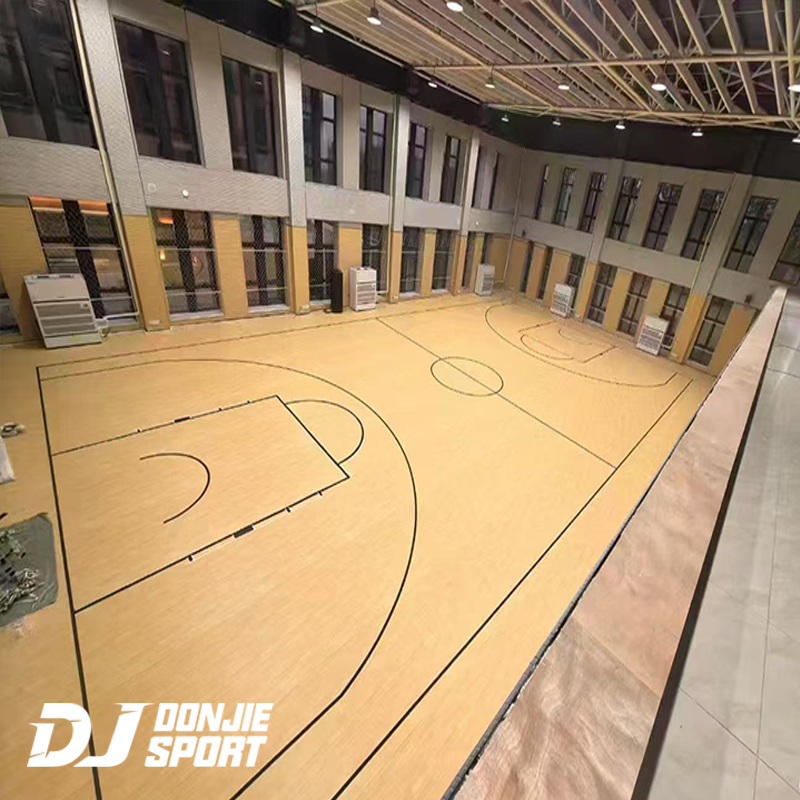
Benefits of Wood Basketball Flooring
-
Aesthetic Appeal:
One of the primary reasons wood basketball flooring is favored is its classic, elegant look. The rich natural grain patterns of the wood add warmth and visual appeal to the court, making it a highly desirable choice for gyms, arenas, and schools. Wood flooring also tends to age well, with a timeless appearance that only improves over time. -
Performance Benefits:
Wood floors are often regarded as the gold standard in terms of playability. The surface of wood flooring provides excellent grip and a responsive bounce for the ball, giving players better control. The springiness of the wood allows for better shock absorption during jumps, reducing the risk of injury and improving player performance. This is one of the main reasons why Wood Basketball Flooring is the preferred choice for professional basketball leagues like the NBA. -
Durability and Longevity:
When properly maintained, wood basketball flooring can last for decades. The solid, natural material is designed to withstand heavy use, even in high-traffic areas. Wood floors are resilient and can endure frequent cleaning, foot traffic, and the constant impact from basketball games without showing significant signs of wear. -
Maintenance Considerations:
While wood flooring is highly durable, it does require regular maintenance to keep it in top condition. This includes periodic sanding and refinishing to restore its smooth surface and protect against scratches and dents. Proper cleaning and waxing are also essential to preserve the wood’s natural finish. When well-maintained, however, wood flooring can provide a superior playing surface for years.
Drawbacks of Wood Basketball Flooring
Despite its many benefits, wood basketball flooring does come with a few disadvantages that potential buyers should consider.
-
Initial Cost:
Wood flooring generally comes with a higher upfront cost compared to synthetic options. The installation process can be more labor-intensive, requiring specialized skills to ensure the floor is properly installed. Additionally, high-quality hardwoods such as maple are expensive, which can drive up the overall cost of the project. This can be a significant factor for schools or organizations with budget constraints. -
Vulnerability to Damage:
Wood flooring is more susceptible to damage from moisture and environmental factors. Water spills or high humidity can cause the wood to warp or swell, leading to costly repairs. Additionally, the surface of wood floors can be scratched or dented more easily than synthetic materials, especially with heavy foot traffic or when moving equipment. While wood can be refinished, some damage may be permanent and compromise the floor’s appearance or performance. -
Maintenance Demands:
Keeping wood basketball flooring in prime condition requires consistent maintenance. This includes refinishing the surface periodically to prevent wear and tear from affecting playability. Unlike synthetic floors, which only need occasional cleaning, wood floors need to be sanded and refinished every few years, depending on the level of use. This ongoing maintenance can add to the long-term costs of ownership.
What is Synthetic Basketball Flooring?
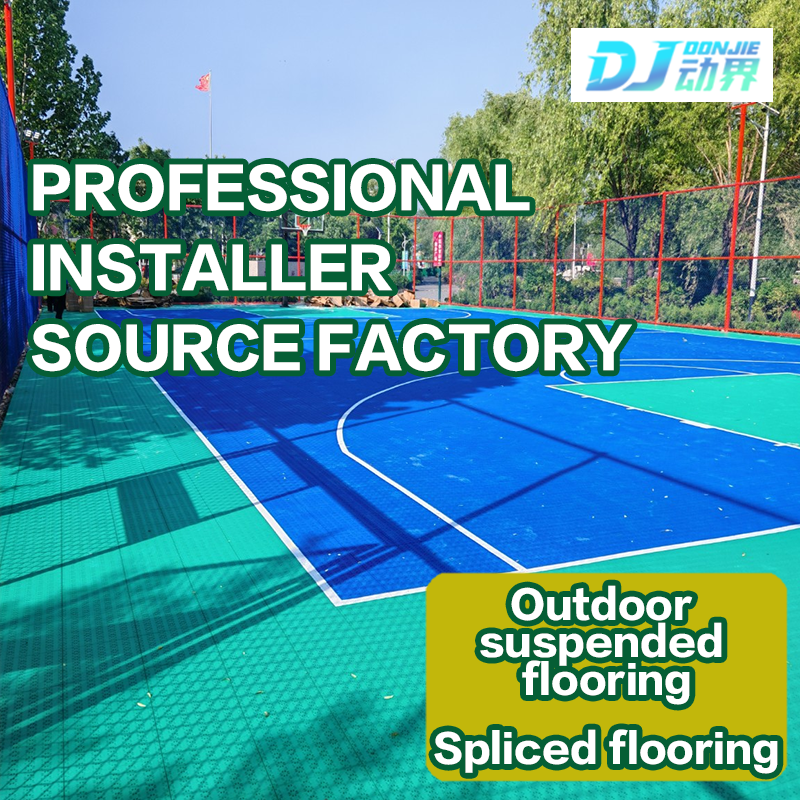
Synthetic basketball flooring refers to a range of man-made materials designed to mimic or replace traditional wood floors. These options include rubber, vinyl, and polyurethane-based products, each offering distinct benefits and some drawbacks. Synthetic floors are often favored for their durability, cost-effectiveness, and low maintenance needs. They are increasingly used in gyms, schools, and recreational centers, where the focus is on providing a functional court without the high initial investment and upkeep of wood flooring.
Benefits of Synthetic Flooring
-
Cost-Effectiveness:
One of the biggest advantages of synthetic basketball flooring is its lower initial cost. Materials like vinyl and rubber are typically less expensive to install compared to wood, making them an attractive option for budget-conscious buyers. Additionally, synthetic flooring often has a lower maintenance cost since it doesn’t require refinishing or sanding over time. -
Durability:
Synthetic flooring is highly resistant to environmental factors such as moisture and humidity. Unlike wood, synthetic materials won’t warp, swell, or get damaged when exposed to water or high moisture levels. This makes them ideal for areas with high humidity or where the court may be exposed to the elements. The material is also more resistant to scuffs, scratches, and other forms of surface damage, which can occur more easily with wood. -
Low Maintenance:
Synthetic floors are easier to maintain than wood floors. They require minimal upkeep beyond occasional cleaning, as they don’t need to be refinished or waxed regularly. Synthetic materials are also more resistant to stains and dirt, which can save time and effort on maintenance. -
Versatility:
Synthetic basketball flooring comes in a variety of colors, patterns, and designs, allowing gym owners to customize the look of their court. You can choose from a range of finishes and even branding options that are not typically available with wood flooring. This can be a big advantage for schools or recreational centers looking to create a distinctive look for their facility.
Drawbacks of Synthetic Flooring
-
Performance Concerns:
While synthetic flooring offers many practical benefits, it doesn’t always provide the same performance advantages as wood. Many players report that the bounce of the basketball is not as consistent or natural as on wood surfaces. Additionally, synthetic flooring can feel harder underfoot, which may lead to increased fatigue or discomfort during long games or practice sessions. -
Aesthetic Limitations:
Despite the variety of designs available, synthetic floors generally lack the natural elegance and warmth of wood. The visual appeal of synthetic floors is often considered inferior, and some players and coaches may prefer the traditional look of wood flooring. For those seeking an authentic, high-end aesthetic, synthetic flooring may not meet expectations. -
Potential for Wear:
While synthetic flooring is generally more resistant to damage, it can show signs of wear over time, especially in high-traffic areas. The surface may begin to degrade or lose its grip, requiring repairs or eventual replacement. Some lower-quality synthetic options may also fade or discolor with exposure to sunlight or heavy use.

Comparing Wood and Synthetic Flooring for Basketball Courts
When choosing between Wood Basketball Flooring and synthetic options, several factors should be taken into account:
-
Cost Analysis:
Wood flooring is more expensive upfront but may provide better long-term value if properly maintained. Synthetic flooring, on the other hand, is less costly initially and requires less maintenance, but may not last as long as high-quality wood. -
Performance Comparison:
For players, the performance benefits of wood flooring are hard to beat. The natural bounce and grip provide a better playing experience, while synthetic flooring may not offer the same level of responsiveness. -
Maintenance Needs:
Synthetic floors are the clear winner when it comes to maintenance, requiring minimal care beyond regular cleaning. Wood floors, however, need refinishing and care to keep them in optimal condition, making them more time-consuming and expensive to maintain. -
Durability Over Time:
Wood floors can last for decades with proper care but are more vulnerable to environmental damage and heavy use. Synthetic flooring is more resistant to moisture and scratches, making it an ideal choice for environments where durability is a priority.
Choosing the Right Flooring for Your Basketball Court
When deciding between wood and synthetic flooring, it’s essential to consider your priorities:
-
Budget: If you have a tight budget, synthetic flooring may be the best choice due to its lower initial cost and minimal maintenance needs.
-
Performance: If you’re focused on delivering the best playing experience, especially for competitive games, Wood Basketball Flooring remains the preferred option.
-
Long-Term Investment: If you’re looking for flooring that will last for decades with proper care, wood is a better long-term investment, while synthetic flooring may need to be replaced sooner.
Conclusion
In the battle of Wood Basketball Flooring vs. synthetic options, both have their merits depending on your specific needs. Wood flooring offers superior performance, aesthetics, and long-term durability, but it comes with a higher upfront cost and more maintenance requirements. Synthetic flooring, while more affordable and low-maintenance, may not provide the same level of performance or aesthetic appeal. Ultimately, the choice comes down to your priorities—whether it’s performance, budget, or long-term care. Either way, investing in the right flooring will ensure your basketball court remains a valuable asset for years to come.