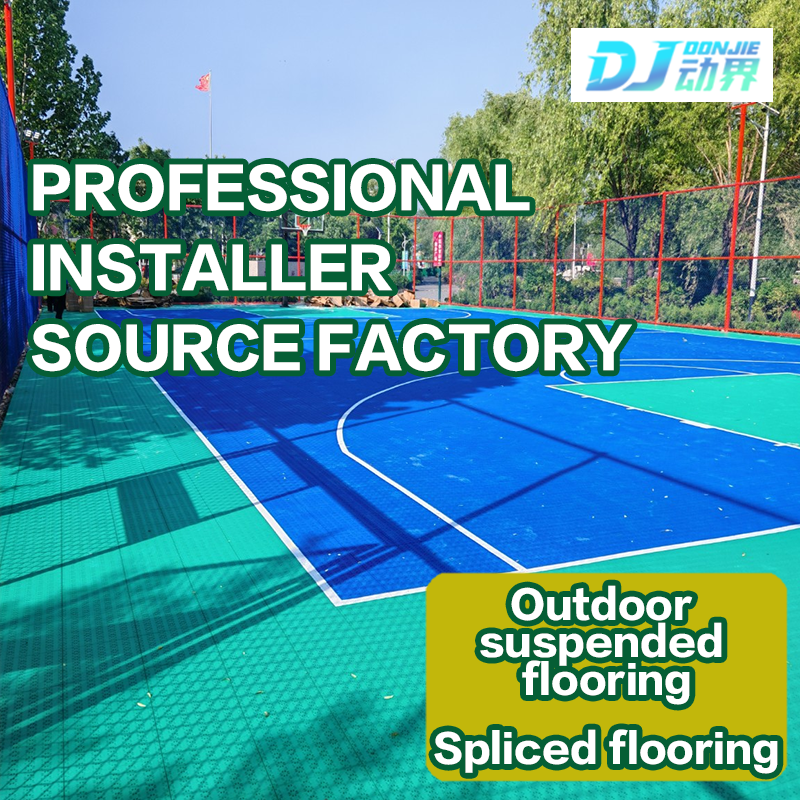
Choosing the right flooring for your basketball court is essential to ensuring optimal performance and longevity. Among the various flooring options, basketball court tiles stand out for their versatility, ease of maintenance, and durability. Whether you’re outfitting a professional facility or a recreational space, basketball court tiles offer a practical solution that combines style with function.
In this article, we will cover everything you need to know about installing basketball court tiles. From the different types of tiles available to the step-by-step installation process, we’ve got you covered. Let’s dive into why tiles are the preferred choice for many basketball courts and what you need to consider before getting started.
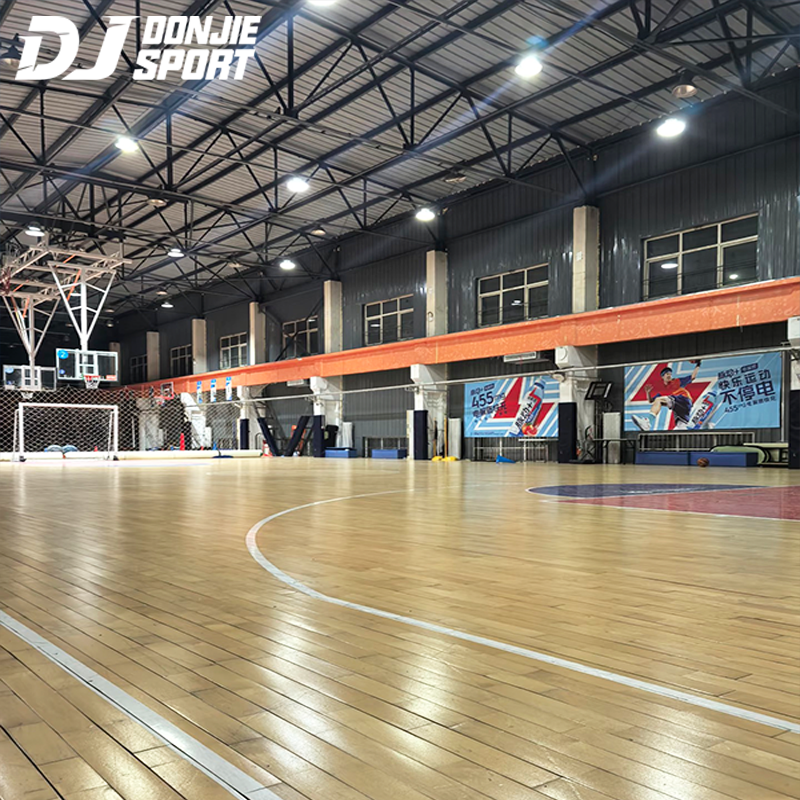
Why Choose Basketball Court Tiles?
When selecting the right flooring for a basketball court, tiles often become the preferred option for both recreational and professional facilities. But why should you consider basketball court tiles over other flooring options? Here’s why:
-
Durability:
Basketball court tiles are designed to withstand the intense physical demands of basketball games. They are engineered to handle high-impact actions, foot traffic, and constant use without deteriorating quickly. This makes them a lasting option for sports facilities that need flooring to endure under heavy use. -
Cost-Effectiveness:
While the initial cost of basketball court tiles can vary, they are often a more affordable option compared to hardwood or synthetic floors. Additionally, the long-term savings in maintenance and repairs make them a smart financial choice. Tiles are easy to replace if damaged, eliminating the need for expensive refinishing or full replacements. -
Maintenance Benefits:
Tiles require minimal maintenance. Unlike hardwood floors, which need regular waxing and sanding, basketball court tiles only need periodic cleaning. This ease of upkeep makes tiles a convenient option for both commercial and personal courts. Regular cleaning prevents dirt and dust buildup, ensuring consistent performance.
Types of Basketball Court Tiles
Before installing basketball court tiles, it’s crucial to understand the different types available. Here’s a breakdown of the most common types:
-
Interlocking Tiles:
These tiles feature a locking mechanism that allows for easy installation without the need for adhesive. They’re durable, convenient, and can be replaced individually if damaged. Interlocking tiles are perfect for those looking for a simple installation process that doesn’t require professional help. -
Snap-Together Tiles:
Snap-together tiles are ideal for temporary or multi-purpose courts. These tiles are designed to be quickly assembled and disassembled, making them a great choice for facilities that need flexibility. They provide a similar level of durability to interlocking tiles but are typically used for less permanent setups. -
Modular Tiles:
Modular tiles are the most common option for permanent basketball courts. These tiles can be customized to fit the layout of any court. They are known for their durability, stability, and the ability to be tailored to a specific aesthetic or performance need. Modular tiles are often used in professional and high-traffic courts. -
Comparison:
Each tile type has its strengths. For example, interlocking tiles are easy to install and maintain but may not offer the same level of stability as modular tiles. On the other hand, modular tiles are the most durable and versatile but may come at a higher cost. Understanding these differences is key to selecting the right tile for your needs.
Factors to Consider Before Installation
Installing basketball court tiles is a significant investment, so it’s important to consider several factors to ensure you get the best results:
-
Space Measurements:
Before installing basketball court tiles, make sure to measure the space accurately. The dimensions of your court will determine the number of tiles required and help you avoid over-ordering or under-ordering. Ensure the measurements are precise to guarantee a seamless installation process. -
Subfloor Conditions:
The surface where the tiles will be installed plays a crucial role in the outcome. A smooth, level subfloor is essential to prevent uneven placement of tiles and ensure their longevity. Any imperfections in the base surface could lead to gaps or instability in the tiles, so take the time to prepare the subfloor properly. -
Tile Thickness and Material:
Tiles come in various thicknesses and materials, each offering different levels of durability and comfort. When choosing tiles, consider factors such as wear resistance, shock absorption, and slip resistance. These qualities will directly impact the performance and safety of the court. -
Budgeting:
Estimate the total cost, including tiles, installation, labor, and any extra materials. While tiles are a cost-effective option, it’s important to factor in these additional expenses to avoid budget surprises.
Preparing for Installation
Proper preparation is key to a successful basketball court tile installation. Here’s how to get ready:
-
Tools and Equipment Needed:
To install basketball court tiles, you’ll need several tools, including a tape measure, rubber mallet, utility knife, chalk line, and possibly a tile cutter for trimming. Gather all necessary equipment before starting to ensure a smooth installation process. -
Surface Preparation:
The subfloor must be cleaned and leveled. Remove any dirt, debris, or imperfections that could affect the tiles’ placement. If your subfloor is uneven, you may need to level it with a self-leveling compound. -
Professional vs. DIY Installation:
While DIY installation is feasible for interlocking or snap-together tiles, modular tiles might require professional help. If you’re unfamiliar with tile installation or lack the necessary tools, hiring a professional installer ensures the tiles are placed correctly and securely.
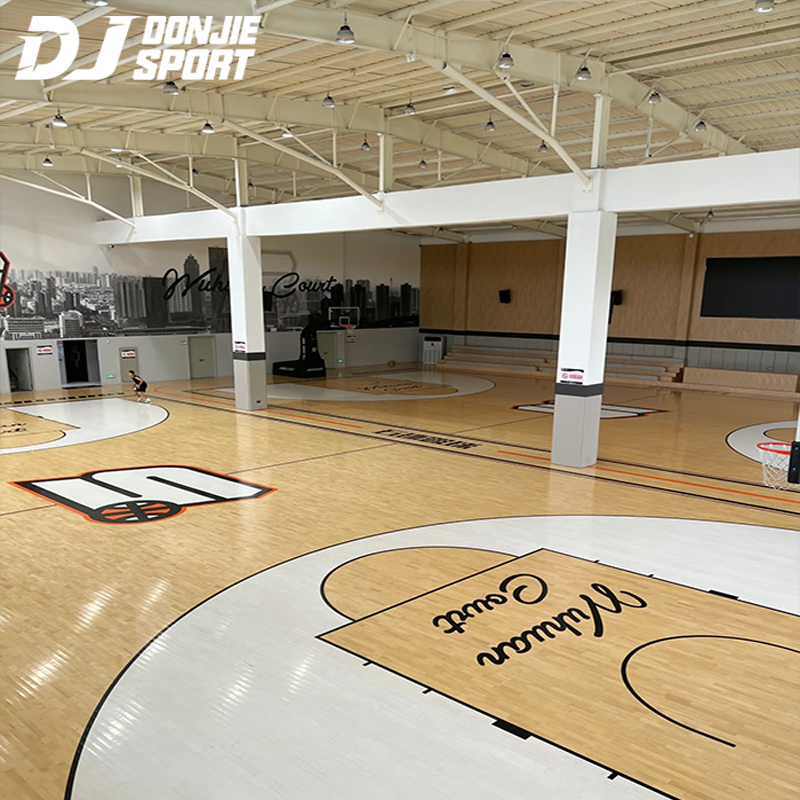
Step-by-Step Guide to Installing Basketball Court Tiles
Once you’re prepared, follow these steps for a successful installation:
-
Step 1: Lay Out the Tile Pattern
Start by planning the layout of your tiles. Use a chalk line to mark the center of the court and align the tiles accordingly. A symmetrical layout will ensure the court looks professional and the tiles fit perfectly. -
Step 2: Installing the First Row of Tiles
Begin placing the tiles along one edge of the court. Use a rubber mallet to gently tap the tiles into place. Ensure they lock together firmly, and check the alignment regularly to avoid crooked rows. -
Step 3: Completing the Installation
Continue laying the tiles row by row, ensuring they fit snugly against each other. For edges, you may need to trim the tiles to fit the court’s dimensions. Make sure the tiles are tightly aligned to prevent movement during play. -
Step 4: Final Checks
Once the tiles are in place, walk across the entire court to ensure all tiles are secure and stable. Double-check for any gaps or uneven tiles and correct them before finishing.
Post-Installation Tips
After installation, proper maintenance will ensure the tiles remain in top condition for years to come:
-
Proper Maintenance Routine:
Sweep or vacuum the court regularly to remove dirt and debris. A clean surface will prevent dirt buildup and maintain traction, ensuring the tiles perform optimally. -
Cleaning Tips:
Use a soft cloth or mop with a mild cleaning solution designed for tile floors. Avoid harsh chemicals that could damage the tile surface or affect its performance. -
Inspecting for Damage:
Periodically check the tiles for cracks, chips, or loosening. If a tile becomes damaged, replace it immediately to maintain the integrity of the court.
Common Mistakes to Avoid
To ensure the best outcome, avoid these common installation mistakes:
-
Improper Surface Preparation:
A rough or uneven subfloor will cause tiles to shift and create an unstable surface. Take the time to properly prepare the subfloor to ensure smooth installation. -
Choosing the Wrong Tile Type:
Selecting the wrong tile type for your court’s needs can lead to premature wear and tear. Ensure the tile you choose matches the performance requirements of the court. -
Neglecting Safety Considerations:
Choose tiles with adequate slip resistance to prevent accidents. Safety should always be a top priority when installing basketball court tiles.
Conclusion
Installing basketball court tiles is an excellent way to enhance the look and functionality of your court. With proper planning, preparation, and installation, your tiles will provide long-lasting durability and easy maintenance. Whether you’re building a professional-level facility or a recreational space, basketball court tiles offer an affordable, high-performance solution.
By following the steps outlined in this article, you can ensure that your court remains in excellent condition for years. Now that you know the essentials, it’s time to get started and enjoy the benefits of a well-installed basketball court tile system!