When it comes to outfitting a basketball court, the type of flooring you choose can have a major impact on the overall performance and safety of the game. Whether you’re setting up a professional facility or building a recreational court in your backyard, finding the best basketball flooring for sale is essential. In this article, we’ll explore various types of basketball flooring available for purchase, what to look for when making a purchase, and where you can find the best deals to fit your needs and budget.
Types of Basketball Flooring Available for Sale
Hardwood Flooring: Timeless Choice for Professional Courts
Hardwood basketball flooring is the gold standard for professional courts. It offers a classic look, superior performance, and durability that is unmatched by other materials. Hardwood floors are known for their consistent bounce, smooth surface, and traction, which makes them a popular choice for NBA and NCAA arenas. If you want a court that looks polished and feels great to play on, hardwood is often the way to go.
Rubber Flooring: A More Affordable, Durable Option
For more affordable alternatives, rubber flooring is an excellent choice. This type of flooring is highly durable and can withstand heavy traffic, making it a great option for recreational courts and community gyms. Rubber is slip-resistant, easy to clean, and provides a softer surface for players, reducing the impact on joints. Additionally, it is generally cheaper than hardwood, making it suitable for those on a tighter budget.
Interlocking Tiles: Flexible and Easy-to-Install Solution
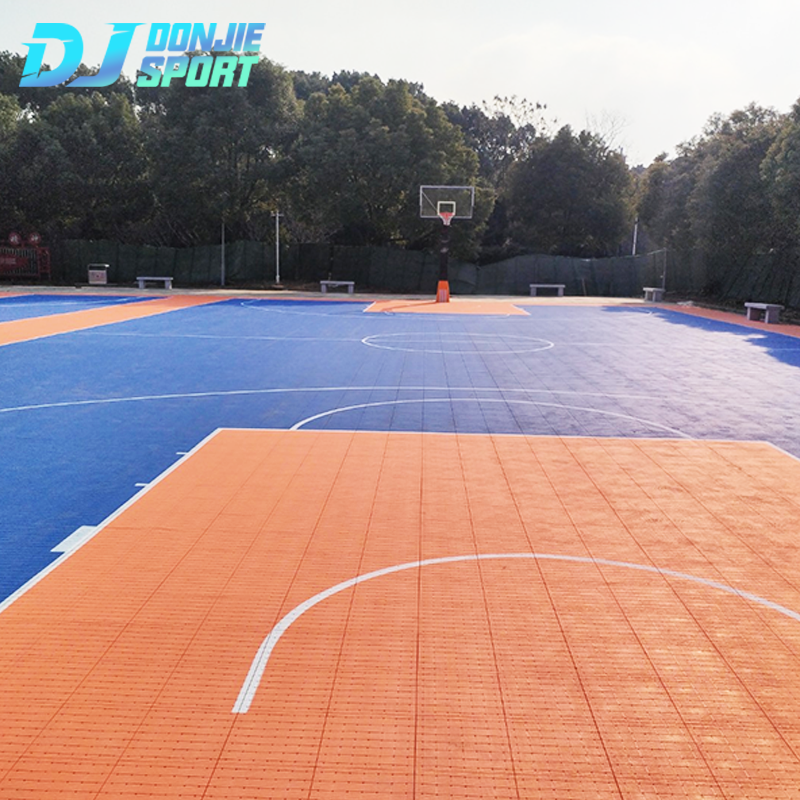
Interlocking tiles are gaining popularity for both residential and commercial basketball courts. These tiles are easy to install, and because they interlock seamlessly, you can create a customized court layout. They’re available in a variety of materials, including rubber and PVC, and can be easily replaced if damaged. Interlocking tiles are a great option if you’re looking for a quick, cost-effective solution for your court without compromising on performance.
Synthetic Flooring: High-Performance Option for Serious Athletes
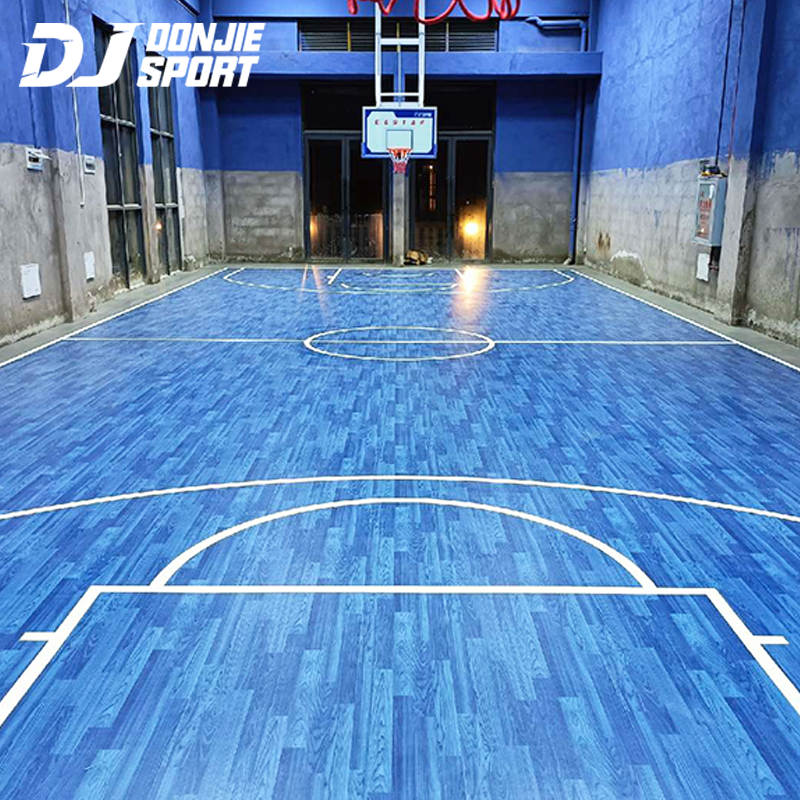
Synthetic basketball flooring, such as vinyl or polyurethane, is designed for high performance. It’s durable, easy to clean, and designed to provide consistent bounce and traction. Synthetic floors are often used in gyms and sports facilities where multiple sports are played. While it’s an investment upfront, it’s ideal for environments where basketball is played frequently and at a high level.
Multi-Use Flooring: Versatile Options for Gyms and Multi-Sport Facilities
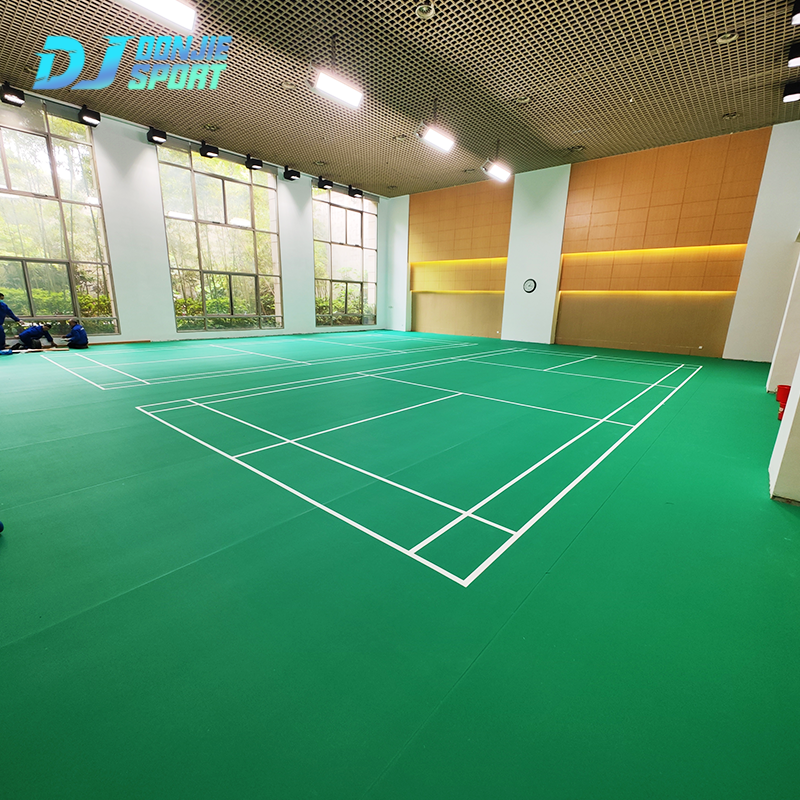
If your facility hosts multiple sports, multi-use flooring can be a great solution. This type of flooring is designed to be adaptable to different sports, including basketball, volleyball, and badminton. Multi-use flooring is typically made from durable synthetic materials that can handle heavy traffic and different types of play, making it an excellent choice for schools, community centers, and sports complexes.
Key Considerations When Buying Basketball Flooring
Budget: Balancing Cost with Long-Term Value
The price of basketball flooring varies significantly based on the material and quality. While hardwood offers the best performance and aesthetic value, it can be expensive. Rubber, interlocking tiles, and synthetic flooring are more affordable options but may not offer the same level of performance. It’s important to balance your budget with your long-term goals—investing in high-quality flooring can save you money on repairs and replacements down the line.
Performance: How Different Flooring Affects Game Play
The flooring you choose will have a direct impact on the game. Hardwood floors offer the best traction, which is crucial for both safety and performance. Rubber and synthetic floors may not provide the same level of bounce or grip, so they’re better suited for casual or recreational play. Consider how often the court will be used and what kind of performance is required when making your decision.
Durability: Importance of Choosing Flooring That Can Withstand Heavy Use
Basketball courts take a lot of abuse, with players constantly running, jumping, and pivoting. Durability should be a key consideration when buying flooring. While hardwood and synthetic floors are generally very durable, materials like rubber and interlocking tiles can often be replaced more easily if they become damaged.
Installation: DIY vs Professional Installation
Installation costs can vary depending on the type of flooring. Hardwood and synthetic floors often require professional installation, while rubber and interlocking tiles can often be installed by the buyer themselves. If you are on a tight budget, opting for a DIY-friendly flooring system like interlocking tiles can save you money on installation fees.
Maintenance: Ease of Upkeep and Longevity
Some flooring types require more maintenance than others. Hardwood floors, for example, need periodic refinishing to keep them looking pristine, while rubber and synthetic floors are easier to maintain. If you’re looking for low-maintenance flooring, rubber or interlocking tiles are ideal, as they only require occasional cleaning to keep them in good condition.
Where to Find the Best Deals on Basketball Flooring
Online Retailers: Comparison of Top E-Commerce Platforms
The internet is a treasure trove of deals for basketball flooring. Major e-commerce platforms such as Amazon, Wayfair, and FlooringInc offer competitive pricing and a wide range of options. Online shopping allows you to compare prices easily and find discounts, especially if you’re looking for sales events or clearance items.
Specialty Flooring Stores: Benefits of Shopping with Specialized Dealers
Specialty flooring stores, both online and brick-and-mortar, are great resources for basketball-specific flooring. These retailers often have a more knowledgeable staff and can offer expert advice on the best products for your specific needs. While prices may be slightly higher, you’re paying for expertise and quality.
Manufacturer Sales: Opportunities to Buy Directly from the Source
Buying directly from the manufacturer can often lead to significant savings, especially when buying in bulk. Many manufacturers offer direct sales through their websites, and you might also find promotional discounts or exclusive deals. This is a great option if you’re outfitting an entire facility or purchasing a large quantity of flooring.
Local Distributors: How to Find Regional Suppliers for Better Pricing
Buying from local distributors can also be a cost-effective option. Many distributors offer lower prices on flooring, and you can save on shipping costs. Additionally, local businesses may have access to regional sales, so be sure to check for any special promotions in your area.
Discounts & Offers: How to Find Seasonal Sales and Promotions
Keep an eye out for seasonal sales, holiday promotions, or end-of-year discounts. Many flooring retailers offer sales during the off-season to clear out old stock, which can be a great time to grab flooring at a discounted price. Signing up for newsletters and following companies on social media can also help you stay updated on the latest deals.
Evaluating Flooring Quality
Material Comparison: Pros and Cons of Each Material Type
Each type of basketball flooring has its own advantages and drawbacks. Hardwood floors are the most expensive but offer the best aesthetics and performance. Rubber is affordable but doesn’t provide the same high-end feel. Synthetic and multi-use floors offer flexibility and durability but can lack the true “basketball court” experience.
Certifications: Importance of Looking for Quality Guarantees
When shopping for basketball flooring, always check for certifications that guarantee the product’s quality. For example, flooring that is FIBA certified ensures it meets the highest international standards for basketball courts. Certification can give you peace of mind knowing that the flooring meets the requirements for performance and safety.
Reviews and Ratings: How to Read Customer Feedback
Customer reviews are a valuable resource when evaluating basketball flooring. Pay attention to feedback on performance, ease of installation, and durability. Reviews can give you insight into real-world experiences with the product, which can help you make a more informed decision.
Warranty and Return Policy: What to Look for in a Good Warranty
A good warranty is essential when purchasing basketball flooring. Look for products that offer a minimum of 5-10 years of warranty coverage. Ensure the warranty covers defects in materials or workmanship and check the return policy to ensure you’re not stuck with an unsatisfactory product.
Installation Tips for Your Basketball Flooring
DIY Installation vs. Professional Help
While DIY installation can save you money, it’s important to know your limits. Installing interlocking tiles or rubber flooring is often straightforward, but hardwood and synthetic floors may require professional help. Consider hiring an expert if you’re unsure about the installation process to avoid costly mistakes.
Step-by-Step Guide to Installing Interlocking Tiles
Interlocking tiles are one of the easiest types of flooring to install. Start by cleaning and leveling your subfloor. Then, begin laying down the tiles, making sure they click into place securely. Use a rubber mallet to gently tap the tiles into position. Continue until the entire court is covered, ensuring all edges are flush and properly aligned.
The Importance of Proper Subfloor Preparation
Before installing any basketball flooring, make sure your subfloor is smooth, clean, and free of debris. A poor subfloor can lead to uneven surfaces, which can negatively affect gameplay. Depending on the type of flooring, you may also need to apply an adhesive or sealant to ensure the flooring stays in place.
Common Mistakes to Avoid During Installation
One of the most common mistakes in flooring installation is neglecting to properly measure the area. Always double-check the dimensions of your court to ensure you’re purchasing enough material. Additionally, avoid rushing through the installation process; taking your time ensures a better, longer-lasting result.
Maintaining Your Basketball Flooring for Longevity
Daily Care: Cleaning Routines for Hardwood, Rubber, and Synthetic Floors
Regular cleaning is essential to maintaining your flooring. For hardwood, use a soft cloth and avoid harsh chemicals. Rubber and synthetic floors can be cleaned with a mild detergent and a damp mop. Make sure to sweep regularly to avoid dirt buildup, which can cause damage to the surface over time.
Preventing Damage: Protecting Your Flooring from Wear and Tear
To prevent unnecessary wear, make sure players wear appropriate footwear, and avoid dragging heavy objects across the floor. Using mats around the court’s edges can help protect high-trafficareas from excessive wear. For hardwood floors, consider using court covers or protective sheets when the court is not in use to prevent scratches and dents.
Repair and Restoration: How to Fix Minor Issues Before They Become Major Problems
Even with careful maintenance, basketball flooring can develop minor issues over time. For example, hardwood floors may show signs of wear or fading. Small scratches can often be repaired with a wood filler, and refinishing can restore the floor’s appearance and performance. For rubber or synthetic flooring, repairing individual tiles or sections is easy and affordable. Catching problems early and addressing them immediately can save you money and extend the life of your court.
Conclusion
Choosing the best basketball flooring for your court involves more than just comparing prices. It requires understanding your specific needs, whether it’s for a professional facility, a recreational space, or a multi-purpose gym. By considering the type of flooring, budget, durability, and installation requirements, you can find a solution that fits your needs. Whether you opt for hardwood, rubber, interlocking tiles, or synthetic flooring, ensuring you get the best deal for your basketball court flooring will set the foundation for a court that delivers performance, safety, and longevity.