Creating a basketball court in your home gym is an exciting way to add both functionality and fun to your space. However, choosing the right basketball court flooring is a crucial decision that impacts both the performance of the court and its longevity. Whether you’re building a full-size court or just a half-court for casual play, selecting the right material is essential for ensuring durability, safety, and comfort. With a variety of flooring options available, it’s important to consider factors like space, budget, maintenance, and the type of play you expect. This guide will help you navigate the different choices, so you can make the best decision for your home gym’s basketball court flooring.
Understand Your Space and Requirements
Before deciding on the right basketball court flooring, it’s important to first assess your space and determine your requirements. Measure the available area for your court to ensure that the flooring you choose will fit perfectly within your designated area. Depending on whether you’re constructing a full-size or half-court, the amount of flooring material needed will vary significantly.
For home use, many people opt for a half-court setup, especially when space is limited. This smaller configuration requires less flooring and can still provide plenty of room for practicing shots and running drills. Additionally, consider how often you plan to use the court. If you’re using it daily or for family recreation, a more durable and easy-to-maintain floor is ideal. If the court will only be used occasionally, you may have more flexibility in terms of material choice.

Types of Basketball Court Flooring Materials
Choosing the right material for your basketball court flooring is a key factor in both performance and longevity. Here’s an overview of the most popular types of flooring:
-
Wooden Basketball Court Flooring
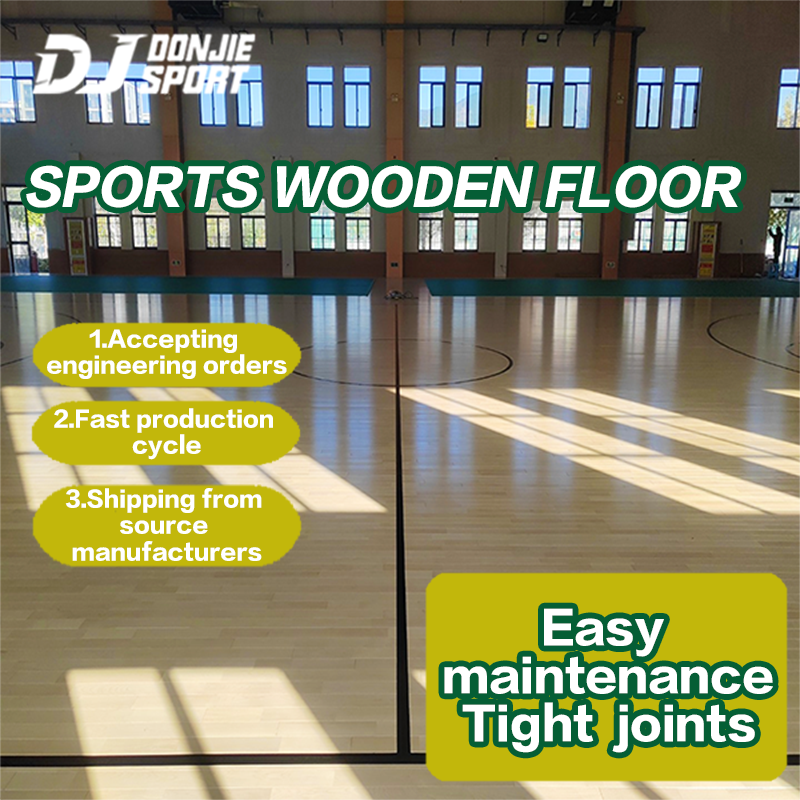
Wood floors are often seen in professional basketball courts due to their superior performance, bounce, and aesthetic appeal. While hardwood floors provide the best grip and traction, they can be expensive and may require more maintenance, such as refinishing over time. However, for those who prefer a classic, high-performance court, wood flooring remains an excellent choice. -
Rubber Flooring
Rubber is a highly durable option for home gyms and basketball courts. It is impact-resistant, easy to maintain, and provides a comfortable surface for both play and safety. Rubber flooring is often used in multi-purpose spaces as it’s more affordable than wood and offers sound absorption, making it ideal for indoor environments. -
Vinyl and PVC Flooring
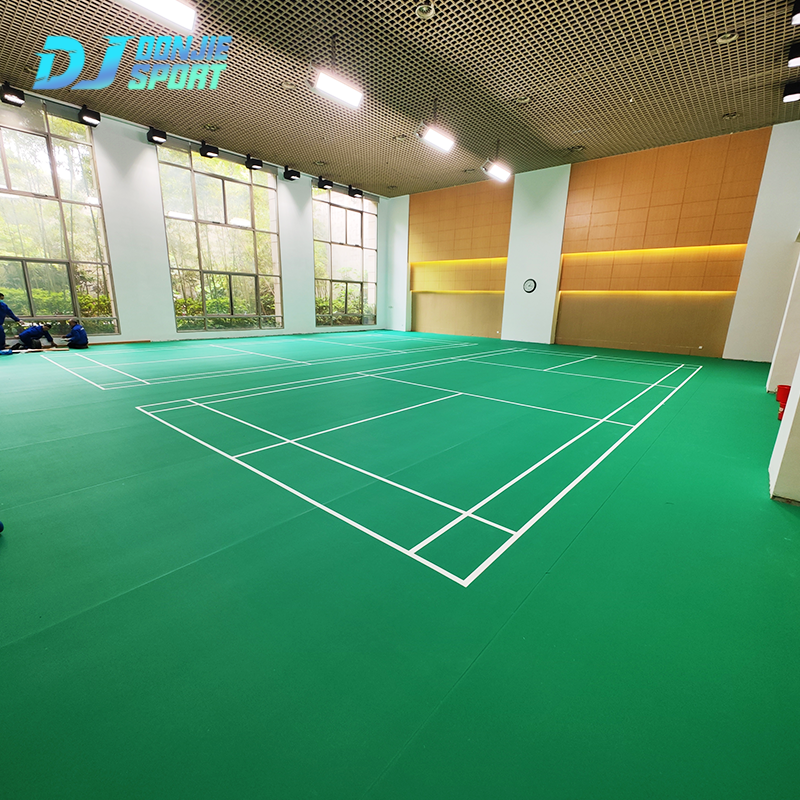
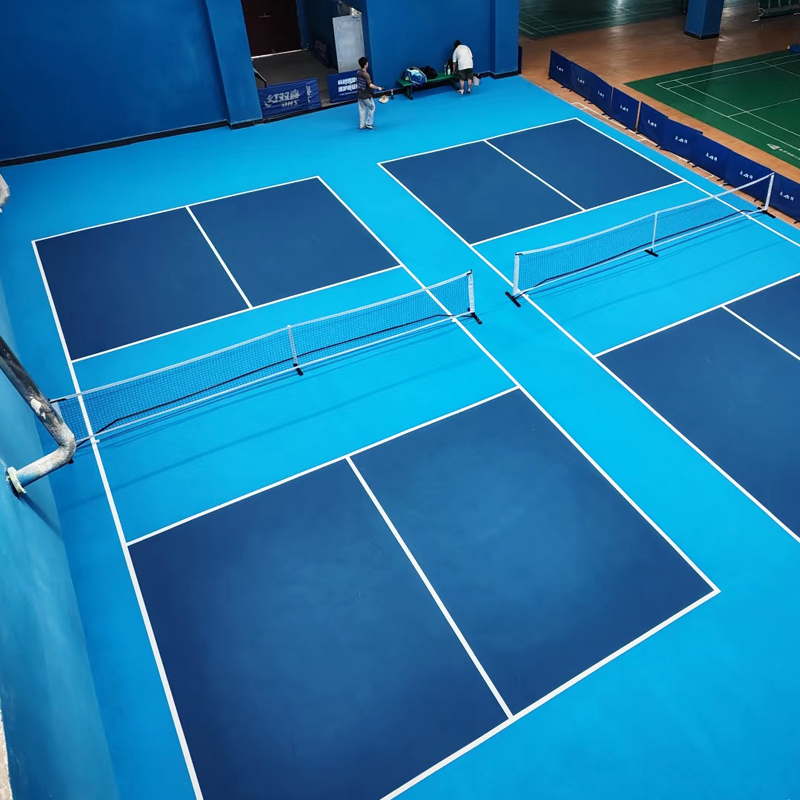
Vinyl and PVC floors are increasingly popular in home gym setups due to their cost-effectiveness, ease of installation, and low maintenance needs. These materials are resilient to wear and tear, resist stains, and are easy to clean. While they don’t replicate the high-end feel of wood floors, they still provide decent grip and bounce for recreational play.
Durability and Maintenance
Durability is one of the most critical aspects to consider when selecting basketball court flooring, especially if you plan to use the court regularly. Hardwood floors offer superior performance but require regular upkeep, including refinishing and sealing, to protect against wear. On the other hand, rubber and vinyl floors are far more durable in the long term and typically require less maintenance, making them perfect for home courts with occasional or frequent use.
Regardless of the material you choose, proper maintenance is essential for preserving the integrity of your flooring. For hardwood floors, regular sweeping and occasional polishing are needed. Rubber and vinyl floors simply require cleaning with a damp cloth and occasional deep cleaning to remove dirt and grime.
Safety and Performance Factors
When choosing the right basketball court flooring, safety should be a top priority. You need a surface that provides sufficient traction to prevent slipping while offering the right level of cushioning to protect against impact. A flooring system that combines safety and performance will help reduce the risk of injury during play.
Wooden floors excel in providing excellent grip and bounce, but rubber floors are also designed to offer slip resistance and impact absorption, making them a safer choice for home gyms. Vinyl and PVC floors typically provide moderate grip and are best for lighter play, such as shooting drills or casual games.
If safety is a major concern, consider using an additional layer of shock-absorbent material under the flooring, especially if you’re using a surface like wood, which can be harder underfoot compared to rubber or vinyl.
Budgeting for Your Home Court Flooring
The cost of basketball court flooring can vary dramatically depending on the material chosen. Hardwood floors can be a significant investment, with costs typically ranging from $4 to $10 per square foot, not including installation. Rubber and vinyl flooring, while less expensive, can also add up, depending on the size of your court.
When budgeting, factor in both the initial cost of the materials and the long-term costs for maintenance. If you’re working with a limited budget, rubber or vinyl flooring might be your best bet for balancing cost and durability. For those willing to invest more, hardwood flooring provides a premium option with unmatched performance.
Installation Considerations
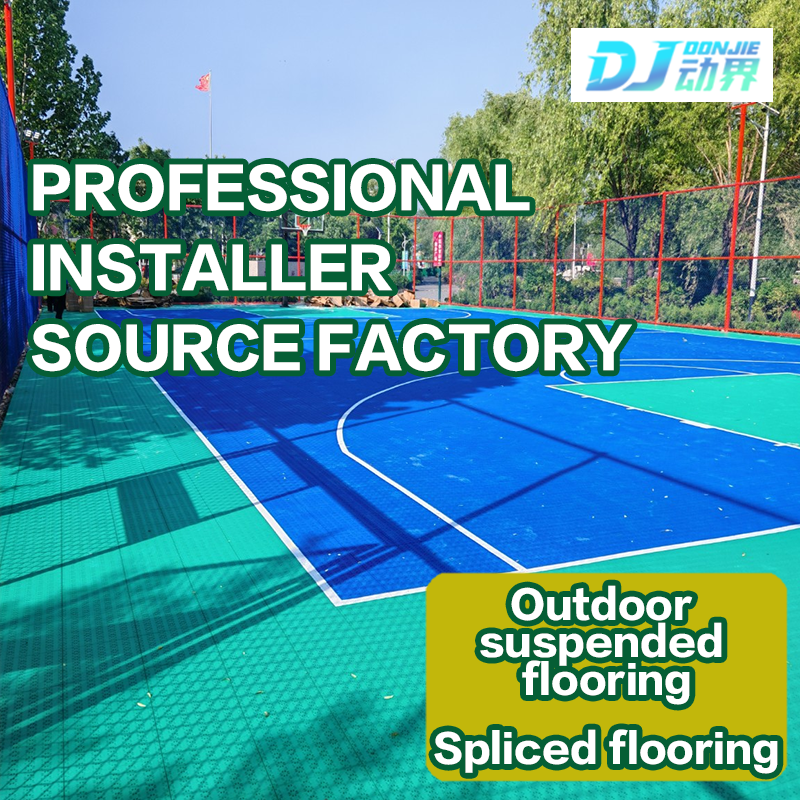
Installing basketball court flooring can be a challenging task, especially for large home courts. If you choose hardwood flooring, you may need professional help to ensure proper installation and a polished, level finish. On the other hand, rubber and vinyl floors often come in interlocking tiles, making them easier for DIY installation. Many people opt for these types of flooring to save on installation costs.
However, regardless of your choice, ensure that the installation is done correctly, as an improperly installed floor can lead to uneven surfaces and potential damage over time. If you decide to go the DIY route, be sure to follow the manufacturer’s instructions carefully for the best results.
Aesthetic and Design Preferences
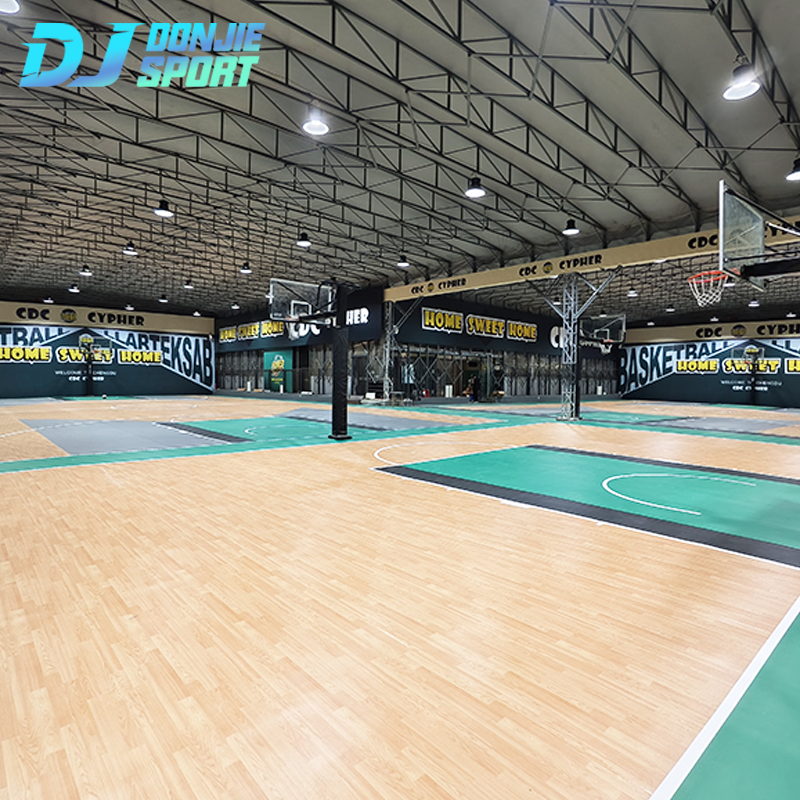
In addition to functionality, the look and feel of your basketball court flooring should complement the design of your home gym. Hardwood floors provide a timeless, elegant appearance that elevates the overall aesthetic. They also allow for customization, such as adding team logos or personal branding.
Rubber and vinyl floors come in various colors and designs, giving you the flexibility to match your flooring to the surrounding decor. If you want to create a visually appealing space, consider using bold colors, logos, or patterns to make your court truly unique. Additionally, rubber flooring is available in various textures, allowing you to choose the most aesthetically pleasing surface.
Conclusion
Choosing the right basketball court flooring for your home gym requires careful consideration of various factors, including the space available, the material’s durability, maintenance needs, and safety features. While hardwood floors offer the best performance, rubber and vinyl floors are more cost-effective and easier to maintain. By understanding your requirements, setting a budget, and evaluating all available options, you can make an informed decision that ensures your home court meets your expectations for both play and aesthetic appeal.