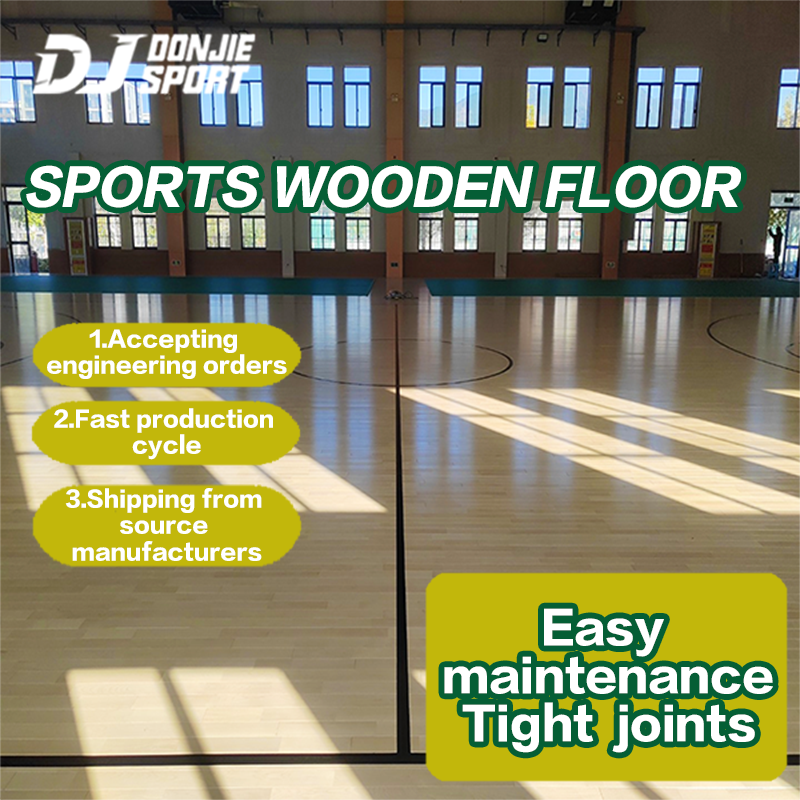
In any sport, the playing surface can have a profound impact on how the game is played, and basketball is no exception. When it comes to optimizing player performance and reducing the risk of injuries, the choice of flooring is critical. While there are numerous options available for basketball courts, one material has stood the test of time: wood. Specifically, basketball court wood flooring has proven to be the ideal surface for both professional and recreational play.
The importance of the right flooring cannot be overstated, as it affects everything from the bounce of the ball to the comfort and safety of the players. Over the years, many alternatives to wood have emerged, but none have managed to surpass its performance benefits. In this article, we will explore the role of wood flooring in basketball performance, highlighting why it continues to be the material of choice for basketball courts worldwide.
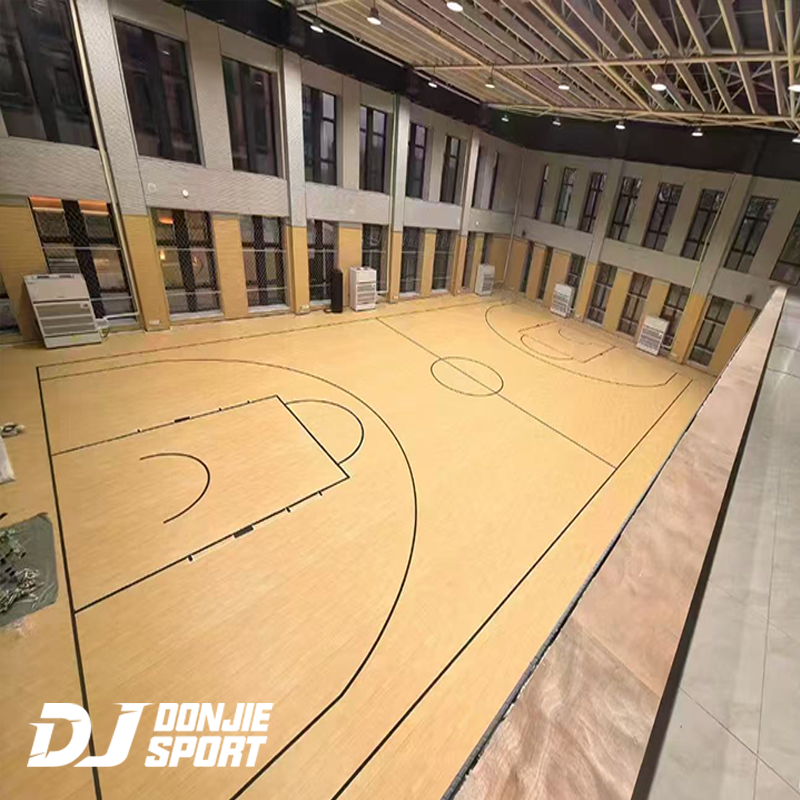
The Science Behind Basketball Court Wood Flooring
Basketball players depend heavily on the court’s surface for speed, agility, and overall performance. The science behind basketball court wood flooring reveals that the texture, elasticity, and resilience of the material all play a vital role in supporting these movements.
A high-quality wooden floor provides an ideal balance between grip and slide. This is essential because it allows players to make sharp cuts, sudden stops, and fast sprints without losing control. Wood flooring also has a unique ability to absorb and distribute energy, which translates to a better ball bounce. This consistent bounce is crucial for players to perform their best shots and passes.
Biomechanically, wooden floors provide the right amount of cushioning for a sport that involves intense running, jumping, and quick direction changes. Unlike harder surfaces such as concrete, wood helps minimize the impact on players’ joints, reducing strain and potential long-term injuries. This balance between performance and comfort is why basketball court wood flooring is favored by professional athletes and organizations alike.
Wooden Flooring vs. Alternative Options: Why Wood Still Reigns Supreme
While many alternative flooring options exist for basketball courts—such as rubber, vinyl, and synthetic materials—none can quite replicate the benefits of wood. Wood flooring for basketball courts offers unmatched traction, flexibility, and energy return, which contribute directly to player performance.
Compared to other surfaces, wood is a superior choice for safety. Rubber floors, for instance, may not offer the same level of bounce or responsiveness as wood, making it harder for players to execute precise movements. Likewise, synthetic floors often lack the durability and natural cushioning that wood provides, leading to a higher risk of injuries over time.
Wood flooring also outperforms other options in terms of long-term durability. It is incredibly resilient and can withstand heavy foot traffic and constant ball impact without losing its structural integrity. With proper maintenance, basketball court wood flooring can last for decades, making it an excellent investment.
Player Performance and Comfort: The Role of Wood Flooring
Wooden floors contribute significantly to player comfort, and this translates into better performance on the court. One of the primary advantages of wood is its shock-absorbing quality. Basketball is a high-impact sport that involves repeated jumps, landings, and quick starts. Wood’s natural ability to cushion each landing helps prevent injuries to joints, knees, and ankles.
Additionally, the smooth surface of wood offers just the right amount of friction to keep players stable without compromising their ability to glide across the court. The grip and bounce provided by wood flooring ensures that players maintain full control, whether they’re dribbling, shooting, or defending. This level of control helps athletes perform at their peak, whether they are in a high-pressure professional match or enjoying a casual game in a gym.
The comfort of playing on wood flooring also has a psychological effect. Players often feel more confident and comfortable when playing on high-quality surfaces, which leads to better focus and performance. Wood provides not only a physically supportive surface but also a sense of stability and trust for players.
The Long-Term Benefits of Basketball Court Wood Flooring
Beyond the immediate advantages of performance and safety, basketball court wood flooring offers long-term benefits that make it a sound investment. Wood is highly durable and, with proper care, can last for decades. Unlike synthetic or rubber floors that may wear down faster, wood retains its quality even after years of use.
Another significant benefit is the cost-effectiveness over time. While the initial installation of wood flooring can be costly, it is an investment that pays off in the long run. Wood floors require minimal maintenance, and the cost of repairs is lower compared to other flooring options. Additionally, wood’s timeless aesthetic and appeal ensure that it remains a desirable surface for any gym or sports facility, increasing the overall value of the property.
From an environmental standpoint, many types of wood used in flooring are sustainably sourced, making wood an eco-friendly choice. Unlike synthetic materials, wood is biodegradable and can be recycled or repurposed when it reaches the end of its lifespan, further adding to its sustainability.
Choosing the Best Basketball Court Wood Flooring
When selecting basketball court wood flooring, several factors must be considered to ensure optimal performance, durability, and comfort. First and foremost, the type of wood used is crucial. Maple is the most commonly used hardwood for basketball courts due to its durability and consistency. Other hardwoods, such as oak or cherry, may also be used, but maple remains the gold standard.
The finish of the wood flooring is another important consideration. A smooth, even finish allows for consistent play and reduces the risk of injury. Many courts opt for a polyurethane finish, which helps protect the wood and maintain its shine over time.
Proper maintenance is key to extending the lifespan of wood floors. Regular cleaning, refinishing, and ensuring the court is free of debris can prevent wear and tear. Experts recommend periodic sanding to restore the wood’s smooth surface and to keep the court looking and performing at its best.

Why Wood is Still King for Basketball Court Flooring
In conclusion, basketball court wood flooring remains the top choice for serious athletes and sports facilities worldwide due to its unmatched performance benefits, durability, and comfort. The scientific properties of wood, such as its elasticity and shock absorption, help optimize player performance while reducing the risk of injuries. Furthermore, wood flooring offers long-term benefits that make it a worthwhile investment for any basketball court, from professional arenas to home gyms.
Whether for a competitive league or a casual pick-up game, wood provides a reliable and safe surface that enhances the overall basketball experience. Its unique combination of durability, player safety, and aesthetic appeal ensures that wooden floors will continue to dominate basketball courts for years to come.