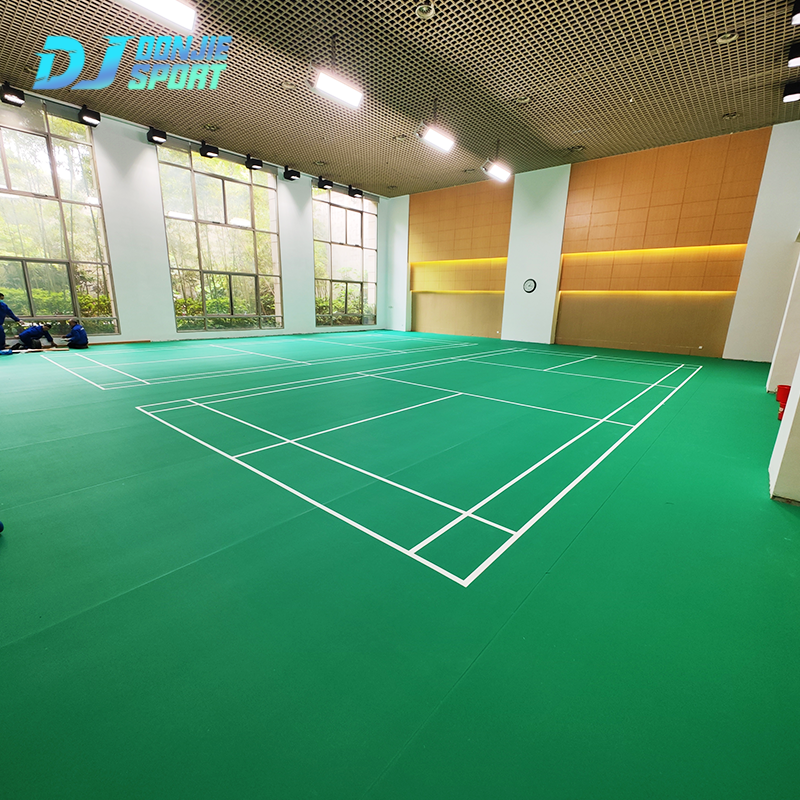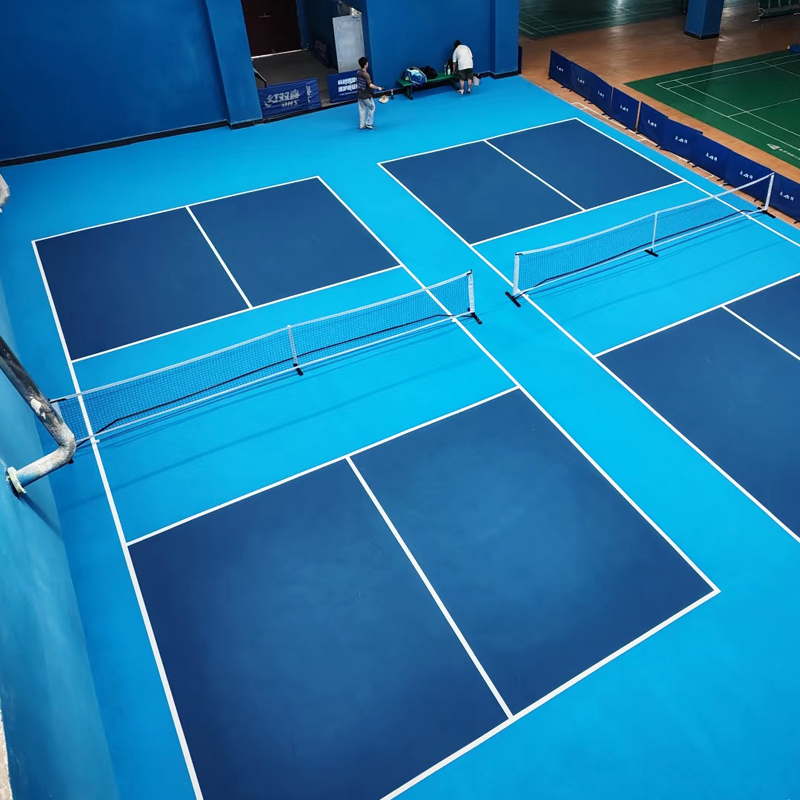
Volleyball court floors are more than just a surface for players to compete on—they play a crucial role in player safety, performance, and overall court durability. Whether you have a professional indoor facility or a community sports hall, maintaining your volleyball court floor is essential for ensuring it remains in optimal condition. Regular maintenance not only prolongs the floor’s lifespan but also enhances the players’ experience by providing them with a safe and high-performance environment.
Proper care of your volleyball court floor can prevent costly repairs and replacements while keeping the playing surface free of hazards. In this guide, we’ll explore the best practices for maintaining your volleyball court floor, from cleaning to inspection and repair. Whether you’re a facility manager or a coach, understanding these maintenance tips will help you keep your court in prime condition for years to come.

Regular Cleaning: The First Step to Maintaining Your Volleyball Court Floor
A well-maintained volleyball court floor starts with consistent cleaning. Dirt, dust, and grime can build up quickly and affect not only the floor’s appearance but also its performance. For the best results, establish a daily cleaning routine to ensure your volleyball court floor remains in top shape.
Daily Cleaning Routines for Different Types of Flooring
-
Wood Floors: Sweep or vacuum the court daily to remove dirt, debris, and dust. Use a soft-bristle broom or a vacuum cleaner with a hard floor setting to avoid scratching the surface.
-
Synthetic Floors: These floors may require less frequent sweeping but should still be cleared of dirt daily. Use a mop with a gentle cleaner to avoid damaging the surface.
-
PVC and Rubber Flooring: Like synthetic floors, these materials can benefit from a daily sweep. Ensure that you’re using a cleaner that is specifically designed for rubber or PVC floors to prevent any deterioration.
Choosing the Right Cleaning Products for Your Volleyball Court Floor
It’s essential to use the right cleaning products to avoid damaging your court surface. Always choose cleaners that are formulated for your specific floor type. For example, wood floors benefit from pH-neutral cleaning solutions, while synthetic and PVC floors may require a more specialized cleaner. Avoid harsh chemicals, which could erode the surface over time.
Importance of Dusting and Sweeping Before Deeper Cleaning
Dust and dirt may seem harmless, but over time, these particles can grind against the floor, causing premature wear. Sweeping or dusting before deep cleaning ensures that larger particles are removed first, minimizing the risk of abrasions. Regular cleaning also prevents grime from seeping into the pores of the flooring material, maintaining the surface’s integrity.
Inspection and Repair: Catching Problems Early
Regular inspections are a crucial part of volleyball court floor maintenance. Small issues, such as cracks or scratches, can quickly grow into bigger problems if left unaddressed. By checking the floor periodically, you can identify these issues early on and carry out repairs before they worsen.
How to Inspect for Cracks, Dents, and Wear
-
Walk around the court, visually inspecting the surface for any cracks, dents, or other signs of damage. Pay attention to the seams between tiles or planks, as these areas can sometimes loosen or show signs of wear.
-
Use a level to check if the surface is even, especially if you have a wood or PVC floor. An uneven surface can cause instability during play and increase the risk of injury.
Tools and Techniques for Minor Repairs
If you notice minor damage, such as small cracks or scuffs, you can typically handle the repairs yourself. For wood floors, use a wood filler or putty to fill in cracks, ensuring a smooth finish once it dries. For synthetic floors, specialized repair kits are available that can help you patch up any damage. For PVC or rubber floors, you can often apply a floor adhesive to fix any loose seams or tiles.
When to Call in Professionals for Major Repairs
While minor repairs are manageable, larger issues, such as severe damage to the subfloor or significant cracks that affect gameplay, should be handled by professionals. A qualified flooring expert can assess the extent of the damage and recommend the best course of action, which could involve resurfacing or replacing sections of the court.
Proper Waxing and Polishing Techniques
Waxing and polishing are essential steps in maintaining the aesthetics and functionality of your volleyball court floor. Regular waxing not only helps to preserve the floor’s shine but also adds a layer of protection against dirt and moisture.
Why Waxing is Crucial for Volleyball Court Floors
Waxing your volleyball court floor helps to create a smooth, protective layer that resists dirt and moisture, ensuring the surface remains non-slip and durable. It also enhances the floor’s appearance, keeping it looking fresh and professional.
Step-by-Step Guide to Waxing Your Volleyball Court Floor
-
Step 1: Clean the surface thoroughly, ensuring no dust or debris is left.
-
Step 2: Apply a thin, even layer of floor wax using a mop or a floor buffer. Be sure to follow the manufacturer’s instructions for the appropriate amount of wax.
-
Step 3: Allow the wax to dry completely before applying additional layers. Typically, two to three layers are recommended for maximum protection.
-
Step 4: Buff the floor with a floor buffer to give it a glossy, professional finish.
Benefits of Regular Polishing for Durability and Shine
Polishing your volleyball court floor gives it an additional layer of protection while restoring its shine. Polishing also smooths out any minor imperfections, ensuring the surface remains even and safe for players. This process helps prevent dirt from sticking to the surface and makes future cleaning easier.
Protecting the Surface: Preventing Damage and Wear
While regular cleaning and maintenance are key, protecting the surface from external factors can help prolong its lifespan. From managing foot traffic to keeping moisture at bay, there are several ways to protect your volleyball court floor from excessive wear.
Using Mats, Covers, or Other Protective Layers
Consider using mats or protective covers when the court isn’t in use. This will reduce the wear caused by constant foot traffic and the movement of heavy objects. These covers are especially useful for outdoor courts, where the elements can cause rapid deterioration.
Managing the Impact of Heavy Traffic on Your Volleyball Court Floor
If the volleyball court sees heavy usage, such as hosting multiple matches or practices daily, consider instituting rules about footwear or limiting access to the court when it isn’t being used for play. Soft-soled shoes can reduce friction and prevent damage to the flooring surface.
Preventing Moisture and Temperature-Related Damage
Moisture can cause significant damage to both wood and synthetic volleyball court floors. Ensure proper ventilation in areas with high humidity, and for outdoor courts, use protective coatings to shield the floor from rain or snow. Temperature fluctuations can also affect the floor’s integrity, so consider installing climate control if possible.
Handling Specific Flooring Materials: Tailoring Maintenance to Your Court Type
Each type of volleyball court floor—whether wood, synthetic, PVC, or rubber—has its own unique care requirements. To maintain your volleyball court floor effectively, it’s important to understand how to care for each material properly.
Wood Floors: Maintenance Tips for Longevity
Wood floors are a popular choice for volleyball courts due to their classic appearance and excellent playability. However, they require specific maintenance to keep them in top condition.
-
Regular Sweeping: Dust and debris can scratch the surface of wood floors. Regular sweeping and cleaning are crucial to prevent this.
-
Refinishing: Over time, the wood may begin to show signs of wear. Refinishing the court every few years can restore its original look and ensure that it remains safe for players.
-
Humidity Control: Wood floors can warp or swell when exposed to high humidity. Ensure that your court is climate-controlled to prevent this issue.
Synthetic Floors: Unique Care Requirements for Artificial Surfaces
Synthetic floors, often made from materials like vinyl or polyurethane, are durable and easy to maintain, but they still require care to preserve their functionality.
-
Gentle Cleaning: Use a pH-neutral cleaner and a soft mop to clean synthetic floors. Avoid abrasive scrubbers that could scratch the surface.
-
UV Protection: Some synthetic floors are susceptible to UV damage. Use floor covers or UV-resistant coatings to protect the surface if your court is exposed to sunlight.
PVC and Rubber Flooring: Ensuring Proper Upkeep
PVC and rubber floors are durable and resilient, making them great options for volleyball courts. However, these surfaces can accumulate dirt and moisture, which can damage them over time.
-
Regular Sweeping: As with other floors, regular sweeping is essential to prevent dirt from embedding in the surface.
- Moisture Control: Rubber floors, in particular, can absorb moisture, leading to deterioration. Use dehumidifiers in high-humidity areas and apply moisture barriers for outdoor courts.
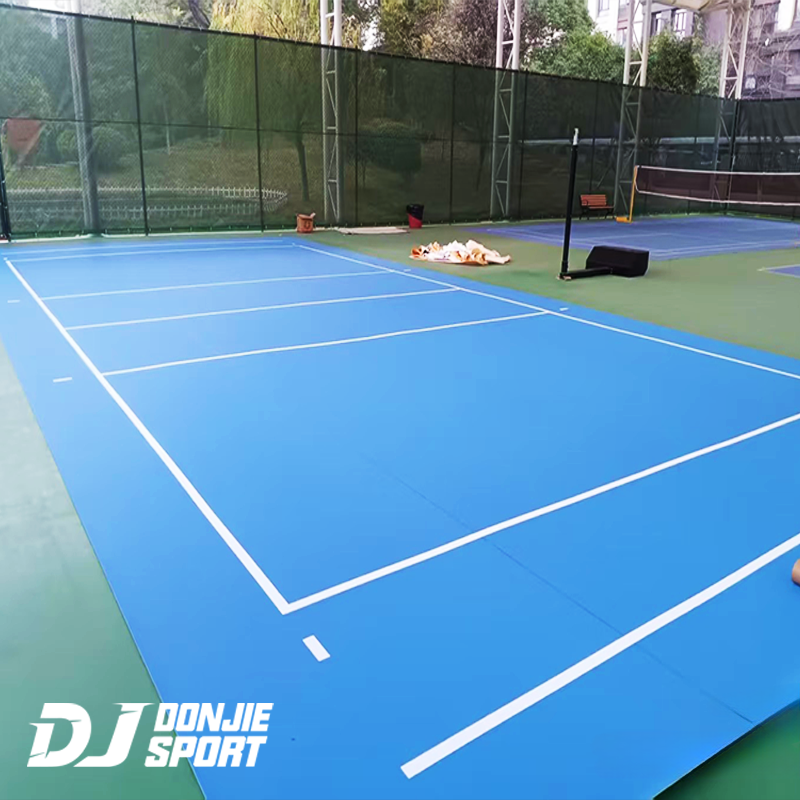
Environmental Factors: How Climate and Location Affect Your Volleyball Court Floor
The location and climate in which your volleyball court is situated have a significant impact on the floor’s longevity. Understanding these factors can help you tailor your maintenance efforts for maximum effectiveness.
Dealing with Moisture, Humidity, and Temperature Fluctuations
-
Indoor Courts: Maintain a stable temperature and humidity level. Excess moisture or heat can warp wood floors or cause synthetic and rubber floors to degrade.
-
Outdoor Courts: Exposure to rain, snow, or extreme temperatures can cause outdoor volleyball court floors to deteriorate faster. Consider using protective coatings or coverings during off-seasons.
Adjusting Maintenance Based on Indoor vs. Outdoor Settings
-
Indoor Courts: Indoor courts are less likely to face moisture-related damage but may still need climate control to prevent humidity from damaging wood or synthetic floors.
-
Outdoor Courts: Outdoor courts require extra protection. Waterproof coatings, UV shields, and regular inspections are necessary to protect against weather-related wear.
Preventing Sun Damage and Outdoor Elements from Affecting Your Floor
UV rays can discolor and degrade your volleyball court floor, especially for synthetic or PVC materials. Install UV-resistant coatings to extend the life of the floor, or use covers when the court is not in use. Additionally, outdoor courts should have proper drainage systems to prevent water buildup that could cause the floor to warp or rot.
Professional Maintenance vs. DIY: When to Seek Help
While there are many maintenance tasks you can handle on your own, certain situations may require the expertise of a professional. Understanding when to call in the experts can save you time and money in the long run.
Benefits of Professional Volleyball Court Floor Maintenance
Professional maintenance services offer expertise that can extend the life of your court. They have the right tools, experience, and materials to handle repairs, refinishing, and any complex issues that arise.
Costs vs. DIY Efforts: Which Option Is Best for Your Budget?
DIY maintenance can be a cost-effective way to handle small tasks like cleaning and minor repairs. However, for larger repairs or refinishing, the cost of a professional service may be worth it, as they can ensure the job is done right and can help prevent future problems.
How to Choose a Reliable Floor Maintenance Company
When selecting a professional maintenance company, make sure they specialize in sports flooring and have experience working with volleyball courts. Look for reviews, ask for referrals, and ensure that they offer warranties on their work.
Maintaining Your Volleyball Court Floor for Longevity
Proper volleyball court floor maintenance is key to ensuring a long-lasting and high-performing court. By following these essential tips—ranging from regular cleaning and waxing to timely repairs and professional maintenance—you can significantly extend the lifespan of your floor and provide a safe, high-quality playing environment for athletes.
Whether you’re managing an indoor or outdoor court, maintaining your volleyball court floor with care and attention to detail will not only save you money in the long run but also enhance the experience for everyone who uses it. Regular maintenance, appropriate protective measures, and professional help when needed will ensure that your court remains in optimal condition for many years to come.