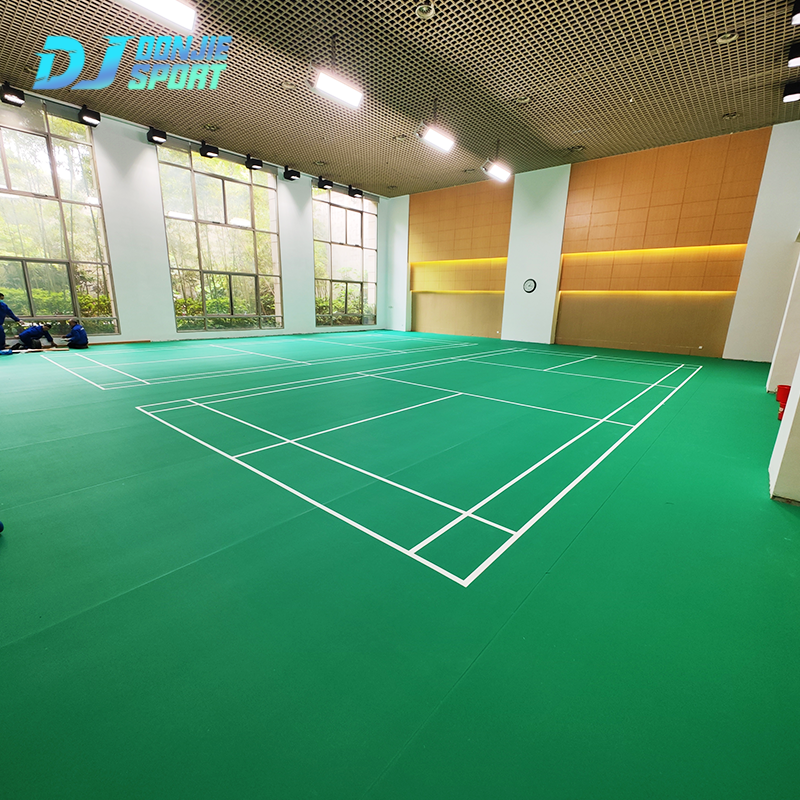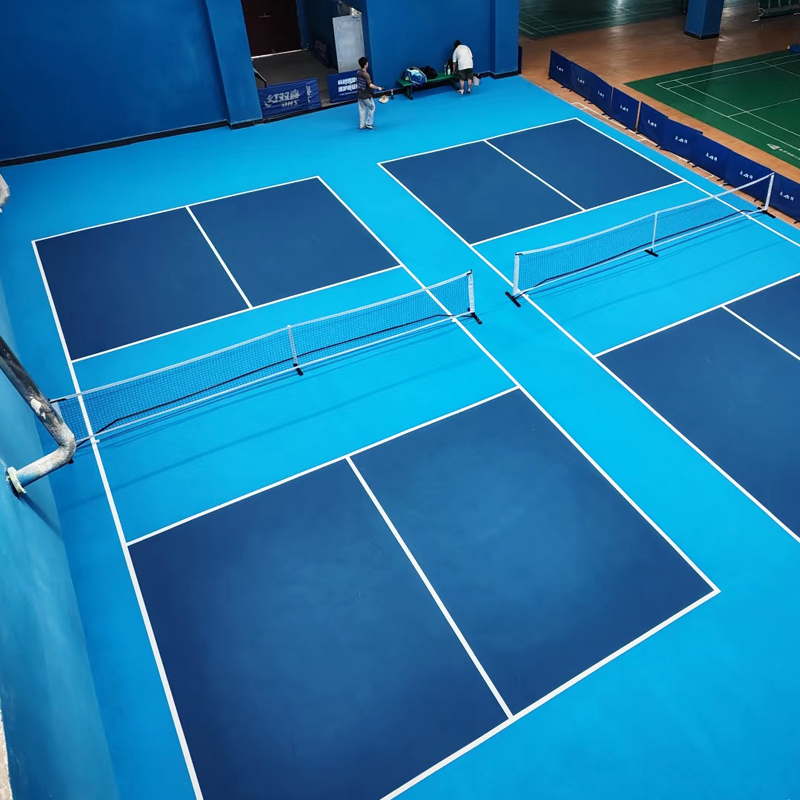
In recent years, the sports industry has increasingly embraced sustainability, with many sports facilities prioritizing eco-friendly choices. One key area of focus is the flooring used in volleyball courts. Traditional flooring materials often have a significant environmental footprint, from production to disposal. However, eco-friendly options for volleyball court flooring are emerging as not only sustainable but also high-performing alternatives. This shift towards greener solutions is not just a trend; it’s a crucial step towards building a more sustainable sports culture.
In this article, we will explore some of the best eco-friendly volleyball court flooring options, their benefits, and how they contribute to creating more sustainable sports facilities. Whether you’re upgrading an existing court or designing a new one, understanding these materials can help you make informed decisions that benefit both the environment and players alike.

Why Choose Eco-Friendly Volleyball Court Flooring?
The decision to choose eco-friendly flooring for volleyball courts goes beyond just making a “green” statement; it’s about making a positive impact on the environment while maintaining the highest standards of performance and durability. Traditional volleyball court flooring materials, like certain plastics and synthetic rubbers, contribute to environmental degradation, from the extraction of raw materials to energy-intensive manufacturing processes. These materials also often end up in landfills when they reach the end of their lifespan, further exacerbating the waste problem.
On the other hand, eco-friendly flooring options are made from renewable or recycled materials that minimize the environmental footprint. Choosing sustainable flooring options for your volleyball court is an investment in the future—one that supports eco-conscious initiatives, reduces waste, and ultimately enhances the reputation of your facility. Moreover, as sustainability becomes increasingly important to players, fans, and sponsors alike, opting for green materials aligns with growing trends in environmentally responsible sports.
Materials that Make a Difference in Eco-Friendly Volleyball Court Flooring
Choosing the right material is key to creating a high-performance, sustainable volleyball court. Below are some of the top materials making a difference in the world of eco-friendly sports flooring:
Recycled Rubber Flooring
Recycled rubber flooring is one of the most popular eco-friendly materials for volleyball courts. Made from recycled tires, this type of flooring is both durable and sustainable. The rubber is processed and transformed into tiles or rolls, offering shock absorption, slip resistance, and excellent traction—key features for a volleyball court. Not only does it provide a safe playing surface, but it also prevents tires from ending up in landfills.
Bamboo Flooring
Bamboo is a fast-growing, renewable resource that has gained popularity as an eco-friendly flooring material. Bamboo flooring is incredibly strong and durable, offering excellent resilience for volleyball courts. Additionally, it has a unique aesthetic appeal that gives the court a natural, modern look. Bamboo is often harvested sustainably, making it a top choice for facilities looking to go green.
Cork Flooring
Cork is another renewable resource that is gaining traction as an eco-friendly flooring option for volleyball courts. Harvested from the bark of cork oak trees, cork flooring is not only environmentally friendly but also naturally anti-microbial, reducing the risk of bacteria buildup. The cushioning properties of cork make it ideal for indoor volleyball courts, as it helps reduce impact stress on players’ joints.
Reclaimed Wood Flooring
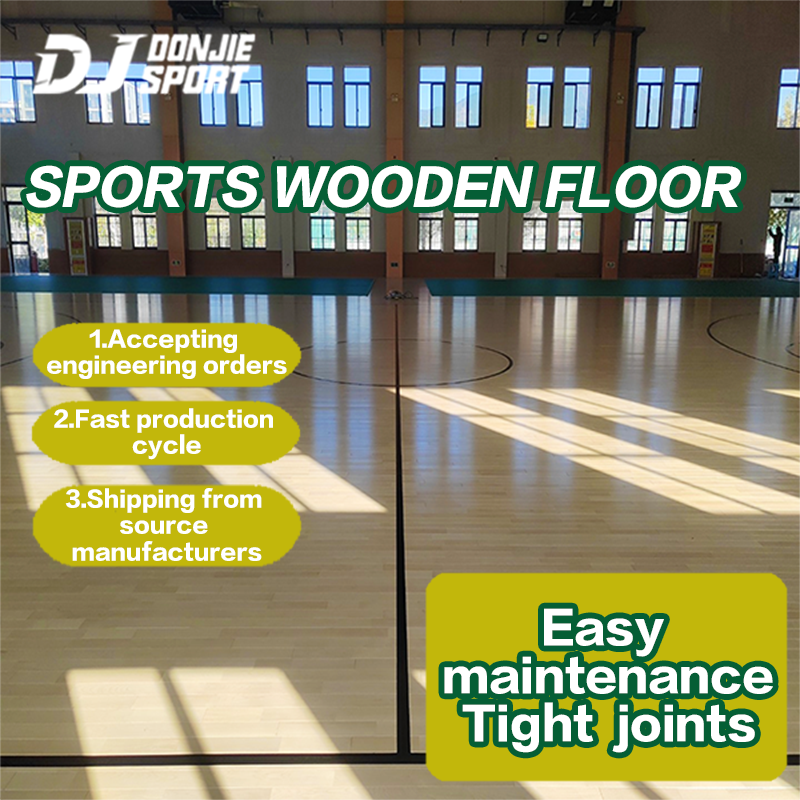
Reclaimed wood flooring is a sustainable option that gives a rustic, authentic look to a volleyball court. Made from salvaged wood from old buildings, barns, or warehouses, reclaimed wood helps reduce deforestation and minimizes the need for new raw materials. This type of flooring offers a unique, timeless aesthetic while contributing to the reduction of waste and promoting sustainability in sports infrastructure.
Sustainable Vinyl Flooring
While traditional vinyl flooring has been criticized for its environmental impact, new innovations in sustainable vinyl are changing the landscape. Modern sustainable vinyl flooring is made with non-toxic materials and often features recyclable components. It is durable, easy to maintain, and available in a variety of designs. Sustainable vinyl provides the same high-performance features needed for a volleyball court but with a reduced environmental footprint.
Benefits of Eco-Friendly Volleyball Court Flooring
Eco-friendly volleyball court flooring comes with a range of benefits that make it an attractive option for sports facilities. Here are some of the top advantages:
Long-Term Cost Efficiency
One of the biggest selling points of eco-friendly flooring options is their long-term cost efficiency. Many sustainable materials are highly durable and require minimal maintenance. For example, recycled rubber and bamboo flooring can withstand heavy foot traffic without showing significant signs of wear and tear. As a result, facilities don’t need to replace or repair their flooring as often, leading to substantial savings over time.
Healthier Indoor Environment
Another compelling reason to opt for eco-friendly volleyball court flooring is the impact it can have on indoor air quality. Traditional flooring materials can emit volatile organic compounds (VOCs), which can negatively affect the health of players, staff, and spectators. Eco-friendly materials, on the other hand, often have low to no VOC emissions, creating a healthier indoor environment for everyone involved.
Positive Brand Image
In today’s world, sustainability is a key factor in building a positive public image. By choosing eco-friendly flooring for your volleyball court, you can showcase your facility’s commitment to sustainability. This not only appeals to environmentally-conscious athletes and spectators but can also attract sponsors and partners who value green initiatives.
How to Choose the Best Eco-Friendly Flooring for Your Volleyball Court
Choosing the best eco-friendly volleyball court flooring depends on several factors. Here are some key considerations when making your decision:
Factors to Consider
-
Type of Volleyball Court: Whether you are building an indoor or outdoor court will influence the materials you choose. Indoor courts generally require materials that offer better shock absorption, while outdoor courts need weather-resistant options.
-
Budget vs. Sustainability: Some eco-friendly flooring materials may come with a higher upfront cost but offer long-term savings. Balancing your budget with sustainability goals is important in making the right decision.
-
Local Availability: Ensure that the materials you choose are locally available to reduce transportation emissions and costs.
Certifications to Look For
When selecting eco-friendly flooring materials, look for certifications that ensure sustainability. Common certifications to consider include:
-
FSC (Forest Stewardship Council): Ensures that wood products come from responsibly managed forests.
-
LEED (Leadership in Energy and Environmental Design): A certification that indicates a building’s commitment to sustainability.
-
Cradle to Cradle: A certification that evaluates the environmental and social performance of a product.
Long-Term Impact
Think about the long-term environmental impact of your flooring choice. For example, is the material recyclable at the end of its life? Choosing products that can be easily recycled or repurposed can further reduce your environmental footprint.
Installation and Maintenance Tips for Eco-Friendly Volleyball Court Flooring
Proper installation and maintenance are crucial to ensuring the longevity and performance of eco-friendly flooring materials.
Installation
Professional installation is recommended for most eco-friendly flooring options. Ensure that the installation process adheres to manufacturer guidelines to prevent any damage or premature wear. Proper installation will maximize the lifespan and performance of your flooring, ensuring a safer and more comfortable playing surface.
Maintenance
Maintaining eco-friendly flooring is relatively simple and cost-effective. For instance, bamboo and cork flooring can be cleaned with mild, non-toxic cleaners. Avoid harsh chemicals that can damage the surface and the environment. Regular cleaning and upkeep will ensure that the flooring remains in top condition for years.
Case Studies: Real-World Examples of Eco-Friendly Volleyball Court Flooring
Several sports venues around the world have successfully integrated eco-friendly flooring into their facilities. For example, the University of California, Berkeley, replaced their old volleyball court flooring with sustainable bamboo tiles, resulting in a durable and attractive court that also aligned with their sustainability initiatives. Similarly, various community centers have adopted recycled rubber flooring, which offers excellent performance and long-lasting durability.
These case studies demonstrate the practical benefits of using eco-friendly flooring materials, not only in terms of performance but also in enhancing the facility’s green credentials.
Conclusion
Incorporating eco-friendly volleyball court flooring is an important step towards creating a more sustainable sports environment. By choosing materials such as recycled rubber, bamboo, cork, and reclaimed wood, you can significantly reduce the environmental footprint of your facility while maintaining high standards of performance and safety. The long-term cost savings, health benefits, and positive brand image make eco-friendly flooring an investment worth considering for any sports venue.