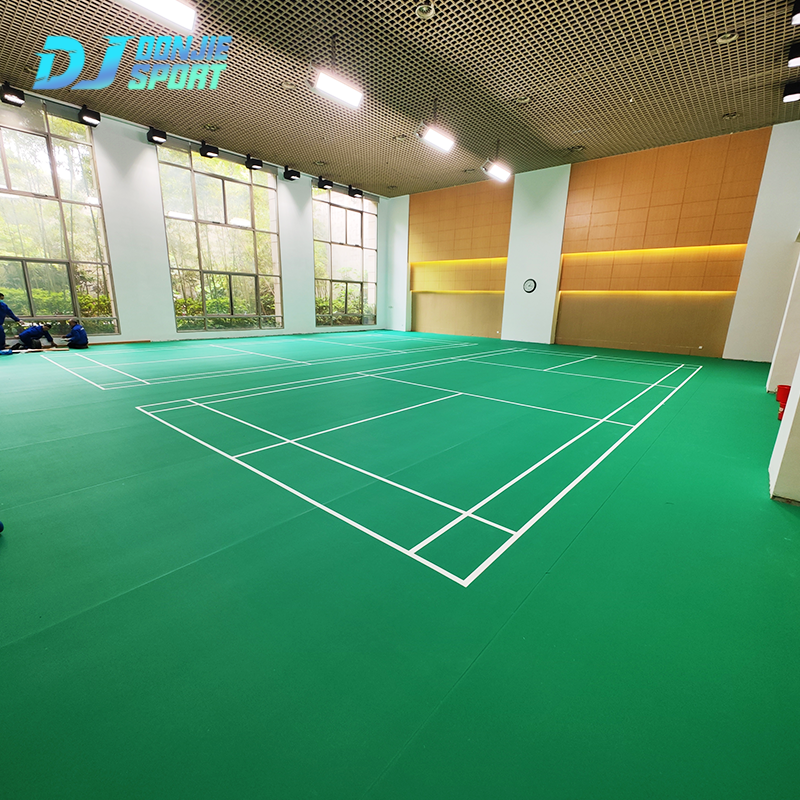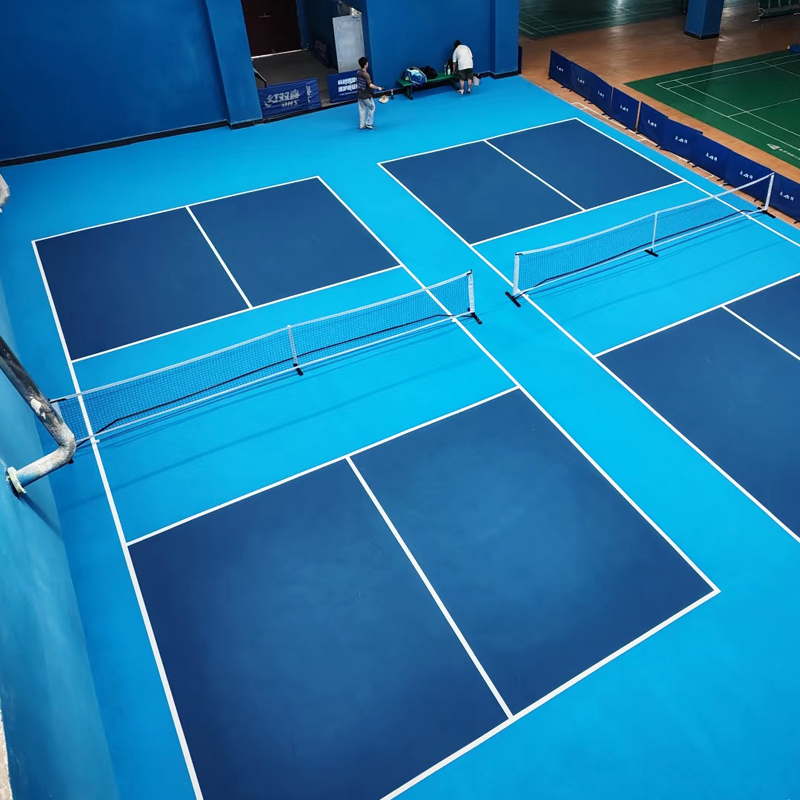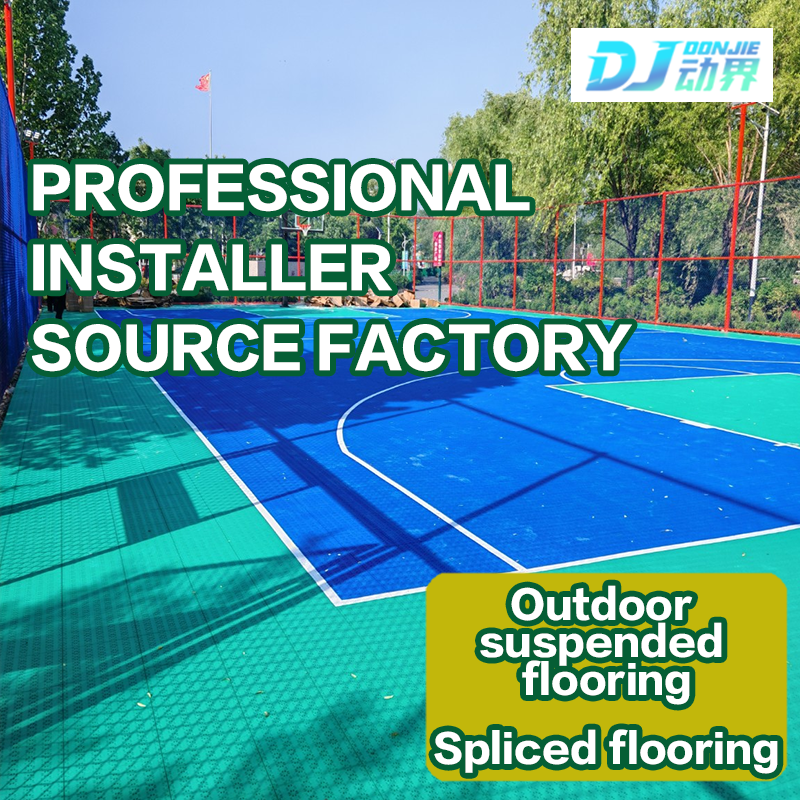
Choosing the right flooring material for a professional volleyball court is essential not only for the safety and comfort of the players but also for the longevity and performance of the court. Whether you’re designing a court for a professional venue, an indoor arena, or an outdoor setting, the flooring plays a crucial role in the game. From enhancing player performance through proper shock absorption to ensuring the court can withstand heavy traffic and frequent use, selecting the correct volleyball court flooring material is vital.
This article will explore the top 5 volleyball court flooring materials currently popular in professional venues. Each material offers unique benefits, catering to different needs such as player safety, durability, ease of maintenance, and the type of events hosted. Understanding these options will help you make an informed decision on what is best suited for your volleyball venue.
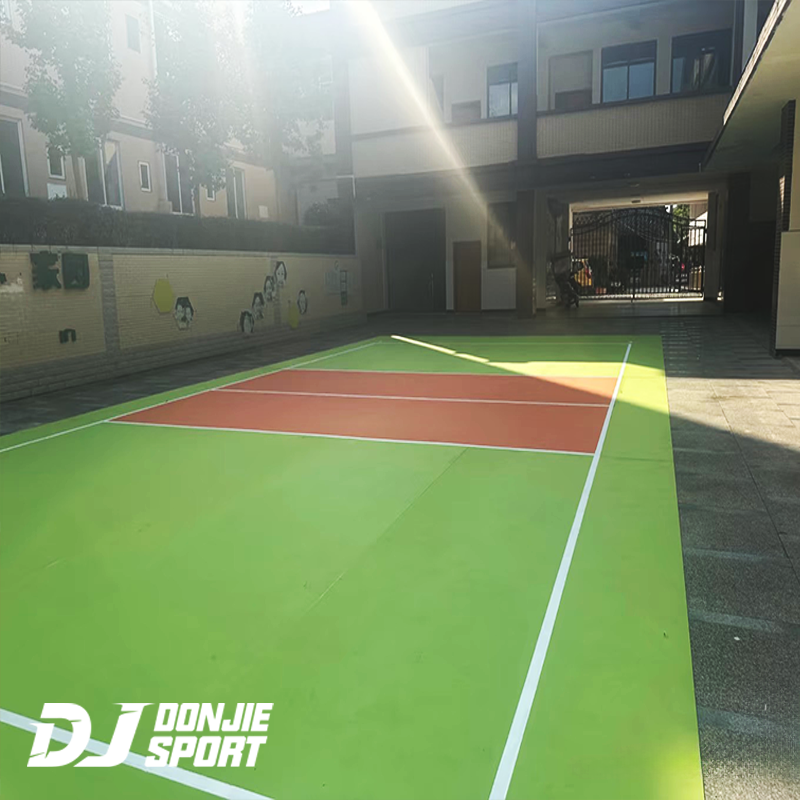
Wood Flooring: The Traditional Choice for Volleyball Courts
Wood flooring has long been the gold standard for volleyball courts, particularly in professional indoor venues. Its smooth and even surface is ideal for high-level play, offering excellent ball bounce and consistent performance. The classic maple wood courts found in major sports arenas across the world are a testament to its lasting appeal.
Benefits:
-
Durability: Wood is exceptionally durable and can withstand the wear and tear of professional-level games. Properly maintained wood flooring can last for decades.
-
Shock Absorption: One of the key advantages of wood is its ability to absorb shock, reducing the risk of injuries during jumps and sudden movements. This is particularly important for volleyball, a sport that involves a lot of vertical movement.
-
Aesthetic Appeal: Wood provides a natural, premium look that enhances the visual appeal of any professional venue. It’s a timeless material that suits high-end, traditional sports facilities.
Best Use Cases:
Wood flooring is most commonly used in indoor volleyball courts for professional leagues, tournaments, and Olympic-level events. It provides the ideal combination of performance and aesthetics, making it a popular choice for venues with high-profile games.
Maintenance and Care:
Wood floors require regular maintenance to ensure they stay in top condition. This includes refinishing every few years, addressing any scratches or damage, and keeping the surface clean and polished. Proper humidity control is also crucial to prevent warping or cracking.
PVC Flooring: A Modern and Cost-Effective Option
In recent years, PVC flooring has gained popularity in volleyball courts, particularly in multi-sport venues and areas where cost-effectiveness is a priority. PVC flooring is made from synthetic plastic and comes in a variety of colors and designs, offering a versatile and durable alternative to traditional wood.
Advantages:
-
Easy Installation: PVC flooring is relatively easy to install, making it a go-to choice for quick setups or temporary installations.
-
Affordability: Compared to wood or synthetic flooring options, PVC is more budget-friendly, making it an excellent choice for smaller venues or facilities with limited funding.
-
Durability: PVC flooring is highly resistant to wear and tear, moisture, and abrasions. It can withstand the high impact of volleyball matches and maintain its appearance over time.
Ideal Environments:
PVC flooring is ideal for venues that host multi-sport events, as it can accommodate different types of games without compromising on quality. It is also commonly used in smaller professional venues and recreational facilities. Additionally, it’s well-suited for temporary installations, as it can be rolled out and removed quickly.
Maintenance and Care:
PVC flooring is low-maintenance compared to other materials. Regular cleaning with a mild detergent and water is usually sufficient to keep it in good shape. It does not require refinishing or sanding, and its moisture resistance makes it suitable for both indoor and outdoor applications.
Rubber Flooring: Safety and Comfort Combined
Rubber flooring is another popular choice for volleyball courts, especially in environments that prioritize player safety and comfort. Known for its shock-absorbing properties, rubber flooring reduces the impact on players’ joints and helps prevent injuries during high-impact movements.
Benefits:
-
Shock Absorption: Rubber flooring offers superior shock absorption, reducing the strain on players’ knees and ankles. This makes it an excellent choice for indoor venues where the risk of injury is higher due to hard surfaces.
-
Non-Slip Surface: Rubber provides excellent grip, preventing slips and falls during fast-paced games. This ensures safety, especially during high-intensity matches.
-
Comfort: The resilient nature of rubber flooring provides a comfortable surface for athletes to move on, making it an attractive option for professional volleyball courts.
Best Suited For:
Rubber flooring is ideal for venues with a high volume of activity, such as multi-purpose gyms and community sports centers. It is also great for outdoor volleyball courts in recreational settings due to its durability in varying weather conditions.
Maintenance Considerations:
Rubber floors are relatively easy to maintain. They only require occasional sweeping and mopping to remove dirt and debris. Since rubber is naturally resistant to stains and moisture, it requires less frequent cleaning than other flooring materials. However, it is essential to check for wear and tear over time, especially in high-traffic areas.
Synthetic Sports Flooring: Innovation for Performance
Synthetic sports flooring, including materials like polyurethane and vinyl composites, has become a leading choice for volleyball courts at the professional level. These flooring options are engineered to provide superior ball bounce, moisture resistance, and easy maintenance, making them perfect for high-performance environments.
Features:
-
Ball Bounce: Synthetic flooring materials are designed to offer consistent and predictable ball bounce, which is essential for volleyball gameplay. These materials help athletes perform at their best, as the ball behaves in a consistent manner.
-
Moisture Resistance: Unlike wood, synthetic flooring does not absorb moisture, making it resistant to warping or damage from spills and sweat. This is particularly beneficial in high-intensity games where the court might experience significant moisture buildup.
-
Easy Maintenance: Synthetic floors are typically easier to maintain than natural wood. They are resistant to stains and require minimal upkeep.
Perfect For:
Synthetic sports flooring is perfect for venues with frequent events, both indoor and outdoor. It is commonly found in professional sports arenas, gyms, and large-scale volleyball events where performance and durability are key.
Longevity and Environmental Factors:
Synthetic floors are highly durable and can last for many years with proper care. However, they may not have the same aesthetic appeal as wood flooring, and they may not be suitable for venues looking for a traditional look.
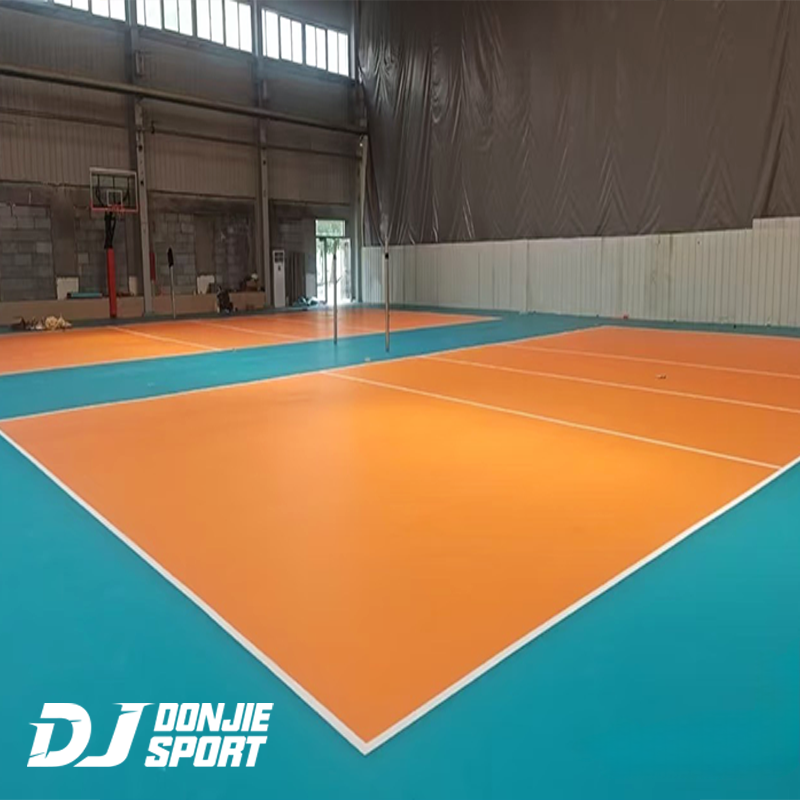
Modular Flooring: Flexibility and Convenience for Professional Tournaments
Modular flooring, made up of interlocking tiles, offers a unique solution for volleyball courts, particularly for professional tournaments that require temporary or portable setups. This type of flooring allows for easy installation and removal, making it highly versatile for events that need quick transitions.
Benefits:
-
Quick Setup and Teardown: Modular flooring can be assembled and disassembled quickly, making it ideal for temporary courts used in tournaments and events.
-
Customizable Designs: The modular nature of the tiles allows for customization in terms of size, color, and design. This makes it an excellent choice for branded events or specific venue needs.
-
Portability: Modular flooring is lightweight and easy to transport, which is essential for venues that host multiple sports or large-scale events.
Common Uses:
Modular flooring is most often used for temporary volleyball courts at tournaments, exhibitions, and trade shows. It is also popular in venues that host multiple sports, as the flooring can be quickly reconfigured based on the event.
Durability and Long-Term Performance:
While modular flooring is designed for portability, it is still durable enough to withstand professional-level volleyball matches. The tiles are resistant to wear and tear and can be used for many events before needing replacement.
Choosing the Right Volleyball Court Flooring Material
When selecting the best flooring material for a professional volleyball venue, there are numerous factors to consider, including player safety, performance, cost, and maintenance requirements. Each of the five flooring options—wood, PVC, rubber, synthetic sports flooring, and modular flooring—offers distinct advantages that can suit different types of venues and events.
Whether you prioritize durability, player comfort, or flexibility, the right volleyball court flooring will help create an optimal playing environment while extending the life of your court. By carefully evaluating your needs, you can ensure that your venue offers the best possible experience for athletes and spectators alike.