Volleyball court flooring is often overlooked, but it plays a critical role in ensuring both the safety and performance of players. Whether it’s a professional indoor tournament or a casual match at the local gym, the type of flooring impacts the game more than one might think. From improving agility to preventing injuries, volleyball court flooring serves as the foundation that supports the action.
In this article, we will explore why high-performance volleyball court flooring is so essential, examining the various materials, characteristics, and the impact it has on the game. The right flooring can make all the difference when it comes to player safety, performance, and overall game quality.

Key Characteristics of High-Performance Volleyball Court Flooring
High-performance volleyball court flooring isn’t just about aesthetics; it’s about creating the perfect playing environment. Here are the essential characteristics that set quality volleyball court flooring apart:
-
Durability and Wear Resistance
A volleyball court faces constant pressure from players jumping, sliding, and shifting. The flooring needs to be durable enough to withstand these repetitive movements without losing its integrity. High-performance flooring options are made from materials that can handle heavy foot traffic and the impact of the game, ensuring a long lifespan. -
Cushioning and Shock Absorption
One of the most critical aspects of volleyball court flooring is its ability to absorb shock. Volleyball involves frequent jumping, diving, and landing, all of which can put strain on a player’s body. Flooring with excellent shock absorption reduces the stress on joints, lowering the risk of injuries like sprains, strains, or long-term wear on the knees and ankles. -
Traction and Surface Grip
Volleyball players rely heavily on quick, sharp movements. A flooring surface that provides the right amount of grip is essential for preventing slips and enabling explosive movements. High-quality flooring materials are designed with optimal friction to ensure players can move with confidence and speed.
Types of Flooring Materials for High-Performance Volleyball Courts
The choice of flooring material plays a huge role in the overall performance of the court. There are several options available, each with its own set of pros and cons:
-
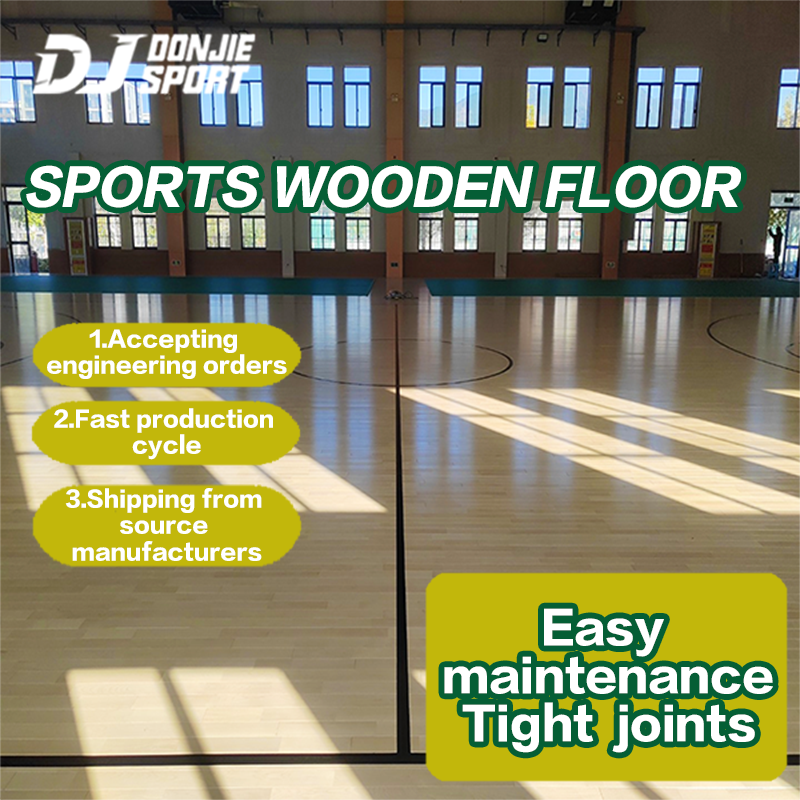
Wood Flooring
Traditional wooden flooring is often associated with indoor sports like volleyball. It’s known for its high durability and aesthetic appeal. The solid, smooth surface allows for excellent ball bounce and movement. However, it can be more costly and may require frequent maintenance, such as refinishing or resealing. -
Synthetic Flooring
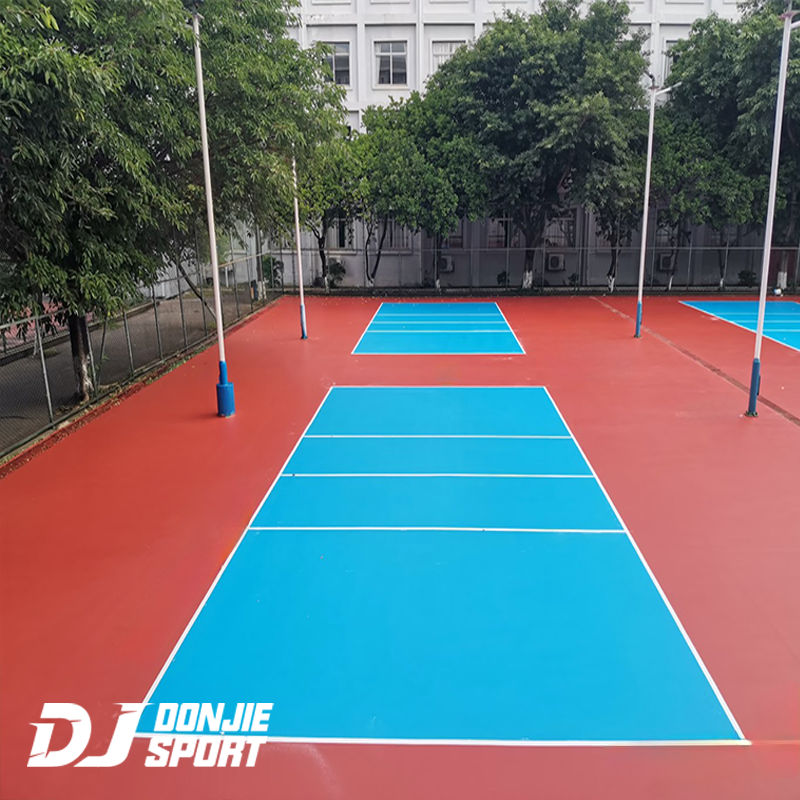
Materials like PVC, rubber, and other synthetic options are increasingly popular for volleyball courts due to their durability and shock-absorbing properties. PVC flooring, for example, is resistant to scratches and abrasions, offering long-lasting performance with minimal maintenance. Rubber flooring provides exceptional grip and is also more forgiving on joints, making it a popular choice for high-performance courts. -
Comparison of Durability, Cost, and Maintenance
While wood floors offer a classic aesthetic, synthetic materials tend to be more cost-effective and easier to maintain. Wood requires regular refinishing and may be susceptible to damage from moisture, while synthetic options are typically low-maintenance and provide excellent durability under various conditions. For venues looking for a cost-effective, long-lasting option, synthetic flooring materials tend to be the preferred choice.
The Role of Flooring in Injury Prevention and Player Safety
Injury prevention is a significant factor in choosing the right volleyball court flooring. The proper flooring provides shock absorption, cushioning, and stability, which are vital for player safety. Here’s how flooring affects injury risk:
-
Shock Absorption and Cushioning
When players land after a jump, the shock from the impact is absorbed by the court’s flooring. Flooring with poor shock absorption can lead to increased stress on joints, causing long-term injuries like tendonitis, knee problems, or back pain. High-quality flooring, on the other hand, significantly reduces this impact and helps prevent these types of injuries. -
Support and Stability
Flooring that offers stability and consistent traction ensures that players are less likely to twist their ankles or slip during quick movements. A smooth but firm surface reduces the risk of unexpected sliding or injury. -
Case Studies of Flooring-Related Injuries
In various professional settings, players on poorly designed courts are at greater risk of injury. For instance, when a poorly cushioned surface is used, it can lead to higher rates of chronic joint issues, especially for players in high-impact sports like volleyball.
Flooring and Player Performance: The Connection
The right flooring is not just a safety feature—it also enhances player performance. Flooring influences a range of elements that can make or break a game:
-
Agility and Speed
Volleyball requires fast movements, including quick direction changes and jumps. The right court surface enables players to move swiftly without losing control or grip. Flooring with adequate traction allows players to perform high-speed maneuvers with less risk of slipping. -
Ball Bounce and Control
Volleyball is a game that heavily depends on precise ball control. A high-quality court floor provides a consistent bounce, which is vital for accurate passes and spikes. If the floor surface is uneven or too soft, it can disrupt ball control and throw off the rhythm of the game. -
Scientific Insight
Studies have shown that high-performance flooring directly correlates with improved player performance. Players are able to make faster and more controlled movements, leading to better game results. This connection is why professional teams and event organizers invest heavily in selecting the right flooring for their courts.
The Longevity of High-Performance Volleyball Court Flooring
A well-maintained volleyball court floor can last for many years, but it requires regular upkeep to preserve its performance and appearance. Here’s what you need to know about maintaining high-performance flooring:
-
Regular Cleaning and Maintenance
Dust, dirt, and debris can affect the surface’s traction and aesthetic appeal. Routine cleaning helps maintain the floor’s functionality and prevents damage. High-performance flooring materials, especially synthetic ones, typically require less upkeep than traditional wood flooring, but they still need periodic inspections. -
Cost vs. Longevity
High-performance flooring may require a larger initial investment, but it pays off in the long term by reducing the need for frequent replacements. The durability and low-maintenance nature of modern flooring options, like synthetic materials, offer significant savings in the long run.
Future Trends in Volleyball Court Flooring
As technology advances, so does the world of sports flooring. Here are some exciting trends in volleyball court flooring:
-
Sustainable Flooring Materials
As sustainability becomes more important, the sports industry is moving towards eco-friendly flooring options. Materials such as recycled rubber or bamboo-based flooring are being used in high-performance courts, offering an environmentally conscious alternative to traditional materials. -
Innovative Flooring Designs
New designs are emerging that not only improve performance but also offer customizable options. These floors can be tailored to the needs of the players, including varying degrees of shock absorption and surface grip. -
Smart Flooring Solutions
The integration of smart technology into court flooring is another future trend. For example, some courts may be equipped with sensors that track player movement and performance, providing valuable insights into player health and game dynamics.
Investing in the Right Volleyball Court Flooring for High Performance
Choosing the right volleyball court flooring is not a decision to be taken lightly. High-performance flooring has a direct impact on both player safety and game performance. From reducing injuries to enhancing player agility, the quality of the flooring can make a huge difference.
Investing in durable, high-performance flooring ensures that the court will stand the test of time while providing a safe and effective playing surface for athletes. Whether you’re designing a professional venue or upgrading an existing court, the right flooring choice is essential for long-term success in the game.