Choosing the right volleyball flooring is crucial for schools and recreation centers looking to provide a safe, high-quality environment for players. Volleyball is a high-impact sport that requires a durable and performance-optimized surface to enhance both safety and playability. This guide will explore key factors to consider when selecting the best volleyball flooring options, ensuring a long-lasting and effective solution for your facility.

Understanding Volleyball Flooring Options
Volleyball flooring comes in several types, each with its own set of advantages. The most common options include wood, vinyl, and rubber flooring.
-
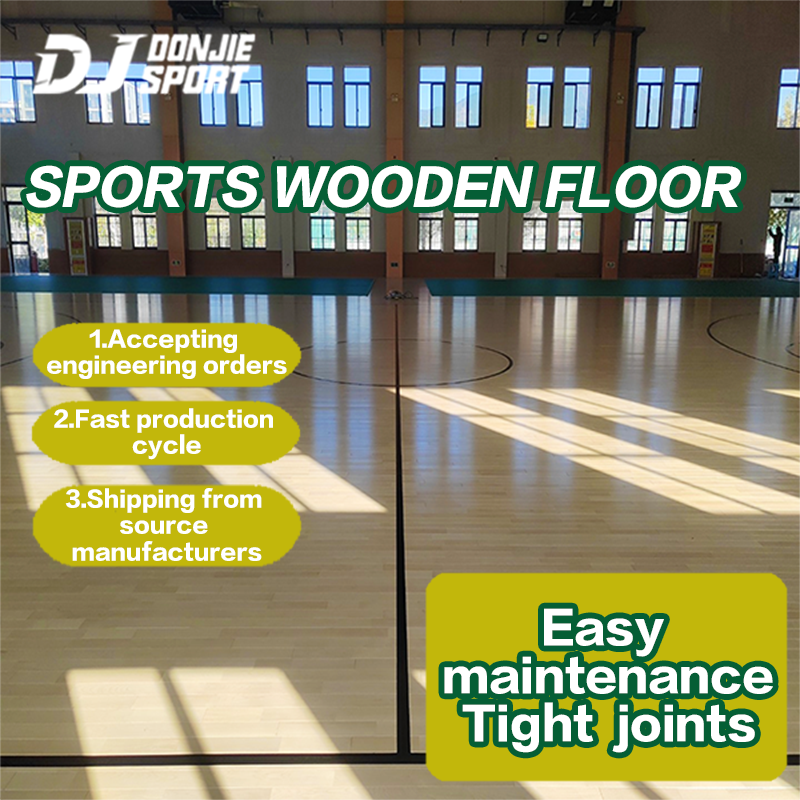
Wood Flooring: Often regarded as the gold standard for volleyball courts, wood provides excellent bounce and stability. It’s ideal for indoor courts that will host frequent games and competitions. However, it requires regular maintenance to prevent warping and can be expensive.
-
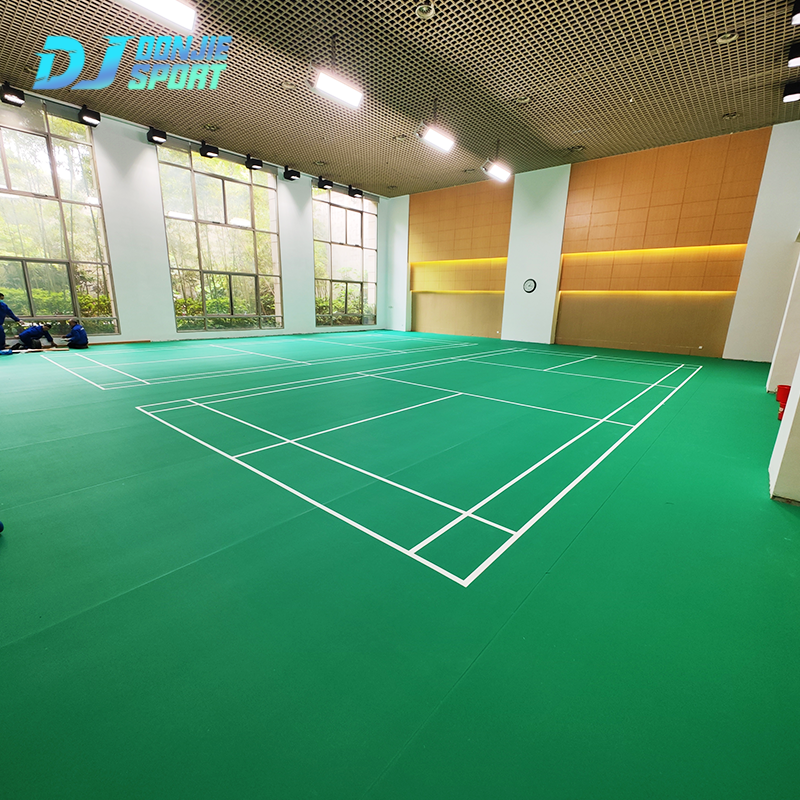
Vinyl Flooring: Vinyl is a budget-friendly option with a smooth, non-slip surface. It’s highly durable and easy to maintain, making it a popular choice for recreational centers and schools. It can handle heavy foot traffic and is often more affordable than wood.
-
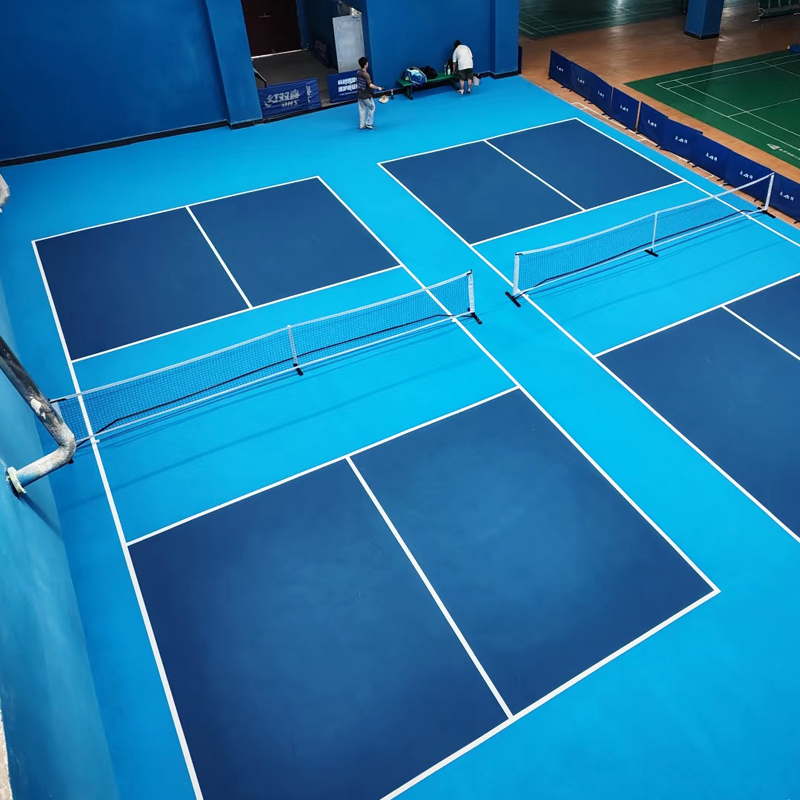
Rubber Flooring: Rubber flooring is known for its shock-absorbing qualities, which makes it a great choice for protecting athletes’ joints. It’s often used in multipurpose gyms where various sports are played. Rubber floors are also more forgiving when it comes to falls and provide excellent grip.
Each type of flooring has its unique strengths, and the right choice depends on factors like budget, usage, and the facility’s specific needs.
Key Considerations When Selecting Volleyball Flooring
When deciding on the right volleyball flooring, several factors come into play. Here are the most important considerations:
-
Durability: Schools and recreation centers need flooring that can withstand high-impact activities, especially if the court will see a lot of use. Choose materials that are resistant to wear and tear, with a high resistance to scratches, dents, and stains.
-
Safety: Player safety is paramount. Flooring should provide adequate traction to prevent slips and falls. It should also offer cushioning to reduce the risk of injuries from jumps and dives. The right flooring can prevent accidents by reducing the risk of sprains, strains, and fractures.
-
Cost: Budget is always a concern, especially for schools and recreation centers. However, it’s important to balance cost with quality. Low-cost options may save money upfront but could require frequent replacements or costly maintenance. High-quality flooring materials, while pricier, often provide better long-term value.
-
Maintenance: Facilities that host multiple events and activities need flooring that’s easy to clean and maintain. Look for materials that are simple to wipe down, resistant to dirt, and don’t require too much effort to keep in top condition.
-
Aesthetic Appeal: The visual appeal of the flooring can enhance the overall ambiance of the facility. Choose colors and finishes that align with the facility’s branding or school colors. A well-designed volleyball court can also help create an inviting atmosphere for athletes and spectators alike.
The Role of Volleyball Flooring in Player Performance
The right volleyball flooring plays a pivotal role in player performance. A court that provides the right balance of firmness and shock absorption allows players to perform at their best.
-
Comfort: A floor that’s too hard or too soft can affect the player’s ability to move and jump. Proper cushioning reduces strain on joints and provides a more comfortable experience during long practice sessions and games.
-
Footing and Movement: Flooring should provide excellent traction without being too sticky. If the surface is too smooth, players can slip, and if it’s too grippy, it can hinder their movement. The ideal flooring allows players to change direction quickly without losing balance or traction.
-
Player Safety: Properly installed and maintained flooring ensures that players are less likely to sustain injuries. For instance, a well-cushioned surface can reduce the impact on knees and ankles, especially for athletes who frequently jump or land.

Eco-Friendly Options for Volleyball Flooring
In recent years, sustainability has become an important consideration for many schools and recreation centers. Eco-friendly flooring options are becoming more readily available, with manufacturers offering materials that are both durable and environmentally responsible.
-
Sustainable Materials: Look for flooring made from renewable materials such as bamboo, cork, or recycled rubber. These materials are not only eco-friendly but can also provide the same level of performance as traditional flooring options.
-
Benefits of Eco-Friendly Flooring: Choosing environmentally friendly flooring not only supports green initiatives but also promotes healthier indoor air quality by reducing the number of chemicals used in the production and maintenance of flooring.
Conclusion
Selecting the right volleyball flooring for schools and recreation centers is essential for player safety, performance, and the longevity of the facility. Key factors to consider include durability, safety, cost, and maintenance. With various flooring options available, it’s important to balance all these aspects to ensure a high-quality playing surface that meets the needs of both players and facility managers.