Selecting the right volleyball court flooring is a crucial decision for any venue, whether it’s a school, recreational center, or professional sports facility. The flooring choice affects not only the aesthetic appeal and functionality of the court but also the safety and performance of the players. However, finding a balance between quality and cost can often be a challenge, especially when working with a tight budget.
This article aims to guide you through cost-effective volleyball court flooring solutions that meet various financial requirements. Whether you’re outfitting a high school gym or upgrading a recreational facility, there are affordable options that don’t sacrifice performance or safety. By understanding the different types of flooring and their benefits, you can make an informed decision that suits both your budget and your volleyball court needs.
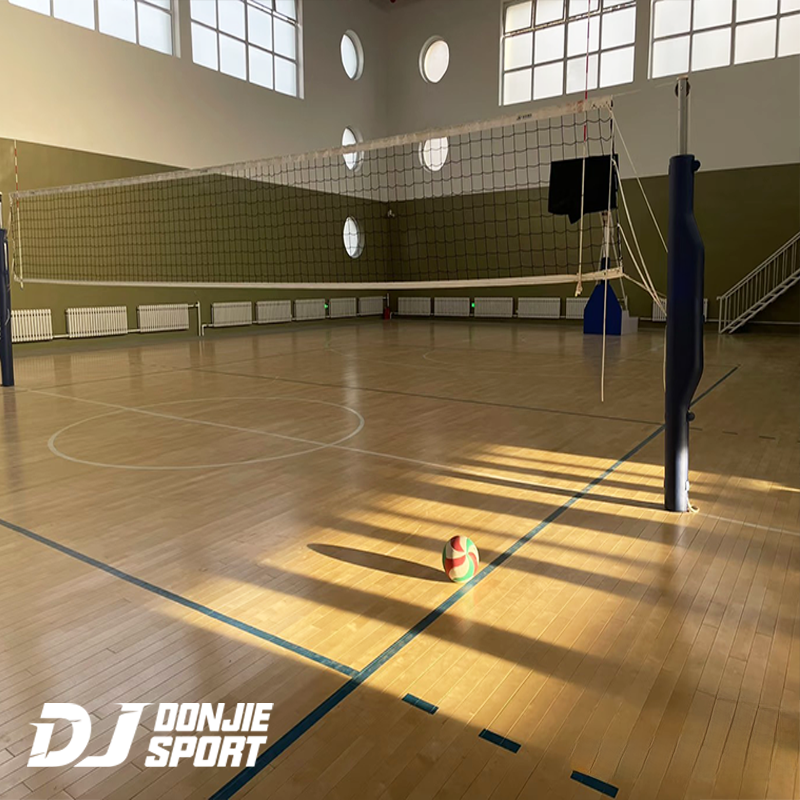
Understanding Volleyball Court Flooring Options
When selecting flooring for a volleyball court, it’s essential to understand the different materials available and how each option suits different budgets. Volleyball court flooring comes in various types, including wood, vinyl, rubber, and interlocking tiles. The choice you make can impact the cost, durability, and overall playability of the court.
1. Wood Flooring:
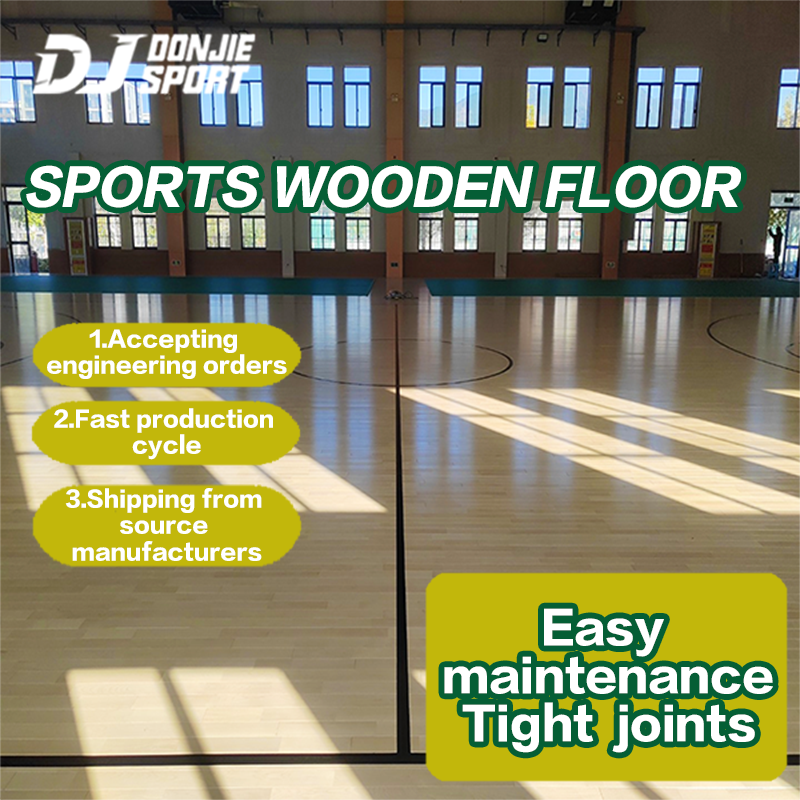
Traditional wood flooring is a common choice for professional volleyball courts due to its excellent bounce, durability, and aesthetic appeal. However, it tends to be more expensive and requires regular maintenance, making it less cost-effective for budget-conscious buyers.
2. Vinyl Flooring:
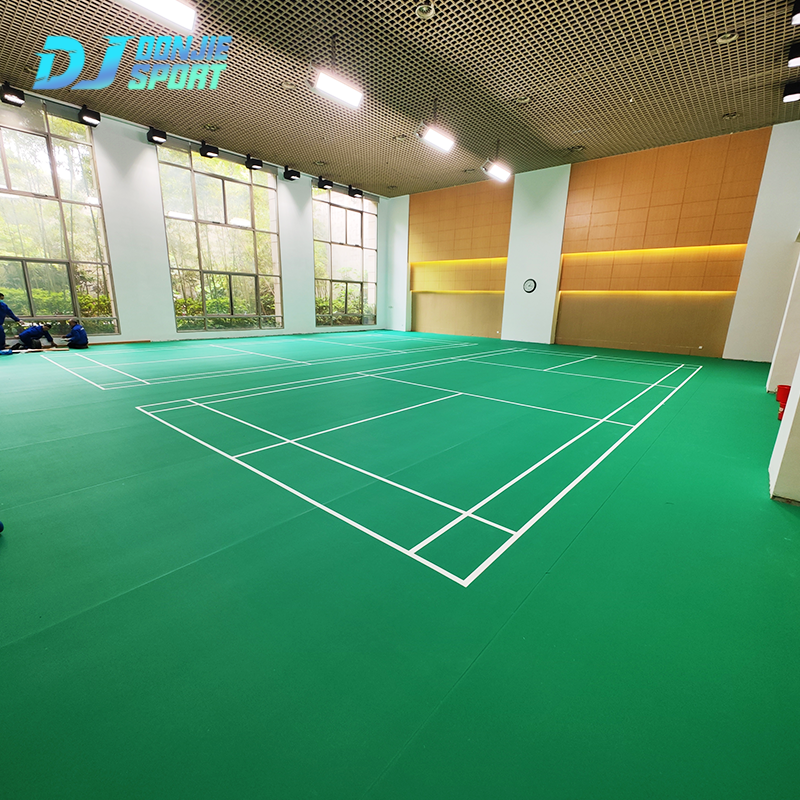
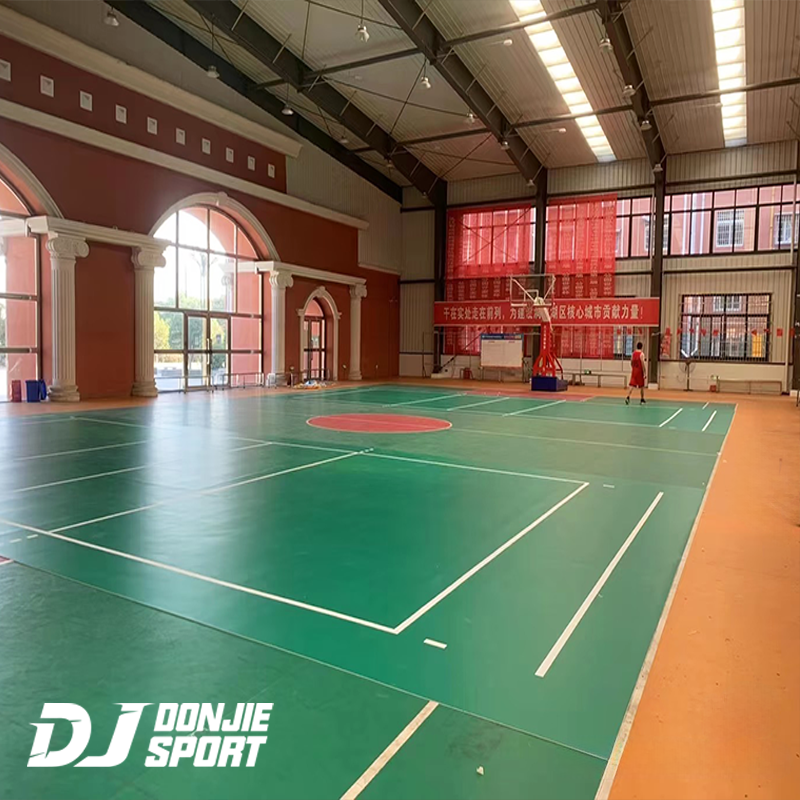
Vinyl flooring is one of the most affordable options, offering good durability and performance. It’s relatively easy to install and maintain, making it a popular choice for schools and recreational centers looking to stay within budget.
3. Rubber Flooring:
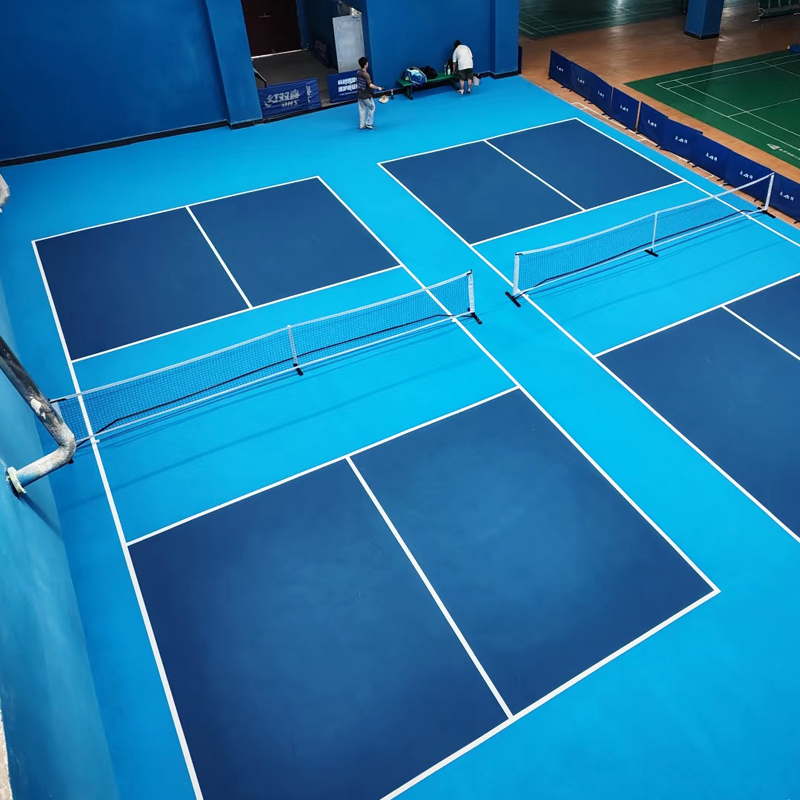
Rubber is an excellent choice for those prioritizing cushioning and player safety. While it may not offer the same level of performance as wood or vinyl, it is durable and affordable, making it a great choice for smaller venues or practice courts.
4. Interlocking Tiles:
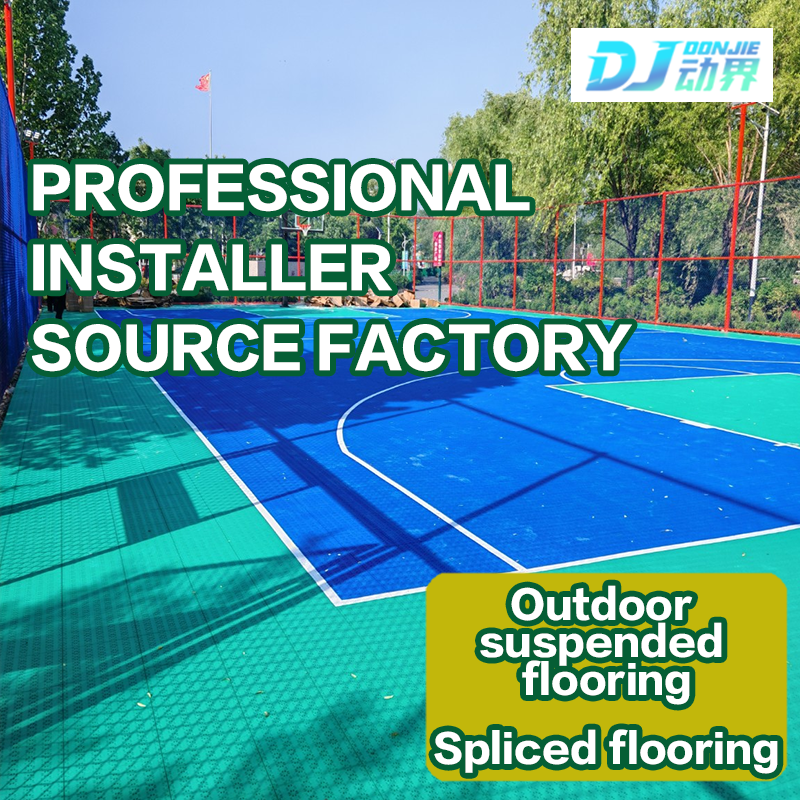
Interlocking tiles are modular and easy to install, making them a great option for those who need a quick setup. They are affordable, versatile, and can be used for both indoor and outdoor courts, offering flexibility at a low cost.
Each flooring material has its unique set of benefits, so it’s important to choose one that aligns with both your functional needs and financial constraints.
Key Factors to Consider When Choosing Cost-Effective Volleyball Court Flooring
While cost is a major factor, it’s also essential to consider other aspects that will affect your long-term satisfaction with the flooring choice.
1. Durability and Longevity:
Cheap flooring materials may save you money upfront, but they might need to be replaced sooner, leading to higher long-term costs. Look for options that offer a good balance of cost and durability. Vinyl and rubber flooring, for example, are known for their longevity, even on a budget.
2. Maintenance Costs:
Some flooring materials, such as wood, require ongoing maintenance like refinishing and polishing, which can add to your overall expense. Vinyl and rubber flooring are much easier to clean and maintain, lowering the ongoing costs.
3. Impact on Players’ Performance and Safety:
The type of flooring you choose can influence how the game is played. For example, hardwood offers an excellent bounce for the ball, making it the preferred choice in professional settings. Meanwhile, rubber flooring provides extra cushioning, reducing the risk of injury for players. Assessing the safety needs of your court is crucial when deciding what flooring will best suit your budget.
Affordable Volleyball Court Flooring Materials
Here’s a deeper look at some of the most cost-effective volleyball court flooring options available today:
1. Vinyl Flooring:
Vinyl is one of the most affordable options for volleyball court flooring. It’s highly durable, offers decent performance, and is easy to install and maintain. Available in rolls or tiles, vinyl can be installed with minimal disruption to your venue. The cost of vinyl flooring per square foot is typically much lower than traditional wood or high-end rubber flooring, making it a popular choice for budget-conscious buyers.
2. Interlocking Tiles:
Interlocking tiles are a versatile and budget-friendly flooring solution. Made from materials like PVC, they are lightweight and simple to install, often without the need for adhesives. Interlocking tiles are also customizable, allowing you to create the desired layout for your court. While they may not provide the same performance as a professional wooden court, they are a practical and affordable option for recreational or school courts.
3. Rubber Flooring:
Rubber flooring offers excellent shock absorption and durability, making it ideal for areas where player safety is a priority. It’s particularly suited for recreational and multi-purpose courts. Rubber flooring is not as expensive as wood and can last for many years with minimal upkeep. Its cushioned surface also provides a comfortable play experience for athletes.
4. PVC Flooring:
For the most budget-conscious buyers, PVC flooring offers an incredibly low-cost solution. While it may not provide the same bounce as wood, PVC flooring is durable and resistant to wear, making it ideal for recreational courts or temporary setups. PVC tiles can be installed easily and require little maintenance, making them a perfect choice for organizations looking to maximize their budget.
Pros and Cons of Low-Cost Volleyball Court Flooring
Every flooring material has its strengths and weaknesses, especially when it comes to affordability. Here are the pros and cons of low-cost volleyball court flooring:
Advantages:
-
Cost savings: Affordable materials can significantly reduce upfront costs, making them ideal for budget-sensitive venues.
-
Quick installation: Many low-cost flooring options, such as interlocking tiles and vinyl, are easy to install and require little downtime.
-
Low maintenance: Some budget options, like vinyl and rubber flooring, require minimal maintenance compared to hardwood, saving you money in the long run.
Disadvantages:
-
Potential for wear and tear: Budget flooring materials may not be as durable as premium options, leading to the need for replacements sooner.
-
Lower performance: While low-cost options are practical, they might not offer the same level of bounce, grip, or overall performance as professional-grade flooring.
-
Less aesthetic appeal: Some budget-friendly materials may not have the polished look that high-end flooring provides, which could impact the visual appeal of your court.
Comparing Prices of Volleyball Court Flooring Solutions
Here’s a breakdown of the typical costs for each type of flooring material:
-
Vinyl Flooring: Typically priced between $2 to $5 per square foot.
-
Interlocking Tiles: Prices range from $1.50 to $3 per square foot.
-
Rubber Flooring: Costs range from $2.50 to $6 per square foot, depending on thickness and quality.
-
PVC Flooring: The most affordable option, with prices ranging from $0.75 to $2 per square foot.
Installation costs can add anywhere from $1 to $3 per square foot, depending on the complexity of the setup and whether professional help is required. Additionally, the expected lifespan of vinyl, rubber, and interlocking tiles can last anywhere from 10 to 20 years with proper maintenance, while PVC flooring may need replacement sooner.
How to Make the Most of Your Budget
To ensure you get the most value out of your budget, consider the following tips:
-
Look for sales and discounts: Many suppliers offer promotions or discounts, especially for bulk purchases or large orders.
-
Consider multi-purpose flooring: If the court is used for other sports, look for flooring that can serve multiple functions, reducing the need for additional investments.
-
DIY installation: Installing flooring yourself can significantly reduce labor costs, especially with interlocking tiles or vinyl sheets.
Maintaining Cost-Effective Volleyball Court Flooring
Proper maintenance is key to extending the lifespan of your budget-friendly flooring. Here are some tips for maintaining various flooring materials:
-
Vinyl Flooring: Regularly sweep or vacuum debris, and clean with a damp mop and a mild cleaning solution.
-
Interlocking Tiles: Keep tiles clean and check for any loose or damaged pieces regularly. Replace tiles as needed.
-
Rubber Flooring: Clean with a mop and gentle cleanser to prevent dirt buildup, and occasionally use a rubber conditioner to maintain its appearance.
-
PVC Flooring: Sweep debris and mop occasionally to avoid scuff marks and stains. Keep the surface dry to prevent slipping.
Conclusion
Choosing cost-effective volleyball court flooring solutions is possible without compromising on safety and performance. Vinyl, interlocking tiles, rubber, and PVC flooring all provide budget-friendly alternatives that meet the needs of schools, recreational centers, and community organizations. While these materials may not offer the same performance as high-end hardwood courts, they provide a perfect balance between cost, functionality, and durability.
By understanding your options and prioritizing the right factors like durability, maintenance, and safety, you can make an informed decision that fits your budget and meets the needs of your facility. With the right choice of flooring, your volleyball court can be both affordable and functional for years to come.