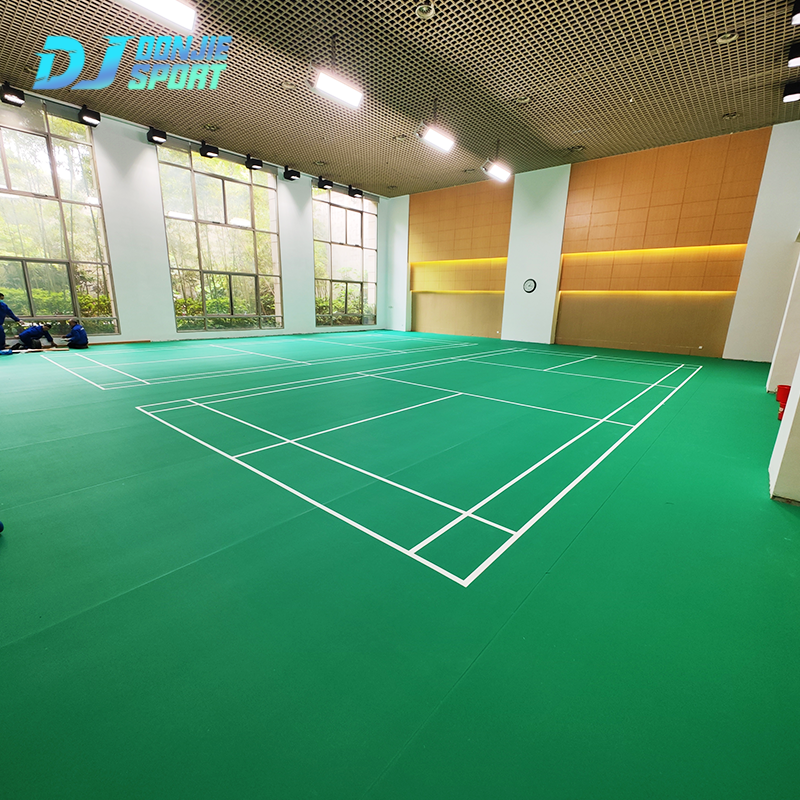
When it comes to setting up a volleyball court, the floor you choose plays a critical role in the safety and comfort of the players. Volleyball floor tiles are not just about aesthetics; they are essential for reducing the risk of injuries while providing a comfortable surface that enhances performance. Whether you’re setting up a recreational court or outfitting a professional venue, selecting the right volleyball floor tiles can make a significant difference in player experience. In this article, we’ll explore the factors that ensure safety, comfort, and durability when choosing quality volleyball floor tiles.
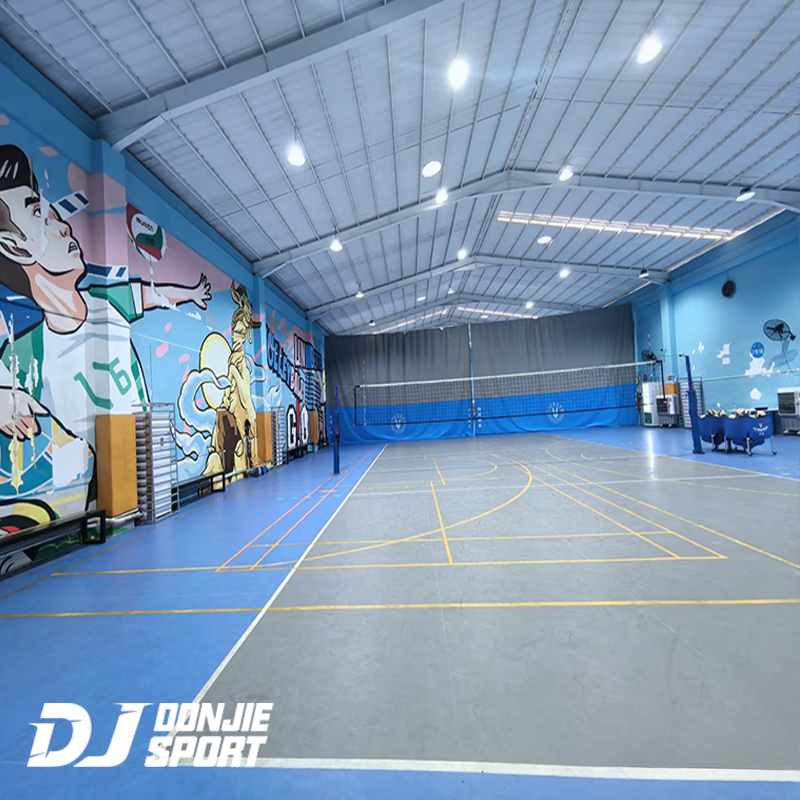
Why Quality Volleyball Floor Tiles Matter
Choosing the right volleyball floor tiles goes far beyond aesthetics—it directly impacts player safety and overall performance. Quality tiles are designed with features that promote safety, such as shock absorption and slip resistance, which are essential for preventing injuries during intense play. The comfort of the players is also paramount, as high-quality flooring ensures a smoother, more responsive surface that helps reduce fatigue and discomfort during long matches. Additionally, investing in durable flooring reduces the long-term costs of maintenance and replacements, making it a cost-effective choice for both recreational and professional venues.
Key Factors to Consider When Choosing Volleyball Floor Tiles
When selecting volleyball floor tiles, several key factors should guide your decision-making process:
-
Material Types
Different materials offer unique advantages. Rubber tiles provide excellent shock absorption and durability, while PVC tiles are lightweight, easy to install, and resistant to wear. Polyurethane is another popular option due to its superior flexibility and comfort, making it ideal for high-performance courts. -
Shock Absorption and Injury Prevention
Shock absorption is one of the most critical features of quality volleyball floor tiles. A floor that absorbs the impact from jumps, falls, and quick movements helps reduce strain on players’ joints, ligaments, and muscles. This can significantly minimize the risk of injuries such as sprains or strains, allowing athletes to perform at their best without worry. -
Slip Resistance
Safety on the court is essential, and having slip-resistant flooring plays a key role in preventing accidents. High-quality tiles are specifically designed with textured surfaces to provide the necessary grip for players to move quickly and confidently. This feature helps avoid dangerous slips, especially in fast-paced games. -
Tile Thickness and Comfort
The thickness of volleyball floor tiles directly influences the comfort level of players. Thicker tiles often provide more cushioning and a softer landing, which is crucial for protecting players during high-impact movements. However, finding the right balance between thickness and performance is important—too thick may affect stability, while too thin may not provide adequate comfort. -
Maintenance and Installation
Maintenance is another important consideration when selecting volleyball floor tiles. Easy-to-clean tiles made from durable materials ensure a long lifespan with minimal effort. The installation process should also be straightforward to minimize downtime before the court is ready for use.
How to Install Volleyball Floor Tiles for Maximum Safety
Installing volleyball floor tiles properly is crucial for ensuring that the flooring functions as intended. Here’s a basic step-by-step guide to achieving a safe and comfortable court:
-
Prepare the Subfloor
Begin by ensuring the subfloor is clean, dry, and level. Any imperfections in the surface could cause the tiles to misalign, leading to discomfort and potential safety hazards. -
Lay the Tiles Carefully
Start by laying down the tiles along one edge of the court. Ensure they fit snugly together, and make any necessary cuts for corners or edges. Use the manufacturer’s guidelines for spacing between tiles to maintain consistency. -
Secure the Tiles
Depending on the tile type, you may need adhesive to secure the tiles in place. Be sure to follow the installation instructions for the best results. For interlocking tiles, make sure each piece clicks into place properly for added stability. -
Allow Time for Curing
If using adhesive, allow it to set properly before use. This will ensure the tiles are securely bonded and won’t shift during play.
By following these steps, you can install your volleyball floor tiles in a way that maximizes both safety and comfort for the players.
How to Maintain Your Volleyball Floor Tiles for Longevity
Quality volleyball floor tiles are designed to last, but regular maintenance is essential for keeping them in top condition. Here are some tips to extend the life of your court flooring:
-
Regular Cleaning
Clean your tiles regularly to remove dirt, dust, and other debris that can cause wear and affect performance. Use a mild detergent and a soft mop to avoid damaging the surface. -
Prevent Damage
Encourage players to wear non-marking shoes to avoid scuff marks and damage to the tiles. Avoid dragging heavy equipment or furniture across the court to prevent scratches. -
Inspect for Damage
Periodically check for any signs of wear, such as cracked or loose tiles. Promptly replacing damaged tiles will help maintain the court’s integrity and prevent accidents. -
Deep Cleaning and Maintenance
For deep cleaning, follow the manufacturer’s recommendations. Some tiles may require periodic resealing or other treatments to maintain their appearance and performance.
By keeping up with maintenance, you can ensure that your volleyball court remains safe, comfortable, and visually appealing for years to come.

Benefits of Investing in High-Quality Volleyball Floor Tiles
While it may be tempting to choose cheaper alternatives, investing in high-quality volleyball floor tiles pays off in the long run. Here are some benefits to consider:
-
Enhanced Performance
Players will perform better on a high-quality, well-maintained surface. A comfortable and safe floor allows them to move with confidence, improving their agility and performance. -
Player Satisfaction
The comfort and safety that quality flooring provides will lead to greater player satisfaction. A floor that minimizes injury risks and promotes comfort will ensure that athletes enjoy playing, leading to better retention and overall performance. -
Long-Term Durability
High-quality tiles are built to last, even under heavy use. They’re resistant to wear and tear, meaning fewer replacements and lower maintenance costs over time. This makes them a more cost-effective option in the long run, especially for schools, recreational centers, and professional venues.
Conclusion
In conclusion, choosing quality volleyball floor tiles is one of the most important decisions for ensuring player safety and comfort. When you invest in high-quality materials, you not only enhance performance but also reduce the risk of injuries and ensure the longevity of your court. Keep the factors discussed in mind—material, shock absorption, slip resistance, tile thickness, and ease of maintenance—and you’ll create a safe, comfortable playing environment for athletes. Quality volleyball floor tiles are more than just an aesthetic choice; they’re an investment in safety, comfort, and long-term performance.