When it comes to choosing the right flooring for a volleyball court, two materials stand out: hardwood and synthetic flooring. Both offer distinct advantages, but selecting the best option for your specific needs is crucial. Whether you’re outfitting a professional sports venue or a recreational gym, the flooring you choose will significantly affect the players’ performance, safety, and long-term costs. In this guide, we’ll dive into the pros and cons of hardwood and synthetic volleyball court flooring, helping you make an informed decision that aligns with your facility’s needs and budget.
Understanding Volleyball Court Flooring Types
Volleyball courts require specialized flooring that provides the right balance of durability, grip, and safety. Let’s start by understanding the two primary types of flooring:
Hardwood Flooring
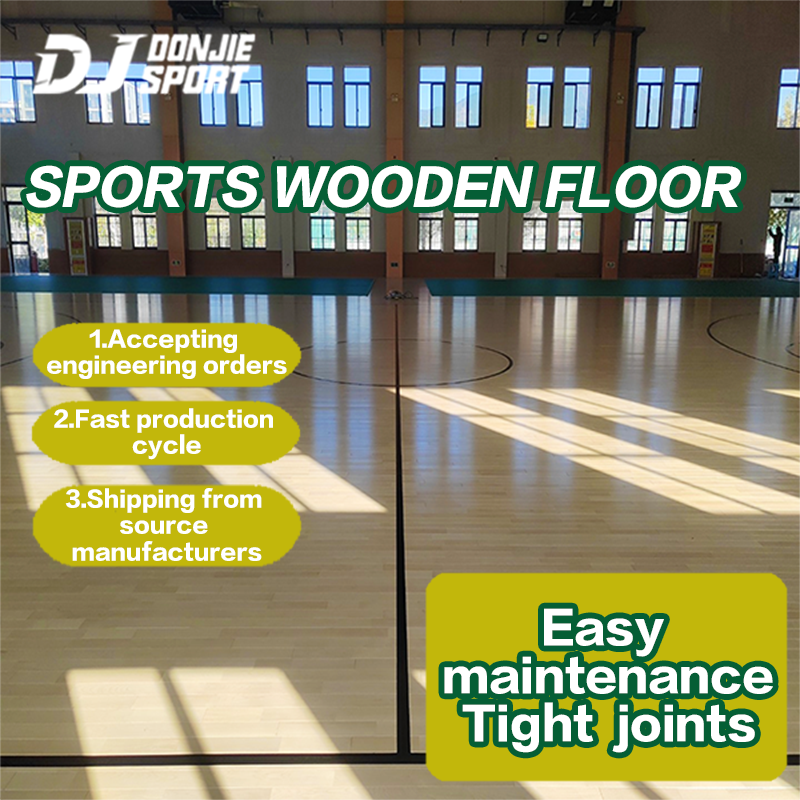
Hardwood flooring is a classic choice for volleyball courts, especially in professional arenas and gyms. It is made from natural wood, often maple, known for its durability and shock-absorbing qualities. Hardwood courts offer a traditional, aesthetically pleasing surface that players are accustomed to at the professional level.
Synthetic Flooring
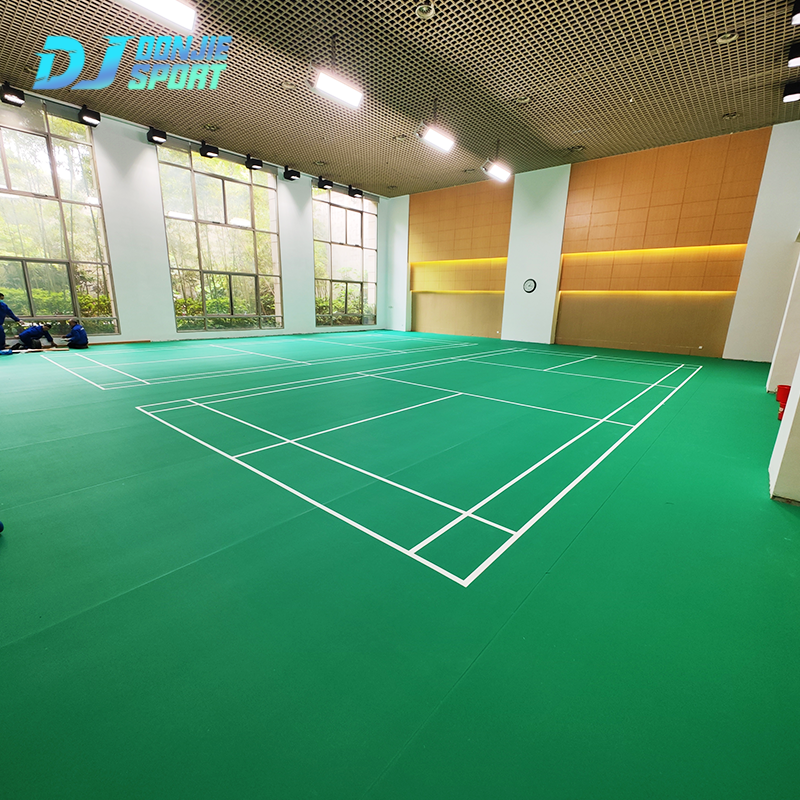
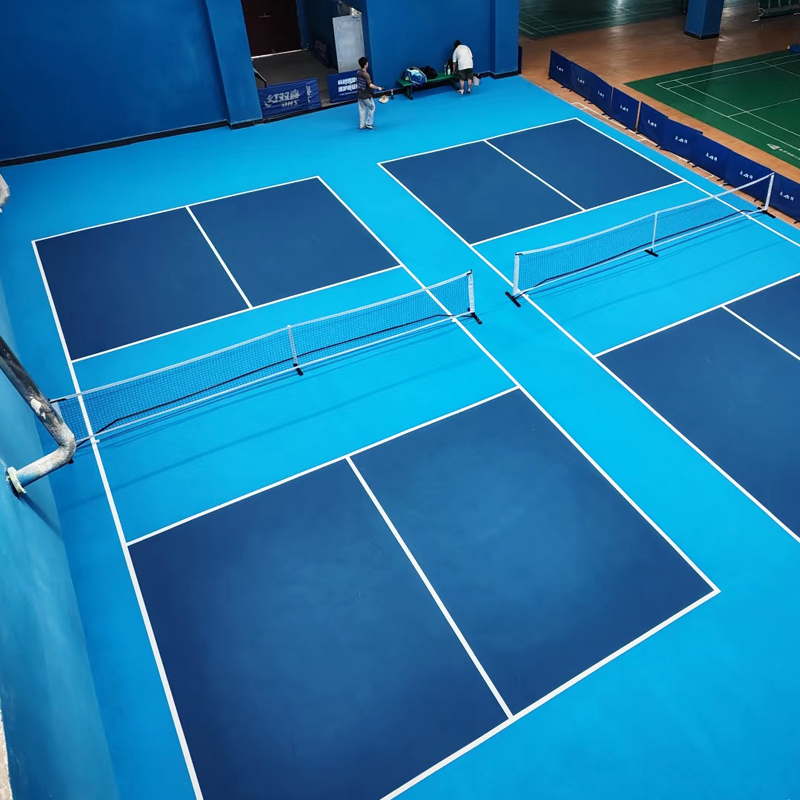
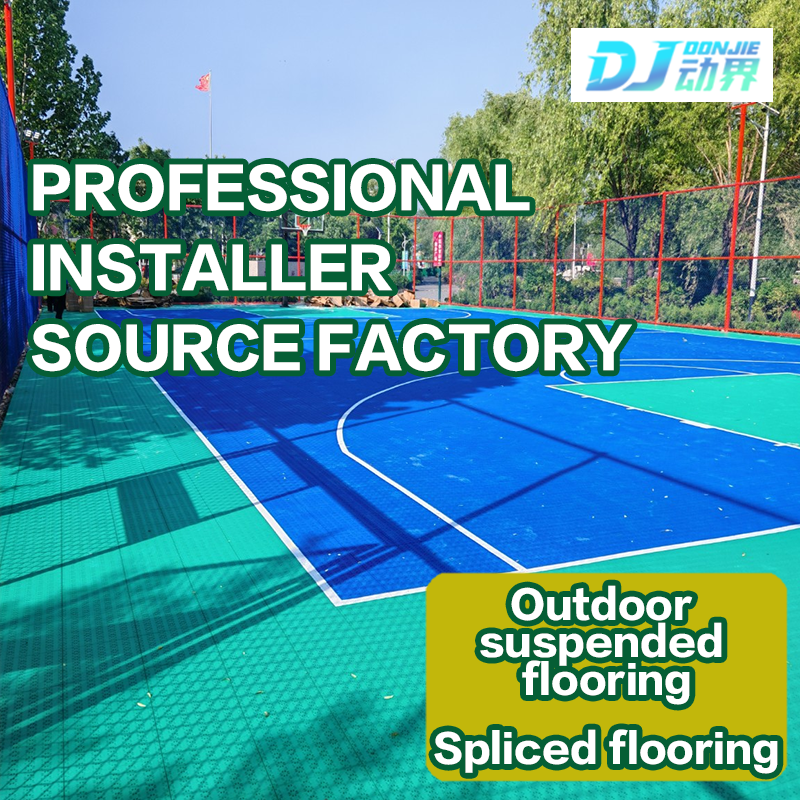
Synthetic flooring, often made from materials such as vinyl, rubber, or polyurethane, has gained popularity in recent years due to its versatility and cost-effectiveness. Unlike hardwood, synthetic courts come in various types, such as interlocking tiles or continuous rolls, each offering unique benefits like easier installation and low maintenance.
Performance and Safety: Which Flooring Type Enhances Player Comfort?
The performance of a volleyball court flooring system can directly impact the players’ comfort and safety.
Hardwood Flooring
Hardwood courts are known for their smooth, consistent surface, providing excellent bounce and stability. However, one key consideration is the impact on players’ joints. Hardwood floors, though shock-absorbent, can still be harder on players’ knees and ankles, especially during intense games with repeated jumps.
Synthetic Flooring
Synthetic flooring, on the other hand, typically offers enhanced cushioning and shock absorption. Modern synthetic courts are designed to reduce the risk of injury by providing a softer surface compared to hardwood. This makes synthetic flooring a great choice for facilities that prioritize player safety and comfort, especially for recreational leagues or schools.
Durability and Maintenance Considerations
When choosing between hardwood and synthetic flooring, it’s essential to consider the long-term durability and ease of maintenance.
Hardwood Flooring
Hardwood floors are incredibly durable when maintained properly, but they require regular upkeep to prevent wear and tear. Over time, high-impact areas can show signs of damage such as scratches, dents, or discoloration. Additionally, they are vulnerable to moisture, making them unsuitable for outdoor use unless properly sealed. Hardwood floors must be sanded and refinished periodically, which adds to their long-term maintenance cost.
Synthetic Flooring
Synthetic flooring is typically more resistant to environmental factors like moisture, UV exposure, and extreme temperatures. It can endure high-traffic areas without showing visible signs of damage, making it ideal for busy sports facilities. Most synthetic floors are low maintenance, requiring only occasional cleaning to keep them in good condition. Unlike hardwood, they don’t need refinishing, which makes synthetic options more affordable and hassle-free over time.
Aesthetic Appeal: Which Flooring Fits Your Facility?
Both hardwood and synthetic flooring offer distinct visual appeal, and your choice will depend on the look you want to achieve for your volleyball court.
Hardwood Flooring
Hardwood is often considered the gold standard for sports facilities, offering a sleek, professional, and traditional aesthetic. The rich, natural grain of hardwood adds a sense of warmth and elegance to any gym or arena, making it a popular choice for elite volleyball courts.
Synthetic Flooring
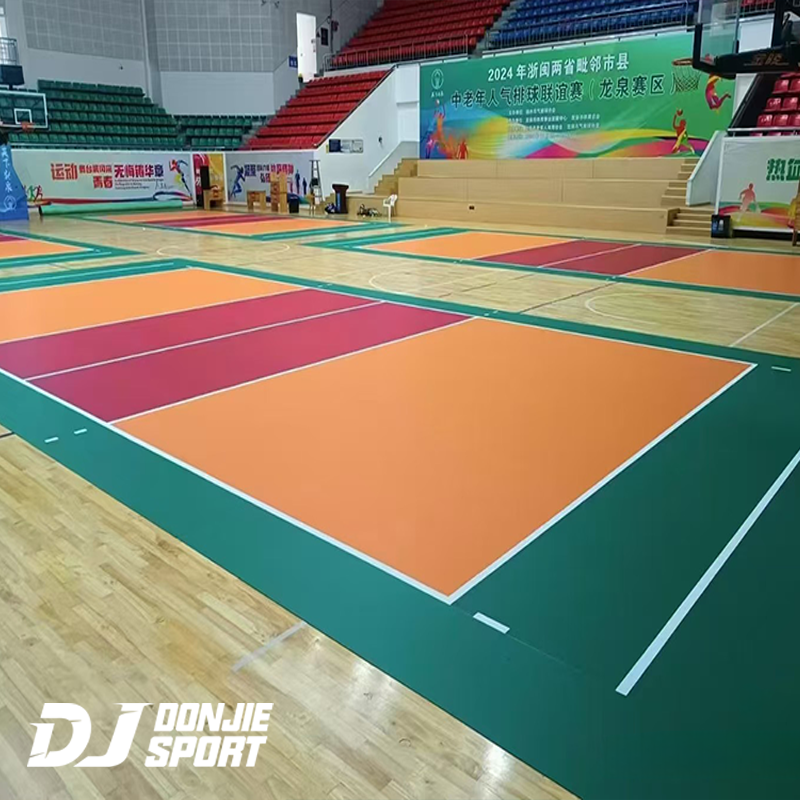
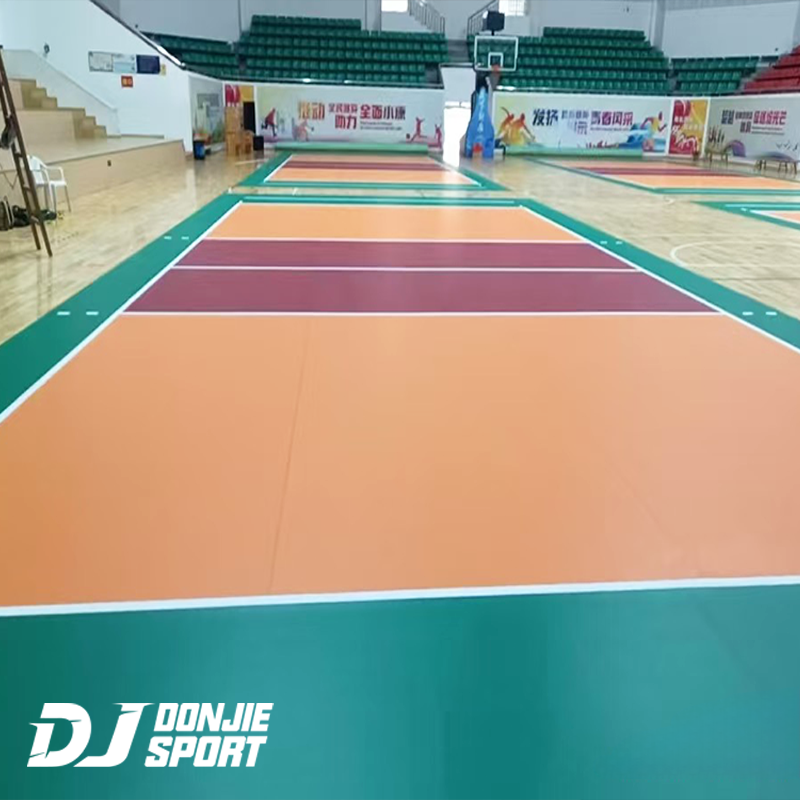
Synthetic options, while not as traditional, come with many customization options. From vibrant colors to logos and patterns, synthetic flooring allows you to personalize the court’s look to reflect your facility’s branding. These floors can be made to fit any aesthetic, offering a modern look that can appeal to a broad range of sports fans.
Installation and Cost: Breaking Down the Budget
Installation and costs are crucial factors in deciding between hardwood and synthetic flooring.
Hardwood Flooring
Hardwood flooring requires professional installation, which can be costly due to labor and the materials needed. The initial cost of hardwood can be high, especially for large courts. However, the long lifespan of hardwood, if properly maintained, can justify the upfront expense in the long run.
Synthetic Flooring
Synthetic flooring tends to be more budget-friendly, with several options that can fit a variety of price ranges. The installation process is generally simpler and faster than that of hardwood floors, which can reduce labor costs. Synthetic flooring may also be easier to replace in case of damage, which can be a significant advantage for high-traffic venues.
Environmental Impact: Which Option is More Sustainable?
For environmentally conscious buyers, sustainability plays a key role in flooring decisions.
Hardwood Flooring
While hardwood is a natural material, there are concerns about deforestation and unsustainable sourcing practices. To ensure environmental responsibility, it’s important to look for certified sustainable wood sources, such as those with FSC (Forest Stewardship Council) certification.
Synthetic Flooring
Synthetic flooring options can be eco-friendly depending on the materials used. Many synthetic floors are made from recyclable materials, and some manufacturers offer products with low VOC (volatile organic compound) emissions, making them a safer and more sustainable choice. However, the production of synthetic flooring may still have an environmental impact due to the energy required to manufacture these materials.
Choosing the Best Option Based on Your Facility’s Needs
When selecting between hardwood and synthetic volleyball court flooring, it’s important to weigh your facility’s specific needs. For high-performance venues with elite athletes, hardwood might be the best choice due to its traditional feel and professional aesthetics. However, if budget, maintenance, or player safety are higher priorities, synthetic flooring offers a practical and versatile solution.
Conclusion
Choosing the right flooring for your volleyball court involves balancing performance, durability, cost, and aesthetics. Hardwood floors offer a timeless, traditional option but require more maintenance and higher initial costs. Synthetic flooring, on the other hand, offers a variety of benefits, including durability, affordability, and player safety. Ultimately, the best choice depends on your facility’s priorities, budget, and the level of play you intend to accommodate.