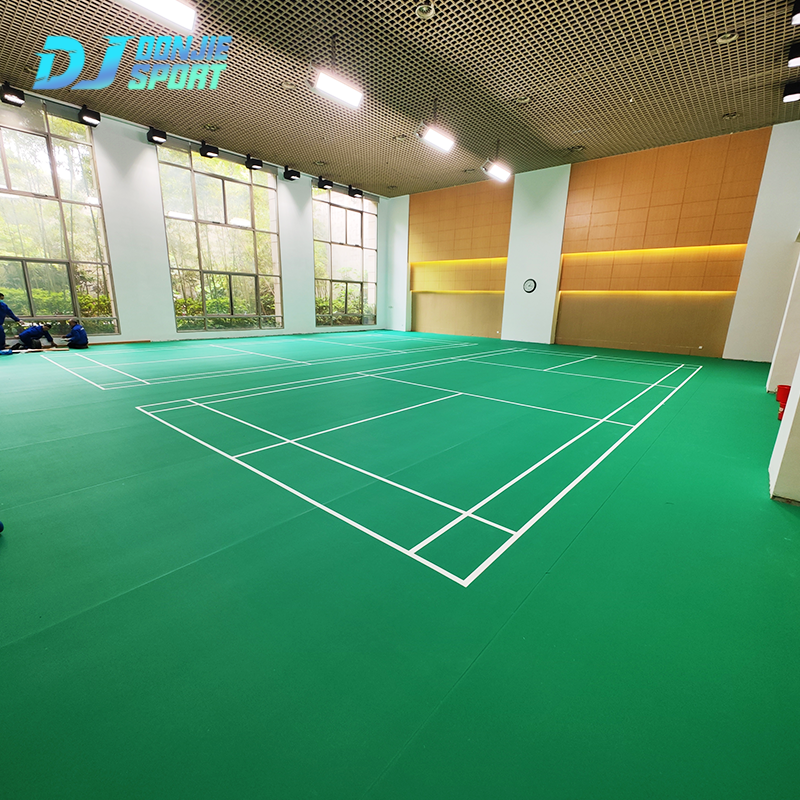
In volleyball, the importance of having a high-quality court floor cannot be overstated. Whether you’re a professional athlete or a recreational player, the surface beneath your feet plays a crucial role in both performance and safety. Traction, the grip between the player’s shoes and the floor, is essential for stability, quick movement, and injury prevention. Without it, players risk slipping, losing balance, or suffering from joint strain due to inadequate support.
Volleyball court flooring must be designed to provide just the right amount of friction—too little and players may slip; too much, and they could experience excessive wear on their joints. So, understanding the factors that contribute to ideal traction can guide facility managers, coaches, and players in selecting the best flooring options.

Types of Volleyball Court Flooring for Superior Traction
Volleyball courts can be built using a variety of flooring materials, each offering unique advantages for traction. Here are some of the most common choices:
Hardwood Flooring
Traditional hardwood is known for its natural beauty and excellent traction. It provides a smooth yet grippy surface that is gentle on the players’ knees and joints, making it a preferred choice for many indoor volleyball courts. While hardwood flooring offers excellent grip, it requires regular maintenance to prevent wear and tear that could compromise traction.
Synthetic Flooring
Synthetic options, such as rubber or PVC, have become increasingly popular due to their durability and versatility. They offer exceptional traction while being resistant to moisture and temperature fluctuations. Synthetic surfaces are easier to maintain and often feature textured patterns designed to maximize grip.
Modular Flooring Systems
Modular court tiles are another great option for volleyball courts. These interlocking tiles are not only easy to install and replace but also come in various surface textures. The customizable nature of modular flooring allows facility owners to adjust traction levels depending on the specific needs of the players and the conditions of the venue.
Key Factors Affecting Traction on Volleyball Court Flooring
Achieving the perfect traction for volleyball involves more than just selecting the right material. Several key factors play a role in determining how well your court flooring will perform under the feet of players.
Surface Texture: How Roughness Influences Grip
The texture of the floor plays a significant role in traction. A floor that is too smooth can lead to slipping, while a floor that is too rough may cause excessive friction and strain on players’ legs and feet. Ideally, a volleyball court floor should have a fine balance—a slightly textured surface that provides grip but is not abrasive. High-quality volleyball flooring often features microscopic surface roughness designed to improve grip without affecting the comfort of movement.
Moisture Control: Maintaining Optimal Dryness for Traction
Moisture is one of the biggest enemies of traction. Whether from sweat, spills, or environmental humidity, a damp court floor can make even the best flooring materials slippery. Some floors come with built-in moisture-wicking properties or coatings that prevent water from pooling on the surface. It’s essential to regularly check and maintain these moisture control systems to ensure the floor remains slip-resistant.
Floor Maintenance: The Importance of Cleaning and Care for Consistent Traction
Regular maintenance is crucial for preserving the traction of your volleyball court. Dust, dirt, and debris can accumulate on the surface, reducing its grip and increasing the risk of injury. Cleaning should be done frequently with appropriate, non-abrasive products to avoid compromising the surface texture. Additionally, some floors may require periodic re-coating to maintain optimal traction, especially in high-traffic areas.
Choosing the Right Volleyball Court Flooring for Traction
When selecting the right flooring for your volleyball court, there are several important factors to consider to ensure that you are investing in flooring that offers superior traction.
Comparing Materials: Pros and Cons of Different Flooring Types
Each type of volleyball court flooring offers unique benefits and drawbacks when it comes to traction:
-
Wooden floors offer a traditional and aesthetically pleasing option, but they can become slippery over time if not maintained properly. They also require regular refinishing to maintain grip.
-
Synthetic floors provide excellent moisture resistance and consistent traction, but they may not have the same feel as hardwood flooring, which some players prefer.
-
Modular floors are a flexible option that allows for easy customization, but their initial cost may be higher than traditional flooring types.
Traction Ratings and Certifications: What to Look for in High-Quality Flooring
When selecting flooring, it’s important to consider traction ratings provided by manufacturers. These ratings indicate the floor’s coefficient of friction, which measures how much grip it provides. You should also look for certifications from professional organizations, like the International Volleyball Federation (FIVB), which ensures that the flooring meets certain performance standards.
Budget Considerations: Finding the Best Flooring That Balances Cost and Traction
While high-quality flooring can be a significant investment, it’s important to balance cost with the need for traction. Investing in durable flooring that maintains consistent grip over time will save you money on repairs and replacements in the long run. However, it’s possible to find affordable options that still provide excellent traction—sometimes, it’s just a matter of comparing different products and finding the best fit for your budget.
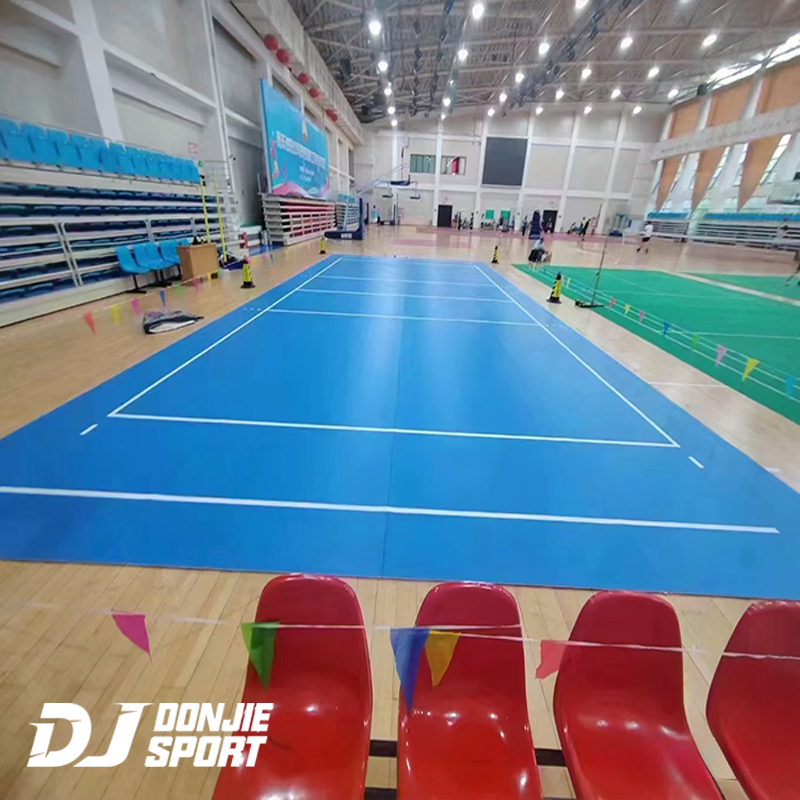
Installation and Maintenance Tips for Maximizing Traction
Once you’ve chosen the right flooring, proper installation and regular maintenance are key to ensuring that the traction remains optimal throughout its lifespan.
Professional Installation Versus DIY: Ensuring Proper Traction Setup
While some modular flooring systems are designed for DIY installation, it’s often worth hiring professionals to ensure the floor is properly installed. A floor that isn’t level, or is installed improperly, can significantly affect traction and cause safety issues. Professional installation ensures that the flooring is securely laid and that all interlocking systems are aligned for optimal performance.
Regular Cleaning Routines: How to Avoid Buildup That Can Affect Grip
Keeping the floor clean is essential for maintaining traction. Dust, sand, and other debris can make the surface slippery, so it’s important to implement a regular cleaning routine. Use appropriate cleaning solutions for your flooring type and avoid harsh chemicals that can wear down the surface texture. Additionally, make sure to clean up any spills immediately to prevent slipping hazards.
Re-Coating and Resurfacing: Extending the Lifespan of Your Flooring’s Traction
For wooden floors, applying a fresh coat of finish or re-surfacing the floor periodically can help restore and maintain traction. Synthetic flooring may require occasional re-coating or treatment to maintain its grip. Make sure to follow manufacturer guidelines on re-coating and resurfacing to preserve the flooring’s longevity and traction.
How to Test the Traction of Your Volleyball Court Flooring
Ensuring that your court flooring provides the ideal traction involves testing it regularly. Here’s how you can measure and assess its performance:
Methods to Measure Traction: Standard Tests and DIY Approaches
There are a few standard methods to test the traction of volleyball court flooring. One common method is the slip resistance test, which measures the force required to cause a slip. Alternatively, some facilities use a pendulum test to measure friction. For DIY testing, a simple test involves walking on the floor in socks and noting how easily you can slip or how much grip you feel underfoot.
Adjusting Traction for Different Playing Conditions: Indoor Versus Outdoor Court Needs
Traction needs can vary based on whether your court is indoors or outdoors. Outdoor courts face additional challenges, such as exposure to weather conditions that affect traction. For outdoor courts, selecting flooring with superior moisture resistance and non-slip surfaces is crucial. Indoor courts, on the other hand, may require less moisture control but should focus on maintaining consistent traction through proper maintenance.
Ensuring Long-Term Traction with High-Quality Volleyball Court Flooring
In conclusion, achieving perfect traction with high-quality volleyball court flooring requires careful consideration of materials, surface texture, maintenance practices, and installation methods. By selecting the right flooring material and implementing regular care routines, you can ensure that your court remains safe and optimal for performance over time. Whether you are managing a professional volleyball venue or setting up a recreational facility, investing in quality flooring will pay off in the long run with superior grip, player safety, and overall satisfaction.