When it comes to designing or upgrading a volleyball court, one of the most crucial decisions revolves around selecting the right flooring material. The quality of volleyball court flooring can significantly impact both the safety of players and the overall performance of the game. With advances in materials technology, modern volleyball courts offer a range of flooring options, each with unique characteristics that cater to different needs and preferences.
In this article, we’ll take a closer look at the various materials commonly used in volleyball court flooring. By understanding their advantages, disadvantages, and suitability for different settings, you can make an informed decision that aligns with your specific requirements—whether for a professional sports venue or a recreational space.
The Traditional Option: Hardwood Volleyball Court Flooring
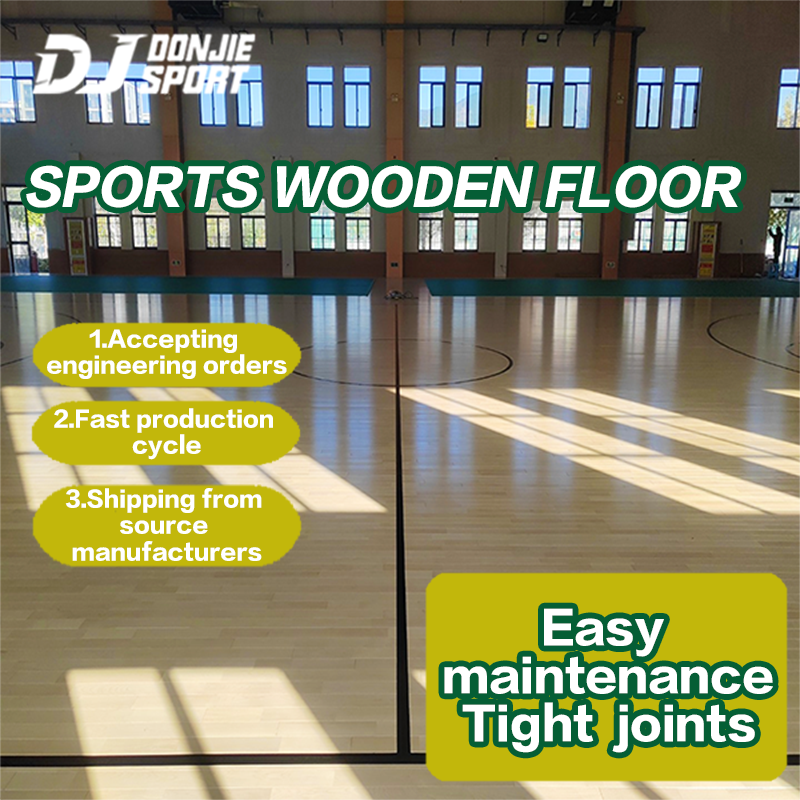
For decades, hardwood has been the traditional choice for indoor volleyball courts. Made from wood such as maple or oak, hardwood flooring is known for its aesthetic appeal, durability, and ability to provide the ideal surface for high-impact sports.
Characteristics of Hardwood Flooring
-
Smoothness and Consistency: Hardwood floors offer a consistent, even surface ideal for volleyball, ensuring that players have excellent grip and controlled ball bounce.
-
Shock Absorption: Hardwood provides a certain level of shock absorption, which is crucial in reducing the risk of joint injuries during intense movements like jumping and landing.
-
Aesthetic Appeal: The natural grain and finish of hardwood floors lend an upscale look to sports venues.
Benefits of Hardwood Flooring for Volleyball Courts
-
Traditional Choice for Professional Venues: Hardwood is a standard in professional volleyball courts due to its reliability and performance.
-
Long Lifespan: When well-maintained, hardwood flooring can last for many years, offering long-term value for sports facilities.
-
Resale Value: Courts with hardwood flooring are often seen as premium investments, enhancing the resale value of the venue.
Challenges and Maintenance Considerations
While hardwood flooring offers exceptional benefits, it does come with its own set of challenges. Hardwood can be susceptible to damage from water, humidity, and intense use. Regular maintenance, including refinishing and resealing, is required to preserve its functionality and appearance. Additionally, hardwood flooring tends to be more expensive and requires a considerable upfront investment.
Synthetic Flooring Materials: Rubber and PVC Options
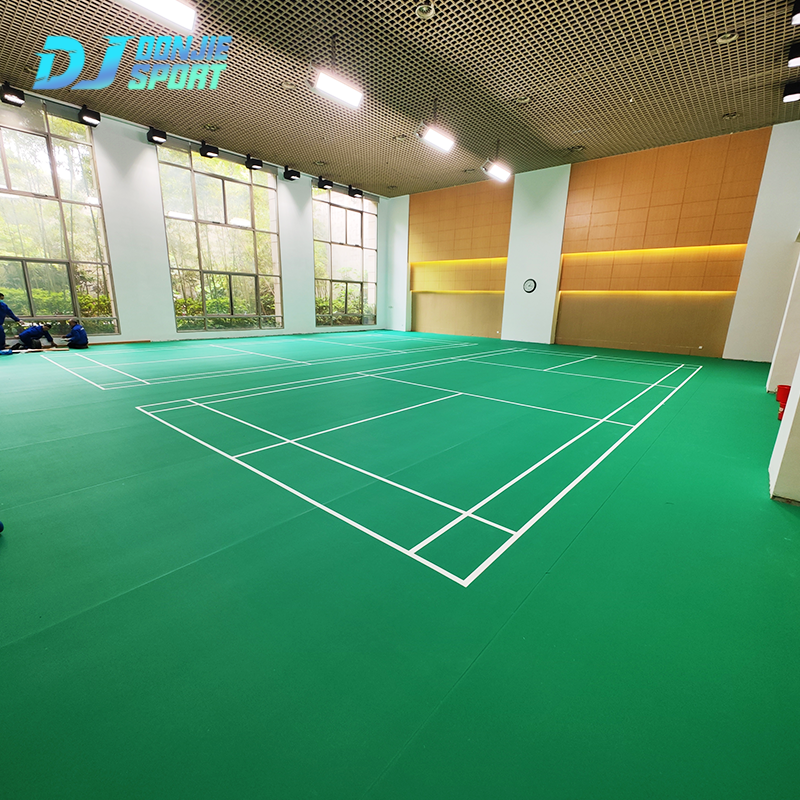
In recent years, synthetic materials like rubber and PVC have become increasingly popular for volleyball courts, particularly in venues that require more versatile, cost-effective solutions.
What Are Synthetic Flooring Materials?
Synthetic flooring refers to manufactured materials designed to mimic or improve upon the properties of natural surfaces. Rubber and PVC (Polyvinyl Chloride) are the most common synthetic options for volleyball court flooring.
The Advantages of Rubber and PVC for Volleyball Courts
-
Cost-Effective: Synthetic flooring is generally more affordable than hardwood, making it a popular choice for schools, recreational centers, and budget-conscious facilities.
-
Durability: Rubber and PVC are highly durable and can withstand heavy foot traffic, frequent use, and even exposure to moisture, which makes them ideal for both indoor and outdoor courts.
-
Shock Absorption: These materials provide excellent cushioning and shock absorption, reducing the strain on players’ joints during gameplay.
Durability and Safety Features of Synthetic Flooring
Synthetic flooring materials, particularly rubber, offer superior durability and resistance to wear and tear. They are also resistant to moisture, which makes them less prone to warping and degradation over time compared to hardwood. Additionally, synthetic floors can be made with non-slip surfaces that enhance player safety.
The Rise of Modular Flooring Tiles
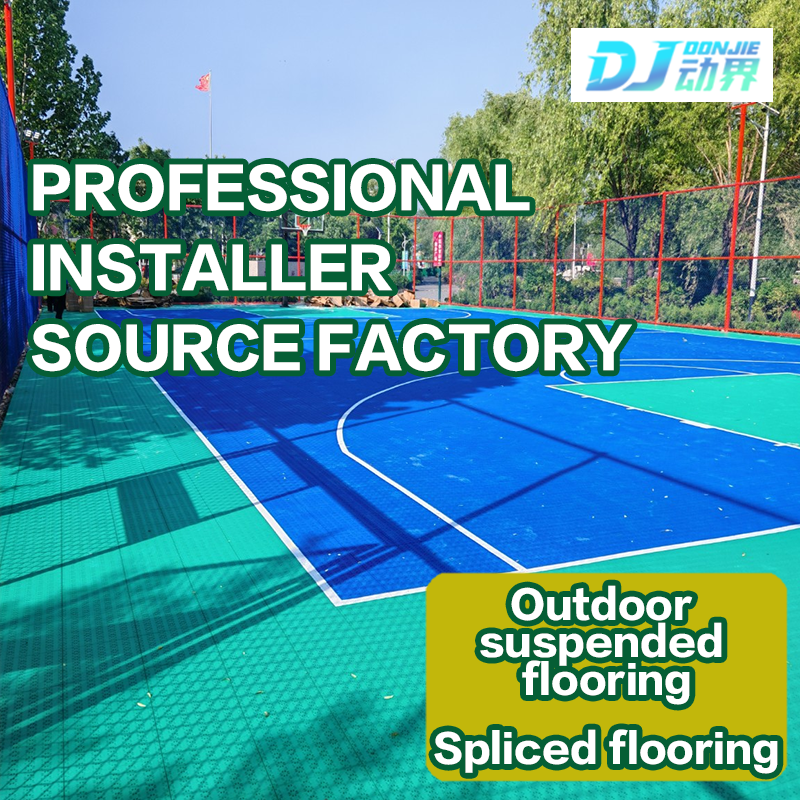
Modular flooring tiles are gaining popularity in volleyball courts, especially for their ease of installation and flexibility. These tiles, typically made from high-quality rubber or PVC, can be interlocked to form a seamless playing surface.
Definition and Types of Modular Flooring Tiles
Modular tiles are pre-fabricated squares or interlocking panels designed to be easily assembled and disassembled. The most common types are rubber and plastic tiles, which can be customized for specific court needs.
Benefits of Modular Tiles for Easy Installation and Maintenance
-
Quick Installation and Replacement: Unlike traditional hardwood floors, modular tiles can be installed quickly without the need for complex procedures or professional installation. This makes them ideal for temporary or mobile courts.
-
Low Maintenance: Modular tiles are easy to clean and maintain. Damaged tiles can be replaced individually, eliminating the need to replace the entire floor.
-
Portability: Modular flooring is perfect for venues that need to convert spaces for different purposes. The ability to remove and reinstall tiles means that the court can be adapted as needed.
How Modular Tiles Cater to Both Indoor and Outdoor Settings
One of the key advantages of modular tiles is their versatility. Whether used indoors or outdoors, modular flooring is designed to withstand the elements and provide a consistent, high-performance surface. For outdoor courts, tiles made from UV-resistant materials help prevent degradation from sun exposure.
New Advances in Composite Volleyball Court Flooring
Composite materials, which combine various substances such as wood, plastic, and rubber, have emerged as a cutting-edge flooring solution for volleyball courts. These innovative floors are designed to provide the benefits of multiple materials, creating a superior court surface.
What is Composite Flooring?
Composite flooring is made from a blend of materials engineered to maximize durability, performance, and aesthetics. Typically, a layer of wood is combined with a polymer surface, resulting in a highly durable yet lightweight flooring solution.
Advantages of Composite Materials Over Traditional Flooring
-
Enhanced Durability: Composite flooring is designed to resist moisture, temperature fluctuations, and heavy wear. This makes it ideal for both high-traffic areas and outdoor venues.
-
Low Maintenance: Unlike hardwood, composite floors do not require refinishing or sealing. They are resistant to stains, scratches, and fading, ensuring a long-lasting court surface with minimal upkeep.
-
Player Comfort: Composite materials are engineered to provide the same level of shock absorption and traction as hardwood, ensuring comfort for players.
Composite Flooring’s Durability and Performance on High-Impact Sports Courts
In addition to their durability, composite floors offer superior performance, making them a top choice for volleyball courts where player safety and floor resilience are key. Composite materials absorb impact, reducing the risk of injuries caused by falls or jumps.
Outdoor Volleyball Court Flooring: A Different Set of Requirements
Outdoor volleyball courts have specific needs that differ from indoor courts, primarily due to exposure to the elements. The materials selected for outdoor courts must be resistant to weather, UV rays, and heavy foot traffic.
Materials Suited for Outdoor Volleyball Courts
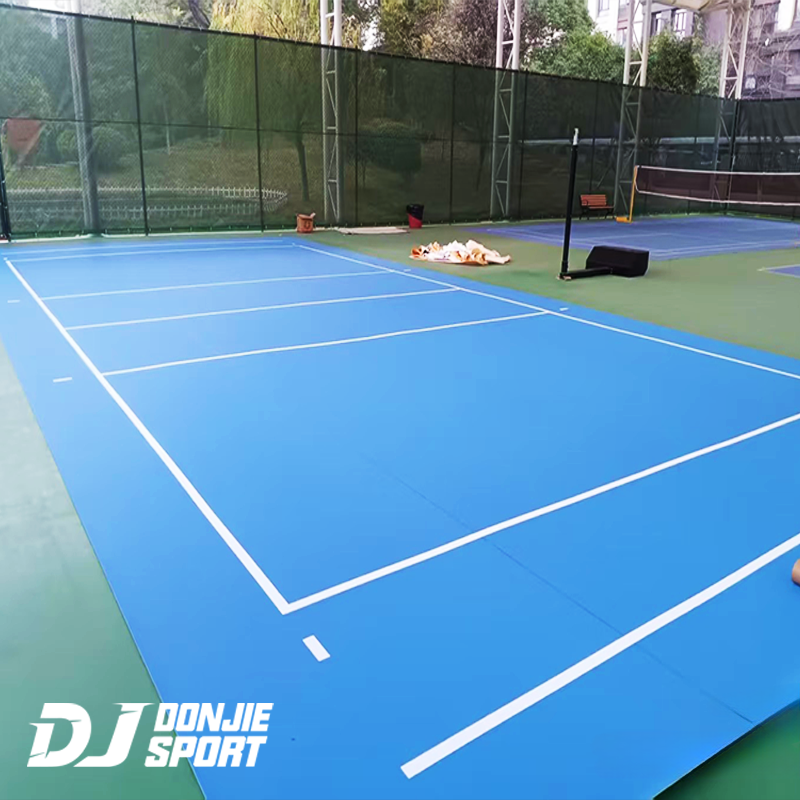
Outdoor volleyball flooring options often include synthetic turf, interlocking tiles, and composite materials. These materials are designed to handle outdoor conditions while maintaining a high level of performance.
Weather-Resilient Options Like Turf and Artificial Grass
-
Turf Flooring: Artificial grass or synthetic turf is commonly used for outdoor volleyball courts. It provides a soft, cushioned surface that minimizes injury risks and delivers consistent ball bounce.
-
Durability and Weather Resistance: Outdoor materials must be resistant to moisture, sun, and fluctuating temperatures. Synthetic turf and modular tiles often offer UV resistance, preventing fading and deterioration from the sun.
How Outdoor Flooring Materials Differ from Indoor Options
Outdoor flooring needs to withstand more extreme conditions compared to indoor flooring. For instance, synthetic turf can absorb rainwater and prevent puddling, while modular flooring tiles are designed with drainage systems to reduce water accumulation.
Cost Considerations and Budgeting for Volleyball Court Flooring
When choosing flooring for a volleyball court, cost is often a determining factor. The materials you select will depend on your budget, the frequency of use, and the desired lifespan of the flooring.
How to Balance Quality and Budget When Choosing Flooring
-
Upfront Costs: Hardwood flooring tends to be more expensive initially, but it can offer long-term savings if well-maintained. Synthetic options like PVC or rubber can be more affordable upfront, with lower maintenance costs.
-
Long-Term Investment: Consider the long-term benefits of your investment. Quality flooring can reduce injuries and extend the lifespan of the court, making it a wise investment for facilities.
Comparing the Costs of Hardwood, Synthetic, and Modular Flooring
While hardwood is the most expensive option, synthetic and modular flooring often offer more affordable solutions without compromising on performance. However, the overall cost should also account for maintenance, installation, and longevity.
How to Choose the Best Flooring for Your Volleyball Court
Choosing the right flooring for your volleyball court depends on several factors, including performance requirements, safety, aesthetics, and budget.
Key Factors to Consider: Performance, Safety, Maintenance
-
Performance Needs: Different flooring materials cater to different levels of play, from recreational to professional courts. Choose flooring that meets your performance goals.
-
Safety and Comfort: Ensure that the flooring provides adequate shock absorption and traction to reduce the risk of injuries.
How to Select Flooring Based on Court Usage
-
Professional Venues: Professional courts often opt for hardwood or high-end synthetic materials that offer top-tier performance and aesthetics.
-
Recreational Use: For schools or community centers, synthetic or modular tiles may offer a more practical and cost-effective solution.
Expert Tips on Ensuring the Best Flooring for Longevity and Player Comfort
Regular maintenance is essential for extending the life of any flooring. Be sure to clean the floors regularly and address any damage promptly to avoid further issues.
Conclusion
In conclusion, selecting the right material for your volleyball court flooring is a critical decision that impacts the safety, performance, and longevity of the court. Whether opting for traditional hardwood, synthetic flooring, modular tiles, or advanced composite materials, each type offers distinct advantages suited to various needs and budgets. By carefully considering your court’s specific requirements, you can ensure a safe and high-performance environment for players.