Choosing the right flooring for a volleyball court is crucial to ensuring both the performance of the game and the safety of the players. Whether you’re setting up a professional venue or a recreational court, the surface you choose plays a significant role in the overall experience. The right volleyball court flooring can enhance traction, provide proper shock absorption, and withstand wear and tear, while also being easy to maintain.
In this article, we’ll take an in-depth look at the different types of volleyball court flooring materials, key factors to consider when making your selection, and the best options for various environments. From professional courts to outdoor setups, we’ll guide you through the process of choosing the perfect surface for your game.
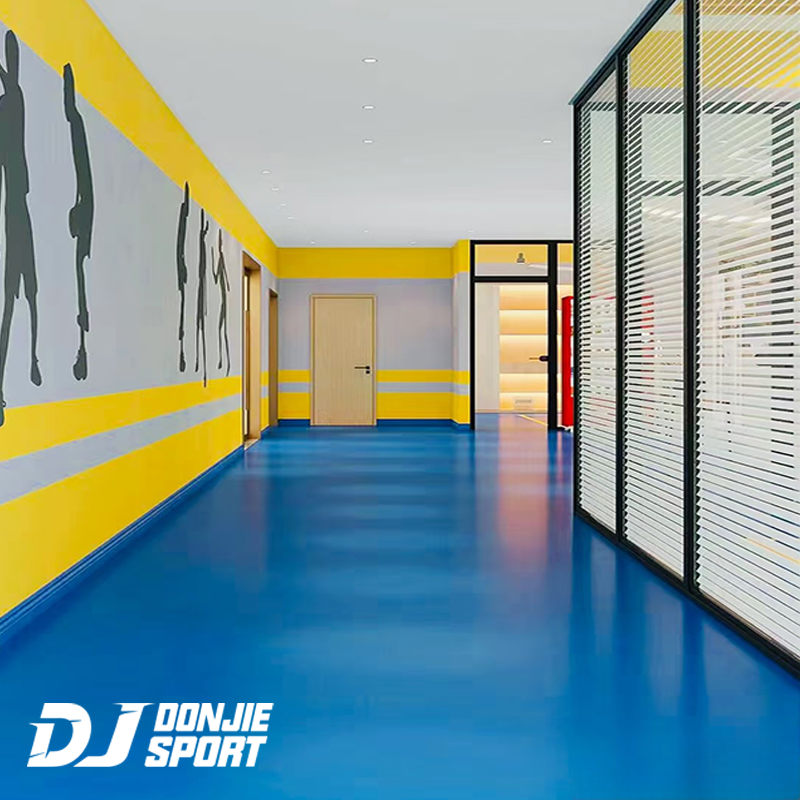
Types of Volleyball Court Flooring Materials
Hardwood Flooring: Classic and Professional
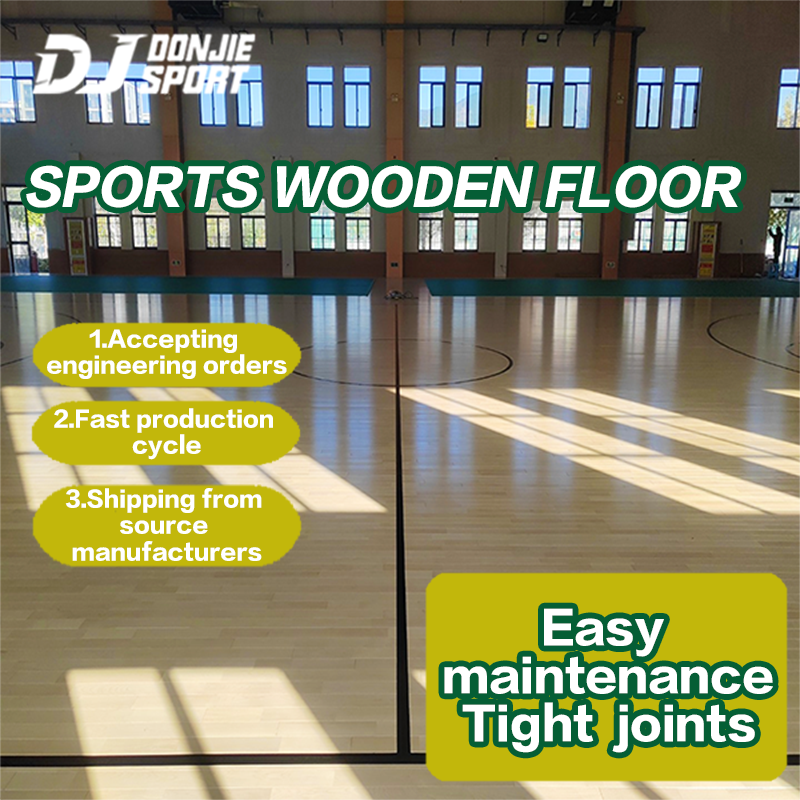
Hardwood flooring is the traditional choice for professional volleyball courts. It provides an exceptional playing surface that has been used in major sports venues worldwide. The smooth, natural surface ensures consistent ball bounce and excellent traction. Hardwood is also known for its aesthetic appeal, contributing to a polished, professional look.
However, hardwood flooring comes with its maintenance challenges. It requires regular refinishing to preserve its shine and protect the surface from wear. Additionally, it is sensitive to humidity changes, which can cause the wood to expand or contract, potentially affecting the court’s performance.
Synthetic Flooring: Durable and Cost-Effective
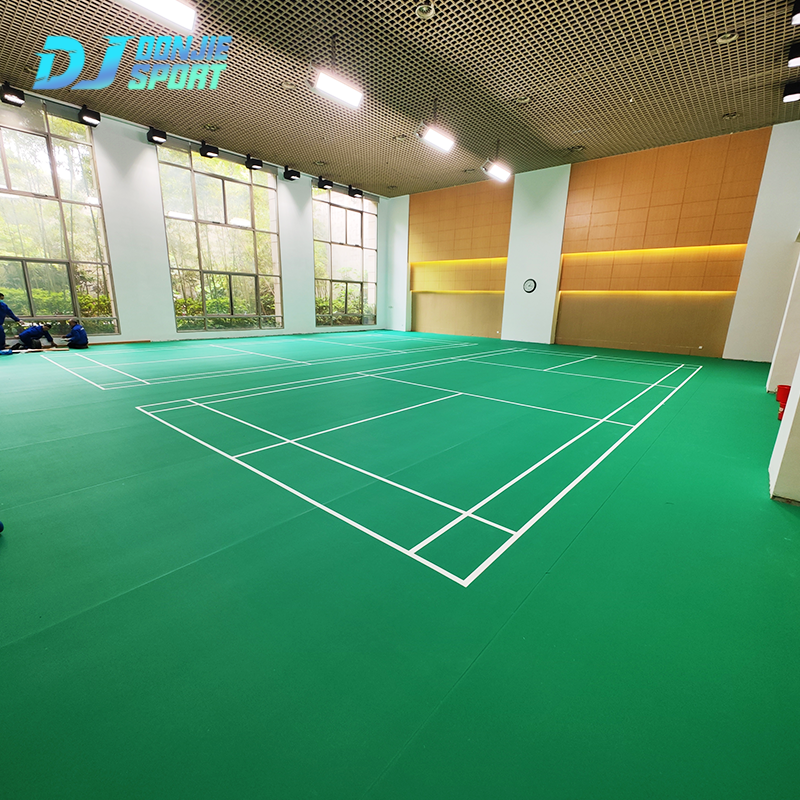
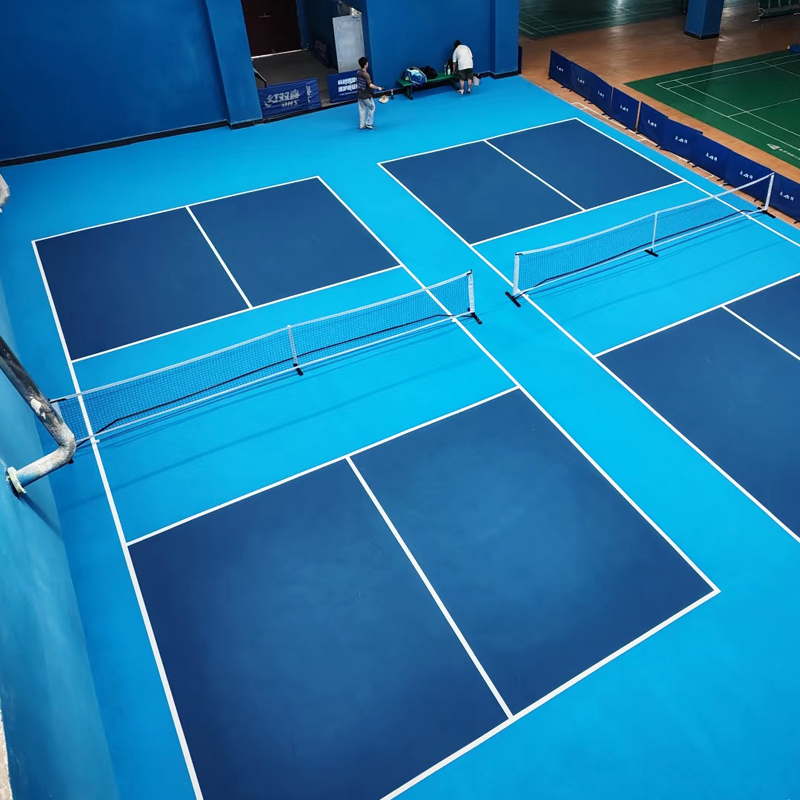
Synthetic volleyball court flooring, including PVC, rubber, and vinyl, has gained popularity due to its durability and cost-effectiveness. These materials are designed to withstand heavy use, offering long-lasting performance with minimal maintenance. PVC and vinyl flooring, for example, are available in interlocking tiles or sheets that are easy to install and replace.
One of the key benefits of synthetic flooring is its versatility. It comes in a wide range of colors and designs, allowing for customization to match team branding or venue aesthetics. Synthetic flooring also offers better shock absorption than hardwood, reducing the risk of injuries during play.
On the downside, synthetic floors can wear out over time and may need to be replaced after several years, especially in high-traffic environments. Some players may also prefer the feel of hardwood, as synthetic materials can feel a bit different underfoot.
Modular Flooring: Versatile and Easy to Install
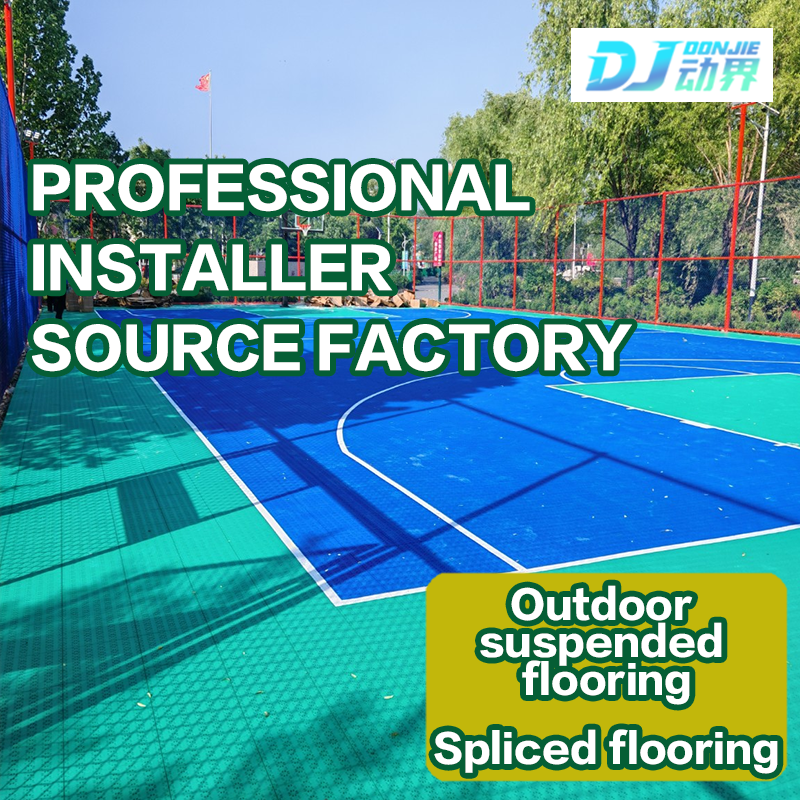
Modular volleyball court flooring is a growing trend, particularly for venues that require portability. Made from interlocking tiles, modular flooring offers easy installation and removal, making it ideal for temporary setups such as tournaments, events, or multi-purpose sports facilities.
The tiles are typically made from durable rubber or plastic, providing excellent shock absorption and grip for players. Modular systems can be laid out on any flat surface, including existing gym floors or outdoor areas, without the need for glue or nails.
The flexibility and portability of modular flooring are significant advantages, but it can be less durable than permanent flooring options, especially in high-traffic areas. Moreover, the seams between tiles may become noticeable over time, which could affect the overall aesthetics of the court.
Outdoor Volleyball Flooring: Weather-Resistant Options
When it comes to outdoor volleyball courts, selecting weather-resistant flooring is crucial. Outdoor court flooring must be able to withstand exposure to the elements, including rain, heat, and UV rays. Materials like rubber and polyurethane are often used for outdoor volleyball courts due to their durability and ability to resist weathering.
Outdoor flooring also needs to be slip-resistant to ensure player safety in various weather conditions. A surface that offers adequate grip, even when wet, is essential to prevent accidents during gameplay. Additionally, easy drainage is another important feature for outdoor flooring, as it prevents water accumulation, which could lead to hazardous conditions.
Choosing the right outdoor volleyball flooring depends on the local climate and usage frequency. In areas with extreme weather, it’s important to invest in high-quality materials that can endure over time.
Key Factors to Consider When Choosing Volleyball Court Flooring
Performance and Traction: How Different Surfaces Affect Play
One of the most important considerations when selecting volleyball court flooring is the level of traction it provides. The court surface should allow players to move quickly, change direction smoothly, and pivot without slipping. Hardwood flooring typically provides excellent traction, but synthetic and modular flooring options can offer comparable grip, especially when designed with textured surfaces.
Traction plays a critical role in reducing the likelihood of injuries. Too much grip can impede movement, while too little can cause players to slip and lose balance. The right balance is crucial for allowing fast, fluid gameplay while ensuring safety on the court.
Comfort and Shock Absorption
Flooring that provides proper shock absorption is essential for player comfort and injury prevention. Volleyball involves intense jumping, landing, and quick movements that can put significant strain on the joints, particularly the knees, ankles, and lower back. Flooring with good shock absorption can help mitigate these effects by reducing the impact forces during play.
Hardwood floors are typically firmer, which may increase stress on the joints. On the other hand, synthetic and modular flooring often features padding or cushioning layers designed to absorb impact, providing a softer surface that is easier on players’ bodies. This is especially beneficial for younger athletes or recreational players who may not be as accustomed to the physical demands of the sport.
Durability and Maintenance
Durability is another key factor when choosing volleyball court flooring. Professional venues or high-traffic areas require floors that can handle constant use without showing signs of wear. Hardwood flooring is durable but requires regular maintenance to preserve its appearance and functionality. This includes refinishing the surface periodically to restore the finish and prevent damage from moisture or dirt.
Synthetic and modular flooring, while often more affordable, can also be durable with proper care. Rubber and vinyl floors can resist scratches and damage, but they still require regular cleaning to maintain their appearance and performance. Modular systems, in particular, offer easy repairs—individual tiles can be replaced if they become damaged, making them a practical choice for facilities that host large events.
Budget Considerations: Finding the Best Flooring for Your Budget
When it comes to flooring, cost is always a consideration. Hardwood flooring is often the most expensive option, both in terms of initial installation and long-term maintenance. Synthetic and modular flooring tend to be more affordable and can still provide a high level of performance, making them great options for schools, community centers, and recreational venues.
If you’re working with a limited budget, it’s important to prioritize what matters most for your specific needs. If durability and shock absorption are key, synthetic or modular flooring might be the best option. If aesthetics and a professional feel are top priorities, investing in hardwood might be worthwhile.
Flooring for Different Volleyball Settings
Professional Volleyball Courts: What Works Best?
For professional volleyball venues, the flooring needs to be top-notch. Hardwood flooring is still considered the gold standard for high-level play. It provides a consistent bounce and excellent traction, essential for competitive matches. The choice of hardwood flooring also adds to the professional atmosphere of the venue, creating an impressive visual appeal.
However, synthetic options are beginning to gain traction in professional settings, particularly in multi-sport venues where flexibility is required. In these cases, synthetic floors that mimic hardwood’s performance are often selected for their durability and ease of maintenance.
Recreational and School Volleyball Courts
When designing a volleyball court for schools or recreational centers, it’s important to find a balance between cost and performance. Synthetic and modular flooring are ideal choices for these settings, as they offer durability and lower installation costs compared to hardwood. Additionally, they are easier to maintain, which is essential for facilities that see frequent use.
Temporary or Portable Flooring for Tournaments and Events
Portable volleyball flooring is perfect for temporary setups, such as tournaments, events, or outdoor competitions. Modular flooring is the most commonly used option, as it allows for quick installation and removal without permanent changes to the venue. These systems are designed to be durable enough for heavy use and can be stored and transported easily between events.
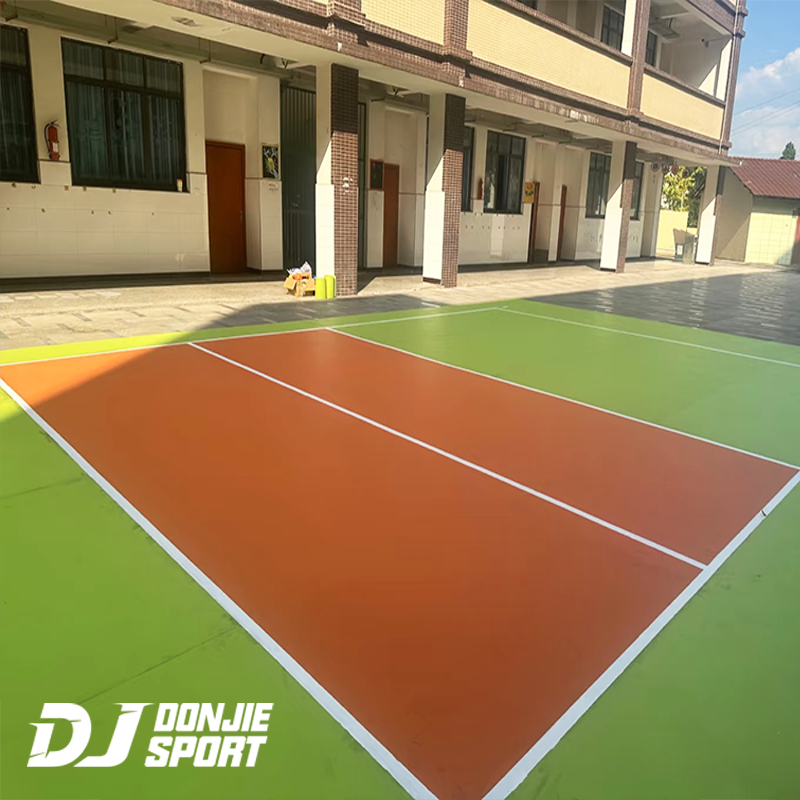
Installation and Upkeep of Volleyball Court Flooring
DIY Installation vs. Professional Installation
Installation of volleyball court flooring can either be a DIY project or handled by professionals. For synthetic and modular flooring, DIY installation is often a viable option, especially for smaller venues. However, hardwood floors generally require professional installation to ensure the surface is level and secure.
Professional installation ensures that the flooring is laid down correctly, which can prevent issues with durability and safety later on. For large-scale projects, it may be best to rely on experts to avoid costly mistakes.
Regular Maintenance Tips
No matter what type of volleyball flooring you choose, regular maintenance is key to keeping the court in top condition. Hardwood floors should be regularly swept and mopped, and refinished every few years to restore the surface. Synthetic flooring typically requires less maintenance but should be cleaned regularly to prevent dirt buildup. Modular floors are easy to maintain and can be cleaned with a simple mop and detergent.
Conclusion
Selecting the right volleyball court flooring is essential for ensuring the safety, performance, and longevity of your court. With a variety of materials available, it’s important to consider factors like traction, shock absorption, durability, and cost when making your decision. Whether you’re outfitting a professional venue, a school gym, or a temporary event space, the right flooring can enhance gameplay and reduce the risk of injury.
In the end, choosing the best flooring for your volleyball court requires a balance between your budget, the needs of your players, and the demands of the space. Be sure to carefully evaluate all your options to find a surface that suits your specific requirements.