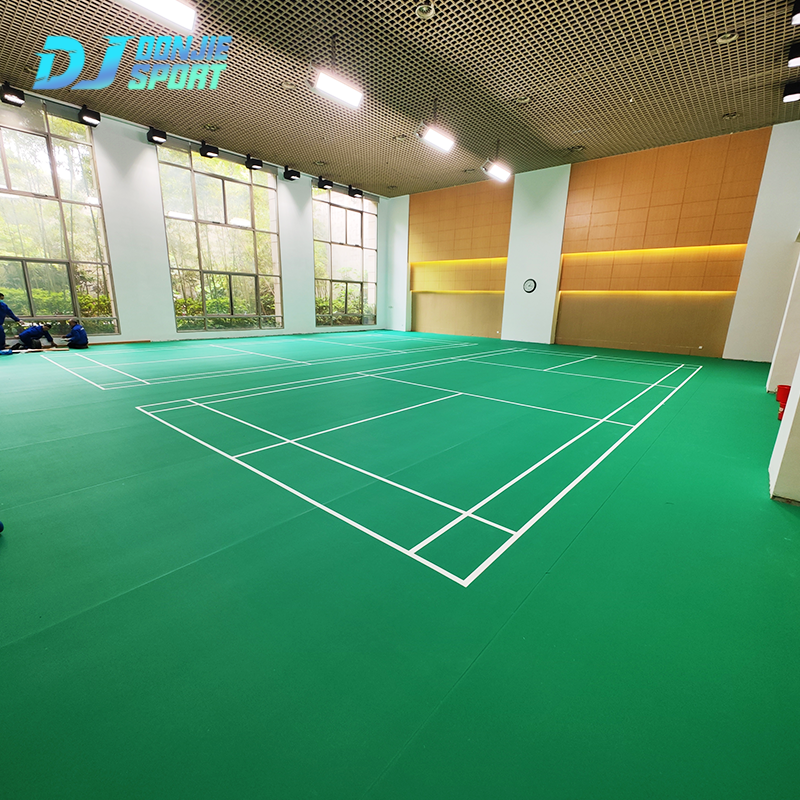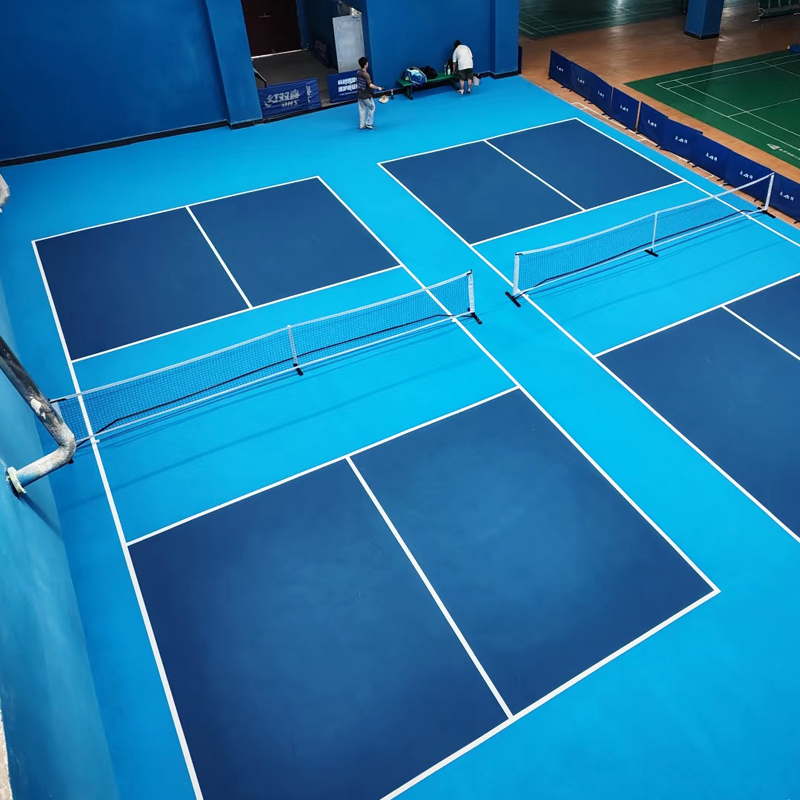
When it comes to designing a high-performance volleyball court, one of the most crucial decisions you’ll make is selecting the right flooring. Volleyball court floor tiles are specifically designed to provide optimal support, comfort, and safety for players. Whether you’re outfitting a school gym, recreational center, or professional sports facility, choosing the proper volleyball court floor tiles is essential for both performance and injury prevention. In this guide, we’ll take a deep dive into the different types of floor tiles used in volleyball courts, helping you understand which option is best suited for your needs.
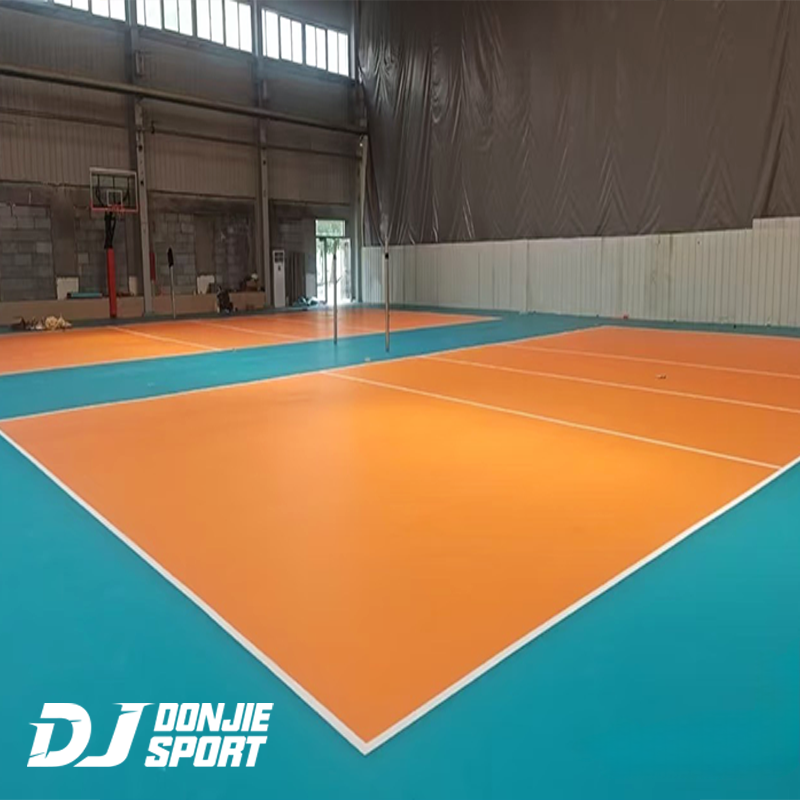
What Are Volleyball Court Floor Tiles?
Volleyball court floor tiles are specialized flooring materials that are designed to meet the unique demands of the sport. Unlike standard flooring options, these tiles are built with specific features in mind—such as durability, grip, and shock absorption—to ensure athletes can perform at their best while minimizing the risk of injury. There are several types of volleyball court floor tiles available on the market today, each with its own set of characteristics and advantages.
What sets volleyball court floor tiles apart from other flooring types, like hardwood or synthetic surfaces, is their ability to combine performance with ease of maintenance. Tiles are modular, meaning they can be replaced individually if damaged, which is a key benefit for sports facilities looking to cut down on long-term maintenance costs.
Types of Volleyball Court Floor Tiles
Rubber Volleyball Court Floor Tiles
Rubber tiles are one of the most popular choices for volleyball courts, thanks to their exceptional durability and cushioning properties. These tiles provide excellent shock absorption, reducing the risk of impact-related injuries. They also offer great traction, helping players maintain stability during quick movements. Additionally, rubber tiles are highly resistant to wear and tear, making them ideal for courts that see heavy use.
Benefits:
-
Durable and resistant to heavy impact
-
Excellent grip and shock absorption
-
Easy to clean and maintain
-
Noise-reducing properties
Drawbacks:
-
Can be more expensive upfront than other options
-
Slightly heavier and may require professional installation
PVC Volleyball Court Floor Tiles
Polyvinyl chloride (PVC) tiles are another common choice for volleyball courts, especially in settings where ease of maintenance and affordability are important considerations. PVC tiles are lightweight and easy to install, often featuring interlocking edges for a seamless look. They offer a smooth surface with moderate cushioning, making them comfortable for players during long games or practices.
Benefits:
-
Affordable and budget-friendly
-
Easy to install and replace
-
Smooth, non-abrasive surface
-
Resistant to moisture and stains
Drawbacks:
-
Less shock absorption compared to rubber
-
May wear down more quickly under heavy usage
Vinyl Volleyball Court Floor Tiles
Vinyl floor tiles are widely used for indoor volleyball courts due to their combination of affordability, versatility, and performance. These tiles are known for their smooth, consistent surface that offers moderate cushioning, making them a comfortable option for players. Vinyl flooring also provides slip resistance, which is essential for maintaining safety during high-speed movements.
Benefits:
-
Cost-effective and widely available
-
Smooth surface with good slip resistance
-
Easy to clean and maintain
-
Offers moderate cushioning for player comfort
Drawbacks:
-
May not be as durable as rubber or PVC tiles
-
Susceptible to scratching or denting over time
Interlocking Tiles
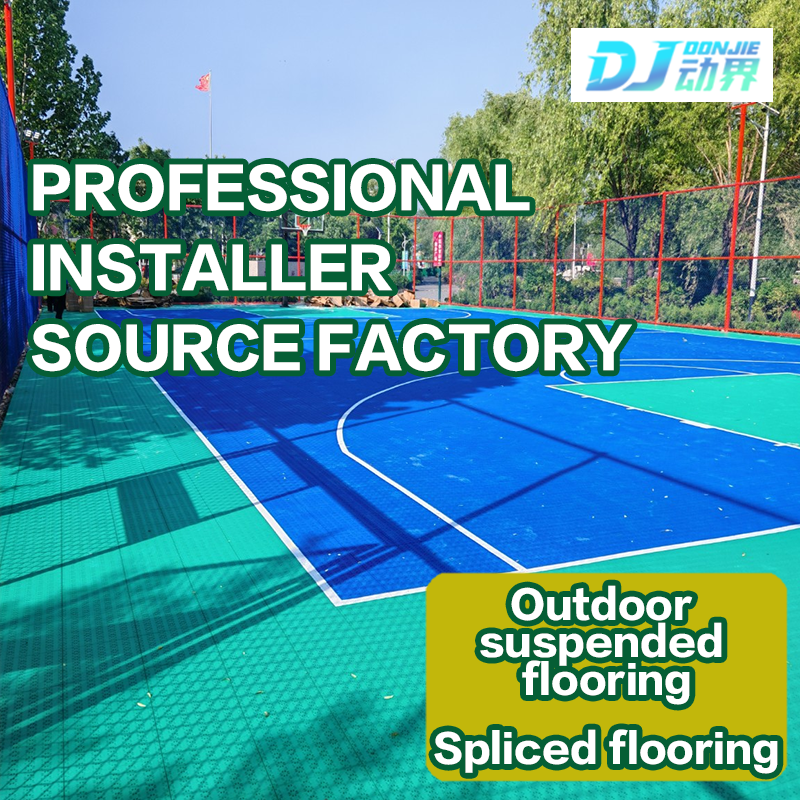
Interlocking volleyball court tiles are highly favored in settings where flexibility and portability are key. These tiles can be quickly assembled and disassembled, making them an excellent choice for temporary courts, such as those used for outdoor events or tournaments. Interlocking tiles are also modular, which means damaged tiles can easily be replaced without disturbing the rest of the court.
Benefits:
-
Quick and easy to install and remove
-
Modular design allows for easy replacement of damaged tiles
-
Portable and ideal for outdoor or temporary courts
-
Provides adequate traction and cushioning
Drawbacks:
-
May not offer the same level of cushioning as permanent flooring options
-
The interlocking mechanism may loosen over time with frequent assembly and disassembly
Wood-Effect Tiles
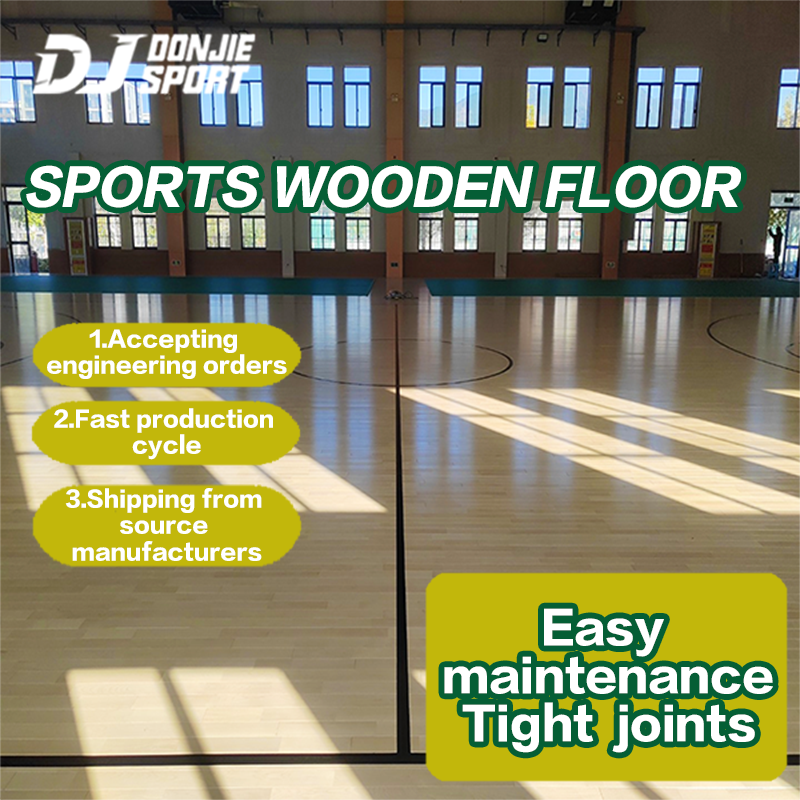
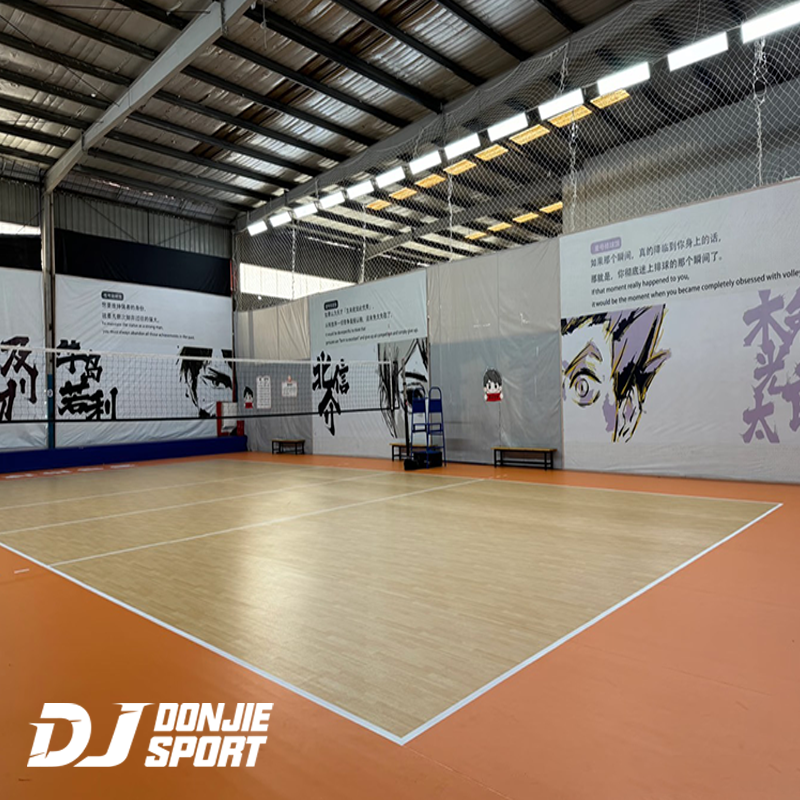
Wood-effect tiles offer the aesthetic appeal of hardwood courts without the high maintenance and expense. These tiles mimic the appearance of real wood, providing a sleek, polished look while maintaining the practical benefits of modular flooring. They are often made from materials like PVC or composite, which makes them durable and easy to clean.
Benefits:
-
Aesthetic appeal resembling traditional hardwood courts
-
Durable and low-maintenance
-
Provides a slip-resistant surface for players
-
Ideal for indoor volleyball courts
Drawbacks:
-
May lack the natural feel and responsiveness of real wood
-
Potentially higher cost than other types of synthetic flooring
Key Factors to Consider When Choosing Volleyball Court Floor Tiles
When choosing the best volleyball court floor tiles, several factors need to be considered to ensure optimal performance, safety, and cost-effectiveness.
Durability
Durability is perhaps the most important factor to consider, especially for facilities with high foot traffic. Rubber and PVC tiles tend to last the longest, with rubber flooring offering superior impact resistance. Vinyl and wood-effect tiles may not be as long-lasting but still offer good value for lower-traffic environments.
Safety
Safety is paramount in any sports facility, and choosing floor tiles that provide good traction is critical for preventing slips and falls. Rubber tiles are typically the best for traction, but PVC and vinyl options also provide a non-slip surface, though not as robust as rubber.
Comfort
Cushioning is essential for player comfort and to reduce the risk of injury. Tiles with excellent shock absorption—such as rubber and certain PVC options—are ideal for minimizing impact on players’ joints during quick movements.
Maintenance and Cleaning
Some tiles, particularly vinyl and PVC, are easy to clean and maintain. Regular sweeping and mopping are usually sufficient to keep these tiles looking new. Rubber tiles may require more care, especially in terms of moisture management, to avoid damage.
Installation
Modular tiles, such as interlocking types, are designed for quick and easy installation. If you’re looking for a court that can be set up and taken down frequently, interlocking tiles are a great option. For permanent installations, rubber or PVC tiles may require professional installation, though they are relatively straightforward to maintain once in place.
Pros and Cons of Different Types of Volleyball Court Floor Tiles
| Tile Type | Pros | Cons |
|---|---|---|
| Rubber | Durable, excellent traction, shock absorption | Expensive, requires professional installation |
| PVC | Affordable, easy to install and clean | Less shock absorption, wears quicker |
| Vinyl | Cost-effective, slip-resistant, easy to clean | May not be as durable as other options |
| Interlocking | Portable, easy to install and replace tiles | Less cushioning, interlocking may loosen over time |
| Wood-Effect | Aesthetic, low-maintenance, durable | Lacks real wood feel, potentially higher cost |
How to Maintain Volleyball Court Floor Tiles
Proper maintenance is essential to extend the lifespan of your volleyball court tiles. Regular cleaning—sweeping or vacuuming the surface—prevents dirt buildup. For vinyl and PVC tiles, mop them with a gentle cleanser to maintain their shine. Rubber tiles should be cleaned with a damp mop and a rubber-safe cleaner to prevent moisture damage. Additionally, inspecting the tiles for cracks or loose sections is crucial to avoid injuries.
The Future of Volleyball Court Floor Tiles
As technology advances, the design and materials of volleyball court floor tiles continue to evolve. Newer tiles are being developed with eco-friendly materials, such as recycled rubber and biodegradable composites. Moreover, innovation in texture and traction technology is improving player safety and comfort even further. The future looks promising for floor tiles that can offer enhanced durability, better performance, and minimal environmental impact.
Conclusion
Choosing the right volleyball court floor tiles is an essential decision that impacts the safety, performance, and longevity of your court. From rubber to PVC to interlocking tiles, each option has its own set of advantages and disadvantages, depending on your needs. By considering factors like durability, comfort, safety, and maintenance, you can select the perfect flooring for your volleyball court and ensure a high-performance environment for athletes. Make sure to choose wisely and prioritize quality to maximize your investment in volleyball court flooring.