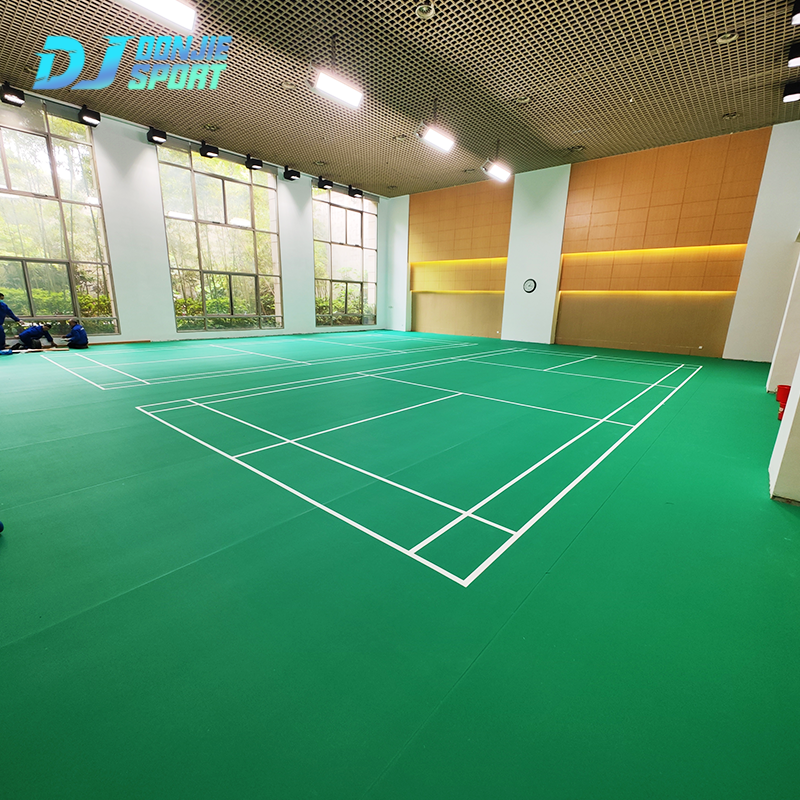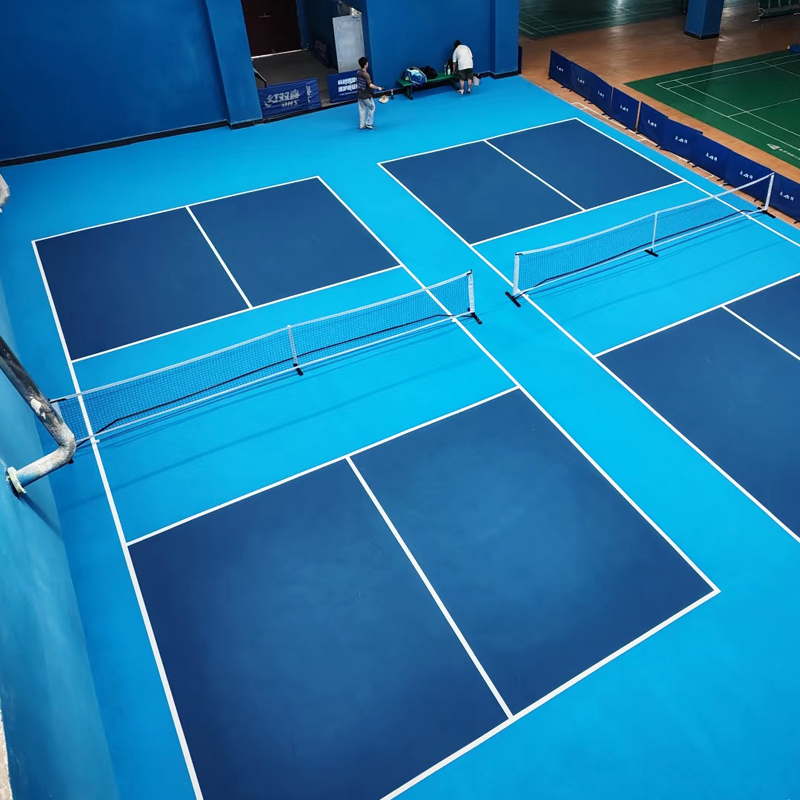
When designing a volleyball court, choosing the right flooring is crucial to ensuring both optimal performance and safety for players. Volleyball court flooring not only affects how the game is played but also impacts the longevity of the court itself. One popular option that courts around the world have considered is rubber flooring. But is it the right choice for your volleyball court? In this article, we will examine the pros and cons of rubber flooring, how it compares to other materials, and whether it can meet the specific needs of your volleyball facility.
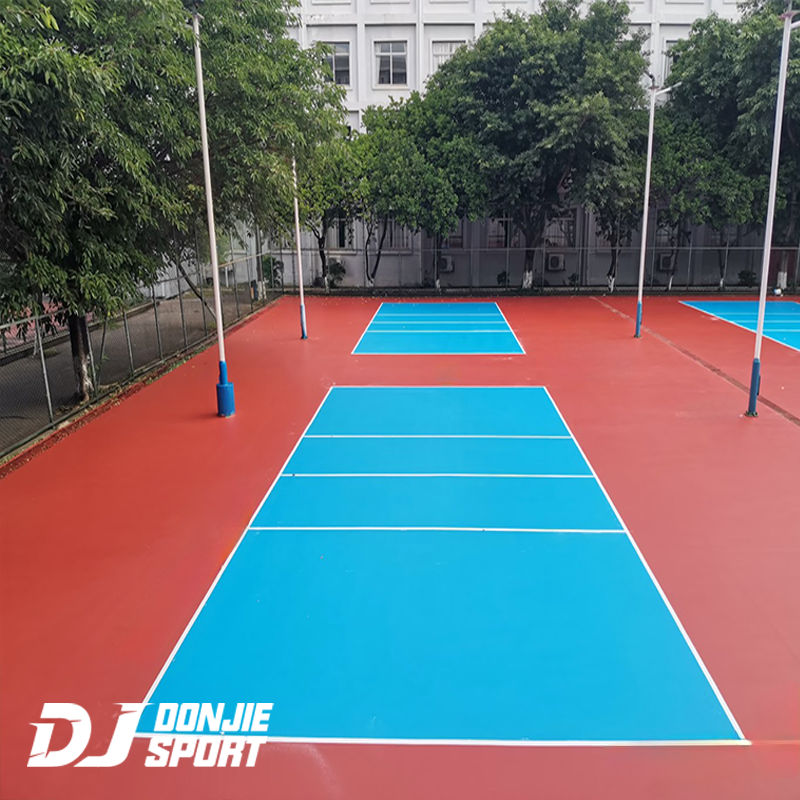
Why Choosing the Right Volleyball Court Flooring Matters
The flooring you choose for a volleyball court plays a pivotal role in multiple aspects of the game. First and foremost, the surface must enhance player performance by providing adequate grip and traction. A poor-quality court surface can make it harder for players to move, which can affect their speed and agility. Additionally, volleyball is a high-impact sport, and a well-chosen floor helps absorb shock, reducing the risk of injury. A properly designed volleyball court floor can prevent knee and ankle injuries, which are common in this fast-paced sport.
Moreover, the longevity and ease of maintenance of the flooring are key considerations. Whether your volleyball court is in a gym or an outdoor facility, flooring that withstands wear and tear can save money and reduce frequent repairs. Finally, the visual appeal of a volleyball court is also important. A visually attractive court can boost the morale of players and spectators alike, making it a worthy investment for any facility.
What is Rubber Flooring?
Rubber flooring is a resilient and flexible surface material made from synthetic or recycled rubber, often produced in rolls or tiles. It is widely used in various indoor sports facilities due to its cushioning properties and durability. Rubber flooring comes in various types, including rolled rubber and interlocking rubber tiles, offering versatility in installation. The surface is non-porous and easy to clean, making it ideal for environments where hygiene is a concern.
One of the key advantages of rubber flooring is its ability to reduce noise, which is beneficial in multi-use spaces like gyms or community centers. Rubber flooring also offers a range of designs and colors, although it may not have the same traditional look as hardwood or the professional finish of synthetic surfaces.
Key Benefits of Rubber Flooring for Volleyball Courts
Shock Absorption and Injury Prevention
Rubber flooring is renowned for its shock-absorbing qualities. It provides excellent cushioning underfoot, which reduces the impact on players’ joints. This is particularly important for volleyball, where jumping and rapid movements are constant. The cushioning effect of rubber flooring can help reduce the risk of injuries like sprains, strains, and stress fractures.
Non-Slip Surface for Enhanced Traction
A rubber floor provides a non-slip surface, ensuring players have the traction they need for fast movements and sudden direction changes. This is crucial in volleyball, where players need to move quickly and change direction without losing balance. The inherent texture of rubber helps prevent slipping, which contributes to player safety.
Easy Maintenance and Cleaning
Rubber flooring is low-maintenance, making it a cost-effective choice for many volleyball courts. The material resists dirt and debris, and cleaning usually only requires a mop or vacuum. Since rubber is non-porous, it doesn’t trap moisture, which can lead to mold or mildew growth, making it especially suitable for indoor courts with high humidity levels.
Durability and Resistance to Wear and Tear
Rubber is a durable material that resists wear and tear, even in high-traffic environments. Whether you’re hosting recreational games or competitive matches, rubber flooring can withstand constant impact and friction without showing significant signs of deterioration. This long-lasting quality makes it a great option for facilities that require a flooring solution that can endure the rigors of regular volleyball use.
Environmentally Friendly Options
For eco-conscious facilities, rubber flooring offers the advantage of being made from recycled rubber materials. This makes it a sustainable flooring option, helping to reduce waste while still providing excellent performance.
Drawbacks of Rubber Flooring for Volleyball Courts
While rubber flooring offers several benefits, it is not without its drawbacks. The most significant concern for volleyball courts is the potential impact on ball bounce. Rubber flooring can sometimes provide a less predictable bounce compared to traditional hardwood or synthetic surfaces, which could affect the game. While this may not be a major issue for recreational play, it could be a concern in competitive settings.
Another consideration is the initial cost. Rubber flooring, especially high-quality options, can be more expensive to install compared to some other materials. This may be a factor for facilities working with a tight budget, as the installation costs could be a significant investment upfront.
Finally, rubber flooring may not offer the same aesthetic appeal as hardwood or synthetic floors. While it is functional and durable, the appearance of rubber flooring might not provide the traditional look and feel many volleyball players and spectators expect. The design options available may also be more limited than with other flooring materials.
Rubber Flooring vs. Other Volleyball Court Flooring Materials
When compared to other popular flooring options, rubber flooring has distinct advantages but also some limitations. Hardwood is the gold standard for volleyball courts, offering excellent ball bounce and a professional, sleek appearance. However, hardwood is also more susceptible to wear and tear and can be expensive to maintain. It is also less forgiving in terms of shock absorption compared to rubber.
Synthetic flooring, such as polyurethane, is another alternative often used in high-performance volleyball courts. It offers excellent durability, predictable ball bounce, and a smooth surface, but like hardwood, it can be costly and requires specialized maintenance. Rubber flooring, in contrast, is generally more affordable and easier to maintain, though it may not provide the same level of ball control.
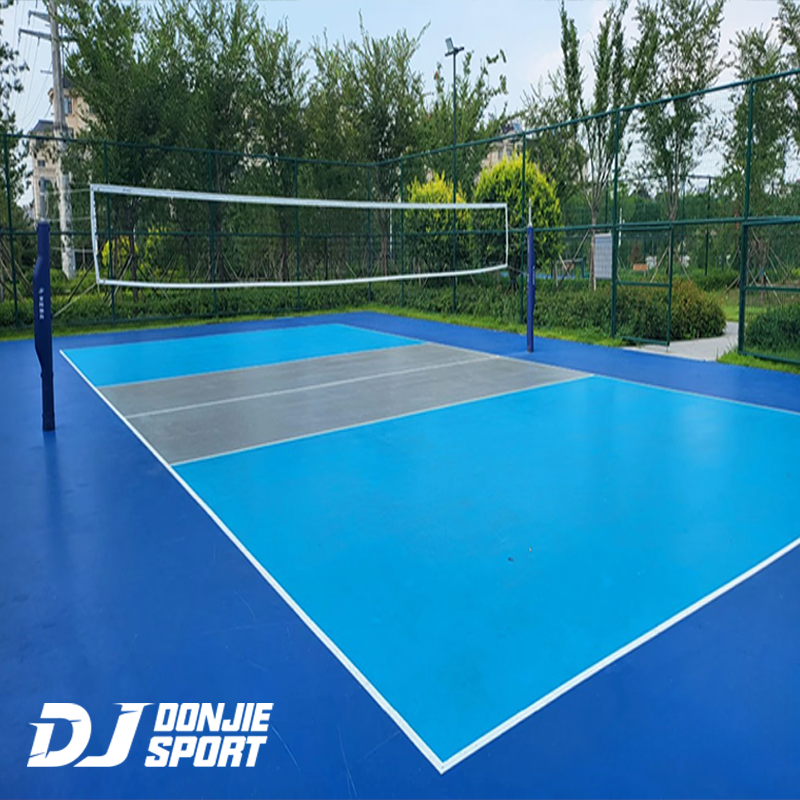
Is Rubber Flooring Suitable for Your Volleyball Court?
When considering rubber flooring for your volleyball court, it’s essential to think about the type of play the court will support. For recreational volleyball or community centers where safety, ease of maintenance, and cost-efficiency are top priorities, rubber flooring is a solid choice. It provides excellent injury prevention and is durable enough for regular use.
For competitive or professional courts, however, the choice of rubber flooring depends on the level of play and the specific needs of the players. If optimal ball bounce and the traditional aesthetic of hardwood are essential, rubber may not be the best option. Conversely, if safety, durability, and ease of maintenance are more important, rubber could be an ideal solution.
Factors such as the environment (indoor vs. outdoor) and budget will also play a significant role in your decision-making process. Rubber flooring can be an excellent option for indoor volleyball courts, but outdoor courts may require more specialized materials designed to withstand the elements.
Conclusion
In conclusion, rubber flooring is a viable choice for many volleyball courts, offering benefits like shock absorption, non-slip surfaces, durability, and easy maintenance. It may not be the best option for every type of court, especially in competitive settings where ball bounce and aesthetics are critical. However, for recreational and community volleyball courts, rubber flooring can provide a cost-effective, safe, and long-lasting solution. By understanding the advantages and drawbacks of rubber flooring, you can make an informed decision that meets the needs of your facility and players.