When it comes to creating the perfect outdoor volleyball court, the flooring is one of the most crucial elements to consider. The right flooring material not only ensures the safety of players but also significantly impacts the performance of the game. Whether you’re building a court for recreational play or for more competitive matches, choosing a high-quality flooring material will set the foundation for an enjoyable and safe playing experience. In this article, we will explore the various flooring options available, their unique advantages, and how they can transform your outdoor volleyball court into a professional-grade facility.
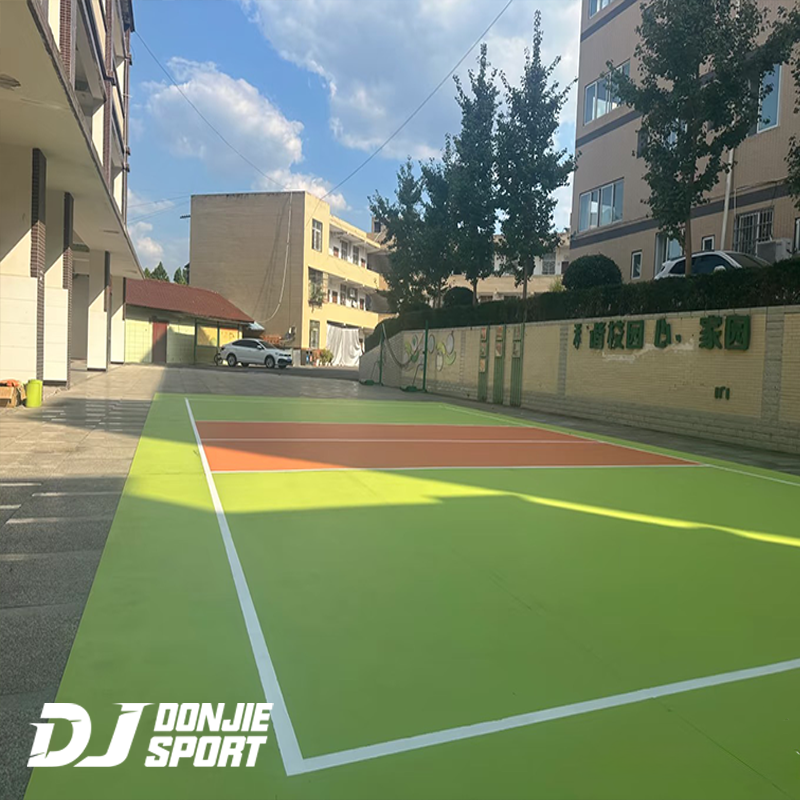
The Unique Challenges of Outdoor Volleyball Flooring
Outdoor volleyball courts face a unique set of challenges compared to indoor courts. Since the playing surface is exposed to various environmental conditions, it requires flooring that is not only durable but also weather-resistant. Here are some of the key factors to consider when choosing the right flooring for an outdoor volleyball court:
-
Exposure to Weather Conditions: Outdoor courts are constantly exposed to the elements, including harsh sunlight, rain, wind, and temperature fluctuations. Flooring materials must be able to withstand these conditions without deteriorating over time. UV rays can cause fading, while moisture can lead to mold and deterioration. Therefore, choosing a flooring material that resists weathering is essential.
-
Durability and Resistance to Wear: Given the exposure to outdoor elements and the wear and tear from constant use, the flooring must be durable. Foot traffic, sudden impacts, and outdoor debris can quickly degrade low-quality materials, leading to expensive repairs or replacements. A high-quality flooring option should offer superior resistance to abrasion, scratches, and weathering.
-
Safety Concerns for Players: Traction is one of the most important aspects of outdoor volleyball court flooring. Slippery surfaces can lead to falls and injuries. The flooring should offer sufficient grip, especially during high-intensity games where players are making quick, sudden movements. Additionally, shock absorption is a key feature to consider in order to protect players’ joints and reduce the risk of injury.
Top Flooring Materials for Outdoor Volleyball Courts
When it comes to outdoor volleyball court flooring, there are several materials to choose from, each with its own set of advantages. Below, we explore the top flooring materials commonly used for outdoor courts:
Rubber Flooring
Rubber is a popular choice for outdoor volleyball courts due to its superior shock absorption and traction. It provides a cushioned surface that helps reduce the impact on players’ joints, which is especially beneficial during intense rallies or dives. Additionally, rubber flooring is highly resistant to weather conditions, including UV rays and moisture, making it a durable option for outdoor use.
Benefits:
-
Excellent shock absorption
-
Strong traction and grip
-
Durable and weather-resistant
-
Easy to maintain
Polyurethane Flooring
Polyurethane flooring is another excellent option for outdoor volleyball courts. It offers high durability, excellent weather resistance, and superior traction. Polyurethane surfaces are known for their ability to withstand extreme temperature changes, making them ideal for both hot summers and cold winters. This flooring type also requires minimal maintenance, and its non-porous nature ensures that it won’t absorb moisture or debris.
Benefits:
-
Long-lasting and durable
-
Weather-resistant and UV stable
-
Low maintenance
-
Provides excellent grip
Artificial Turf
Artificial turf is a versatile and budget-friendly option for outdoor volleyball courts. While it may not offer the same level of shock absorption as rubber or polyurethane, it provides a consistent playing surface that is both durable and low-maintenance. Artificial turf is an excellent choice for multi-purpose courts, as it can be used for various sports, including soccer and football, in addition to volleyball.
Benefits:
-
Budget-friendly
-
Multi-purpose use
-
Low maintenance
-
Offers consistent playing surface
Wooden Flooring
Wooden flooring is often seen in indoor volleyball courts, but it can also be adapted for outdoor use with the right protective coatings. This material offers a traditional look and feel and is ideal for hybrid courts that need to serve multiple purposes. While wooden flooring is durable, it requires more maintenance compared to synthetic options and needs to be treated for weather resistance.
Benefits:
-
Aesthetic appeal and traditional look
-
Can be used for hybrid courts
-
Durable when treated correctly
Key Features to Look for in Outdoor Volleyball Court Flooring
When selecting the best flooring material for your outdoor volleyball court, there are several key features that can make a big difference in both performance and longevity:
-
Weather Resistance: Given the outdoor setting, your flooring needs to be able to resist harsh weather conditions such as UV exposure, rain, and temperature extremes. Weather-resistant materials help extend the life of the court and reduce the need for frequent repairs.
-
Traction and Grip: Safety should be your primary concern, so selecting flooring with excellent grip is essential. A surface with good traction will prevent players from slipping, allowing them to perform with confidence. Look for flooring materials designed to provide a high level of friction, especially during fast-paced gameplay.
-
Shock Absorption: Protecting players from injuries is key, and flooring with good shock absorption helps reduce the impact on players’ joints. This is particularly important for jumps, dives, and quick changes in direction. Flooring materials like rubber or polyurethane offer superior cushioning, ensuring player safety.
-
Maintenance and Durability: Choose a flooring material that is easy to maintain and clean. Some materials, like rubber, require minimal upkeep, while others, like wooden flooring, may require regular sealing or refinishing. Additionally, select a material that can withstand the wear and tear of frequent play without degrading quickly.
-
Aesthetic Appeal: While performance is crucial, aesthetics also play a role in the overall experience. Flooring that complements your court’s design and the surrounding environment can enhance the visual appeal. Choose materials that offer a variety of color options or the ability to customize your court’s look.
How to Install Outdoor Volleyball Court Flooring
Proper installation is key to ensuring your outdoor volleyball court performs well and lasts for years to come. Here’s a simple guide to the installation process:
-
Prepare the Surface: Before installing any flooring material, it’s important to prepare the ground properly. This may involve clearing debris, leveling the surface, and adding a layer of base material to ensure stability.
-
Choose Installation Method: Depending on the material you select, you may choose professional installation or attempt a DIY approach. Rubber tiles, for example, are often easy to install with interlocking pieces, while polyurethane or wood flooring may require professional help for proper installation.
-
Avoid Common Mistakes: Ensure that the surface is level and properly drained to prevent pooling of water. Also, be mindful of the expansion and contraction properties of certain materials, especially if you’re working with wooden flooring.
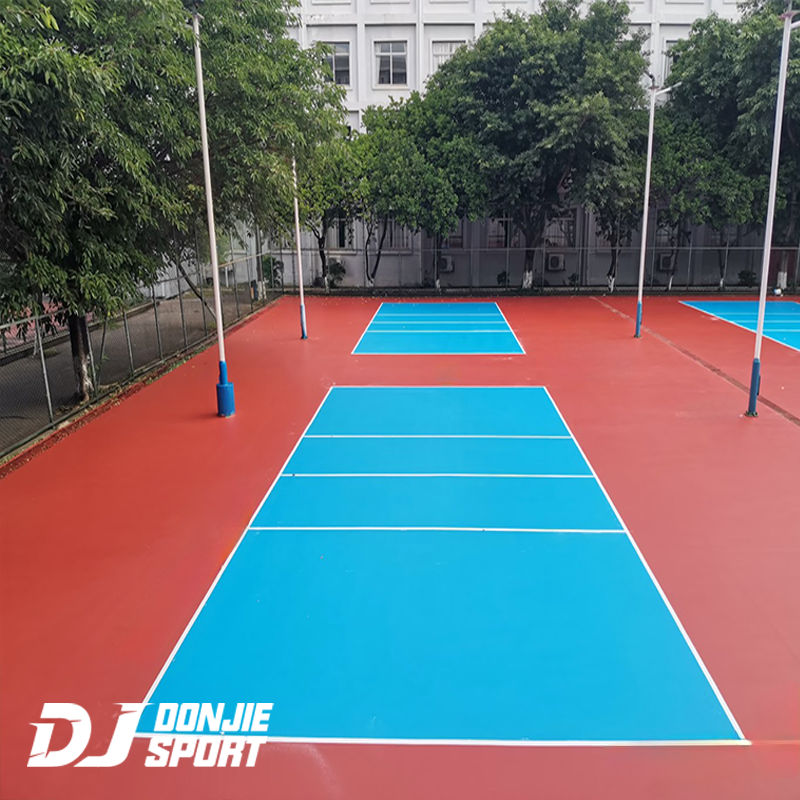
Maintaining Your Outdoor Volleyball Court Flooring
To ensure your outdoor volleyball court remains in top condition, regular maintenance is necessary. Here are a few tips for keeping your flooring in optimal shape:
-
Rubber Flooring: Clean regularly with a mild detergent and water to remove dirt and debris. Check for any signs of wear or damage.
-
Polyurethane Flooring: Use a soft cloth to wipe down the surface. Inspect the court for cracks or other signs of damage, and reapply any protective coatings as needed.
-
Artificial Turf: Brush the surface regularly to maintain its appearance and prevent matting. Occasionally, wash the turf to remove debris.
-
Wooden Flooring: Treat with protective sealants to resist weathering. Clean and refinish the surface as needed to maintain its appearance.
Why Investing in High-Quality Outdoor Volleyball Flooring is Worth It
Investing in high-quality flooring for your outdoor volleyball court is a long-term commitment that yields numerous benefits. Not only does it enhance player safety and performance, but it also provides a durable, aesthetically pleasing playing surface that can withstand the elements. By selecting the right flooring material, you’ll ensure that your court remains a reliable and enjoyable space for years to come. Additionally, high-quality flooring can attract more players, increase usage, and even improve the overall value of your sports facility.
The Long-Term Benefits of High-Quality Outdoor Volleyball Flooring
In conclusion, transforming your outdoor volleyball court with high-quality flooring material is an investment that pays off in the long run. Whether you choose rubber, polyurethane, artificial turf, or wooden flooring, the right material will ensure durability, safety, and performance. By considering factors like weather resistance, traction, and shock absorption, you can create a court that enhances both player experience and the lifespan of your outdoor volleyball facility.