In recent years, there has been a noticeable rise in the popularity of building home sports courts. Whether it’s for recreational play or professional training, having a dedicated space for volleyball at home can be incredibly rewarding. One of the most critical components of setting up an effective home volleyball court is choosing the right flooring. The right flooring not only boosts the performance of players but also ensures safety and helps maintain the integrity of the court over time.
In this article, we will explore everything you need to know about volleyball flooring for home courts, from material options to installation tips. With the right knowledge, you can build the ideal sports space right in your backyard or garage.
Why Volleyball Flooring Matters for Home Courts
When designing your home volleyball court, the flooring choice is not something to be taken lightly. Here’s why:
-
Enhancing Player Performance: The right flooring improves traction and reduces the risk of injury, ensuring players can move efficiently and safely.
-
Ensuring Safety and Injury Prevention: Proper flooring materials such as rubber or PVC can help cushion falls, reducing the likelihood of sprains and fractures.
-
Longevity and Durability: Quality volleyball flooring can last for years, providing a durable surface that withstands heavy use.
Key Considerations When Choosing Volleyball Flooring
Choosing the right volleyball flooring for your home court is about more than just aesthetics or price. Several factors must be considered to ensure you get a flooring solution that meets your needs.
Court Size and Layout
Before you start shopping for flooring, it’s important to measure the available space. The standard dimensions for a volleyball court are 18 meters by 9 meters, but if you’re building a home court, you may not have that much space. Some homeowners opt for smaller, recreational courts. Whether you’re building a full-size court or a smaller one, ensure the flooring material can accommodate your layout.
Type of Flooring Material
The flooring material you choose will affect the performance of the game, the safety of the players, and the maintenance requirements. Here are some of the most popular choices:
-
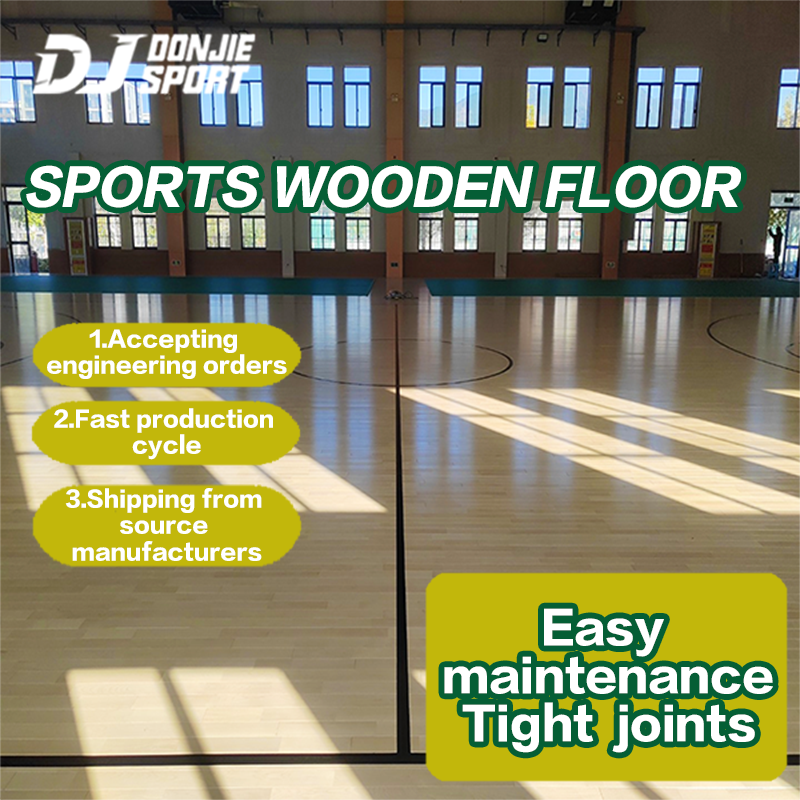
Wood Flooring: Wooden floors, often used in indoor gyms and professional arenas, provide a traditional and aesthetic appeal. They are durable and offer excellent performance, but they require regular maintenance and can be costly.
-
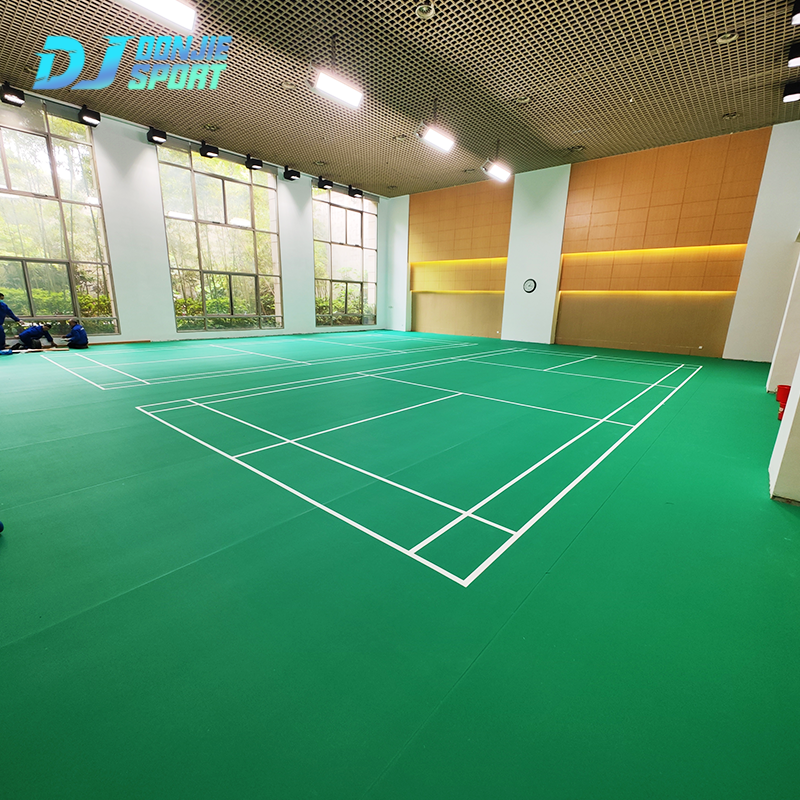
PVC Flooring: PVC is a synthetic material that is highly durable and water-resistant. It is perfect for both indoor and outdoor courts and is relatively easy to maintain. It offers a good balance between performance and affordability.
-
Rubber Flooring: Known for its shock-absorbing properties, rubber flooring is ideal for reducing the impact of falls. It’s particularly suitable for home courts where the players may not be as experienced or for younger athletes. Rubber flooring is also slip-resistant, making it a safe option for players.
-
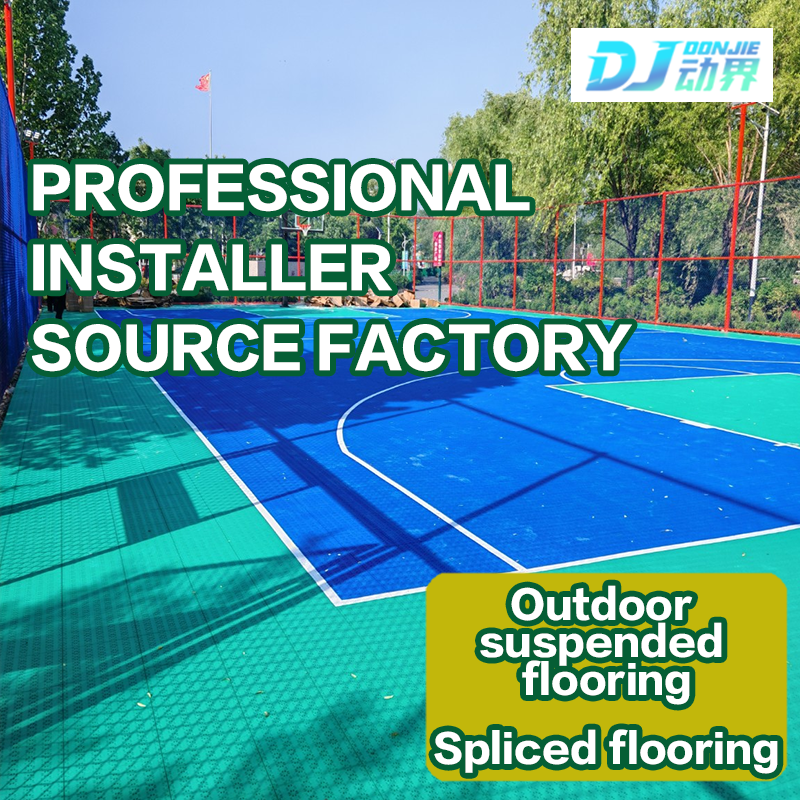
Interlocking Floor Tiles: These tiles are easy to install and maintain, making them a great choice for DIY projects. They offer flexibility, as you can replace individual tiles if damaged. While they might not provide the same professional performance as wood or PVC, they can still deliver a solid playing surface.
-
Synthetic Sports Surfaces: These surfaces are affordable, low-maintenance, and provide good performance. They are often used for multi-purpose courts but may not be ideal for serious, competitive volleyball play.
Budget Considerations
Volleyball flooring can vary significantly in price, depending on the material and quality. Wooden floors, while top-tier in performance and aesthetic, can be expensive, especially when installation costs are factored in. PVC and rubber flooring offer more affordable options without sacrificing durability or safety. Setting a budget early on will help narrow your options and allow you to find a flooring solution that fits your needs.
Ease of Installation and Maintenance
If you’re looking to install the flooring yourself, interlocking floor tiles or PVC rolls may be the easiest to manage. On the other hand, wooden floors and rubber flooring may require professional installation. Maintenance is another key consideration. Wooden floors need periodic refinishing and cleaning, while PVC and rubber floors are easier to maintain with regular sweeping and occasional deep cleaning.
Types of Volleyball Flooring Materials
The choice of volleyball flooring material plays a significant role in the overall look, feel, and performance of your home court. Let’s explore each option in more detail.
Wooden Flooring
Wooden flooring offers a classic and professional appearance, often seen in top-level gyms. It is ideal for indoor courts, offering players a smooth and high-performance surface. However, it can be quite expensive and requires regular maintenance, including refinishing every few years to preserve its integrity. Additionally, wooden floors are susceptible to moisture damage, which makes them less suitable for outdoor courts.
PVC Flooring
PVC flooring is a versatile and affordable option that is gaining popularity in home courts. It’s a great option for both indoor and outdoor courts, as it is resistant to moisture and relatively easy to clean. PVC flooring also offers a bit of bounce, enhancing player comfort and performance. It’s available in rolls or tiles, with interlocking tiles being an especially popular DIY option.
Rubber Flooring
Rubber is one of the best materials for reducing shock and impact, which is why it’s often used in recreational and home sports courts. Its high level of shock absorption makes it ideal for preventing injuries during play. Rubber floors are also durable, easy to maintain, and resistant to both moisture and UV rays. The downside is that rubber flooring can be quite heavy and may require professional installation.
Interlocking Floor Tiles
Interlocking tiles offer a modular approach to flooring that’s easy to install and replace. If you’re building a small home volleyball court or if you need a temporary flooring solution, these tiles are a great option. The downside is that they may not provide the same smooth and professional feel as other materials like wood or PVC. However, they are affordable, durable, and available in various colors and patterns.
Synthetic Sports Surfaces
Synthetic surfaces, often made of materials like polypropylene or vinyl, offer an affordable and low-maintenance solution for home courts. These surfaces are easy to clean and resistant to UV rays, making them suitable for outdoor use. While they may not provide the same professional-level performance as wood or PVC, they offer excellent durability and comfort for recreational players.
How to Install Volleyball Flooring in Your Home Court
Once you’ve selected the ideal flooring material for your home volleyball court, the next step is installation. Here’s a general guide:
Step-by-Step Installation
-
Prepare the Surface: Clear the area of debris, dirt, and any old flooring. If you’re installing wooden floors, ensure the surface is level and clean.
-
Lay the Foundation: For wooden floors, this involves setting down a subfloor, such as plywood. For PVC or rubber flooring, the subfloor may not be necessary, but ensure the surface is smooth and even.
-
Install the Flooring: If you’re using interlocking tiles, simply connect the pieces together. For rolls of PVC or rubber flooring, roll them out across the court and trim them to fit.
-
Finish the Edges: Trim the edges of the flooring to ensure they fit the boundaries of the court. For wooden flooring, you may need to install baseboards or trim around the edges.
Professional vs. DIY Installation
While DIY installation is possible for interlocking tiles or PVC flooring, some materials, like wooden floors, may require professional installation. Professional installers will ensure that your court is level and that the flooring is properly secured for long-term use.
Maintaining Your Volleyball Court Flooring
Proper maintenance extends the life of your flooring and keeps your court looking its best. Here’s how to care for different types of volleyball flooring:
-
Wooden Floors: Sweep regularly to prevent dirt buildup. Use a wood cleaner to maintain the shine and prevent scratches. Refurbish the surface every few years by sanding and refinishing it.
-
PVC Flooring: Clean with a damp mop and mild soap. Avoid harsh chemicals that can damage the surface.
-
Rubber Flooring: Sweep or vacuum regularly. For deeper cleaning, use a mop with a mild detergent and water solution.
-
Interlocking Tiles: Sweep or vacuum the tiles to remove dirt. If necessary, disassemble and clean individual tiles for deeper stains or odors.
Outdoor courts may need more attention, especially to prevent moisture damage. Using a waterproof sealant for wooden floors or covering the court during harsh weather can help prolong its lifespan.
Benefits of a Dedicated Volleyball Court at Home
Building a volleyball court at home offers several benefits:
-
Personal Training Space: With a dedicated volleyball court, you can practice at your convenience, improving your skills year-round.
-
Hosting Events: A home court provides the perfect space for friendly games and local tournaments.
-
Home Value: Adding a sports court can increase the value of your property, making it more attractive to potential buyers.
Conclusion
Incorporating volleyball flooring into your home court can enhance player performance, increase safety, and provide a space for fun and fitness. Whether you choose wood, PVC, rubber, or tiles, the key is to select a material that meets your needs for durability, maintenance, and budget. By following the steps outlined in this guide, you can create an ideal volleyball court that serves both as a training ground and a recreational space for years to come.