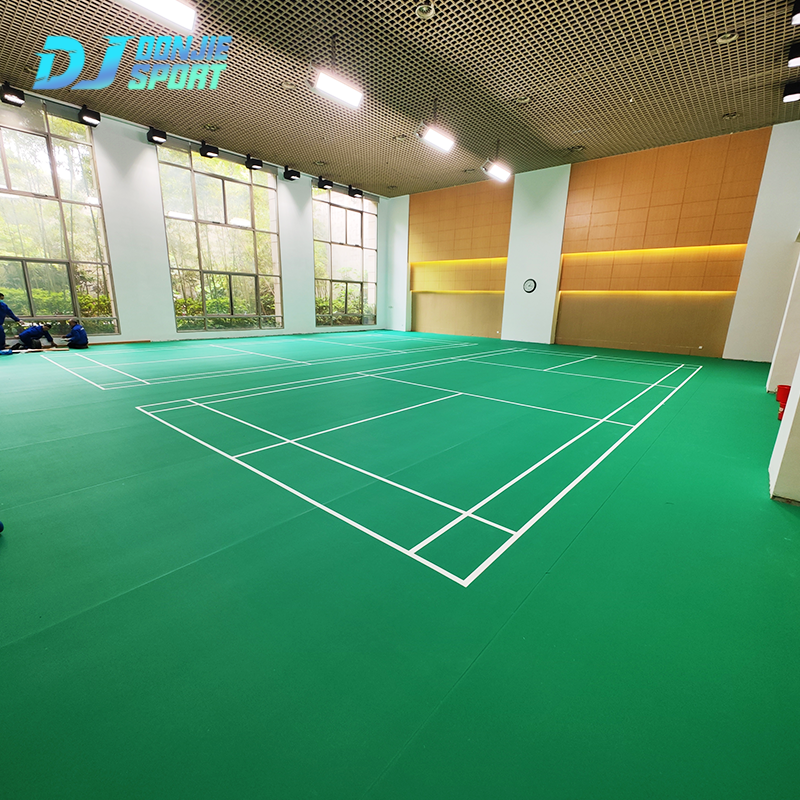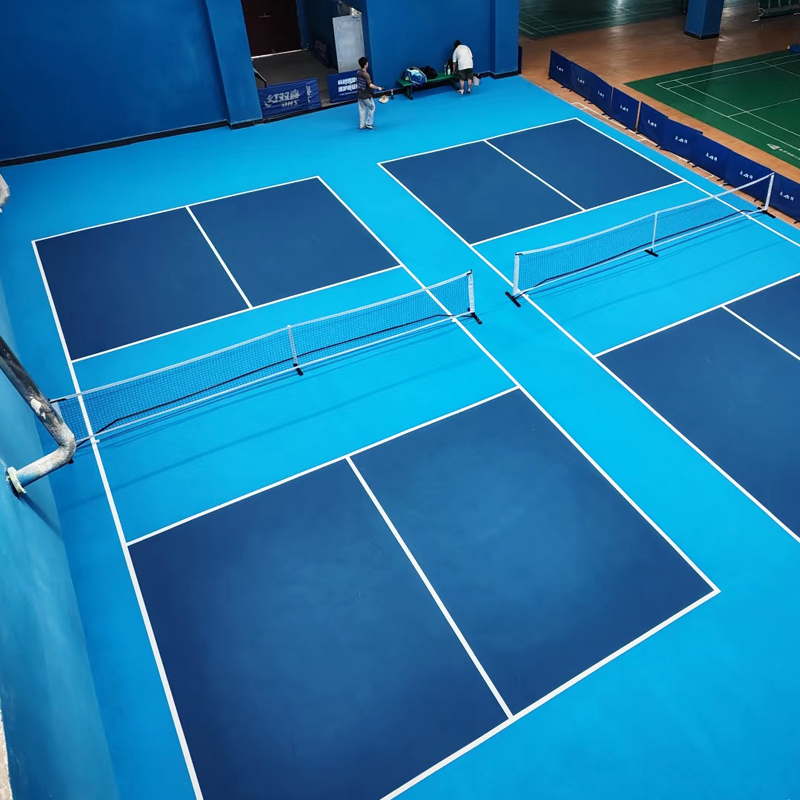
When it comes to setting up a professional-grade badminton court, the choice of mat is crucial. A high-quality badminton court mat is essential for enhancing performance, ensuring safety, and maintaining a durable and reliable playing surface. But with a wide variety of mats available on the market, it can be challenging to decide which one is best for your court. This article will guide you through the essential factors to consider when comparing badminton court mats, helping you make an informed decision.
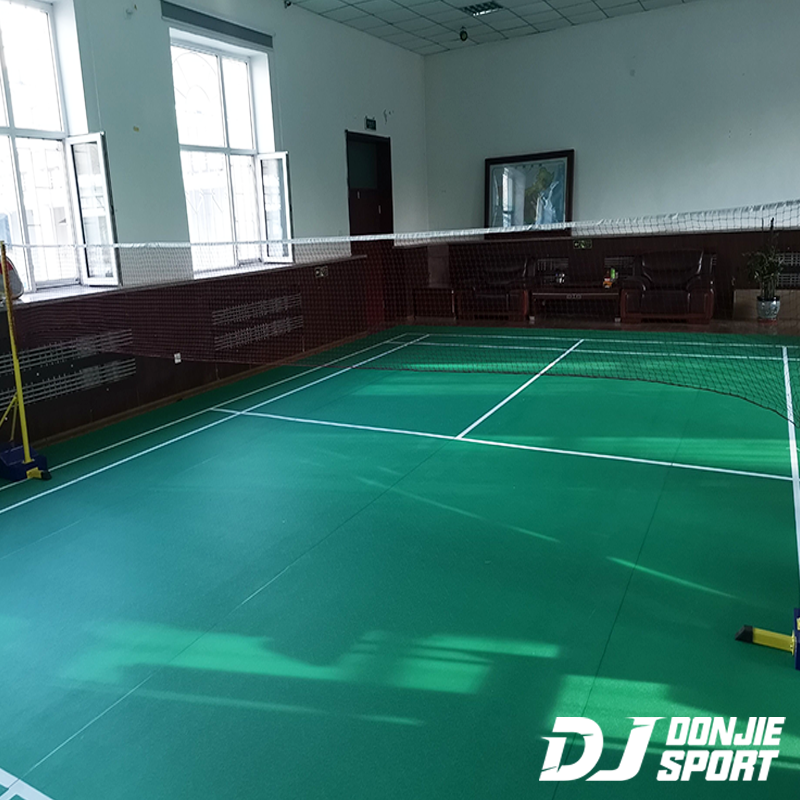
Types of Badminton Court Mats
Badminton court mats come in various materials, each offering distinct benefits depending on your needs and the type of court you are setting up. Here are the most common types of mats used for badminton courts:
-
Synthetic Mats: These are made from engineered materials that offer good shock absorption and durability. They are often the go-to choice for indoor courts due to their smooth surface and comfort.
-
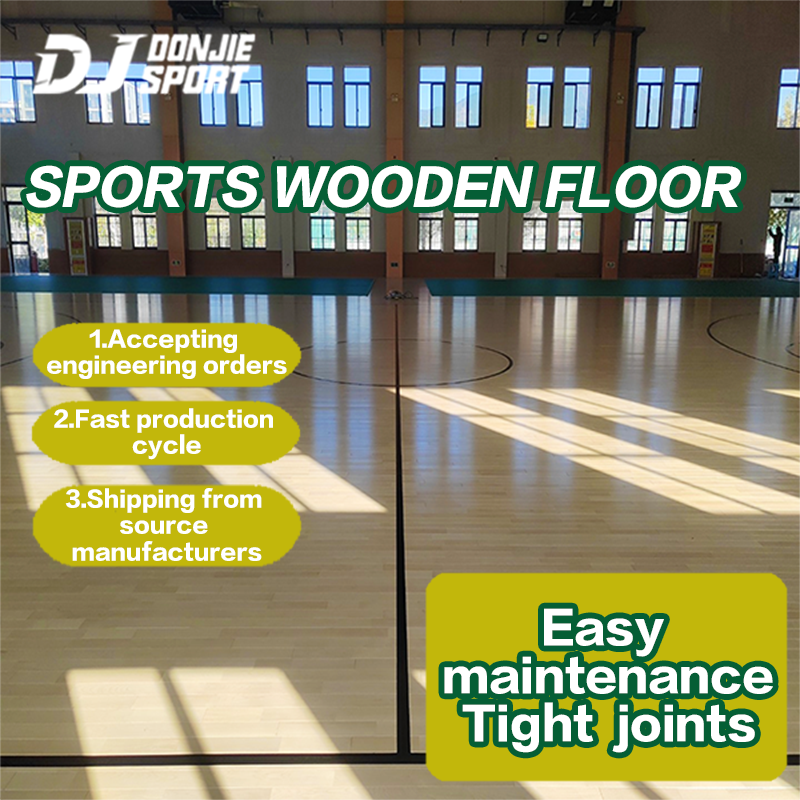
Wooden Mats: Made from high-quality wood, these mats provide a traditional look and feel. They are commonly used in professional arenas and offer excellent durability.
-
PVC Mats: Polyvinyl chloride (PVC) mats are another popular option for badminton courts. They are easy to maintain, resistant to moisture, and provide a good balance between comfort and traction.
-
Rubber Mats: Known for their durability and slip resistance, rubber mats are ideal for heavy usage, offering a firm grip and reduced risk of injury.
-
Hybrid Mats: These mats combine different materials to provide the best of both worlds. For example, a hybrid mat may feature a rubber base with a synthetic top layer for superior comfort and durability.
Key Features to Consider When Choosing Badminton Court Mats
When choosing the right badminton court mat, it’s important to focus on several key factors:
-
Durability and Longevity: The lifespan of the mat will depend on the material and how often it is used. Opt for mats that can withstand heavy foot traffic without losing their performance.
-
Comfort and Shock Absorption: A good badminton mat should offer a comfortable playing surface that absorbs the impact of jumps and quick movements, reducing strain on players’ joints and muscles.
-
Traction and Slip Resistance: The mat should provide enough grip to prevent slipping during intense play, while still allowing players to move swiftly across the court.
-
Maintenance Requirements: Consider how easy it is to clean and maintain the mat. Some mats require more frequent maintenance, while others are low-maintenance and durable enough to withstand heavy use.
-
Cost Considerations: While high-end mats may offer superior performance, they might also come with a higher price tag. Be sure to balance your budget with your performance needs.
The Role of Badminton Court Mats in Player Performance
The choice of badminton court mat can significantly impact player performance. A well-chosen mat can:
-
Enhance agility by providing a smooth, responsive surface.
-
Improve player safety by reducing the risk of injuries such as sprains or joint problems caused by hard or slippery surfaces.
-
Provide consistent bounce and traction, allowing players to make quick and precise movements.
Benefits of Using High-Quality Badminton Court Mats
Investing in a high-quality badminton court mat provides several advantages:
-
Safety: Good mats are designed to reduce injury risk by offering shock absorption and slip resistance.
-
Game Experience: A high-quality mat enhances the overall playing experience, making the game more enjoyable and competitive.
-
Longevity and Cost-effectiveness: High-quality mats tend to last longer, offering better value over time.
How to Choose the Best Badminton Court Mat for Your Needs
Different settings require different types of mats:
-
Indoor Courts: Synthetic mats, PVC mats, or wooden mats are great options for indoor courts, offering comfort, durability, and performance.
-
Outdoor Courts: Rubber mats or durable PVC mats that can withstand the elements are ideal for outdoor courts.
-
Commercial vs. Home Use: For commercial use, you may want to invest in mats that can withstand heavy traffic and frequent cleaning. For home use, comfort and ease of maintenance might be more important.
Badminton Court Mats vs. Other Flooring Options
When compared to traditional wooden flooring or synthetic flooring, badminton court mats offer several advantages:
-
Mats are easier to install and maintain than traditional wooden floors.
-
Mats provide better shock absorption and traction than some synthetic options, reducing injury risks.
-
Mats are also more versatile, offering easy replacement and repair if necessary.
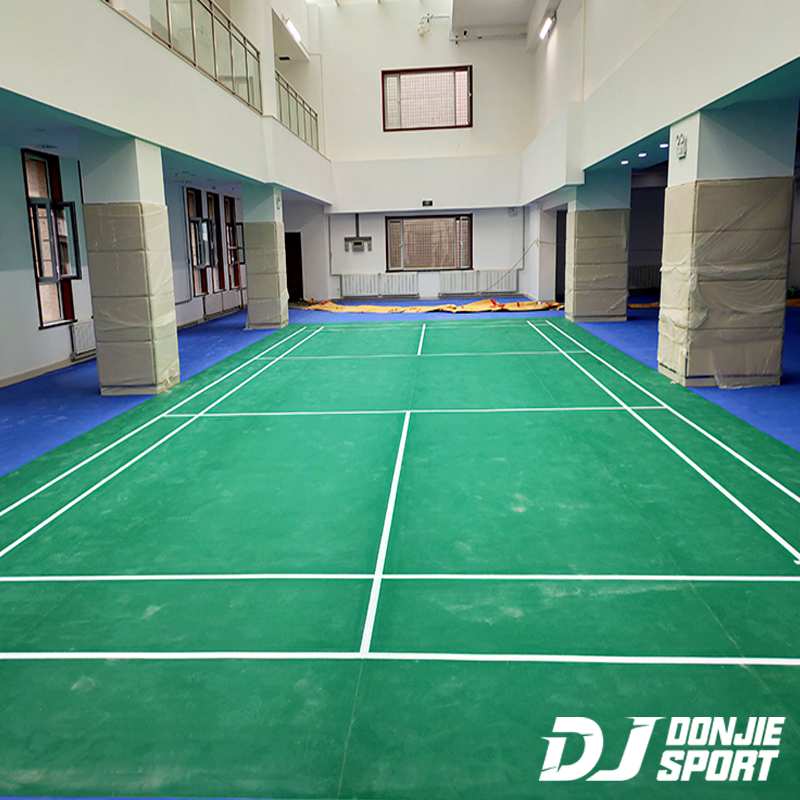
Installation and Maintenance of Badminton Court Mats
Proper installation and maintenance are essential for keeping your mats in top condition:
-
Installation: Follow the manufacturer’s guidelines for installation, making sure the mat is laid out evenly and securely.
-
Maintenance: Regular cleaning and maintenance are necessary to keep the mat in good shape, including vacuuming, wiping, and checking for any wear or damage.
Conclusion
Choosing the right badminton court mat is a crucial step in setting up a high-quality court. By considering factors like durability, comfort, and safety, you can select a mat that enhances both player performance and the longevity of your court. Remember, investing in quality mats is an investment in the safety and enjoyment of the players.