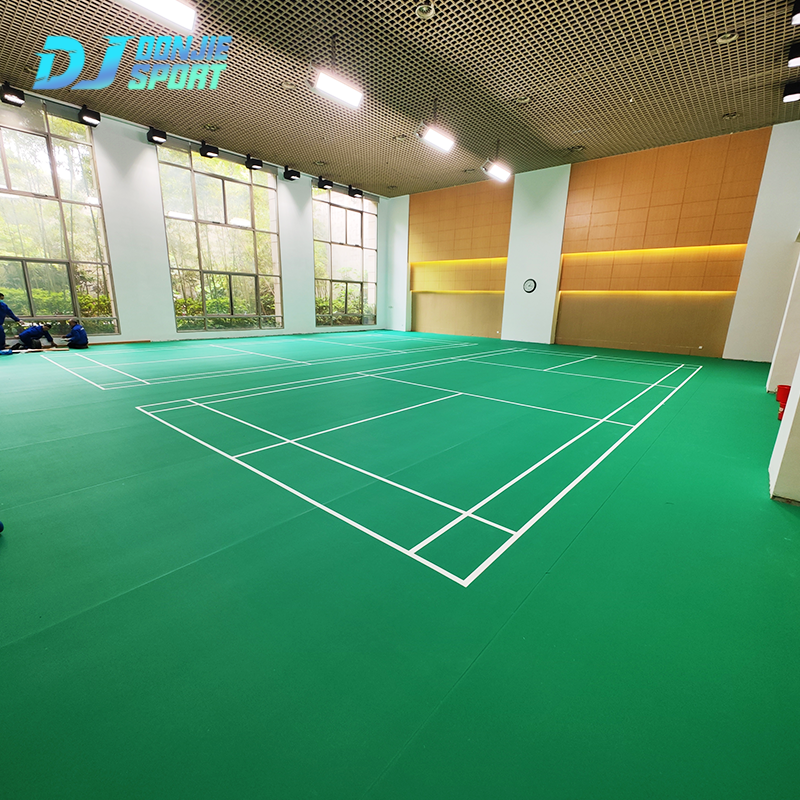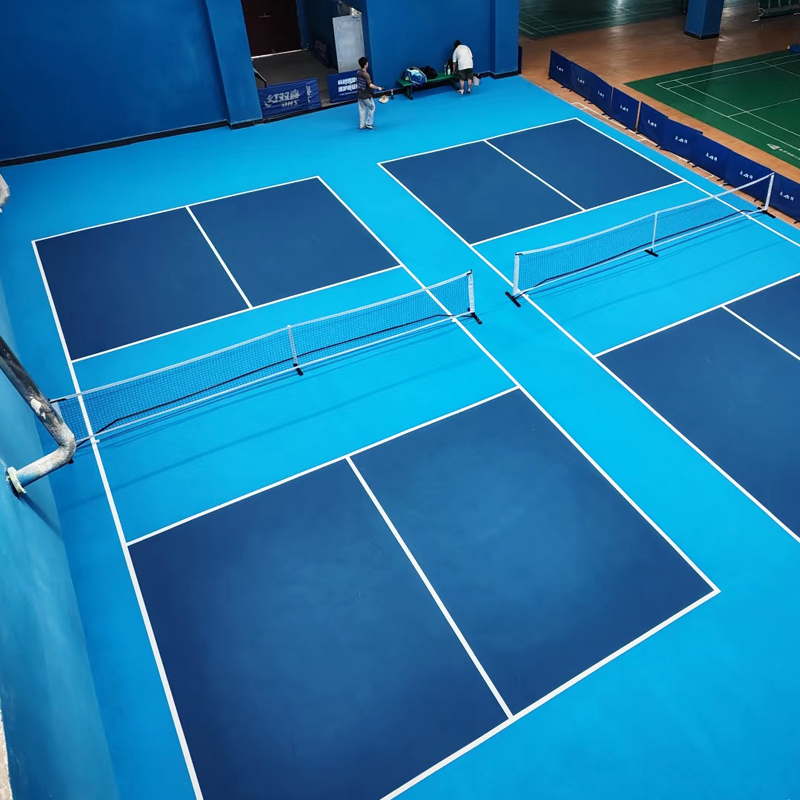
Badminton is a fast-paced, high-intensity sport that demands a court with excellent grip, durability, and consistent playing conditions. Whether it’s for a professional arena or a recreational gym, the surface of a badminton court can significantly impact the game. One of the popular choices for badminton court surfaces today is synthetic flooring. Synthetic flooring for badminton courts has become increasingly preferred due to its unique properties that cater to the dynamic needs of players while offering long-term benefits.
What is Synthetic Flooring for Badminton Courts?
Synthetic flooring refers to any type of artificial, engineered surface material specifically designed to support sports activities. In the case of badminton courts, synthetic flooring is made from a variety of materials, including vinyl, polyurethane, and rubber, which are tailored to provide an optimal balance of durability, safety, and performance.
Types of Synthetic Flooring Available for Badminton Courts
There are several options when it comes to synthetic flooring for badminton courts. Some of the most commonly used materials include:
-
Vinyl Flooring: Known for its smooth surface, affordability, and easy maintenance, vinyl flooring is a popular choice for indoor badminton courts.
-
Polyurethane Flooring: Offering superior shock absorption and flexibility, this type of synthetic flooring is ideal for high-performance environments.
-
Rubber Flooring: Provides a cushioned surface, ideal for reducing impact on players’ joints. It also excels in areas where sound insulation is important.
Each of these materials has its strengths, and the choice largely depends on the specific needs of the venue, whether it’s a professional arena, gym, or recreational space.
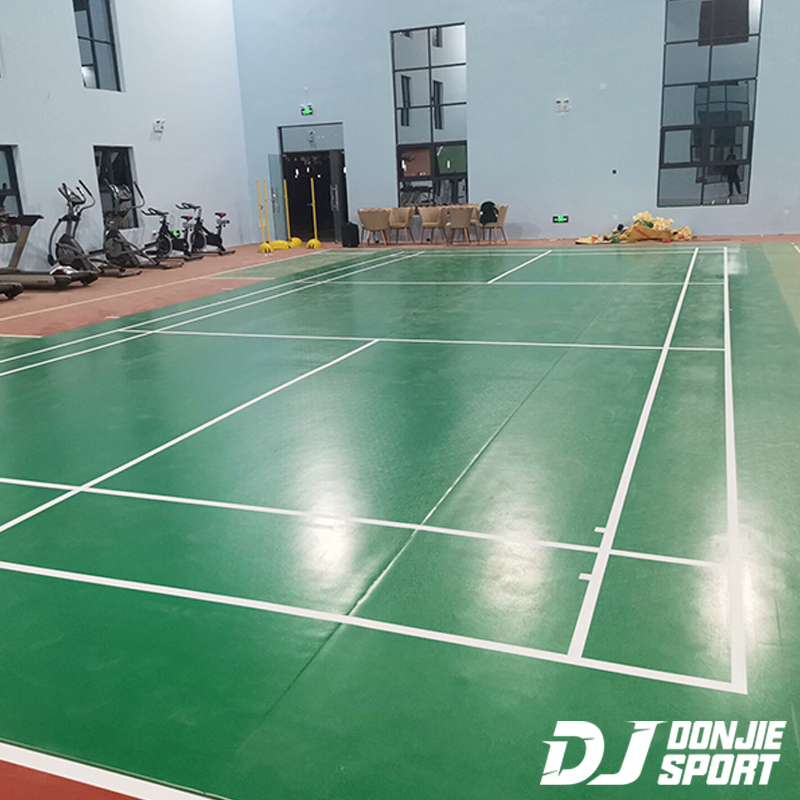
Key Advantages of Synthetic Flooring for Badminton Courts
Durability and Longevity
One of the biggest advantages of synthetic flooring for badminton courts is its durability. Unlike traditional wooden floors, synthetic options are highly resistant to wear and tear from constant foot traffic, intense play, and environmental factors. They can withstand years of heavy use without losing their integrity or performance. This makes them ideal for commercial and high-traffic settings.
Cost-Effectiveness
While the initial investment in synthetic flooring may be higher compared to cheaper options like carpet or tile, the long-term savings are significant. Synthetic surfaces tend to last longer, reducing the need for frequent repairs or replacements. Additionally, synthetic floors are generally easier and cheaper to maintain, which contributes to their overall cost-effectiveness.
Easy Maintenance
Synthetic flooring requires minimal upkeep. Unlike wood, which needs periodic refinishing, or outdoor courts that suffer from weather damage, synthetic floors can be cleaned easily with basic cleaning tools. A simple sweep and mop routine is usually enough to maintain the appearance and performance of the court. This ease of maintenance makes it an excellent choice for busy environments.
Consistent Playing Surface
One of the most important features of any badminton court is a consistent and reliable playing surface. Synthetic flooring is designed to provide uniform bounce and traction across the entire court, ensuring that players can rely on the floor to perform consistently. This consistency reduces the risk of injury and enhances the overall experience of the game, making it suitable for both casual and professional players.
Versatility and Design Flexibility
Synthetic flooring offers a wide range of design possibilities. From a variety of colors and patterns to the option of customizing the court layout, synthetic flooring allows for a great deal of creative freedom. Whether you want a court that matches your team colors or a floor that complements the aesthetic of a modern gym, synthetic materials can be adapted to suit different needs and preferences.
Disadvantages of Synthetic Flooring for Badminton Courts
Slipperiness
One potential downside of synthetic flooring is the risk of slipperiness, particularly when the floor is not properly maintained or when it becomes wet. While most synthetic surfaces are designed with a certain level of traction, players may experience reduced grip during intense play if the flooring is not cleaned regularly or if the humidity is high. This can lead to a higher risk of slips and falls.
Heat Sensitivity
Another disadvantage of synthetic flooring is its sensitivity to temperature fluctuations. In extreme heat or cold, synthetic floors can become too soft or too rigid, affecting the performance of the court. In warmer climates or during summer months, synthetic flooring can absorb heat, making the surface uncomfortable for players. Conversely, in colder conditions, the flooring may become harder and less responsive.
Environmental Concerns
Synthetic materials, such as vinyl or polyurethane, are not always the most eco-friendly options. While many synthetic floors are designed to be durable and long-lasting, they can be difficult to recycle. As environmental concerns become more prominent in the sports industry, the sustainability of synthetic flooring is an issue that some facility managers must consider when making their decision.
Initial Investment
While synthetic flooring offers long-term savings in maintenance and repairs, the upfront investment can be considerable. The cost of purchasing and installing synthetic flooring is generally higher compared to traditional options like wooden or concrete surfaces. For smaller facilities with limited budgets, this initial cost can be a barrier.
How to Choose the Right Synthetic Flooring for Your Badminton Court
When selecting synthetic flooring for your badminton court, several factors must be taken into account:
-
Budget: Determine your overall budget, factoring in both installation and long-term maintenance costs.
-
Performance Requirements: Consider the type of play (e.g., professional or recreational) and the level of shock absorption needed.
-
Aesthetic Preferences: Choose colors, patterns, and finishes that align with your desired look for the court.
-
Climate Considerations: If you’re in a region with extreme weather, select flooring that can handle temperature fluctuations.

Maintenance Tips for Synthetic Badminton Court Flooring
To keep your synthetic flooring in optimal condition, regular maintenance is essential. Here are some simple tips to help:
-
Regular Cleaning: Sweep the court regularly to remove dust and debris. Mop the surface with a gentle cleaner designed for synthetic floors to avoid damaging the material.
-
Avoid Harsh Chemicals: Don’t use harsh chemicals that could degrade the surface or affect its performance.
-
Check for Wear: Inspect the flooring periodically for signs of wear, particularly in high-traffic areas. Address any issues promptly to prevent further damage.
By following these maintenance tips, you can ensure that your synthetic badminton court floor remains in top shape for years to come.
Conclusion
Synthetic flooring for badminton courts offers numerous benefits, from its durability and low maintenance requirements to its consistent playing surface and design flexibility. However, it’s important to weigh these advantages against the potential downsides, such as slipperiness and environmental concerns. By considering factors like performance needs, budget, and climate conditions, you can make an informed decision about whether synthetic flooring is the right choice for your court.