When it comes to setting up a badminton court, the flooring plays a crucial role in ensuring both safety and performance. While many people focus on the overall surface material, the importance of choosing the right badminton court floor mats cannot be overstated. These mats not only provide comfort and support for the players but also contribute to the longevity of the court. In this article, we will delve into the various types of badminton court floor mats available and discuss what makes each option unique, helping you make an informed decision on what fits best for your court.
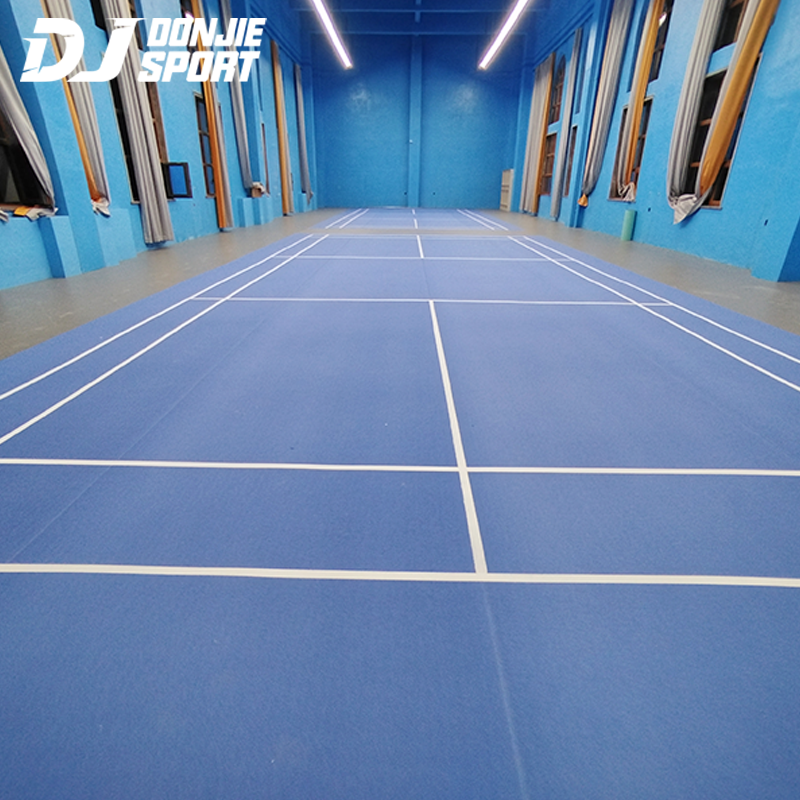
Why Badminton Court Floor Mats Matter
Choosing the right floor mat for your badminton court is not just about aesthetics—it’s about creating a safer and more comfortable playing environment. Badminton is a fast-paced, high-impact sport that demands quick movements, such as sudden stops, jumps, and lateral motions. If the flooring is not equipped to handle these dynamic movements, players may face a higher risk of injury.
Floor mats play a crucial role in minimizing the impact on joints and muscles, providing the right cushioning and support to prevent strain. Additionally, floor mats improve grip, which enhances player control and reduces the likelihood of slipping. This is especially important on smooth surfaces where the risk of injury is higher. Therefore, choosing the right floor mat directly impacts player performance, comfort, and safety.
Types of Badminton Court Floor Mats
Badminton court floor mats come in a variety of materials, each with its unique set of benefits. Here are the most common types:
PVC Mats: Durability and Versatility
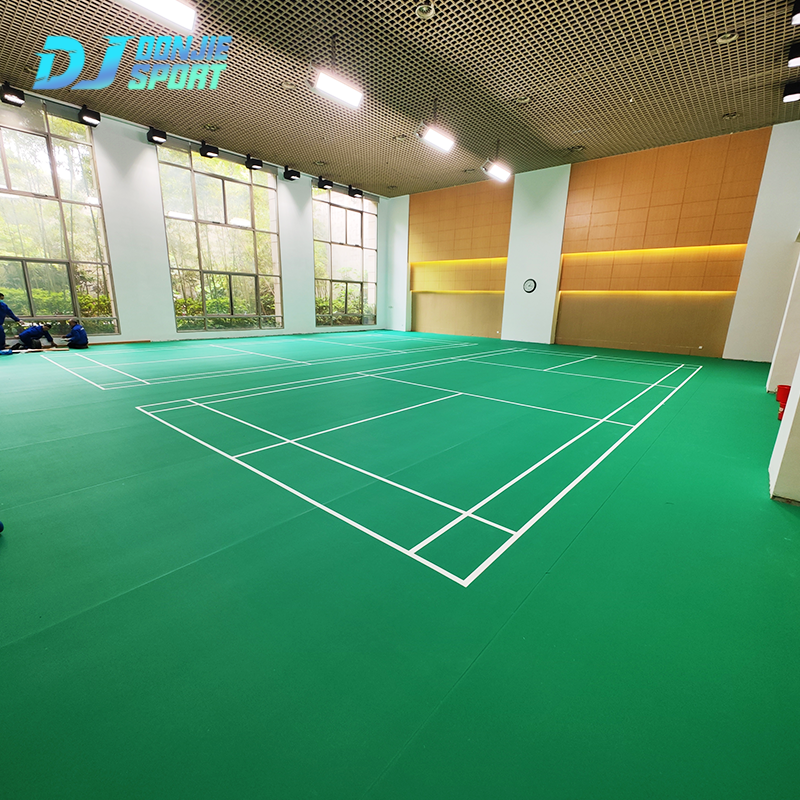
PVC mats are widely used for their durability and ease of maintenance. These mats are made from a combination of polyvinyl chloride and other materials, offering a highly durable surface that resists wear and tear. PVC mats are ideal for both indoor and outdoor courts due to their moisture resistance and low maintenance requirements. They are also slip-resistant, providing a solid grip for players, making them a great option for professional and recreational courts alike.
Rubber Mats: Shock Absorption and Comfort
Rubber floor mats are known for their excellent shock absorption properties. This makes them particularly suitable for indoor courts where players are likely to perform high jumps and sudden movements. The material provides comfort by cushioning the impact on joints, reducing the risk of long-term injuries. Rubber mats also offer superior traction, preventing slips during fast-paced rallies. Although they may require more maintenance compared to PVC mats, their comfort level makes them a popular choice for players who value injury prevention.
Synthetic Mats: Ideal for Indoor Courts
Synthetic mats are specifically designed for indoor badminton courts. They are made from materials that simulate wood or other traditional surfaces, offering a balance between comfort and performance. Synthetic mats are durable and provide a consistent surface for players, ensuring optimal grip and bounce. While they are generally more expensive than PVC and rubber mats, they are ideal for creating a professional-grade badminton court. These mats are lightweight, easy to install, and maintain, making them a go-to option for gyms and training facilities.
Wooden Mats: Traditional Touch and High Performance
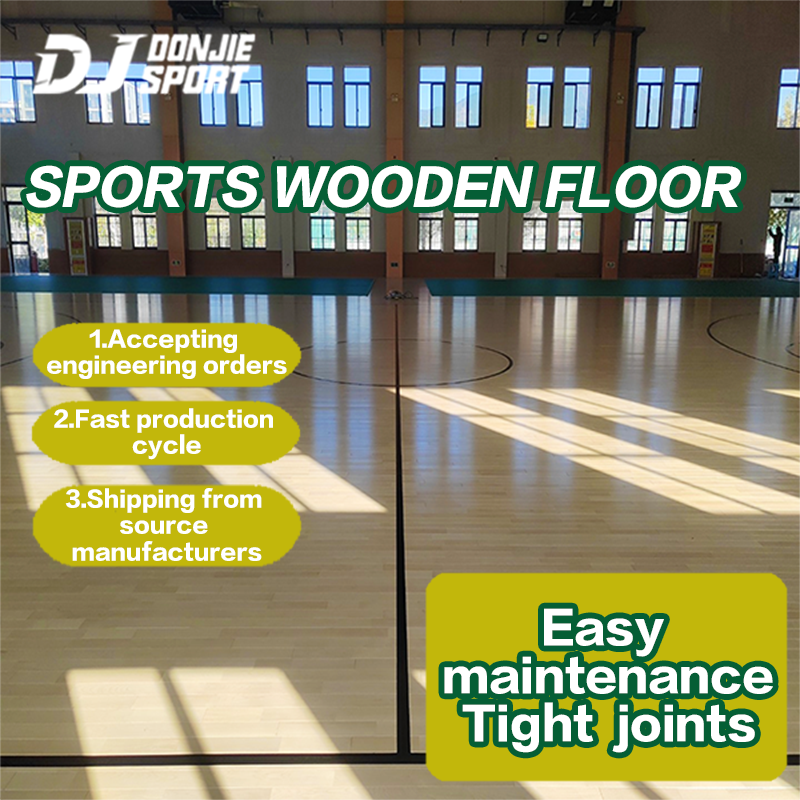
Wooden badminton floor mats offer a premium, traditional feel that many professional courts prefer. These mats provide excellent grip and offer a bouncy surface that’s ideal for fast-paced games. Wooden mats are often seen in competition settings because they offer unparalleled performance when it comes to ball rebound and stability. However, they require more maintenance, as wood can warp over time if exposed to moisture. They are better suited for indoor courts where temperature and humidity can be controlled.
Key Factors to Consider When Choosing the Right Floor Mat
There are several factors to consider when selecting the best badminton court floor mats for your space. Below are the most important considerations:
Court Type (Indoor vs. Outdoor)
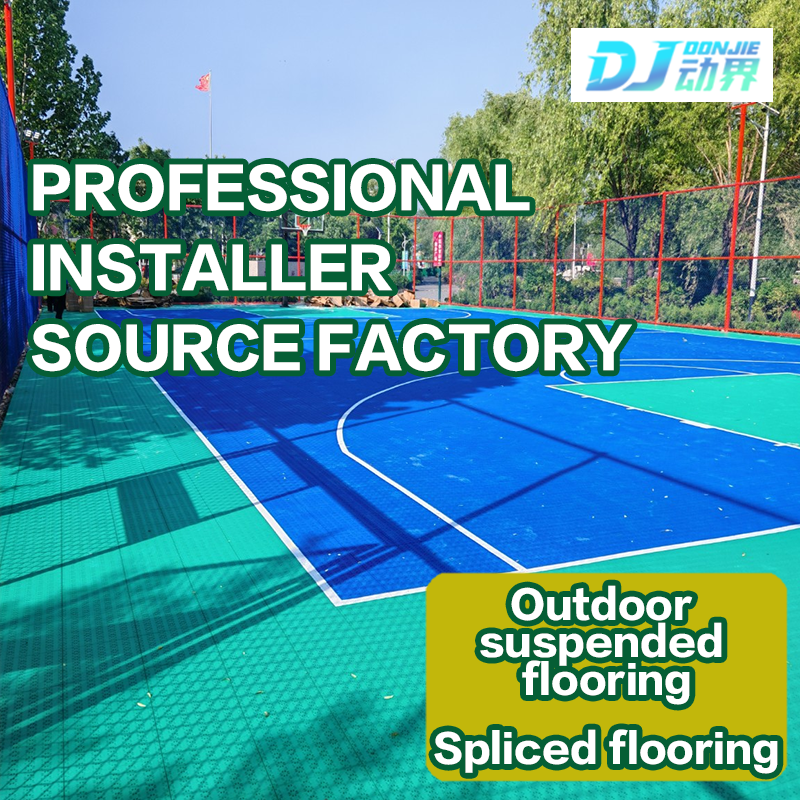
The type of court—indoor or outdoor—plays a significant role in determining which floor mat is best. For indoor courts, you may opt for synthetic or wooden mats, which are specifically designed for controlled environments. For outdoor courts, PVC or rubber mats are more suitable as they can withstand varying weather conditions and offer greater durability.
Thickness and Cushioning for Safety
The thickness of the floor mat directly affects its ability to cushion impact. A thicker mat provides better protection against joint stress, while a thinner mat may result in a harder surface that increases the risk of injury. Choose a floor mat that strikes the right balance between cushioning and performance. For competitive players, a thicker mat may be ideal to reduce strain on knees and ankles.
Material and Texture for Grip
The material of the mat is crucial in determining the level of grip it provides. Badminton players need a surface that prevents slipping, especially when performing rapid movements. Rubber mats, for instance, are known for their excellent traction. Be sure to consider the surface texture as well. Mats with a textured finish will provide a better grip compared to smoother ones.
Durability and Maintenance Requirements
Durability is a top priority when choosing floor mats, especially for commercial spaces or high-traffic areas. PVC and rubber mats are low-maintenance options that can withstand heavy usage. Wooden mats, while high-performing, require more care to maintain their appearance and longevity. Evaluate your ability to maintain the mats before making a decision.
Cost vs. Quality Considerations
Finally, consider the cost of the mats in relation to their quality. While it may be tempting to choose cheaper options, the performance and safety benefits of investing in high-quality mats are invaluable, especially for professional or frequently used courts. Weigh the upfront cost against long-term benefits, such as fewer injuries and longer-lasting mats.
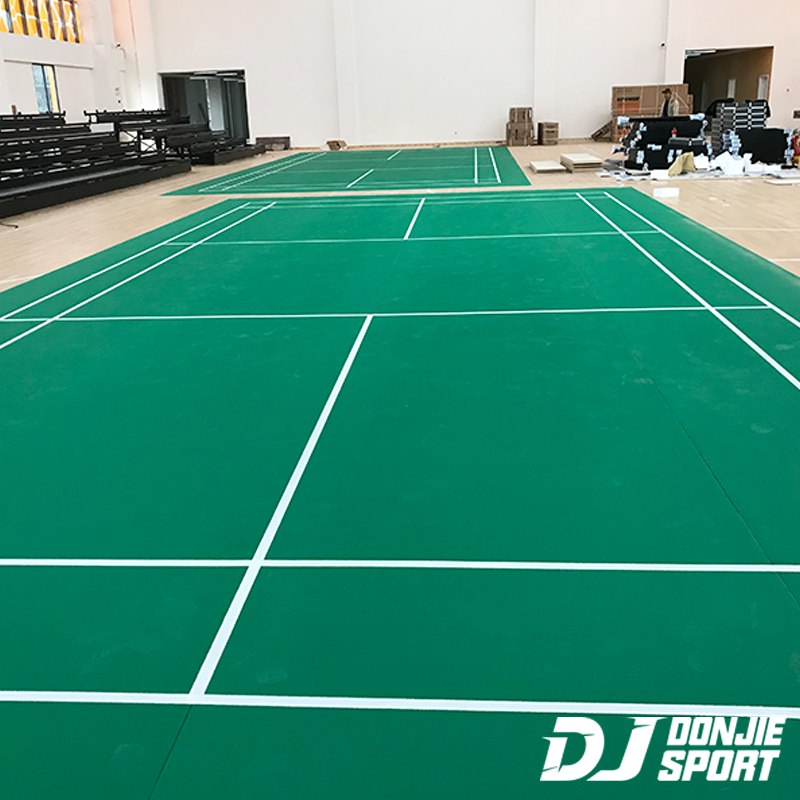
How to Install and Maintain Your Badminton Court Floor Mats
Proper installation and maintenance are essential for maximizing the life and performance of your badminton court floor mats.
Step-by-Step Guide to Installation
-
Prepare the Surface: Ensure the court surface is clean, level, and dry before installation.
-
Measure the Area: Measure the court area to ensure the mats fit perfectly.
-
Lay the Mats: Position the mats in place, making sure there are no gaps between them.
-
Secure the Mats: Some mats require adhesive to stay in place, while others feature interlocking designs. Follow the manufacturer’s instructions for securing the mats.
-
Test the Surface: Walk on the mats to ensure they’re securely in place and comfortable.
Tips for Ensuring a Long Lifespan
-
Regularly clean the mats to remove dirt and debris that can affect their surface.
-
Rotate mats periodically to ensure even wear and tear.
-
Check for signs of damage, such as cracks or tears, and repair or replace mats when needed.
Regular Maintenance for Optimal Performance
To keep your floor mats in good condition, it’s essential to maintain them regularly. For PVC and rubber mats, simple sweeping and occasional mopping will suffice. Wooden mats, on the other hand, require more attention—regular polishing and sealing can prevent warping and keep the wood looking pristine.
Common Mistakes to Avoid When Choosing Floor Mats
Avoid these common mistakes to ensure you choose the right floor mats for your badminton court:
-
Choosing Based on Price Alone: Price should not be the only factor. A cheaper mat may save money upfront but could lead to higher long-term costs due to increased maintenance or a shorter lifespan.
-
Overlooking Material Compatibility: Make sure the mat you choose is suitable for your specific court environment (indoor or outdoor).
-
Ignoring Safety and Comfort Aspects: Always prioritize safety and player comfort. The wrong floor mat can lead to injuries, which could outweigh any cost savings.
Conclusion
Selecting the right badminton court floor mats is an investment that directly impacts the safety, performance, and longevity of your court. By considering factors like material, cushioning, durability, and maintenance, you can ensure a surface that will stand the test of time and provide an optimal playing experience. Whether you opt for PVC, rubber, synthetic, or wooden mats, choosing wisely will not only enhance player performance but also minimize the risk of injuries, making your court a safer and more enjoyable place to play.